

Table of Contents
ToggleDid you know Vienna is home to over 100 museums? It’s a city bursting with culture, making it a treasure trove for history buffs and art enthusiasts alike. Every corner of Vienna seems to hold a new palace or a quaint coffee house, turning each step into a journey through time.
Planning your first trip to Vienna can be daunting. But fear not, our carefully crafted guide is here to simplify your journey. We’ve created the perfect itinerary to ensure you explore Vienna’s rich culture and stunning architecture at your own pace. You’ll experience the essence of Vienna without feeling rushed or lost.
From strolling through royal gardens to savoring a slice of authentic Sachertorte, our plan has it all. Embark on your unforgettable Austrian adventure with us.
Key Takeaways
- Discover the most efficient way to see major landmarks without burnout.
- Learn how to balance historical sightseeing with relaxing cafe culture.
- Get expert tips on navigating public transit like a local resident.
- Find hidden gems that most first-time visitors often overlook.
- Maximize your limited time with a structured, stress-free daily plan.
✈️ TripToGo Travel Deals
Get notified about great travel deals
Hand-picked flight, hotel and destination deals, straight to your inbox. No spam, unsubscribe anytime.
🎉 Thank you for subscribing!
You’re all set — the best travel deals are on their way.
Essential Planning for Your Vienna Trip
Mastering the logistics is key to a stress-free trip in Vienna. Understanding the seasonal flow and local infrastructure helps create a balanced itinerary. This ensures your visit is both productive and relaxing.
Best Months to Visit for Optimal Weather and Crowds
The shoulder seasons, from April to May and September to October, are ideal. The weather is mild, ideal for exploring historic streets without the summer heat or winter cold.
For fewer crowds, late January or February is a good time. Though it’s colder, you’ll find shorter lines at museums and a more genuine atmosphere for your city break.

Budgeting for Your Stay: Daily Cost Estimates
A daily budget of $120 to $200 per person is reasonable. This covers mid-range accommodations, three meals, and entry fees for cultural sites.
Save by using the city’s great grocery stores for lunch or opting for free walking tours. Always carry some cash, as some cafes prefer it over cards.
Navigating the City: Public Transit and Walking Distances
Vienna is very walkable, with key landmarks in the First District within a 15-minute walk. For longer trips, the public transit system is top-notch and reliable.
The metro, trams, and buses operate on a synchronized schedule, making travel easy. A 72-hour transit pass is a smart choice to save time and money while exploring.
Planning this trip?
Our partner Voyada’s smart trip maker builds a day-by-day plan with flights, hotels and a real total cost for your dates — in about a minute, free.
Plan trip with AI →3 Days in Vienna at a Glance
A focused three-day plan in one table — then the day-by-day detail below.
| Day | Focus | What to see |
|---|---|---|
| Day 1 | Imperial Vienna | Hofburg & Sisi Museum, the Ringstrasse, Schönbrunn Palace and gardens |
| Day 2 | Art & coffee | Belvedere (Klimt’s The Kiss), the MuseumsQuartier, a proper coffeehouse afternoon |
| Day 3 | Music & markets | St Stephen’s Cathedral, Naschmarkt, and a State Opera standing-room ticket |
| Add-on | Day trip | The Wachau Valley, Bratislava (1 h) or a Danube cruise |
Book Schönbrunn, Grab Opera Standing-Room: Key Facts
Three days covers Vienna comfortably: one day for the imperial set-pieces (Hofburg and Schönbrunn), one for the art and coffeehouse culture, and one for music and markets — with time for a day trip if you extend.
Two money-and-time savers: book Schönbrunn’s timed Palace Ticket online (€42; the old Grand Tour name is retired and slots sell out), and grab a State Opera standing-room ticket (€13–18, sold ~80 minutes before curtain) for a world-class night at a fraction of the price. Full detail in our things to do in Vienna guide.
Treat the coffeehouse as an activity, not a stop. Vienna’s UNESCO-listed cafe culture means one Melange rents you the table and newspapers for as long as you like — the most Viennese thing you can do. Official resource: Vienna Tourist Board.
Day One: The Imperial Heart of the City
Exploring Vienna on foot is the best way to experience its historic core. Here, grand architecture and vibrant city life blend seamlessly. This area is the perfect starting point for your journey, packed with iconic attractions that showcase the city’s essence.
Morning Exploration of the Historic Center
Begin your day by strolling through the inner district’s narrow, cobblestone streets. The contrast between medieval foundations and ornate Baroque facades is striking, adorning the squares.
As you explore, look out for hidden courtyards and historic plaques. Walking is the best way to experience Vienna’s sights, allowing you to absorb the atmosphere at your own pace.
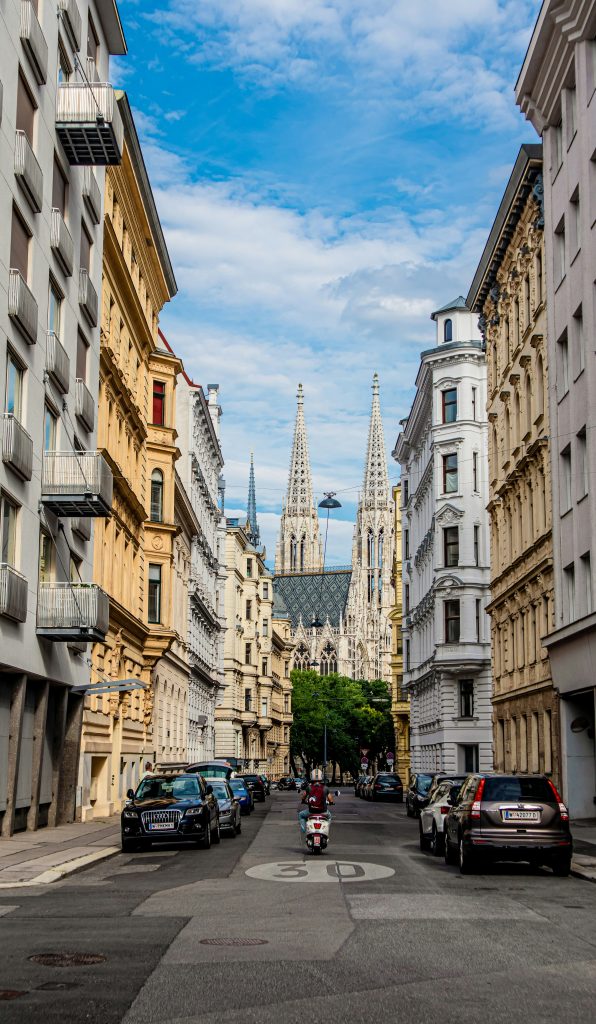
Admire the towering spires that pierce the sky. These landmarks serve as excellent orientation points as you navigate the old town’s winding alleys.
Afternoon Visit to the Hofburg Palace Complex
After morning explorations, head to the massive Hofburg Palace complex. This was the Habsburg Empire’s seat and a must-see for any visitor.
The complex is extensive, so planning is key. Focus on the central courtyards and grand entrance gates to grasp the imperial grounds’ scale.
For efficient sightseeing, consider focusing on one or two palace wings. This way, you can appreciate the royal apartments’ details and historic collections without feeling overwhelmed.
Day Two: Art, Gardens, and Coffee Culture
To fully experience Vienna, you must immerse yourself in its renowned art and coffee culture. Your second day in Vienna is all about the city’s artistic and social heartbeat. You’ll alternate between museum explorations and leisurely walks through meticulously groomed gardens.
Morning at the Belvedere Palace Art Collections
Begin your day at the Belvedere, a magnificent historical site with an impressive collection of Austrian art. The Upper Belvedere is renowned for Gustav Klimt’s iconic “The Kiss.” Exploring these grand halls offers a profound insight into the region’s creative heritage.

Afternoon Stroll Through the Botanical Gardens
Following your art immersion, visit the Botanical Gardens of the University of Vienna. This serene retreat offers a respite from the city’s din. It’s an ideal spot for a tranquil stroll among exotic plants and scenic vistas.
The gardens are conveniently located behind the Belvedere, making them a seamless addition to your afternoon. A brief pause here to inhale the fresh air can rejuvenate you for the rest of your day. It’s a serene way to slow down and truly explore Vienna.
Experiencing Traditional Viennese Coffee House Culture
No visit to Vienna is complete without indulging in the city’s traditional coffee house culture. These venues are more than coffee shops; they are social hubs where locals have congregated for centuries. Try a classic Melange and a slice of Sachertorte to fully immerse yourself in the local tradition.
Find a cozy spot, grab a newspaper, and soak in the refined ambiance. This tradition is at the core of Vienna’s social fabric, providing a unique glimpse into the local culture. Take your time, as these places are designed for relaxation and conversation.
Day Three: Palaces, Parks, and Panoramic Views
The third day of your journey is a blend of imperial history and modern excitement. You’ll explore grand estates and vibrant recreational areas, key attractions in Vienna. This final part of your trip offers a balance of regal architecture and fun.
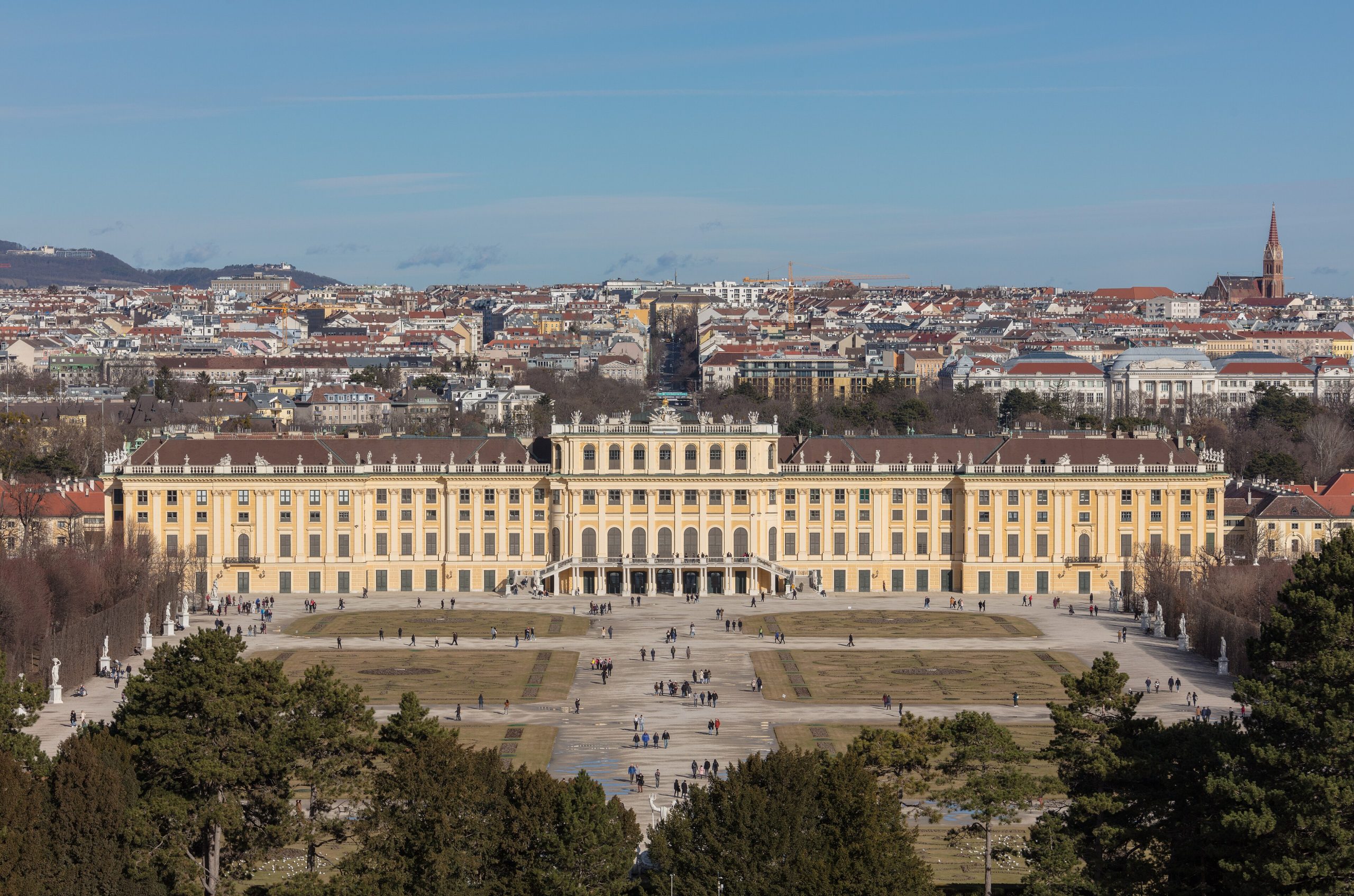
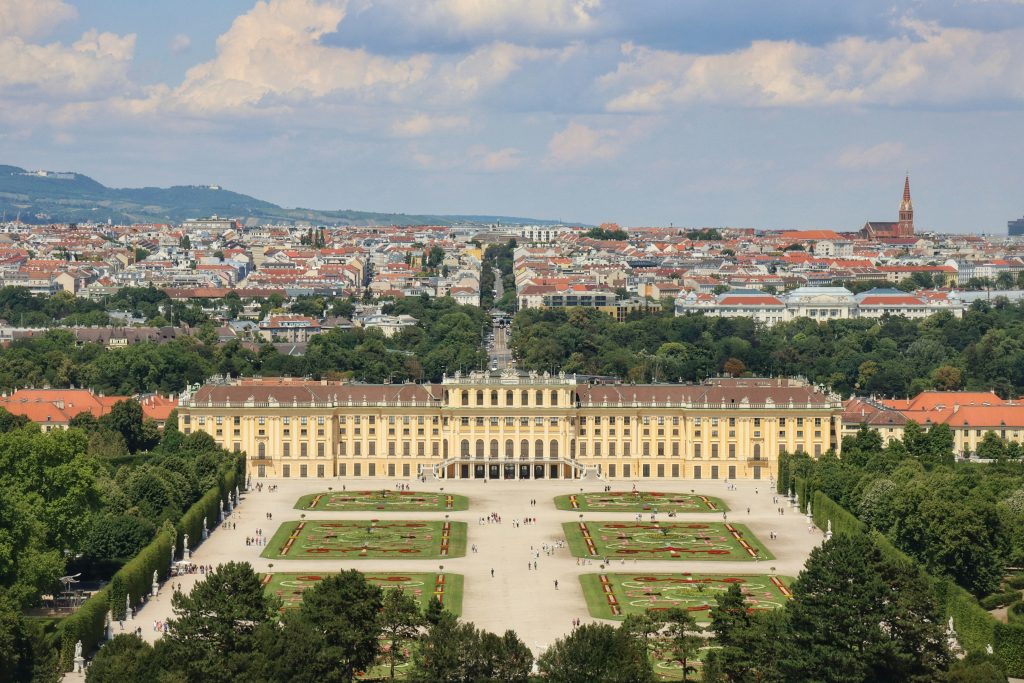
Morning at the Schonbrunn Palace Estate
Begin your day early at St Stephen’s Cathedral to avoid the crowds. This former imperial summer residence is renowned for its stunning Baroque architecture and vast gardens. It’s a top choice for visitors.
Walk up the hill to the Gloriette for a panoramic view of Vienna’s skyline. The manicured gardens and nearby Roman Ruin provide a peaceful setting for a morning stroll. This is before the afternoon rush starts.
Afternoon at the Prater Amusement Park
After immersing yourself in history, visit the Prater for a different atmosphere. This historic public park is famous for the iconic Riesenrad, a giant Ferris wheel symbolizing the city.
Riding the wheel offers a unique view of the city from above. The park’s various rides and green spaces showcase local leisure culture. It’s a highlight for those seeking a mix of excitement and tranquility.
The Prater is ideal for a thrilling ride or a serene moment in the meadows. It’s a key attraction that captures the essence of Vienna’s spirit.
Mastering the 3 Days in Vienna Itinerary
Mastering your time in Vienna is about finding a rhythm that suits your travel style. The city’s rich history doesn’t require visiting every museum. It’s about balancing must-see landmarks with genuine relaxation.
How to Balance Sightseeing with Leisure
Effective planning for 3 days in Vienna involves intentional breaks. Instead of rushing, take a mid-afternoon coffee break. This allows you to enjoy the atmosphere without feeling rushed.

Grouping activities by neighborhood minimizes travel time. Staying in one area for hours reduces transit stress. This makes your sightseeing experience smooth and enjoyable.
Adjusting Your Pace for Different Travel Styles
If you’re a fast explorer, hit major sites early when crowds are smaller. This leaves afternoons for local markets or quiet streets. Focus on landmarks that interest you most.
For a slower pace, choose one major attraction per day. Spend the rest on leisurely strolls. This approach lets you immerse in local culture at your own speed. Remember, your trip is a vacation. Feel free to skip stops for extra downtime.
Navigating Vienna Public Transportation Like a Local
Exploring Vienna is a breeze with its top-notch metro and tram lines. The city’s public transit system is renowned for its efficiency. It makes visiting major landmarks easy, eliminating the need for a car.
Understanding the Metro and Tram Networks
The U-Bahn, or underground metro, is the city’s mainstay. It features five color-coded lines that run often. These trains swiftly link outer districts to the historic center.
The red trams are another key part of Vienna’s transit. They traverse the inner ring road and beyond. These trams are ideal for sightseeing, allowing you to admire the architecture as you travel.
Purchasing Tickets and Travel Passes
Before boarding, ensure you have a valid ticket. Tickets can be bought at automated machines in metro stations or via the WienMobil app.
For extended stays, consider a 24, 48, or 72-hour travel pass. These passes offer unlimited rides, providing great value. They ensure you can explore the city freely at your convenience.
Don’t forget to validate your paper ticket at machines at station entrances or in buses and trams. Hearing the stamp confirms your ticket is valid, ready for your journey through this stunning city.
Where to Find Authentic Viennese Cuisine
Exploring Vienna’s culinary scene is like embarking on a historical journey. The city’s rich traditions and premium ingredients shape its distinct food culture. To truly experience Vienna, finding the right dining spot is essential.
Want this planned for you?
TripToGo has 6 Austria itineraries, each with its own departure dates and a full list of what's included.
Browse Austria trips →Must-Try Dishes for First-Time Visitors
Visitors must try the Wiener Schnitzel, a national gem. This dish, a thin veal cutlet breaded and fried, is often paired with potato salad or parsley potatoes.
Beef enthusiasts should not miss Tafelspitz. It’s boiled beef in a flavorful broth with applesauce and horseradish. Emperor Franz Joseph I adored it.
For dessert lovers, Vienna is a dream come true. Indulge in a slice of Sachertorte or a fluffy Kaiserschmarrn for a delightful finish.
Dining Etiquette and Tipping Expectations
Knowing local customs enhances your dining experience. In traditional eateries, wait for staff to seat you, not choose your own table.
When it’s time to pay, inform the server of your total, including the tip. They will handle the payment at your table.
Tipping in Vienna is modest, unlike in the U.S. Rounding up the bill to the nearest euro or adding five to ten percent is considered polite.
Hidden Gems Beyond the Main Tourist Path
Many travelers stick to the main sights, but some of the best things to do in Vienna are tucked away in quiet neighborhoods. Stepping off the beaten path allows you to experience the city like a local. This is far from the typical visitor experience.
Quiet Neighborhoods for Authentic Exploration
The Spittelberg quarter in the 7th district is a perfect example of hidden charm. Its narrow, cobblestone streets are lined with beautifully preserved Biedermeier houses. These houses feel worlds away from the grand boulevards.
You can spend hours wandering through these peaceful lanes without the usual crowds. It is a fantastic way to find small boutiques and cozy wine taverns. These spots remain largely undiscovered by the masses.
Unique Museums and Local Markets
If you are looking for the best things to do in vienna that offer a twist, visit the Narrenturm. This former psychiatric hospital now houses a fascinating collection of medical history. It is both eerie and educational.
For a taste of daily life, head over to the Brunnenmarkt. This vibrant street market is one of the largest in the city. It offers a diverse array of fresh produce and international snacks.
Visiting these spots provides a deeper look at the local culture. These experiences are truly among the best things to do in vienna. They are for those who value authenticity over standard tourist checklists.
Seasonal Considerations for Your Vienna Vacation
Vienna transforms with each season, ensuring every visit is unique. The local vibe changes significantly based on when you go. Knowing these shifts helps you pack right and plan activities with ease.
What to Expect During Winter Markets
Winter in Vienna is enchanting, with festive lights and the aroma of roasted almonds. The Christmas markets are a highlight, providing a warm, cozy atmosphere. Here, you can enjoy warm spiced punch while exploring.
Wear warm clothes, as it can get very cold. Locals enjoy strolling between stalls for unique gifts and ornaments. It’s a time to slow down and appreciate Vienna’s quieter side.
Summer Events and Outdoor Activities
Summer turns Vienna into a vibrant outdoor space. Days are perfect for relaxing by the Danube or exploring green parks. It’s ideal for those who love music festivals and outdoor dining.
The Film Festival at Rathausplatz is a summer must-see. Enjoy top-notch films and international food under the stars. It’s a great way to connect with locals and enjoy the evening air.
Safety and Practical Tips for First-Time Visitors
Your vienna city break should be as relaxing as it is exciting, and staying prepared is the key. The city is known for being incredibly safe. Yet, keeping a few practical habits in mind will help you navigate with total confidence. These small steps allow you to focus entirely on the beautiful architecture and culture around you.
Staying Safe in Urban Areas
Vienna consistently ranks as one of the safest cities in the world. Walking through the streets, even at night, is generally very comfortable and secure. Yet, it’s wise to remain aware of your surroundings in crowded tourist spots or busy transit hubs.
Keep your belongings secure in crowded areas like the Stephansplatz or near major train stations. Pickpockets are rare, but they can occasionally target distracted travelers. By keeping your bag zipped and your valuables tucked away, you can enjoy your day without any unnecessary worry.
Essential Apps and Digital Tools for Travelers
Technology makes exploring a new destination much simpler. We highly recommend downloading the WienMobil app, which provides real-time updates on public transport schedules and routes. It is an indispensable tool for anyone planning a smooth vienna city break.
Google Maps remains a reliable choice for walking directions and finding local cafes. Also, save the local emergency number, 112, in your phone just in case you ever need assistance. Having these digital resources ready will help you feel like a local from the moment you arrive.
Cultural Etiquette and Local Customs
Exploring Vienna requires understanding local customs to truly appreciate the city. Knowing how to act like a local enhances your experience. It allows you to respect the residents and blend in seamlessly. By following these guidelines, your travel experience will be smoother and more rewarding.
Understanding Social Norms in Public Spaces
In Vienna, punctuality and quietness are highly valued in public. Arriving on time for appointments or reservations is seen as a sign of respect. On public transit, keep your voice down and avoid loud phone calls to preserve the calm atmosphere.
When walking, always stay to the right to let others pass. On escalators, stand on the right side to allow busy commuters to walk up the left. These habits show you are a considerate visitor who respects local norms.
Language Tips for Interacting with Locals
Many Viennese speak excellent English, but learning German phrases is appreciated. Begin with a friendly “Grüß Gott,” the standard formal greeting in Austria. Saying “Danke” for thank you and “Bitte” for please will be appreciated by shopkeepers and servers.
When exploring Vienna, remember to use formal address in many settings. Using “Sie” instead of “du” is safer when addressing strangers or service staff. A polite smile and these basic phrases can help you connect with locals positively.
Packing Essentials for Your Austrian Adventure
Choosing the right gear is key for a successful Vienna vacation. Proper packing ensures you’re comfortable while exploring the city’s historic streets and grand palaces. By selecting the right items, you can avoid stress and fully enjoy your time in this beautiful city.
Clothing Recommendations Based on Season
Vienna’s climate varies by season, so your wardrobe needs to be adaptable. For summer visits, pack light, breathable fabrics and a pair of comfortable walking shoes. A light jacket is also useful for cooler evenings or air-conditioned museums.
Winter visitors should focus on warmth. Bring a heavy coat, thermal layers, gloves, and waterproof boots to handle snow or rain. Include a smart-casual outfit for evening events at the opera or fine dining.
Gear and Documents You Should Not Forget
Before departing, check your passport is valid at least three months beyond your Schengen departure date, and expect fingerprints and a photo at the border under the EU Entry/Exit System. Keep both digital and physical copies of your travel insurance, hotel bookings, and flight details in a secure folder. These documents simplify your journey at border control and check-in desks.
Remember to pack a universal power adapter, as Austrian outlets use Type F plugs. A portable power bank is essential for keeping your phone charged while exploring. Lastly, bring a small daypack for your essentials, such as a water bottle and a compact umbrella, as you explore the city’s sights.
Before you go: turn this guide into a day-by-day plan. Our partner Voyada is a free tour planner online that builds the trip with flights, hotels and a real total cost for your dates — in about a minute.
Create itinerary for trip →Vienna in 3 Days: Insider Tips
Vienna is grand but very manageable in three days — a little planning around the palaces and the coffee houses does it.
- Cluster the imperial sights (Hofburg, Schönbrunn, Belvedere) and book Schönbrunn ahead.
- Get a Vienna City Card or pass for transit and discounts — and ride the Ring tram loop as cheap sightseeing.
- Lean into coffee-house culture: linger over a Sachertorte, and try a heuriger wine tavern on the edge of town.
- Standing-room tickets at the Opera are famously cheap — a Viennese rite of passage.
- Day-trip to the Wachau wine valley or Bratislava, an hour away.
Vienna (3 Days): Alternative Plans & Where to Stay
Three days covers imperial Vienna comfortably. Here’s how to structure it and where to base yourself.
- Cluster the palaces (Hofburg, Schönbrunn, Belvedere); add a Wachau Valley or Bratislava day trip.
- Where to stay: the Innere Stadt (1st district, central) or Neubau (7th, trendy).
- Transport: the U-Bahn plus the Ring tram; a Vienna City Card bundles transit and discounts.
- Book Schönbrunn ahead, and try the famously cheap standing-room Opera tickets.
- Best in spring, early summer or the Christmas-market season.
Conclusion
Vienna is a city that seamlessly blends the grandeur of the past with the vibrancy of the present. This travel guide equips you with the knowledge to make your trip unforgettable. You’re now ready to explore Vienna with confidence and ease.
Personalize your journey by focusing on the experiences that resonate with you. Whether it’s enjoying a serene moment in a park or delving into the city’s rich history, Vienna has something for everyone. Begin by securing your accommodations and booking tickets to popular attractions to ensure a seamless experience.
Utilize this guide as your compass for uncovering Vienna’s hidden gems. Start crafting your itinerary today to fully immerse yourself in Austria’s enchantment. The city is eagerly awaiting your arrival, ready to share its tales and wonders with you.
FAQ
When is the best time to plan a vienna city break to avoid the heaviest crowds?
Is a 3 days in vienna itinerary enough time to see the main highlights?
What is a realistic daily budget for a vienna vacation?
How do I navigate vienna sightseeing using public transportation?
What are the best things to do in vienna for food lovers?
Do I need to tip at restaurants when I explore vienna?
What are some hidden gems that aren't usually on a standard vienna travel guide?
How should I dress for my vienna city break?
Is English widely spoken when visiting vienna attractions?
What digital tools will help me during my vienna vacation?
How do I get from Vienna airport into the city centre?
The airport lies south-east of the city and is linked to it by rail, so most visitors take a train: journey times run from roughly fifteen to thirty minutes depending on the service, with one line ending at a central interchange and another at the main station. Buses serve several city stops, and licensed taxis wait outside arrivals. Check what is actually running before you fly, because long-running engineering work on the airport line has altered some services and replacement buses have been used. Once in town, switch to the U-Bahn, and if you plan to buy a multi-day transit pass, start it on the day you land.
Do I need to book Schonbrunn Palace in advance for a three-day trip?
Yes. Book the timed palace ticket online before you travel. Entry runs on slots, and the popular morning ones go first in summer and over the Christmas market season, so turning up on the day can mean a long wait or a time that wrecks the rest of your plan. Booking also lets you build the day around a fixed hour instead of guessing. Save the confirmation to your phone, arrive a little early for security and the audio guide, and leave time for the park and the walk up to the Gloriette, which is free to wander and usually takes longer than the palace rooms.
Where should I stay in Vienna for three days?
Base yourself somewhere you can walk home from dinner. The first district puts you inside the Ring, minutes from the cathedral, the Hofburg and the opera, and it is the simplest choice for a short first visit. Neubau, the seventh district, is livelier and often cheaper, full of independent shops and restaurants, with a quick tram or metro ride to the main sights. Wherever you look, judge a place by the walk to the nearest U-Bahn station rather than the distance to the centre. The network is fast and frequent, and staying two or three stops out can cost noticeably less.
How do standing-room tickets at the State Opera work?
Standing places are sold cheaply on the day of the performance rather than months ahead, which makes a night at the opera a realistic add-on to three days. A batch is released online on the morning of the show, for which you need a free account set up in advance, and a further quota goes on sale at the standing-room box office about eighty minutes before curtain. Busy nights draw a queue, so allow time. Once inside, tie a scarf to the rail to claim your spot, dress smart-casual, and remember operas are long: plenty of people watch an act or two and slip away.
Should I use one of my three days for a day trip?
On a first visit, probably not. Three days is about what the imperial core needs: one for the Hofburg and the historic centre, one for the art and a proper coffee house afternoon, and one for Schonbrunn and the Prater. Give a day to the Wachau valley or to Bratislava and something has to go, usually the unhurried pace that makes Vienna enjoyable. If you have a fourth day, or you have seen the main palaces before, a day trip is a lovely addition and both are straightforward by train. Otherwise keep the city plan and use the spare hours on a market or a wine tavern.

