Table of Contents
ToggleMost visitors to Barcelona leave wishing they had given the city more time. This city is a mix of Gothic history, surrealist architecture, and a laid-back Mediterranean vibe. It’s more than a quick weekend getaway.
Figuring out how many days in Barcelona you need depends on your travel style. Are you into history, eager to see every corner of the Barri Gòtic? Or are you a foodie wanting to dive into the local tapas scene? Planning your stay right is key to a stress-free trip.
We aim to prevent you from underestimating the time needed to enjoy Barcelona fully. By knowing your pace, you can create an itinerary that includes both famous spots and those hidden gems. This way, your trip will be both iconic and authentic.
Key Takeaways
- Most travelers underestimate the time needed to explore the city properly.
- A minimum of three nights is recommended for a balanced first visit.
- Consider your personal pace to avoid feeling rushed between major sights.
- Include time for both famous landmarks and spontaneous local experiences.
- Planning ahead ensures you maximize your time without unnecessary stress.
How Many Days in Barcelona? At a Glance
4.3 nights was the average stay of tourists surveyed in Barcelona city in May 2026, and seven Antoni Gaudí buildings in and around the city, including Park Güell, are on UNESCO’s World Heritage List.
The right length for your trip in one table — then the day-by-day detail below.
| Length | Best for | What you fit in |
|---|---|---|
| 2 days | The essentials | Sagrada Família, Park Güell, the Gothic Quarter and La Rambla, Barceloneta beach |
| 3 days | The sweet spot | Add more Gaudí (Casa Batlló, La Pedrera), Montjuïc, and a proper tapas night |
| 4–5 days | Deeper + day trip | Add El Born and Gràcia at a slower pace, plus Montserrat, Girona or Sitges |
| A week+ | Barcelona as a base | Costa Brava beaches, Tarragona’s Roman ruins, even a Pyrenees or wine-country run |
✈️ TripToGo Travel Deals
Get notified about great travel deals
Hand-picked flight, hotel and destination deals, straight to your inbox. No spam, unsubscribe anytime.
🎉 Thank you for subscribing!
You’re all set — the best travel deals are on their way.
Three Days Is the Sweet Spot — and Book the Big Two: Key Facts
Three days is the sweet spot for a first visit — enough for the Gaudí landmarks, the old-town quarters, the beach and a real tapas evening without rushing. Two days covers the must-sees if that’s all you have; four or five lets you add a day trip and slow down. If you’re weighing a second city, our guide to the best things to do in Valencia covers what to see there and how far it is from Barcelona.
Book the big two before you go: the Sagrada Família and Park Güell both use timed entry that sells out days ahead in season — reserve online, and add the Sagrada’s tower access if you want the view. This single step saves the most time in Barcelona.
It’s walkable, with a great metro — and pickpocket-aware. La Rambla and the metro are Europe’s pickpocket classics, so keep valuables zipped and in front. Combine it into a wider trip with our one-week Spain itinerary. Official resource: Barcelona Tourism.
Determining How Many Days in Barcelona for Your Travel Style
4.3 nights was the average stay among tourists surveyed in Barcelona city in May 2026, with 76% making cultural visits, 63.5% going to the beach and 55.7% shopping.
Your perfect vacation length in this lively city hinges on your travel style. If you crave a fast-paced adventure, a shorter trip might suit you. On the other hand, those who enjoy a slow, cultural dive might prefer a longer stay. Many agree that two days is the bare minimum to catch the main sights. Yet, three days is ideal for a well-rounded experience.
Seeking the right barcelona duration advice early is key. It prevents you from feeling rushed or overwhelmed by the city’s vast attractions.
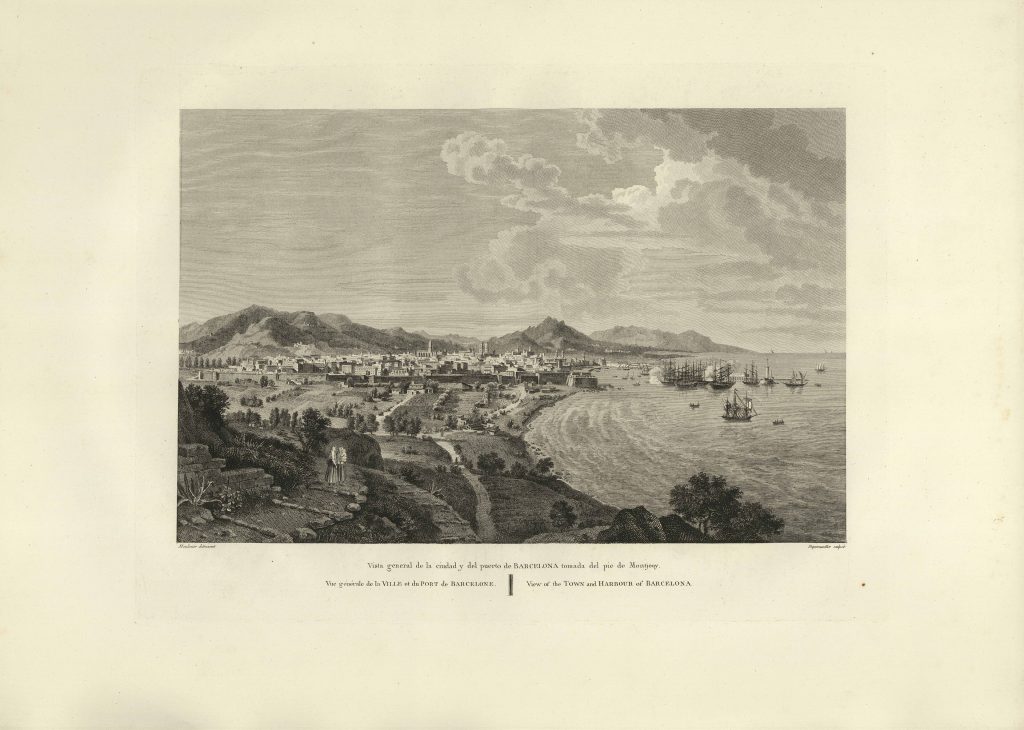
If you’re the type who wants to see every major landmark, a shorter trip might be for you. This requires meticulous planning to visit the Sagrada Familia and the Gothic Quarter without exhaustion. You’ll aim to move swiftly between attractions to make the most of your time.
For those who love to immerse themselves in the local vibe, a longer stay is advisable. A more leisurely pace lets you explore hidden corners, indulge in long lunches, and truly feel the city’s pulse. The best barcelona duration advice is to match your schedule with your preference for deep exploration or a quick tour of highlights.
Planning this trip?
Our partner Voyada’s AI trip planner builds a day-by-day plan with flights, hotels and a real total cost for your dates — in about a minute, free.
Plan my trip for me →The Three-Day Essential Barcelona Itinerary
Wondering about the perfect barcelona duration advice? A three-day trip is an excellent starting point. This duration allows you to explore the city’s iconic landmarks while keeping travel distances manageable. By organizing your activities by neighborhood, you can reduce transit time and immerse yourself in local culture.
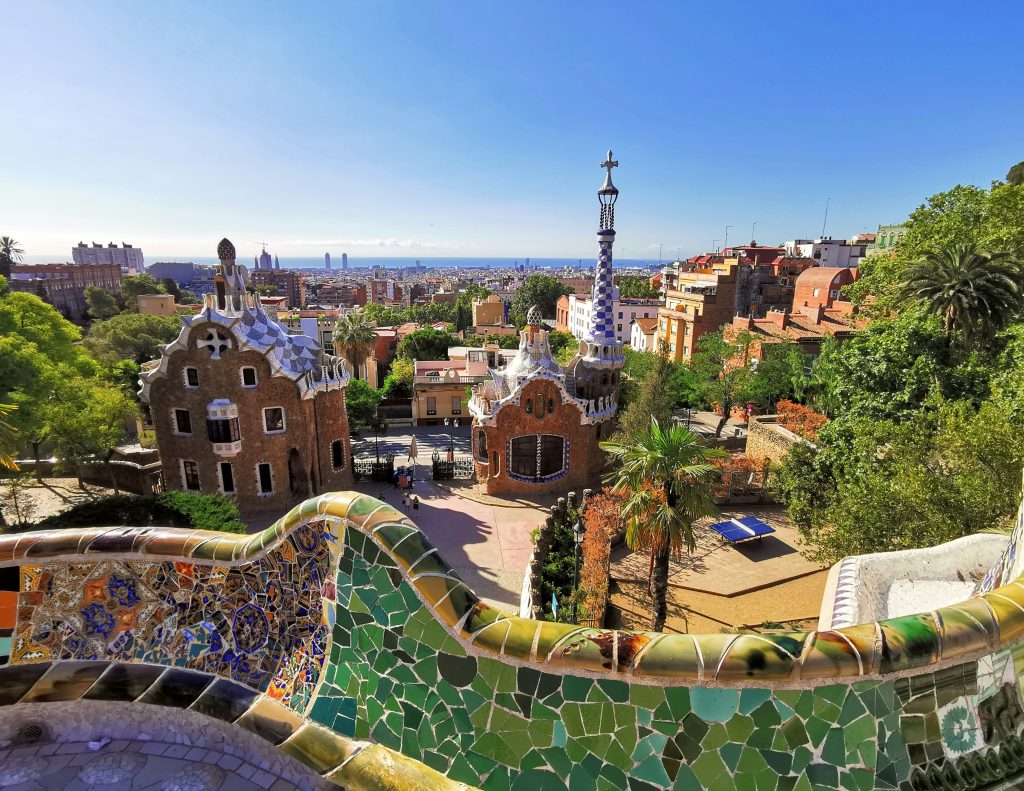
Day One: Gothic Quarter and City Center Highlights
Begin your adventure in the city’s heart by exploring the Gothic Quarter’s narrow, winding streets. You’ll discover centuries of history in every corner, from the stunning Barcelona Cathedral to hidden plazas. This area is best explored on foot, allowing you to discover charming cafes and artisan shops at your own pace.
After exploring the historic core, head to La Rambla to experience the city’s vibrant energy. Be sure to visit the Boqueria Market to sample fresh local fruits and traditional tapas. Ending your day near Plaça de Catalunya offers a perfect spot to reflect on the rich history you’ve uncovered.
Day Two: Gaudi Architecture and Modernist Landmarks
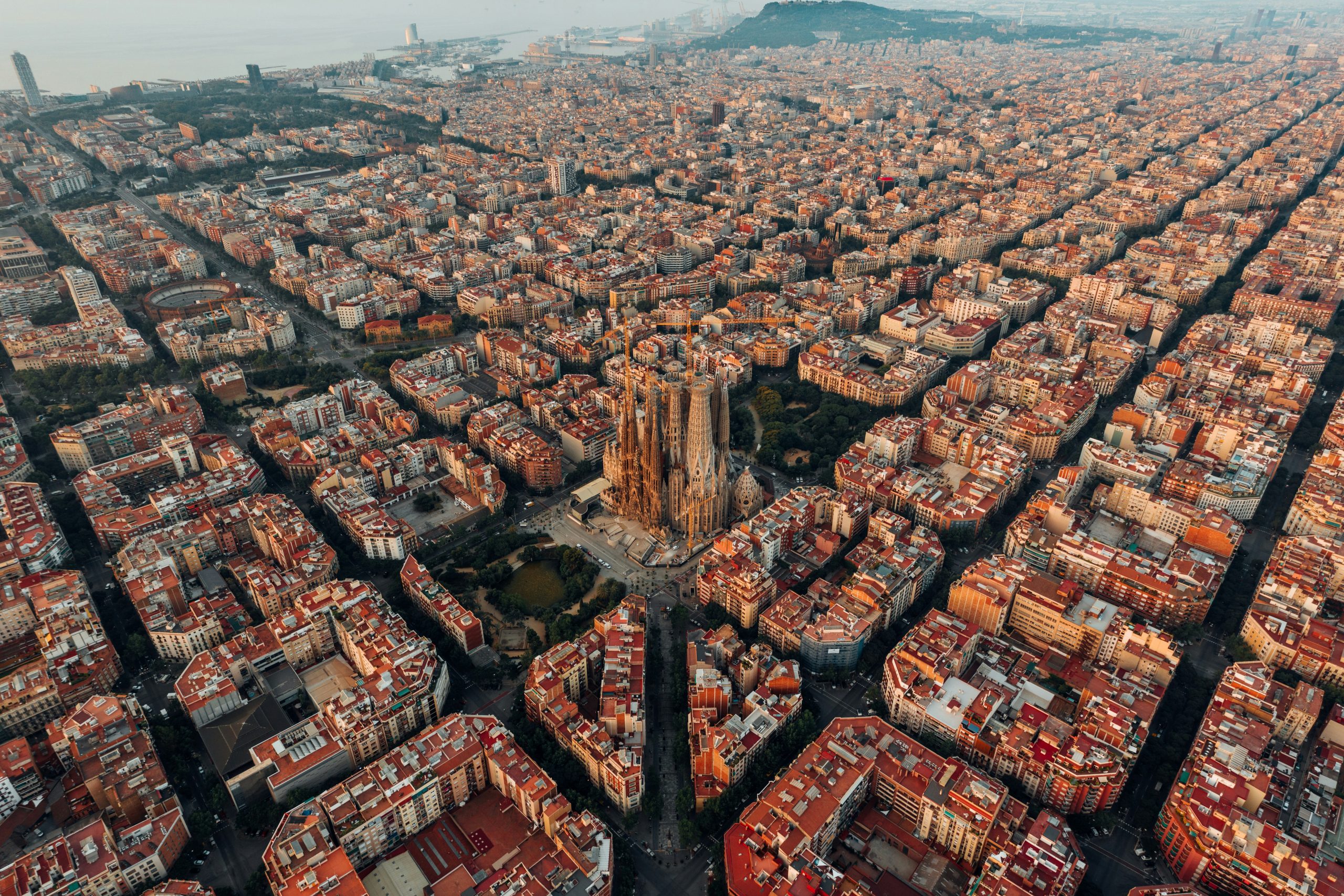
No trip is complete without witnessing Antoni Gaudí’s genius. Dedicate your second day to the city’s famous Modernist masterpieces. Start at the Sagrada Família to avoid the crowds, then visit the colorful Casa Batlló and Casa Milà.
These architectural wonders are close to each other, making travel easy by metro or taxi. Their unique shapes and details define the city’s skyline. You’ll quickly see why these sites are essential for any visitor.
Day Three: Coastal Views and Local Neighborhoods
On your final day, focus on the Mediterranean lifestyle that makes Barcelona special. Head to Barceloneta to enjoy the sea breeze and a relaxing walk along the sandy coastline. It’s the perfect spot to unwind after two days of sightseeing.
Explore the nearby El Born district in the afternoon, where trendy boutiques meet historic charm. Enjoy local wine and authentic paella at a seaside restaurant to celebrate your trip. This balanced approach ensures you appreciate both the grand monuments and the local rhythms of life.
Extending Your Stay to Five Days for Deeper Exploration
Choosing the best length of stay Barcelona often leads travelers to realize that five days is the sweet spot for a deeper dive. This timeframe allows you to move beyond the typical tourist path and embrace the authentic, slower pace of Catalan life.
You will no longer feel the pressure to rush from one landmark to the next. Instead, you can balance intensive sightseeing with moments of true relaxation in local cafes and plazas.
Exploring Montjuic and Its Museums
Montjuic is a sprawling hill that offers a perfect escape from the busy city center. You can easily spend an entire day wandering through its world-class museums and lush botanical gardens.
The area is home to the Joan Miró Foundation and the National Art Museum of Catalonia. These cultural hubs provide a fascinating look into the artistic heritage of the region.
Day Trips to Montserrat and Coastal Towns
With five days at your disposal, you have the luxury of venturing into the beautiful surrounding countryside. Montserrat is a must-visit mountain-top monastery that serves as a perfect day trip from the city.
You can reach this spiritual site in about an hour by train from Plaça d’Espanya. The dramatic rock formations and panoramic views make the journey well worth your time.
Alternately, you might choose to explore charming coastal towns like Sitges or Tossa de Mar. Sitges is a short train ride, while Tossa de Mar has no station and is reached by coach from Barcelona Nord. Finding the best length of stay Barcelona ensures you have enough time to enjoy these unique experiences without feeling overwhelmed.
The Ideal One-Week Barcelona Experience
Deciding on the best length of stay in Barcelona is essential to venture beyond the usual tourist routes. A week-long stay allows you to slow down and truly experience the Catalan lifestyle. It’s a chance to move away from the fast pace of sightseeing.
Seven days strike the perfect balance between exploring iconic landmarks and enjoying the city’s laid-back vibe. You can take your time, relax in Parc de la Ciutadella, or stroll along Barceloneta beach. This way, you avoid the rush of seeing everything in a hurry.
Balancing Sightseeing with Leisurely Mediterranean Living
With more time, you can explore neighborhoods like Gràcia or Poble-sec at your own pace. These areas offer a unique look into daily life, away from the bustling city center.
Plan your mornings for major architectural sights and your evenings for quiet dinners at local plazas. This approach ensures you return home feeling rejuvenated, not drained by a packed schedule.
Deep Dives into Local Markets and Culinary Traditions
A week-long trip allows you to dive deep into Barcelona’s legendary food scene. Visit La Boqueria early to avoid the crowds. It’s a chance to see the vibrant stalls up close.
Make sure to check out Santa Caterina Market, where locals buy fresh produce and regional specialties. Sampling authentic tapas and local wines is a must for any food enthusiast. It’s the best way to experience Barcelona’s culinary traditions.
By diving into these culinary traditions, you gain a deeper appreciation for local culture. Your memories of flavors and conversations will be richer than any quick weekend visit could offer.
Best Months to Visit for Optimal Weather and Crowds
21.1 °C is the average May daily high at Barcelona’s airport, against 28.5 °C in August and 26.0 °C in September, on the state weather agency’s 1981-2010 normals.
Planning your trip to Barcelona is as important as deciding how long to stay. The city’s beauty varies with the seasons. Picking the right time ensures your visit is fulfilling, not rushed.
Springtime Blooms and Mild Temperatures
Spring is the best time to explore Barcelona’s streets. From April to June, the weather is mild, ideal for walking tours. Parks are in full bloom, adding color to your photos.
The temperatures are just right for outdoor dining, avoiding the summer sun’s harshness. Enjoy long afternoons at sidewalk cafes. It’s a great time to see the city before it gets crowded.

Autumnal Charm and Cultural Festivals
September and October have a unique charm often missed by travelers. The summer heat fades, leaving warm, golden days. These months are filled with local cultural festivals, like La Mercè.
Immerse yourself in traditional music, dance, and parades. The atmosphere is lively and authentic, connecting you with local life. It’s perfect for those who want to see sights and experience culture.
Navigating the Peak Summer Heat and Tourist Density
Summer brings high temperatures and crowds to the city center. Visiting in July or August means busy streets and long lines at landmarks. Book your tickets early to save time.
Many top sights close on Mondays, making Tuesdays and Sundays very crowded. Plan your schedule to avoid the busiest times. With flexibility, you can enjoy Barcelona even in the busiest months.
Budgeting for Your Barcelona Trip
Effective financial planning is key to finding the perfect duration for your Barcelona trip. Knowing your daily expenses helps you extend your stay and enjoy more of the local culture without financial stress.
Daily Cost Estimates for Budget, Mid-Range, and Luxury Travelers
Budget travelers can manage on €70 to €90 daily by opting for hostels and public transport. This budget covers basic needs like street food and free walking tours.
Mid-range travelers should budget €150 to €220 daily, plus a tourist tax of about €9.50 per person per night on top of the room rate. Dining in Barcelona, with prices between €25 and €40 for a meal, fits well within this range.
Luxury travelers should allocate over €350 daily for high-end dining and private tours. Regardless of your budget, tracking your daily expenses ensures you stay within your means.
Strategies for Saving on Attractions and Dining
Booking attraction tickets online in advance is a smart money-saving move. It offers discounts and skips long entrance lines.
Consider a city pass for visiting multiple museums and landmarks. These passes combine entry fees and transport, saving you money compared to buying individual tickets.
For dining, look out for the “menú del día” during lunch. This fixed-price menu includes starter, main, and dessert at a lower price than dinner. By using these strategies, you can extend your stay in Barcelona while keeping costs down.
Navigating Barcelona Distances and Transportation
€13.00 buys a 1-zone T-casual good for ten metro, bus or tram journeys under the 2026 integrated fares, though it is not valid at the airport’s L9 Sud metro stations.
Exploring Barcelona is straightforward once you grasp its layout. Whether you arrive by AVE train from Madrid in three hours or by plane, knowing your options is key. Understanding these logistics is a top barcelona trip duration tip for travelers.
Walking the City Center
The city’s heart, including the Gothic Quarter and El Born, is best seen on foot. These areas have narrow, winding streets that cars can’t access. Walking lets you discover hidden plazas and local shops you’d miss from a bus.
Prefer to travel it with a guide?
There are 6 Spain tours on TripToGo, from short city breaks to multi-week routes.
View Spain tours →In the Eixample district, the grid layout makes navigation simple. Most landmarks are within a 20-minute walk. Just remember to wear comfortable shoes, as the stone streets can be hard on your feet.
Using the Metro and Public Transit Efficiently
Barcelona’s Metro system is incredibly efficient, connecting almost every part of the city. Trains run often, and stations are marked with a large “M” sign. We suggest getting a T-casual card for ten rides at a lower cost than single tickets.
The Metro is ideal for longer trips, like going to Park Güell or the beach. Buses and trams offer scenic routes above ground. Always validate your ticket until you exit the station to avoid fines.
Travel Times from the Airport to the City Core
The Aerobus takes about 35 minutes to Plaça de Catalunya. Getting to the city center from Barcelona-El Prat Airport is easy and fast. The R2 Nord train reaches Passeig de Gràcia in roughly 25 minutes.
Taxis are also available outside all terminals and take 30 minutes, depending on traffic. Planning your arrival method in advance is wise. It ensures your trip begins without delay.
Must-See Landmarks and Time Allocation
Maximizing your visit to Barcelona requires a strategic approach to scheduling. Consider the time needed for each landmark. A well-planned itinerary helps you avoid long queues and ensures you see all the highlights.
Planning Around Timed Entry Requirements
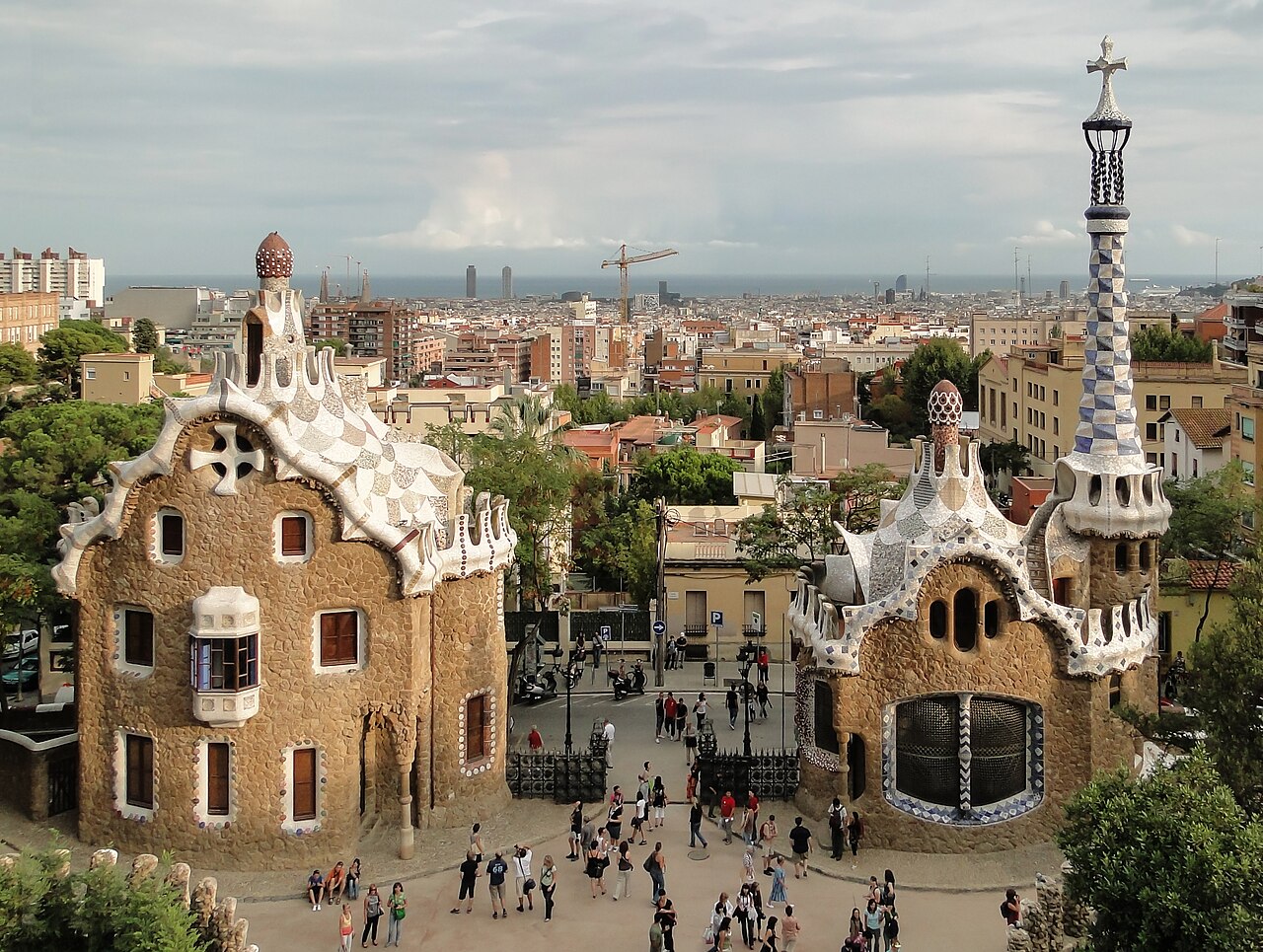
Park Güell admits timed-ticket holders only within 30 minutes of the slot booked — a 9:30 entry is void after 10:00 — and general admission costs €18.
Must-see spots like the Sagrada Familia and La Pedrera need advance bookings. Without a reservation, you risk long waits or missing out. Book your entry slots online weeks ahead to secure your preferred time.
By securing these slots, you control your day better. Grouping nearby attractions together saves travel time. This approach keeps your day flowing smoothly and reduces backtracking.
Prioritizing Iconic Sites vs. Hidden Gems
It’s tempting to see every famous landmark, but balance is essential. Spend mornings on major sites when you’re most energetic and the crowds are smaller. Afternoons are perfect for exploring quiet neighborhoods and finding hidden gems.
Combining iconic sites with spontaneous exploration enhances your journey. By following these tips, you have time for a leisurely lunch or a coffee in a hidden plaza. The best memories often come from the moments between the big attractions.
Cultural Etiquette and Local Customs
Planning your trip to Barcelona is more than just choosing attractions. It’s about understanding the city’s relaxed pace and embracing its customs. By doing so, you can truly connect with the city beyond the usual tourist spots.
Dining Schedules and Tipping Practices
13:00-16:00 for lunch and 20:00-23:00 for dinner are Spain’s usual restaurant hours; tipping is optional, usually 5-10%, and on-premises meals and drinks carry 10% VAT.
One key adjustment for visitors is the timing of meals. Restaurants in Barcelona open for dinner around 21:00, later than many Americans are accustomed to. Lunch is served between 14:00 and 16:00, also later than usual.
Tipping in Barcelona is different from the U.S. Service is often included in the bill, so large tips are not expected. A small tip or rounding up the bill is a nice gesture for excellent service.
Language Tips for English-Speaking Travelers
Barcelona is a bilingual city, with both Catalan and Spanish spoken daily. While many in the tourism industry speak excellent English, learning basic Catalan phrases is beneficial. Saying “Bon dia” for good morning or “Gràcies” for thank you shows respect for the local culture.
Even if you’re not fluent in Catalan or Spanish, locals are patient and helpful. A polite tone and a smile can overcome any language barrier. Keeping these cultural tips in mind will make your trip to Barcelona more meaningful and respectful.
Safety and Practical Travel Tips
When planning your ideal Barcelona itinerary duration, safety should be your utmost concern. Exploring a new city is more enjoyable when you feel secure and prepared. By taking a few simple precautions, you can safeguard your belongings and fully appreciate the beauty of Barcelona.
Staying Secure in Crowded Tourist Areas
Barcelona’s vibrant streets, like Las Ramblas, are bustling with life but also attract pickpockets. Always keep your bag in front of you and hold onto your personal items tightly. This simple step can significantly reduce the risk of theft.
Never place your phone or wallet in your back pockets, as they are easy targets. When dining outdoors, never leave your purse hanging from the back of your chair. Staying vigilant and aware of your surroundings is key to avoiding trouble.
Essential Apps for Navigating the City
Technology can greatly aid in navigating Barcelona efficiently. Downloading the right apps can make your travel experience smoother. Google Maps is a reliable choice for walking directions and finding local spots.
The TMB App is vital for checking public transit schedules in real time. Citymapper offers clear, step-by-step instructions for the complex transit system. Having these apps ready will save you time and keep your travel plans on track.
Family-Friendly Barcelona Planning
Traveling with kids in Barcelona requires finding the right balance between adventure and rest. When you’re traveling with the whole family, your ideal barcelona itinerary duration might need to be longer. This is because you’ll have slower mornings and need more downtime.
Parks and Activities for All Ages
Barcelona boasts numerous green spaces that offer a much-needed escape from the city’s hustle. Citadel Park is an excellent choice for families to rent rowboats and enjoy the fresh air. It provides ample space for kids to play while parents relax under the shade of large trees.
Interactive museums and beaches are also great for younger visitors. These places allow kids to engage with local culture in a fun way, not as a history lesson. Keeping activities varied ensures that every family member remains engaged throughout the day.
Adjusting Your Pace for Traveling with Children
The key to a successful trip is not to overpack your day. Aim for one major landmark in the morning and leave afternoons for spontaneity or naps. This flexible approach prevents burnout and keeps everyone’s spirits high.
Your ideal barcelona itinerary duration should focus on quality over quantity. By slowing down, you let your children fully appreciate the city’s beauty without feeling rushed. A relaxed schedule leads to a more memorable and stress-free vacation for all.
Solo Travel Considerations
Traveling solo in Barcelona lets you explore at your own pace, uncovering hidden gems. Whether you’re an experienced traveler or new to solo adventures, the city warmly welcomes you. Figuring out your ideal barcelona itinerary duration is key to a carefree and unforgettable trip.
Finding Social Hubs and Safe Neighborhoods
Barcelona’s streets are walkable and safe, making it ideal for solo travelers. El Born and the Gothic Quarter are perfect spots, with their lively atmosphere and endless activity. These areas are rich in local charm, providing many chances to meet other travelers.
For a more social experience, consider staying in hostels or boutique hotels with community events. Cafes in these historic areas serve as natural gathering spots for travelers. Staying in central, well-lit areas ensures you feel secure walking back to your accommodation after a day of exploring.
Dining and Exploring Alone with Confidence
Dining alone in Barcelona is common and enjoyable. Many locals eat solo, so you’ll fit right in at tapas bars or cozy bistros. Just take a seat at the counter to enjoy the bustling kitchen atmosphere while you eat.
When planning, remember your ideal barcelona itinerary duration to enjoy your favorite spots without rushing. Take time to sit in a plaza, watch people, and immerse yourself in Mediterranean culture at your pace. Solo travel allows you to truly experience the city’s heart.
Business Travel and Short-Term Stays
Strategic planning makes it easy to balance work with Barcelona’s vibrant culture. Even with a packed schedule, you can enjoy the city’s highlights. Finding the right barcelona itinerary duration is essential for a productive and memorable trip.
Maximizing Efficiency During a 48-Hour Visit
A 48-hour visit is the minimum for a productive business trip. Focus on one major landmark per day and keep evenings open for local dining. This strategy keeps you focused on work while experiencing Barcelona’s charm.
Efficiency comes from pre-booking tickets for top sites. This avoids long queues that could disrupt your schedule. With careful planning, your barcelona itinerary feels like a success, not a rush.
Choosing the Right Base for Business Access
The right neighborhood is key for a smooth trip. Stay in Eixample or Diagonal for easy access to offices and transit. These areas are close to the airport, saving time during your stay.
For a mix of work and leisure, choose hotels near Passeig de Gràcia. This central spot offers quick metro links and high-end dining for client meetings. A strategic base is the last step to a stress-free barcelona itinerary.
Before you go: turn this guide into a day-by-day plan. Our partner Voyada is a free itinerary generator that builds the trip with flights, hotels and a real total cost for your dates — in about a minute.
Create an itinerary →Planning Your Days in Barcelona
Barcelona packs Gaudí, Gothic streets and beach into a compact city — a little booking discipline is all it takes.
- Three to four days covers the Gaudí icons (Sagrada Família, Park Güell, Casa Batlló), the Gothic Quarter, the beach and Montjuïc.
- Book Sagrada Família and Park Güell timed tickets well ahead — they sell out.
- Guard against pickpockets on La Rambla and the metro — keep bags zipped and close.
- Add a day trip: Montserrat or the Costa Brava if you have the time.
- Eat a few streets off La Rambla, lean into tapas, and expect late dinners.
Official resource: for the latest, authoritative information, see Spain.info (official tourism).
Conclusion
Barcelona offers a unique rhythm that rewards every traveler, whether you prefer a whirlwind two-day tour or a full week of slow-paced discovery. Deciding how many days in barcelona depends entirely on your personal pace and the depth of culture you wish to absorb.
You now possess the tools to craft an itinerary that fits your specific travel style. Understanding how many days in barcelona you need allows you to prioritize iconic landmarks like Sagrada Familia while leaving room for spontaneous walks through the Gothic Quarter.
Your next step is to secure tickets for major attractions through official websites to avoid long queues. Start looking forward to your Mediterranean adventure with confidence. We look forward to hearing about your experiences in this vibrant city!
FAQ
How many days in Barcelona should I plan for a first-time visit?
4.3 nights was the average stay reported by tourists surveyed in Barcelona city in May 2026, when 52.1% of them were on their first visit.
Can I see the city highlights in just a weekend?
What is the optimal Barcelona stay length for a mix of city life and day trips?
Do you have any Barcelona trip duration tips for those on a tight budget?
€127.09 per person per day was the average in-stay spend reported by tourists surveyed in Barcelona city in May 2026, with accommodation reported separately at €136.69 per person per day.
When is the best time of year to visit to avoid heavy crowds?
Is Barcelona a safe destination for solo travelers?
How much time should I allocate for visiting the Sagrada Família?
What should I know about the local dining schedule before I arrive?

Olivia Carter
Is one day in Barcelona enough on a stopover?
One day will not cover the city, and two days is really the minimum for a first visit. If a stopover is all you have, pick a single thread and stay with it: either the Gothic Quarter, the Boqueria and the waterfront on foot, or a Gaudi day built around a pre-booked Sagrada Familia slot and a walk along Passeig de Gracia. Do not attempt both, and do not add Park Guell as well. The airport train and airport bus both reach the centre quickly, so a long layover is workable, but leave a generous cushion for getting back.
Do arrival and departure days count as full days?
Rarely. A long-haul arrival or a late evening flight leaves you a tired half day at best, and the departure day disappears once you allow for the run out to El Prat and time at the airport. When people say three days in Barcelona, they mean three full days on the ground, which usually means four nights. Count nights rather than days when you book, and put nothing ticketed on your arrival afternoon in case the flight slips. With only three nights, plan two full days plus two useful half days and buy your timed entries to match.
How long do I need at Park Guell, and does it have to be booked?
The paid Monumental Zone runs on timed entry with a capped number of visitors in each slot, and it does sell out in high season, so book on the official Park Guell site as soon as your dates are fixed. Arrive within the short grace period after your slot, or you can forfeit the entry. Most visitors spend somewhere between an hour and ninety minutes inside, and the climb up from the metro adds more, so set aside half a morning in total. The surrounding parkland is free and needs no ticket if you only want the view over the city.
Which neighbourhood should I base myself in for a short stay?
For two or three days, stay in the Eixample or on the edge of the Gothic Quarter. Both put you within walking distance of the old town and one metro ride from everything else, which matters more than the hotel itself when time is short. El Born and Gracia are quieter and more local, with Gracia trading a little convenience for atmosphere. The blocks immediately around La Rambla are noisy and the most heavily worked by pickpockets. Wherever you land, check the walk to the nearest metro stop before booking, not just the distance to the beach.
How many days does Barcelona need when travelling with young children?
Add at least a day to whatever you would plan alone. With small children the limit is pace rather than distance: one ticketed sight in the morning, then a park, the beach or the boating lake in Ciutadella in the afternoon, with a real break in between. Four or five days lets you see the Gaudi landmarks without marching through three in a row. Book the earliest entry slots, when queues and heat are lowest, and remember that Catalan dinner times are late, so plan a proper afternoon snack or eat somewhere the kitchen opens sooner.
How does the tourist tax work if I stay longer?
Barcelona charges a regional tourist tax plus a city surcharge, both per person per night, and the accommodation normally collects them at check-in rather than including them in the rate you saw when booking. The amount depends on the type and category of accommodation and has been rising, so treat any figure you read as a snapshot and confirm with the property. For planning, the point that matters is that the charge applies only to the first seven nights of a continuous stay in the same accommodation, so a longer trip stops accruing it. Children are generally exempt.
Is a Montserrat day trip worth a day from a three-day trip?
Only if you are willing to give something up. Montserrat sits about an hour from the city by train, and once you add the rack railway or cable car up and time at the monastery it takes most of a day. On a three-day trip that means dropping either the Gaudi day or the old town, and most first-timers regret losing the old town. Keep it for a fourth or fifth day instead, or swap in Sitges, which is a shorter ride and works as a half day. If you do go, travel early, because the site is busiest around midday.