Table of Contents
ToggleDid you know the French Riviera gets over 300 days of sunshine a year? This Mediterranean spot has a special vibe that changes with the seasons. Knowing these changes is key for anyone planning a trip to Nice. For official, up-to-date visitor information, see France’s UNESCO World Heritage listings.
Looking for the excitement of summer festivals or the calm of winter? Your choice of dates makes all the difference. We offer top travel tips for Nice to match your weather and crowd preferences.
Always check the latest local conditions before booking. The best travel plans are based on current, accurate info about the seasons and local events.
Key Takeaways
- The French Riviera experiences over 300 days of annual sunshine.
- Seasonal shifts significantly impact crowd levels and local pricing.
- Summer offers vibrant festivals, while winter provides a peaceful retreat.
- Always check verified local sources before confirming your travel dates.
- Aligning your schedule with personal weather preferences ensures a better experience.
Nice by Season at a Glance
The short answer in one table — then the full seasonal detail below.
| When | Weather | What you get |
|---|---|---|
| Apr–May | 14–21°C, mild, blooming | Spring sweet spot — sunny, flowers, coastal trails, low room rates before summer |
| Jun–Aug | 24–29°C, hot, warm sea | Peak season — swimming and buzz, but packed beaches, high prices, busy transport |
| September | 22–27°C, warm sea, thinning crowds | The overall best — summer’s warm sea with the crowds gone |
| Oct–Mar | 9–18°C, mild but wettest Oct–Nov | Cheapest; the Nice Carnival (Feb) and 300 sunny days a year keep winter pleasant |
✈️ TripToGo Travel Deals
Get notified about great travel deals
Hand-picked flight, hotel and destination deals, straight to your inbox. No spam, unsubscribe anytime.
🎉 Thank you for subscribing!
You’re all set — the best travel deals are on their way.
Why September Wins, and Year-Round Sun: Key Facts
September is Nice at its best — the Mediterranean is still warm from summer, the beaches and buses empty out, and hotel rates fall. April–May is the strong spring alternative: sunny and flower-filled, ideal for the coastal walks and day trips along the Côte d’Azur.
Nice is genuinely a year-round city — it sees around 300 sunny days a year, so even winter stays mild and bright, with the famous February Carnival and the lowest prices of the year. The main wet spell is October–November.
Base here to explore the coast: Nice’s train line links Monaco, Cannes, Antibes and the villages easily — more on the wider region in our French vs Italian Riviera guide. Official resource: Explore Nice Côte d’Azur.
Understanding the Climate of Nice
If you dream of a Mediterranean getaway, knowing Nice’s climate is key. This city is one of France’s sunniest spots, with a mild climate all year. By understanding these patterns, you can find the perfect weather for your trip.

Meteorological Data and Annual Averages
The French Meteorological Service data shows why Nice is a favorite for sun lovers. It gets over 2,700 hours of sunshine a year, perfect for outdoor fun. Rain falls mostly in autumn, in short, cool bursts.
Temperatures stay pleasant, never too cold. Summer days are around 80°F, and winter afternoons are 55°F. This makes Nice a hit with visitors from around the world.
Coastal Influences on Local Weather
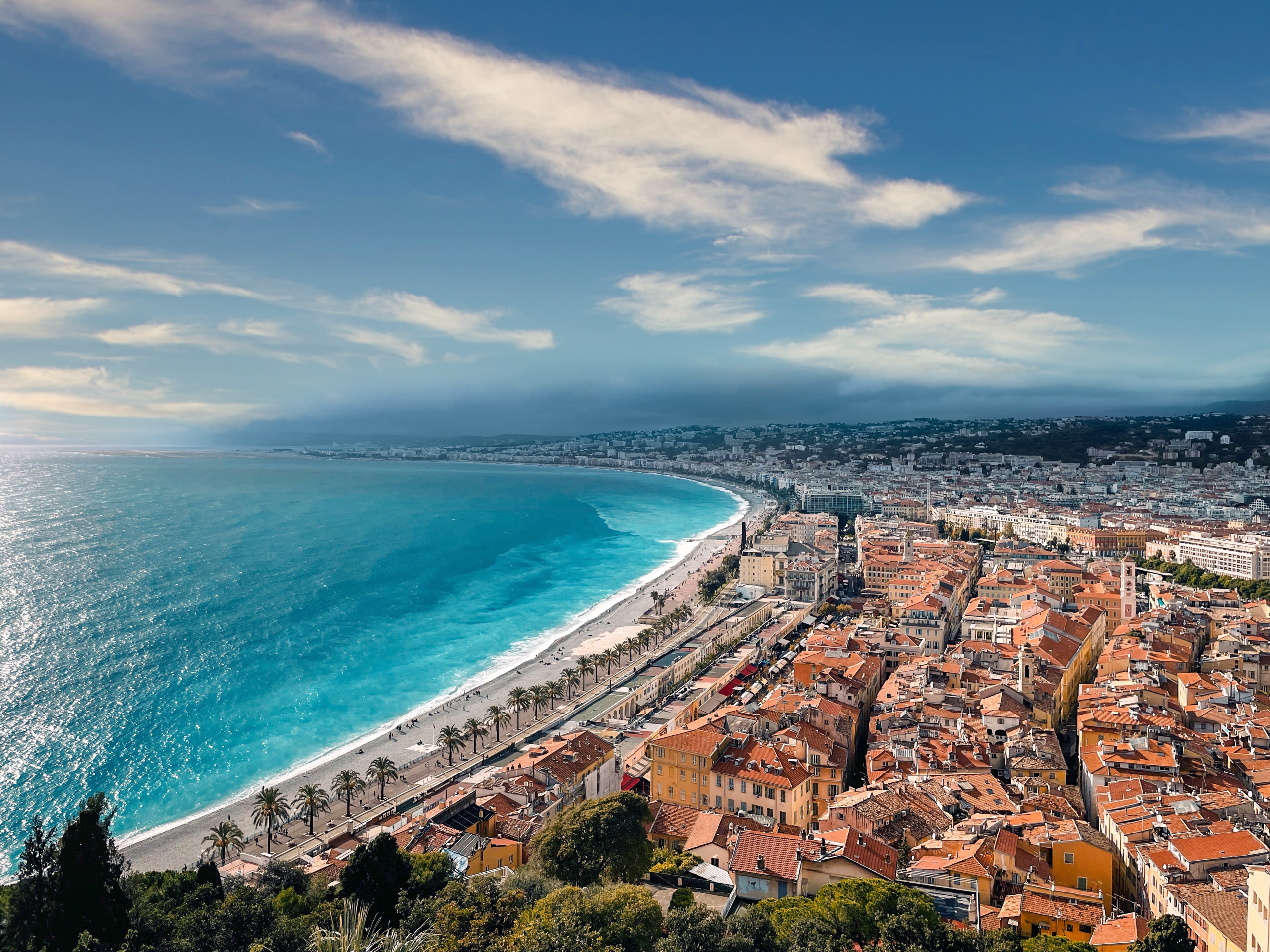
The French Riviera’s unique shape affects the weather. The Mediterranean Sea moderates temperatures, keeping the coast cooler than inland. This makes the air near the sea much milder.
Sea breezes cool things down in the heat of the day. These breezes mix with nearby hills, creating a stable climate in Nice. Understanding these coastal effects helps you plan the best weather for your visit.
Planning this trip?
Our partner Voyada’s trip planner AI builds a day-by-day plan with flights, hotels and a real total cost for your dates — in about a minute, free.
Help me plan a trip →Analyzing the Best Time to Visit Nice for Weather
Figuring out the best weather in Nice is easier when you know the seasons. By looking at the weather data, you can pick the best months for your trip. This way, you’ll know what to pack for your Mediterranean adventure.
Temperature Ranges by Season
Nice has a mild climate, but temperatures change a lot throughout the year. In winter, from December to February, highs are in the mid-50s°F. It’s a great place to avoid cold winters.
Spring brings warmer days, with temperatures in the 60s and 70s°F. Summer, in July and August, is warm and sunny, with highs in the mid-80s°F. This makes summer a top choice for beach lovers.
Precipitation Patterns and Humidity Levels
Rainfall is as important as temperature. Nice gets the most rain in late autumn and early winter, mainly in October and November. These months have more showers, but they don’t last all day.
Humidity stays moderate all year, thanks to the sea breeze. If you want the best weather, late spring and early autumn are ideal. They offer low humidity and nice temperatures, making your trip comfortable and dry.
Peak Tourist Season and Crowd Management
The warm months of July and August are the busiest times in Nice. Travelers from all over come to the French Riviera during this peak season.
Visitor Density in July and August
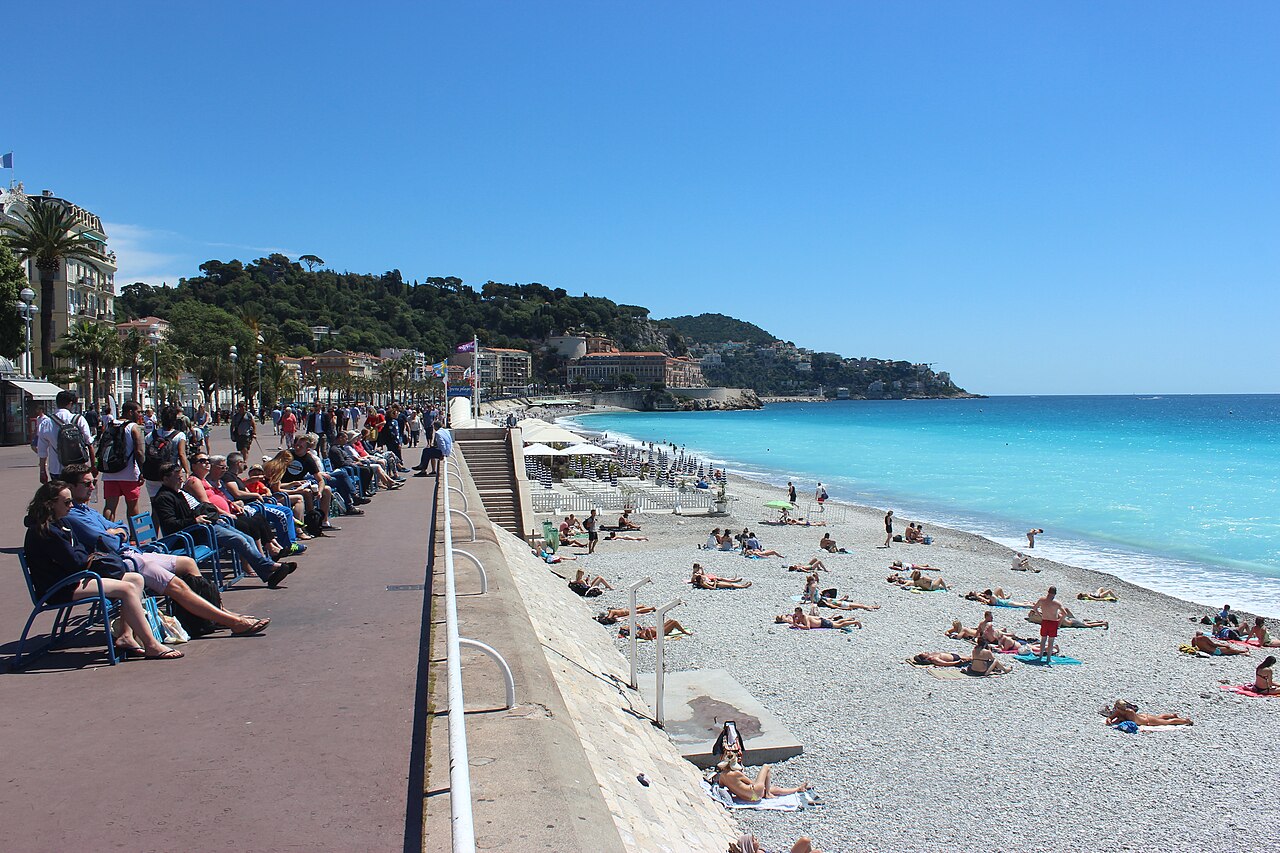
In these months, the city is filled with people. The Promenade des Anglais is a lively spot where everyone enjoys the sun.
The beaches are crowded, and the Old Town’s streets buzz with life. While it’s lively, popular spots get very busy.
Managing Expectations During High-Traffic Periods
Planning is key during Nice’s peak season. Book your meals and tours early to avoid disappointment.
Early bookings mean you won’t miss out. With some flexibility, you can enjoy Nice’s charm without the crowds.
Off-Peak Travel Advantages and Considerations
Traveling to Nice off-peak lets you see the city like a local. You’ll enjoy a calm pace and lower costs. This way, you can truly experience the French Riviera’s charm without the crowds.
Benefits of Visiting in November and February
November and February are great times to visit Nice. The streets are quiet, not busy like in summer. You’ll have more room to explore without the crowds.
Off-peak travel also saves your money. Hotel prices drop, so you can afford better places or try more local food. It’s a smart choice for those who prefer comfort over summer heat.
Service Availability During Low Season
Many think Nice closes down in the off-season. But, the city is always open. Museums, restaurants, and shops serve locals all year.
Some places might have shorter hours. But, it doesn’t stop you from enjoying Nice’s best. Visiting in the off-season gives you a real look at local life, unlike the busy summer months.
Seasonal Attractions and Local Events
Nice is alive with street parades and quiet gallery afternoons. Each month, the French Riviera offers something new. This makes your trip unforgettable, no matter when you go.
Calendar of Major Cultural Festivals
The city shines at its festivals. The Nice Carnival in February is a must-see. It fills the streets with floats and costumes.
In spring and summer, Nice hosts music, art, and food events. Planning your visit around these events lets you dive into local culture. Always check the tourism board website for the latest dates.
Museum and Landmark Operating Schedules
Knowing when places open is key in Nice. Museums like the Musée Matisse change their hours with the seasons. In winter, some might close early or have limited access.
Check the schedules a few days before you go. Most places have digital calendars that show when they’re open. This helps you plan your trip without any hitches.
Springtime in the French Riviera
March to May is the best time to see Nice’s coastal beauty. The weather is mild, and the green landscapes are stunning. It’s a great time to visit.
March to May Temperature Trends
By April, it’s 59°F (15°C). Spring in Nice is lovely and consistent. March sees highs around 54°F (12°C). May brings it up to 64°F (18°C).
This weather is perfect for avoiding summer’s heat. It’s cool enough for light clothes but warm for sunshine. It’s a nice break from winter.
Floral Blooms and Outdoor Activity Suitability
The area turns green and beautiful in spring. You can explore local flower markets full of colors. These markets are a treat for your senses.
The weather is great for outdoor fun like hiking or biking. You can also enjoy sitting in outdoor cafes. Spring is a memorable time to explore Nice.
Summer Coastal Conditions and Humidity
Planning a trip to Nice in the peak season? Be prepared for the Mediterranean sun’s intense heat. Summer days are long and golden, perfect for the Riviera vibe. Knowing the local climate ensures you stay cool while exploring.
June to August Heat Indices
Summer temperatures often hit the high 80s Fahrenheit. Humidity is moderate, but the sun makes it feel hotter. Drinking plenty of water and finding shade in the afternoon is key.
Nice’s peak season means lots of sunshine. Wear light clothes and use strong sunscreen to protect against UV rays. Try to go out early or late to dodge the hottest part of the day.
Sea Temperature Data for Swimmers
In June, the water is around 68°F, great for a morning swim. The Mediterranean Sea is a cool escape from the heat. By July and August, it warms up to 75°F to 78°F, perfect for longer swims.
These warm waters are perfect for swimming and water sports. Most people find it comfortable for swimming for hours. Always check beach safety flags before swimming.
Autumnal Transitions and Sea Temperatures
Nice becomes a calm retreat as summer’s heat wanes. This time is perfect for those who love a quieter pace. The cooling air is ideal for exploring the city without the summer sun’s intensity.
September to November Weather Shifts
Temperatures drop from September to November. September stays warm, while October and November bring cool breezes. This is a great time to see seasonal attractions in Nice, like vineyards during harvest.
Cultural fans will love the cooler weather for museum visits. Walking in the Old Town is more enjoyable without the heat. The city feels more authentic and local, letting you dive into the culture.
Water Temperature Stability in Early Autumn
The Mediterranean Sea stays warm well into autumn. This means you can swim comfortably in September and early October. You’ll avoid the crowds found in summer.
Swimming in late autumn is special because the sea is warm. By mid-November, it starts to cool, signaling winter’s arrival. Visiting early in this period offers warm water and a peaceful setting.
Winter Logistics and Temperature Ranges
Planning a trip to Nice in the winter offers a peaceful and genuine experience. Unlike the summer, when it’s hot and crowded, winter is calm. You can explore the city at your own pace, feeling closer to the local culture.
December to February Lows and Highs
Daytime highs are around 55°F (13°C), ideal for strolling along the Promenade des Anglais. The weather is mild, unlike much of Europe during these months. At night, it cools to about 43°F (6°C), so a warm coat is a must.
The sun shines brightly, making outdoor activities enjoyable. You might see some rain, but it’s usually not too much. Wearing layers helps you stay cozy as the day warms up and cools down.
Heating and Indoor Comfort Standards
Places to stay are ready for winter, keeping you warm and cozy. Hotels and apartments have modern heating, making your space comfortable. You won’t feel the cold once inside.
Old buildings are now well-insulated and heated, ensuring your comfort. This makes Nice a great choice for avoiding cold weather. Relaxing in a warm café or a heated room is a lovely way to end your trip.
Ready to book France?
TripToGo runs 9 guided and independent trips in France, with dates, inclusions and prices on each one.
See France tours →Transportation and Accessibility Throughout the Year
Traveling the French Riviera is easy once you know the local transit. Getting around this beautiful area is a big part of your trip. Knowing how to move around saves you time.
Whether you arrive by air or rail, these tips will help you get around the city easily.
Flight Frequency and Train Connectivity
Nice Côte d’Azur Airport is the main entry point, with many flights from big cities. After landing, the city is well-linked to places like Cannes and Monaco. The TER train network is key for coastal travel, with scenic routes along the Mediterranean.
Trains run often, making it easy to visit coastal spots without a car. For practical travel tips in Nice, the train is often the best option. It saves you from traffic and parking hassles.
Local Transit Operations and Seasonal Adjustments
Local transit schedules change with more visitors. In peak season, buses and trams run more often. This helps keep tourist spots open even when it’s busy.
It’s smart to use transit apps for updates before you go. These apps give you travel tips for Nice, helping you deal with summer changes. Stay informed for a smooth trip, no matter the season.
Budgeting for Different Travel Windows
Knowing when prices change can make your trip to Nice stress-free. When planning your trip, it’s key to understand how demand affects costs. By traveling during the right time, you can get luxury at a lower price.
Fluctuations in Accommodation Pricing
Hotel prices in the French Riviera follow a clear pattern. In July and August, prices go up because more people visit. Luxury hotels and resorts charge more during these months.
Traveling off-peak lets you get luxury hotels for less. Visiting in the shoulder seasons or winter means lower prices. This way, your money goes further without losing comfort.
Cost Variations for Dining and Excursions
Dining costs change with the season too. In summer, seaside restaurants raise their prices. But, in quieter months, you can find deals like lunch specials and fixed-price menus.
Costs for tours and museum entry stay about the same all year. Yet, you can find discounts in the low season. Traveling during these times helps you save money and enjoy more.
Regional Variations and Microclimates
Visiting the coast is fascinating because of its unique microclimate. Not everyone knows the French Riviera’s weather varies. Knowing these changes is key to packing right and planning your days.
Comparing Nice to Inland Provence
Nice has a different climate than inland Provence. The inland areas get much hotter and drier in summer. Without the sea’s cool, temperatures swing wildly.
The coast stays cooler all year. This makes it perfect for those who like milder weather. Remember, the coast is more stable than the hills.
Coastal Breezes and Their Impact on Localized Weather
Sea breezes make the coastal weather pleasant. They cool the city down, even when it’s hot inland. This keeps Nice feeling fresh.
These breezes are strongest in summer. They make outdoor activities more enjoyable. Understanding the sea’s effect on weather helps you enjoy the Riviera more.
Before you go: turn this guide into a day-by-day plan. Our partner Voyada is a free itinerary builder that builds the trip with flights, hotels and a real total cost for your dates — in about a minute.
Create a travel itinerary →Nice and the Riviera by Season
Nice is the perfect Riviera base — time it right and the whole Côte d’Azur opens up by train.
- May–June and September are ideal; July–August is hot, crowded and pricey.
- Base in Nice and day-trip by train to Monaco, Cannes, Antibes, Èze and Menton.
- Time it for an event: the February Carnival or the summer Nice Jazz Festival.
- The beaches are pebbly — bring water shoes, note many are private paid clubs, and remember smoking has been banned on all French beaches since July 2025 (fine up to €135).
- Explore Vieux Nice (the Old Town) for markets and socca, the local chickpea pancake.
Nice: Month-by-Month Guide
A quick month-by-month reference for planning — at a glance, when to go and what each month brings.
| Month | Verdict | What to expect |
|---|---|---|
| January | Quiet | Mild on the Riviera; low season. |
| February | Quiet | Mild; Nice Carnival and Menton’s Lemon Festival. |
| March | Shoulder | Spring warming; the shoulder begins. |
| April | Good | Warm and lovely; pre-season. |
| May | Busy | Warm; Cannes Film Festival and the Monaco GP; busy. |
| June | Great | Warm and sunny; ideal; crowds building. |
| July | Peak | Hot; the Nice Jazz Festival; busy beaches. |
| August | Peak | Hottest; packed — book ahead. |
| September | Great | Warm and ideal; warm sea; crowds easing. |
| October | Good | Mild; a pleasant shoulder month. |
| November | Quiet | Cooler; mild and calm. |
| December | Quiet | Mild; festive and quiet. |
Frequently Asked Questions
When is the best time to visit Nice, France?
Late spring (May–June) and early autumn (September) are best, with warm weather, a swimmable sea and thinner crowds than July–August, which are hottest and busiest.
How many days do you need in Nice?
Two to three days is enough for Nice itself, but base here for 4–5 days to day-trip along the Riviera by train to Monaco, Cannes, Antibes and Èze.
Is Nice worth visiting?
Yes — Nice pairs a beautiful pebble beachfront (the Promenade des Anglais) with an atmospheric Old Town, great food and easy access to the whole French Riviera.
Is April a good time to visit Nice?
April is a good compromise month: highs average around 59F (15C), the flower markets and coastal paths are at their best, and hotel rates sit well below summer levels. The sea is still cold for swimming at roughly 15C (59F), so treat April as a walking and day-tripping month rather than a beach one. Pack layers and a light rain jacket, as evenings cool quickly once the sun drops behind the hills.
What is the cheapest time to visit Nice?
November to March is the cheapest window, with winter room rates a fraction of what the same hotels charge in August and far better availability. January and early February are quietest, though prices lift again during the Carnival fortnight. Flights follow the same curve, so a winter break can cost roughly half a summer one. The trade-off is a cold sea and shorter museum hours, not closures, as the city stays open year round.
Is Nice too hot in July and August?
July and August are warm rather than extreme, with highs in the mid-80s F (around 29C) and moderate humidity tempered by the sea breeze. Crowds and price are the bigger problem: the Promenade des Anglais, the Old Town and the beaches are all at their fullest and hotels charge peak rates. If you come then, sightsee before 11:00, swim in the afternoon when the sea sits around 75F to 78F, and reserve restaurants ahead.
What is the rainiest time of year in Nice?
October and November are the wettest months, when Mediterranean autumn storms bring short, heavy downpours rather than all-day drizzle. Rain often clears within a couple of hours, so a wet forecast rarely writes off a whole day. December through March stays comparatively dry and bright, and summer rain is rare. If you travel in late autumn, pack a light waterproof and keep an indoor option such as the Musée Matisse in reserve.
What is Nice like in December and January?
Mild and bright by European standards: daytime highs sit around 55F (13C) and nights near 43F (6C), with plenty of sunshine between showers. Museums, restaurants and markets stay open for residents, though some keep shorter winter hours. Rooms are at their cheapest and the Promenade des Anglais is walkable without crowds. Bring a warm coat and layers, and treat the sea as scenery rather than swimming water at this time of year.
When is the Nice Carnival?
The Carnival runs for about two weeks in February, with illuminated float parades and the flower battles staged along the Promenade des Anglais. It is the city’s biggest event and the one time winter prices climb, so book accommodation a couple of months ahead if you want to be near the centre. Grandstand seats are ticketed, while standing areas along the route cost less. Exact dates shift each year, so confirm before fixing flights.
What should I pack for Nice?
Pack layers for every season except high summer. Spring and autumn need a light jacket over short sleeves, since March highs sit near 54F (12C) and May reaches around 64F (18C). Summer calls for linen, a hat and strong sun protection. Winter needs a proper coat for 43F evenings. Whatever the month, bring comfortable shoes for the Old Town’s cobbles, plus water shoes if you plan to swim, because the beaches are pebble rather than sand.
What are the beaches in Nice like?
Nice’s beaches are smooth pebbles rather than sand, which keeps the water clear but makes water shoes worth packing and a mat more comfortable than a towel. The shoreline alternates between free public stretches and private clubs charging for a lounger and umbrella by the half or full day. The sea reaches around 75F to 78F in July and August and stays swimmable into early October. Check the safety flags before going in.
Which Riviera towns can you reach by train from Nice?
Monaco is around 20 minutes away, Antibes about 25, Cannes roughly 30 to 40, and Menton near the Italian border takes around 35. The coastal TER line makes Nice an easy base. Èze is on the line too, though the hilltop village needs a bus or a steep climb from the seafront station. Trains run frequently through the day and the route itself is scenic. Buy tickets at the machines and validate before boarding.
Do you need a car to explore the Riviera from Nice?
No. The coastal railway links Nice to Monaco, Antibes, Cannes and Menton often enough that a car is more hindrance than help, and parking in the old towns is scarce and expensive through summer. A car only earns its keep for inland Provence, the Gorges du Verdon and the hill villages away from the line. If you do want one, hire it for a day or two rather than the whole trip.
What should I eat in Nice?
Start with socca, the thin chickpea pancake sold hot by the slice in Vieux Nice, then try pissaladière, an onion and anchovy tart, and salade niçoise made the local way without potatoes. Pan bagnat, a stuffed roll, travels well to the beach. The Cours Saleya market runs most mornings for flowers and produce, switching to antiques on Mondays. Old Town restaurants generally start serving dinner from around 19:30.
Is Nice expensive to visit?
Eating well need not be costly: a two or three course lunch menu runs around 20 to 25 euros in the Old Town, and socca from a market stall costs a few euros. Nice is cheaper than Monaco or Cannes but still a Riviera city. Hotel rates in July and August run far above the rest of the year, while the same rooms in November to March cost a fraction of that. Beach clubs and boat trips are where budgets slip.
Conclusion
Nice is a top spot for travelers all year round. Each season adds its own special touch to the French Riviera. This makes your visit truly unique and unforgettable.
Figuring out when to visit Nice depends on what you want. Do you love the lively summer festivals or the calm of winter?
When planning your trip to Nice, think about the weather and crowds you prefer. We hope this guide helps you choose the best time for your trip.
Before you book, check with airlines, hotels, or local tourism boards. Weather and schedules can change, so being flexible is key for a smooth trip.
Get ready to see the beautiful coastline of the Côte d’Azur. Your dream Mediterranean getaway is waiting for you.