Table of Contents
ToggleDid you know France boasts over 3,400 miles of diverse coastline? While many flock to the famous Riviera, the true magic lies beyond those crowded spots.
Exploring Normandy’s rugged cliffs or the Atlantic coast’s golden sands reveals a side of France most tourists miss. By venturing off the beaten path, you can find hidden gems and authentic local culture.
Whether you seek calm waters in the south or wild surfing waves in the west, there’s a perfect spot for you. We’ve gathered essential knowledge to help plan your seaside escape with confidence. Discovering the best beaches in france is simpler than you think when you know where to look.
Let us guide you through the stunning variety of french beaches. This destination is a world-class coastal paradise.
Key Takeaways
- France offers over 3,400 miles of varied coastal landscapes to explore.
- The Atlantic and Brittany regions provide unique alternatives to the Mediterranean.
- Venturing beyond popular tourist hubs leads to authentic cultural experiences.
- Planning your trip requires understanding the distinct personality of each coastline.
- Our guide helps you navigate the top seaside destinations with expert ease.
✈️ TripToGo Travel Deals
Get notified about great travel deals
Hand-picked flight, hotel and destination deals, straight to your inbox. No spam, unsubscribe anytime.
🎉 Thank you for subscribing!
You’re all set — the best travel deals are on their way.
Planning Your Perfect French Beach Vacation
Your dream beach vacation in France begins with understanding the Mediterranean and Atlantic coasts. Each offers a unique atmosphere, from the glamorous south to the wild west. Your choice depends on whether you seek vibrant nightlife, world-class seafood, or quiet landscapes.
Understanding the Regional Differences
The Mediterranean coast boasts turquoise waters and sophisticated resort towns. It’s perfect for those who love long lunches, local wine, and historic architecture. Here, you can relax on the beach and explore vibrant coastal hubs.
The Atlantic coast, on the other hand, offers a more adventurous vibe. It’s known for massive sand dunes, powerful surf, and a laid-back atmosphere. When planning, consider travel times between these areas for a ten-day trip.
Best Months for Weather and Crowds
Timing is key for visiting France’s most popular beaches. Late May or early June is ideal for Mediterranean sun. The weather is warm, and you’ll avoid the peak-season crowds of July and August.
Traveling in the shoulder season also helps secure top restaurant and hotel reservations. The pace of life is slower, allowing you to truly experience the coast’s charm. Choosing these months ensures a more authentic and enjoyable vacation for your group.
Planning this trip?
Our partner Voyada’s AI powered trip planner builds a day-by-day plan with flights, hotels and a real total cost for your dates — in about a minute, free.
Plan an itinerary →Best French Beaches at a Glance
France’s two beach coasts and their standout spots — then the full guide below.
| Region | Coast | The draw |
|---|---|---|
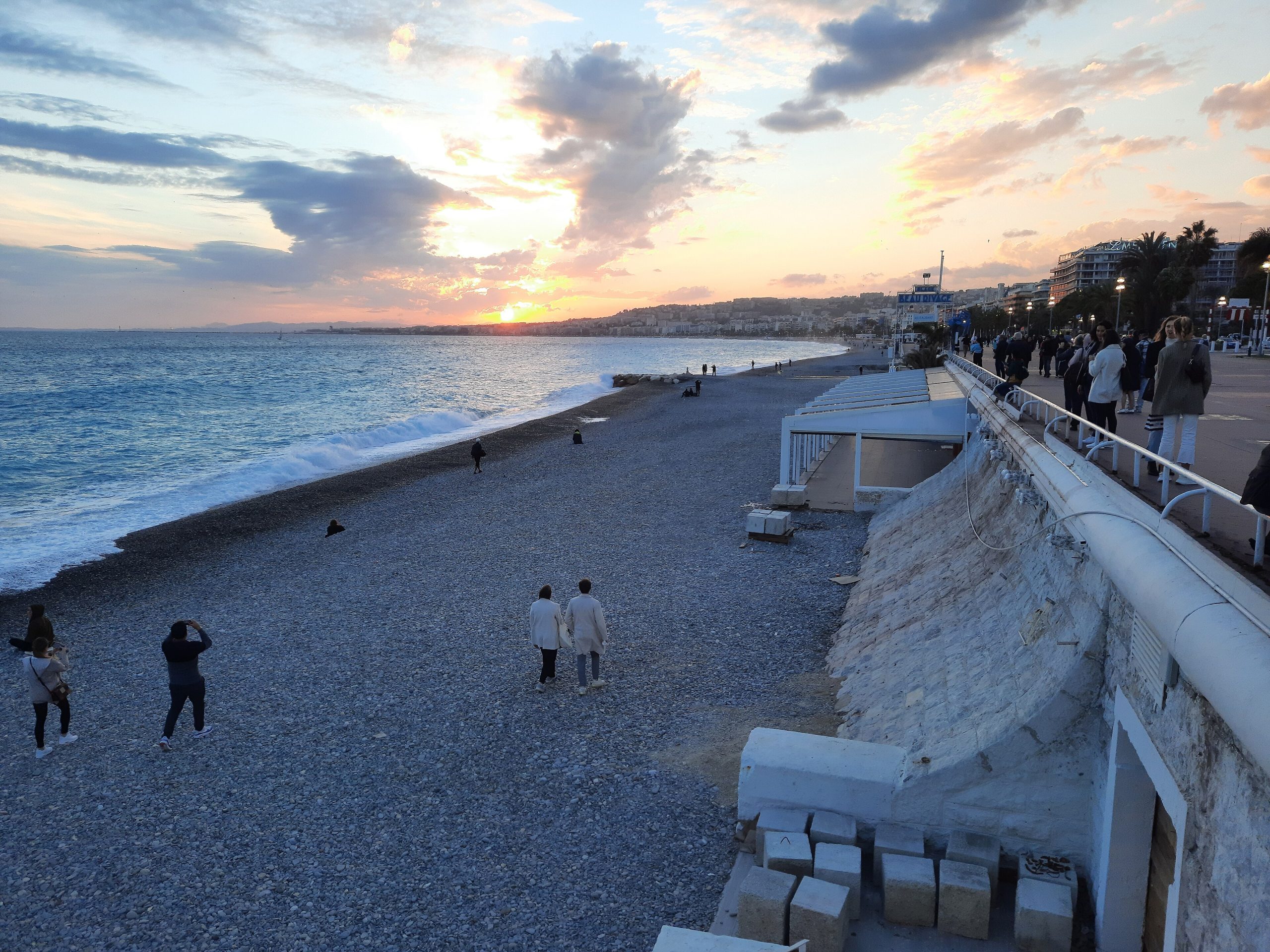
| Nice & the Côte d’Azur | Mediterranean | Glamour and pebble beaches — Nice, Antibes, Cannes; warm July–Sep sea |
| Saint-Tropez & Ramatuelle | Mediterranean | Pampelonne’s sandy beach clubs — the see-and-be-seen coast |
| Corsica | Mediterranean island | Palombaggia and Rondinara — the Caribbean-clear water of France |
| Biarritz & the Basque coast | Atlantic | Surf, elegance and big Atlantic rollers in the southwest |
| The Landes & Arcachon | Atlantic | Endless pine-backed surf beaches and Europe’s tallest dune (Pilat) |
| Brittany & Normandy | Atlantic / Channel | Wild, dramatic coast — cooler water, huge tides, seafood |
Two Coasts, Corsica's Edge, and When to Go: Key Facts
France has two very different beach coasts. The Mediterranean (Côte d’Azur, St-Tropez, Corsica) delivers warm, calm, glamorous swimming July–September; the Atlantic (Biarritz, the Landes, Brittany) brings surf, big tides, cooler water and wilder scenery. Pick the coast to match the holiday you want.
Corsica is the wildcard — its turquoise, white-sand beaches (Palombaggia, Rondinara) rival the Caribbean and outshine the pebbly Riviera for pure swimming. It’s a ferry or short flight from the mainland.
Time it for June or September to get warm Mediterranean water without the packed-out August peak, when the whole of France holidays on the coast. Riviera context in our French vs Italian Riviera guide. Official resource: Explore France.
The Iconic Appeal of the French Mediterranean
The sun-drenched shores of the French Mediterranean captivate the imagination like few other places. It’s a haven for those seeking vibrant culture and breathtaking natural beauty. This region has long been a magnet for travelers.
The Mediterranean coast is famous for its crystal-clear waters and dramatic cliffs. It’s a top choice for experiencing the best of European summer living.
Why the Côte d'Azur Remains the Gold Standard
Luxury travel often conjures images of the famous Côte d’Azur beaches. This coastline has set the standard for high-end tourism for decades. It offers a unique blend of historical charm and modern sophistication.
Visitors come to enjoy world-class dining and stunning views. The Côte d’Azur beaches provide an unmatched backdrop for a memorable vacation. Whether you’re relaxing on a private deck or exploring a bustling harbor, it’s unforgettable.
Navigating Peak Season Costs and Logistics
Traveling in the summer requires careful planning to manage your budget. Prices for accommodation and dining skyrocket between July and August. Booking your stay well in advance is key.
Consider visiting in June or September to enjoy the coast without the crowds. The weather is warm, and your budget will stretch further.
To avoid stress, use local trains instead of rental cars. This strategy makes navigating top seaside destinations easier. It also helps you dodge the frustration of summer traffic.
Top Picks Along the French Riviera
The French Riviera is a treasure trove for every traveler, boasting world-famous shores and secret rocky inlets. This iconic stretch of the Mediterranean coast offers a unique blend of high-end luxury and untouched natural beauty.
Finding the right balance between these two worlds is the key to a successful trip. Whether you crave the energy of a bustling resort or the silence of a secluded bay, you will find it here.
The Glamour of Saint-Tropez
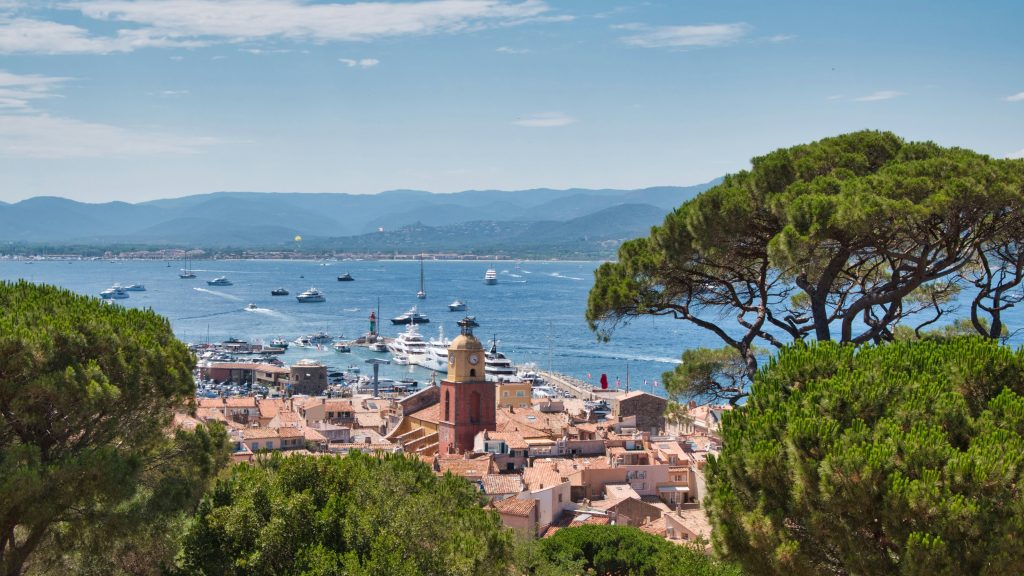
Saint-Tropez remains one of the most famous top seaside destinations in the world. Its reputation for elegance and style draws visitors from every corner of the globe.
To truly enjoy the experience without the stress of peak crowds, arrive early in the morning. Securing your spot on the sand before the midday rush allows you to soak in the atmosphere at your own pace.
You can enjoy the luxury of the area while keeping your budget in check by choosing local markets for lunch. This simple strategy lets you save money while feeling like a part of the vibrant local scene.
Hidden Coves Near Cassis
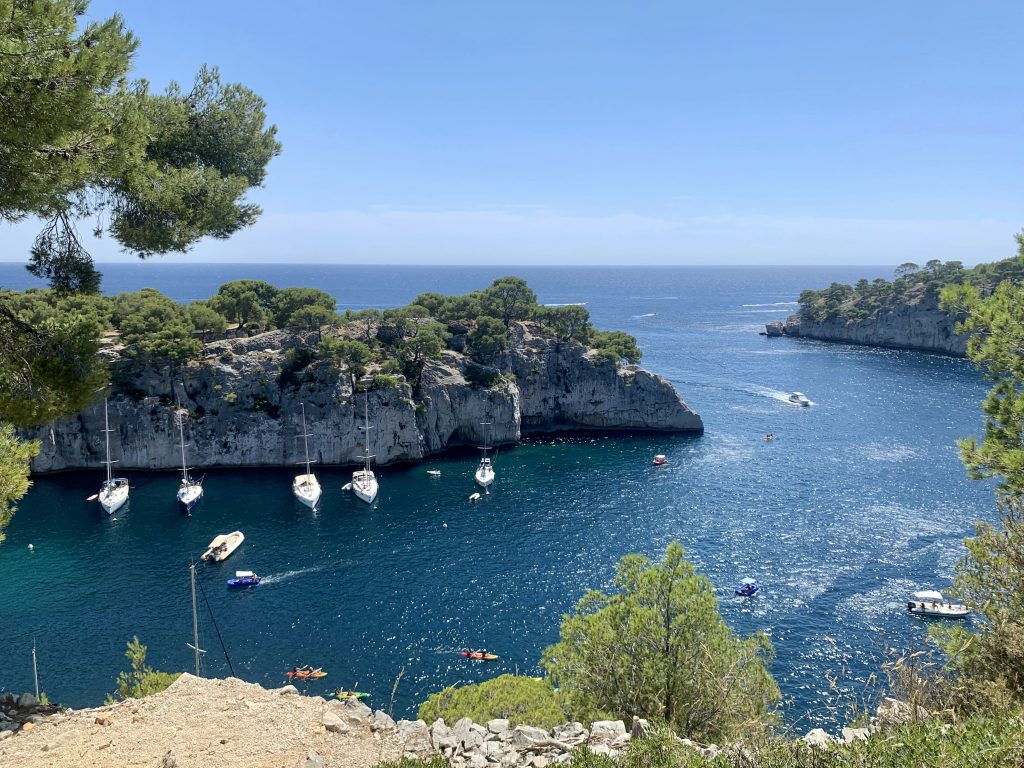
If you prefer a quieter escape, the area near Cassis is perfect for your needs. These hidden spots are tucked away beneath dramatic limestone cliffs that drop straight into the turquoise water.
Reaching these coves often requires a bit of a hike, but the reward is well worth the effort. You will find a sense of peace that is hard to match in the more developed parts of the region.
Always remember to pack plenty of water and snacks, as these natural areas lack commercial facilities. By planning ahead, you can enjoy the raw beauty of the coast while staying comfortable and prepared.
The Wild Beauty of the Atlantic Coastline
If you yearn for vast expanses and unspoiled natural splendor, the atlantic coastline is your ideal getaway. Unlike the protected bays of the south, this area boasts a dramatic scenery shaped by strong tides and endless vistas. It’s a top pick for local families seeking a genuine and laid-back vibe during their summer breaks.
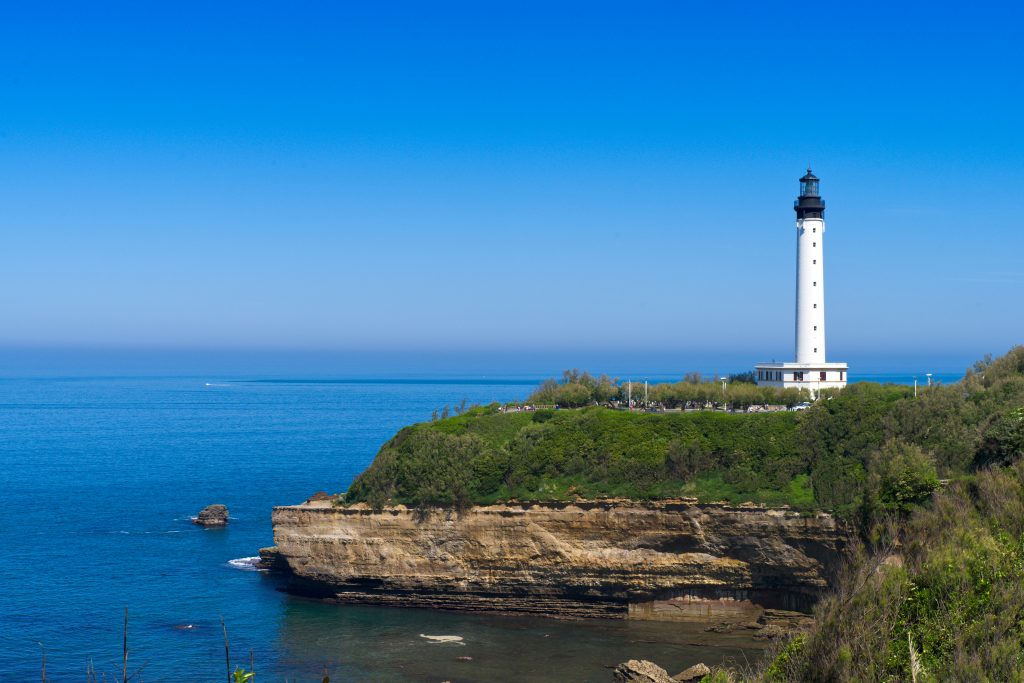
Surfing and Sand Dunes in Aquitaine
The Aquitaine region boasts some of France’s most stunning sandy beaches, stretching for miles. The Dune de Pilat in the Gironde department stands as Europe’s largest sand dune. Climbing to its summit offers spectacular views of pine forests and the vast ocean.
For water sports enthusiasts, the Hossegor area is renowned for its exceptional surfing. The consistent waves draw surfers from around the world, creating a lively outdoor adventure scene. Beginners should book a surf school on a lifeguarded beach, though: Hossegor’s main peaks are heavy, expert-only waves.
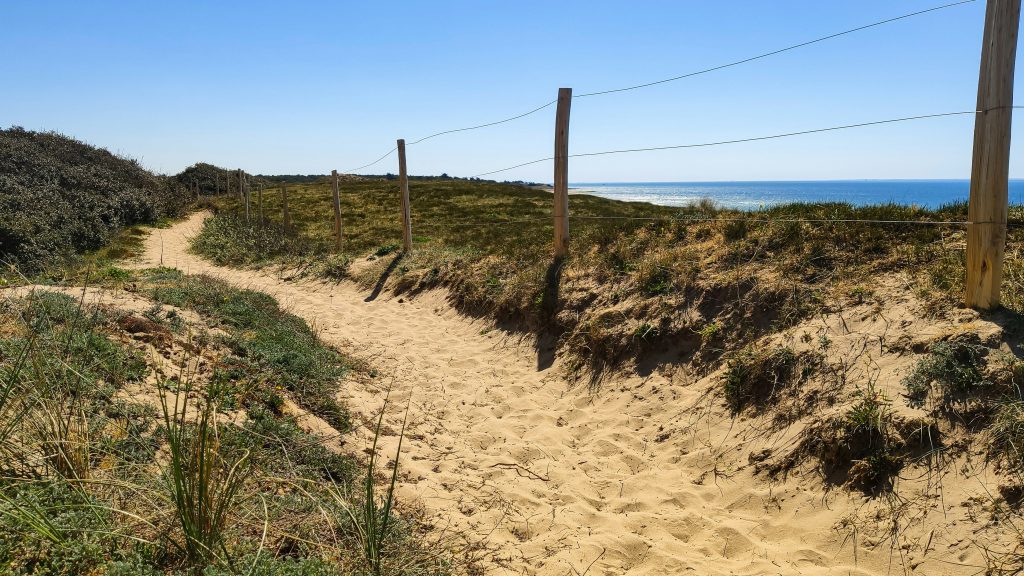
Why the Atlantic Waters Require Caution
The ocean’s beauty must be balanced with caution, as the Atlantic waters are powerful. Strong rip currents are common, so vigilance is key. Always swim in designated areas where lifeguards are on duty for your safety.
Water safety is a priority for local authorities, and you should heed their advice. If you’re not a strong swimmer, opt for shallower waters and monitor tide charts closely. By respecting the ocean’s power, you can have a safe and unforgettable visit to this breathtaking region.
Essential Guide to French Beaches for Families
Traveling with children means prioritizing safety and convenience. France boasts a plethora of coastal spots, but the right choice is key for a stress-free outing. Opt for well-equipped locations to guarantee your family has a fantastic time at the French beaches.
Safety Standards and Lifeguard Presence
In France, most public swimming areas have a professional lifeguard system during summer. You’ll see colorful flags indicating water conditions. A green flag means it’s safe to swim, yellow is caution, and red means no swimming.
Designated swimming zones, marked by buoys or flags, are closely monitored. These areas are the safest for your little ones to enjoy the sandy beaches in France.
Kid-Friendly Amenities and Facilities
The best family destinations offer more than just safety. Look for beaches with public restrooms, outdoor showers, and snack bars nearby. These amenities make your day easier, allowing more time for fun in the sand.
Many sandy beaches in France also have shaded picnic areas and playgrounds near the water. Check local tourism websites to confirm these amenities are available. With the right gear and a plan for breaks, your family’s day will be unforgettable.
Exploring the Rugged Charm of Brittany
Brittany stands out as a stark contrast to the sun-kissed resorts common in France. This western region is characterized by its untamed Atlantic spirit. It boasts jagged cliffs, historic lighthouses, and a rich maritime culture. Those who venture here uncover some of France’s most genuine and captivating beaches.
The Unique Landscape of the Pink Granite Coast
The Pink Granite Coast, or Côte de Granit Rose, is a breathtaking sight. It showcases massive, rounded boulders with a rosy hue that shines at sunset. Nature lovers will find endless inspiration along the coastal paths, surrounded by ancient rock formations.
Hidden coves along the coast offer a rare sense of solitude. These spots are ideal for photography or quiet contemplation. The landscape feels timeless and untouched by modern development.
Water Temperatures and Wetsuit Requirements
The Atlantic waters in Brittany are cooler than the Mediterranean. Even in summer, the ocean remains cool and refreshing. For extended water activities, a wetsuit is recommended for comfort.
Many visitors enjoy surfing or kayaking here, where a wetsuit is vital for safety and warmth. While sandy beaches are abundant, the water temperature is a key consideration. Proper equipment ensures a full appreciation of the Breton coast’s wild beauty without discomfort.
Transportation Tips for Reaching Coastal Destinations
Reaching your dream beach in France should be as relaxing as the vacation itself. Efficient travel planning lets you enjoy more sun and less stress. Whether you prefer trains or the open road, knowing your options is key.
High-Speed Rail Versus Rental Cars
France’s TGV high-speed rail network is ideal for quick travel to major hubs. You can go from Paris to the Mediterranean in hours, avoiding long drives. This is great if you plan to stay in one resort town and use local shuttles.
Renting a car, on the other hand, offers flexibility for exploring hidden villages. Having your own vehicle lets you find secluded spots unreachable by public transport. It’s ideal for those who love spontaneity and want to see more of the countryside.
Navigating Coastal Traffic During Summer
Summer travel in France can be slow, with heavy traffic near resorts. Major routes get crowded during peak weekends in July and August. Leaving early morning or late evening can help you dodge traffic jams.
When heading to the atlantic coastline, expect slower travel on secondary roads. These scenic routes are favorites among vacationers, so patience is essential. Real-time navigation apps can guide you to faster routes, ensuring a smooth arrival at your seaside home.
Budgeting for Your Seaside Escape
Mastering your travel budget is key to unlocking the best experiences along the French coastline. Planning ahead allows you to enjoy quality dining and activities without breaking the bank. A bit of research ensures your trip is both affordable and enjoyable.
Ready to book France?
TripToGo runs 9 guided and independent trips in France, with dates, inclusions and prices on each one.
See France tours →Managing Daily Expenses in Popular Resorts
Visiting popular beach resorts can quickly become expensive if not managed. Many find that buying lunch at local markets saves money for a nice dinner. Also, opting for public beaches with free access can be just as beautiful as private clubs.
Exploring the Charente Maritime region can help stretch your budget. As the second most visited tourist spot in mainland France, it offers attractions for all budgets. Your money goes further here compared to the Mediterranean’s more exclusive areas.
Off-Season Savings and Value Destinations
Traveling during the shoulder season, like late May or September, can lead to lower accommodation rates. You’ll avoid the high prices of July and August, and enjoy fewer crowds. The Atlantic coastline is stunning during these times.
Coastal towns often offer lodging discounts after the summer rush. Choosing quieter times means you can afford better rooms or longer stays for the same price. Embracing the off-season is a smart move for any traveler seeking value in their French seaside adventure.
The Best Beaches in France for Water Sports
France is a paradise for water sports enthusiasts. It offers more than just sunbathing. The best beaches in France are perfect for a variety of thrilling water sports.
Whether you’re an experienced athlete or just starting out, the coastline has it all. It boasts consistent winds and clear waters. Many popular beach resorts have become centers for adventure, where you can learn to surf or dive.
Windsurfing and Kitesurfing Hotspots
The Gironde and Landes share the Côte d’Argent, some 230km of near-unbroken Atlantic sand. The Atlantic coast is the top spot for wind sports.
This long beach is ideal for windsurfing and kitesurfing. The Atlantic winds are strong and steady, allowing for long sessions on the water all summer.
Scuba Diving and Snorkeling Locations
For those who love to dive into the depths, the Mediterranean coast is the place to be. Its waters are calmer and clearer, perfect for underwater adventures.
The French Riviera is a hotspot for snorkeling and diving. It offers guided tours and excursions to vibrant marine life and rocky coves. It’s a memorable experience for those who want to explore the underwater world.
Choosing the right location is key to a great water sports experience. It ensures you make the most of your time in the water.
Coastal Cuisine and Beachside Dining
Your beach vacation in France is a culinary adventure through regional flavors. The local food scene is a major highlight, with dishes influenced by the ocean. Every meal feels like a celebration of the sea.
What to Expect from Local Seafood
Freshness is key when dining by the French coast. In Charente-Maritime, try the famous local oysters, served raw with lemon. These oysters reflect the Atlantic’s unique mineral content.
At Mediterranean ports, look for the daily catch outside bistros. Grilled sea bass or dorade, seasoned with herbs and olive oil, are must-try dishes. They offer a simple yet profound taste of the Mediterranean lifestyle.
Dining Etiquette and Price Points
Exploring a menu in France is straightforward. Opt for the “Menu du Jour” for a fixed-price, multi-course meal. It’s a great way to enjoy quality without breaking the bank.
Dining etiquette in France is relaxed. Don’t rush your meal; servers will wait for your cue. A simple “l’addition, s’il vous plaît” signals you’re ready to pay.
Packing Essentials for a French Beach Trip
Embarking on a beach vacation in France requires a well-thought-out packing list. You aim to be ready for the sun-kissed beaches and the chic coastal towns. Opt for versatile items to travel light yet be prepared for all aspects of your seaside journey.
Sun Protection and Beach Gear
The Mediterranean and Atlantic sun can be intense. High-quality sun protection is a must. Include a broad-spectrum sunscreen, a wide-brimmed hat, and polarized sunglasses to shield your eyes from glare. These are key for a comfortable beach day in France.
For gear, choose lightweight, quick-drying microfiber towels that save space. A compact, foldable beach bag is also handy for carrying essentials. This makes it easy to move between your hotel and the beach, exploring various spots.
Appropriate Attire for Coastal Towns
French coastal culture emphasizes a polished, effortless style. While flip-flops and swimwear are great for the beach, dress up a bit for town outings. Opt for breathable linen shirts, sundresses, or tailored shorts for a versatile look.
Footwear is also important. Sandals are essential, but don’t forget comfortable walking shoes for cobblestone streets or scenic paths. Mixing beachwear with smart-casual pieces ensures you fit in anywhere along the French coast.
Sustainable Tourism on the French Coast
Your choices have a direct impact on the local environment when visiting France’s famous coast. Whether you’re exploring Brittany’s rugged cliffs or relaxing on the iconic côte d’azur beaches, being a conscious traveler is key. Protecting these natural wonders ensures they remain vibrant for future visitors.
Respecting Protected Marine Environments
France’s coastlines have many protected zones to safeguard fragile ecosystems. Always follow marked paths and boardwalks to avoid damaging dune vegetation or disturbing wildlife habitats. By keeping a respectful distance from nesting birds and marine life, you help preserve the balance of these regions.
Following local signage for water activities in protected zones is also vital. Some areas restrict anchoring or motorized sports to protect seagrass meadows and coral reefs. Checking local guidelines before heading out ensures your enjoyment doesn’t harm the environment.
Reducing Your Plastic Footprint
Reducing single-use plastics is a simple way to protect the coast. Bringing a high-quality reusable water bottle is a good start, as many towns offer public fountains with fresh water. Carrying a reusable tote bag for your beach essentials also helps avoid plastic waste.
Joining a local beach clean-up initiative can make a bigger impact. Many coastal communities, including those near popular côte d’azur beaches, host volunteer events to keep the sand clean. Participating in these efforts connects you with the local culture and leaves the destination better than you found it.
Hidden Gems Away from the Tourist Trail
Exploring a serene paradise is simpler than you might imagine, by venturing beyond the most popular seaside spots. The French coast conceals numerous peaceful havens, awaiting your discovery.
Stepping away from the throngs of tourists allows you to immerse yourself in the genuine pulse of local life. These lesser-known locales offer a deeper connection to the sea and the surrounding environment.
Quiet Stretches in the Vendée Region
The Vendée region is ideal for those seeking refuge from the din of well-known beach resorts. It boasts expansive, sandy beaches that seem to extend endlessly under the radiant Atlantic sun.
Days can be spent meandering through quaint seaside towns that have preserved their traditional essence. It’s an ideal setting for unwinding, indulging in a book, or savoring a leisurely stroll along the dunes, free from the hustle of crowded areas.
Secluded Spots in Corsica
For a more rugged and intimate experience, Corsica’s hidden coves offer a private retreat. These secluded spots are often hidden behind rocky cliffs or accessible only via narrow coastal paths.
The crystal-clear waters provide a breathtaking backdrop for swimming and snorkeling in complete tranquility. Exploring these secluded areas empowers you to venture beyond the map and discover your own French coastal paradise.
Navigating Language and Local Customs
Unlocking the magic of the French coast requires learning a few simple customs and phrases. While many in tourist areas speak English, using the local language shows respect and interest in the culture. This small gesture often leads to warmer interactions and a more authentic travel experience.
Basic French Phrases for Travelers
Begin your day by greeting shopkeepers and restaurant staff with a friendly “Bonjour” during the day or “Bonsoir” in the evening. Always remember to add “s’il vous plaît” when asking for something and “merci” when you receive it. These simple words act as a social lubricant in every interaction.
If you need help, asking “Parlez-vous anglais?” is a polite way to check if the person speaks your language. Using these phrases will help you feel more confident as you explore local markets or order a meal at a seaside cafe. Locals truly appreciate visitors who try to bridge the language gap.
Understanding Beach Etiquette
When visiting the beautiful mediterranean coast, it is important to know the difference between public and private beaches. Public beaches are open to everyone, while private sections often belong to hotels or clubs and require a fee for lounge chairs and umbrellas. Always check for signs before setting up your towel to avoid any confusion.
Respecting the personal space of others is a vital part of French beach culture. Keep your music volume low, and note that smoking has been banned on every French beach since July 2025, with a €135 fine for lighting up. By following these simple guidelines, you will feel much more comfortable and welcomed while enjoying the stunning mediterranean coast.
Before you go: turn this guide into a day-by-day plan. Our partner Voyada is a free custom travel itinerary that builds the trip with flights, hotels and a real total cost for your dates — in about a minute.
Build a travel itinerary →Planning a French Beach Trip
France has three very different coasts — choosing the right one is the first decision of any beach trip.
- Pick your coast: the glamorous, pebbly Riviera; the sandy Atlantic surf coast (Biarritz, the Vendée); or turquoise Corsica.
- Time it: the Mediterranean is best June–September; the Atlantic surfs year-round but is warmest in late summer.
- The Calanques near Marseille and Cassis need a hike or boat — check the daily fire-risk closure first, and book the free Sugiton permit.
- Arrive early for parking, and note many Riviera beaches are private clubs.
- Respect Atlantic currents and always heed the beach flags.
The Complete List: 14 of France's Best Beaches
France has three very different coasts — here’s a fuller pick across the Riviera, the Atlantic and Corsica.
- Calanque d’En-Vau (near Cassis) — turquoise water between white limestone cliffs; reached on foot or by boat.
- Plage de Notre-Dame (Île de Porquerolles) — near-tropical, but the island caps summer visitors, so book the ferry well ahead.
- Plage des Marinières (Villefranche-sur-Mer) — calm, shallow turquoise water on the Riviera.
- Plage de l’Escalet (near Saint-Tropez) — some of the clearest water on the Côte d’Azur.
- Plage de Pampelonne (Saint-Tropez) — the famous long golden sweep of beach clubs and sand.
- Biarritz (Basque Coast) — the ‘California of France’: surf culture and Atlantic rollers.
- Biscarrosse & the Landes — vast dune-backed surf beaches south of Bordeaux.
- La Tranche-sur-Mer (Vendée) — 13km of fine sand and shallow water, great for families.
- Plage de l’Espiguette (Camargue) — wild white dunes, protected from development.
- Étretat (Normandy) — dramatic chalk cliffs and arches; note several clifftop paths and the Trou à l’Homme are closed for rockfall risk.
- Plage de Palombaggia (Corsica) — pines, red rocks and Caribbean-clear water.
- Rondinara & Santa Giulia (Corsica) — shell-shaped bays of turquoise shallows.
- Deauville & the Côte Fleurie (Normandy) — elegant boardwalk beaches near Paris.
- Practical notes: the Med is best June–September; many Riviera beaches are private clubs; the Calanques need a hike; and Atlantic surf beaches have strong currents — heed the flags.
Conclusion
France boasts a wide range of seaside experiences, appealing to all types of travelers. Whether you seek the vibrant French Riviera or the serene shores of Brittany, each region offers a unique glimpse into France’s culture and natural beauty.
For a successful trip, start planning early and set clear goals. Research your desired destination now to book the best accommodations before the summer rush. Early booking allows you to fully immerse yourself in the coastal sights and sounds.
Your dream French beach getaway is within reach. Get ready to embrace the laid-back lifestyle known as la douceur de vivre. Begin planning your coastal adventure today to make your dreams a reality.
FAQ
Which region offers the best beaches in France for a first-time visitor?
Is it expensive to plan a beach vacation in France along the Riviera?
Are the sandy beaches in France on the Atlantic coast safe for swimming?
Do I need to pack a wetsuit for a trip to Brittany?
What are the top seaside destinations for water sports like windsurfing and kitesurfing?
What is the best way to travel between different French beaches?
Are there many hidden gems away from the main tourist trail?
What should I know about dining etiquette at a French beach resort?

Olivia Carter
When are French beaches lifeguarded, and where am I actually supervised?
Only in season, only during set hours, and only between the marked flags. Most communes staff their posts from around late June to early September, with the widest cover in July and August and typically from late morning to early evening; smaller resorts run a shorter season or none at all. The supervised zone is the stretch between the two poles marked as the swimming limit, and the SNSM lifeguards who patrol it are clear that this is the only water they are watching. Outside those dates, hours and markers you are swimming unsupervised, however busy the sand looks. Check the season’s dates with the local tourist office before relying on them.
What is a baine, and why is the southwest coast so dangerous?
A baine is a shallow basin that forms between sandbanks along the Landes, Gironde and Aquitaine beaches. It looks calm and inviting, which is the danger: as the tide drops, the trapped water escapes seaward through a narrow gap as a fast current that pulls swimmers out of their depth in seconds. People drown on this coast most summers, and the French authorities and the SNSM issue heightened vigilance warnings when conditions are bad. Swim only in the supervised zone, ask the lifeguards about the day’s conditions, and keep weak swimmers and children out of water above the waist. If you are caught, float, raise an arm and let the current ease.
Are French beaches free, or do I have to pay?
The shore itself is public. French law treats the foreshore as public domain with a right of free access, so you can always walk it and swim from it without paying. What you see charged for on the Riviera are concessions: an operator leases a limited portion of the sand and sells you a lounger, a parasol and table service, often with a restaurant attached. That leaves free public sections on the same beach, usually either side of the clubs, where you spread your own towel. Look for the signs marking a concession before you settle, arrive early in July and August, and budget separately for parking, which is often the real cost.
When is the sea actually warm enough to swim?
It depends which coast. The Mediterranean turns comfortable for most people from around June and holds its warmth into September, which is part of why early autumn is such good value: the water is at its best just as the crowds thin. The Atlantic lags behind and never reaches the same temperatures, warming late and peaking towards the end of summer, while Brittany and the Channel coast stay bracing even in August. If you plan long swims, surf sessions or anything north of Biarritz, assume you will want a wetsuit rather than hoping for a warm week.
Can I take a dog to the beach in France?
Often not in summer. There is no national rule; each commune sets its own, and the great majority ban dogs from supervised beaches through the main season, broadly from early June to the end of September, with fines for ignoring the signs. Outside those dates dogs are usually welcome. Where a ban applies, some towns allow them early in the morning or after the lifeguards finish, and others set aside a specific stretch of sand. Check the town hall or tourist office website for the exact beach before you travel, look for the pictogram signs at the access path, and keep to a lead where dogs are permitted.
How much do the tides matter on the Atlantic and Channel coasts?
Far more than most visitors expect. The bay around Mont-Saint-Michel has some of the largest tidal ranges in Europe, and across Brittany and Normandy the sea retreats a long way and returns fast over flat sand. People get cut off on sandbanks, below cliffs and on rocky headlands every year, and the bay itself has quicksand, which is why the authorities say to cross it only with a guide. Look up the day’s tide times before walking out, note the tidal coefficient on big days, and leave a wide margin. Rockfall closures also affect some clifftop paths in Normandy, so respect the barriers.
Which beaches are realistically reachable from Paris?
The Normandy coast is the practical answer. Direct trains reach the elegant boardwalk resorts of the Cote Fleurie, and the chalk cliffs further north, in a couple of hours, which makes a long weekend or even a day by the sea workable without a car. Expect cool water, big skies and a short season rather than Mediterranean warmth, and pack a windproof layer whatever the forecast says. Reaching the Riviera or the Atlantic surf coast means a high-speed train of several hours or a flight, so those suit a week rather than a weekend. Book coastal trains early for summer weekends.