Table of Contents
ToggleDid you know that over two million visitors flock to the Land of Fire and Ice annually? Yet, many travelers miss hidden gems due to poor scheduling. Navigating this rugged terrain requires clear strategy. The island offers diverse landscapes, from glaciers to volcanic fields.
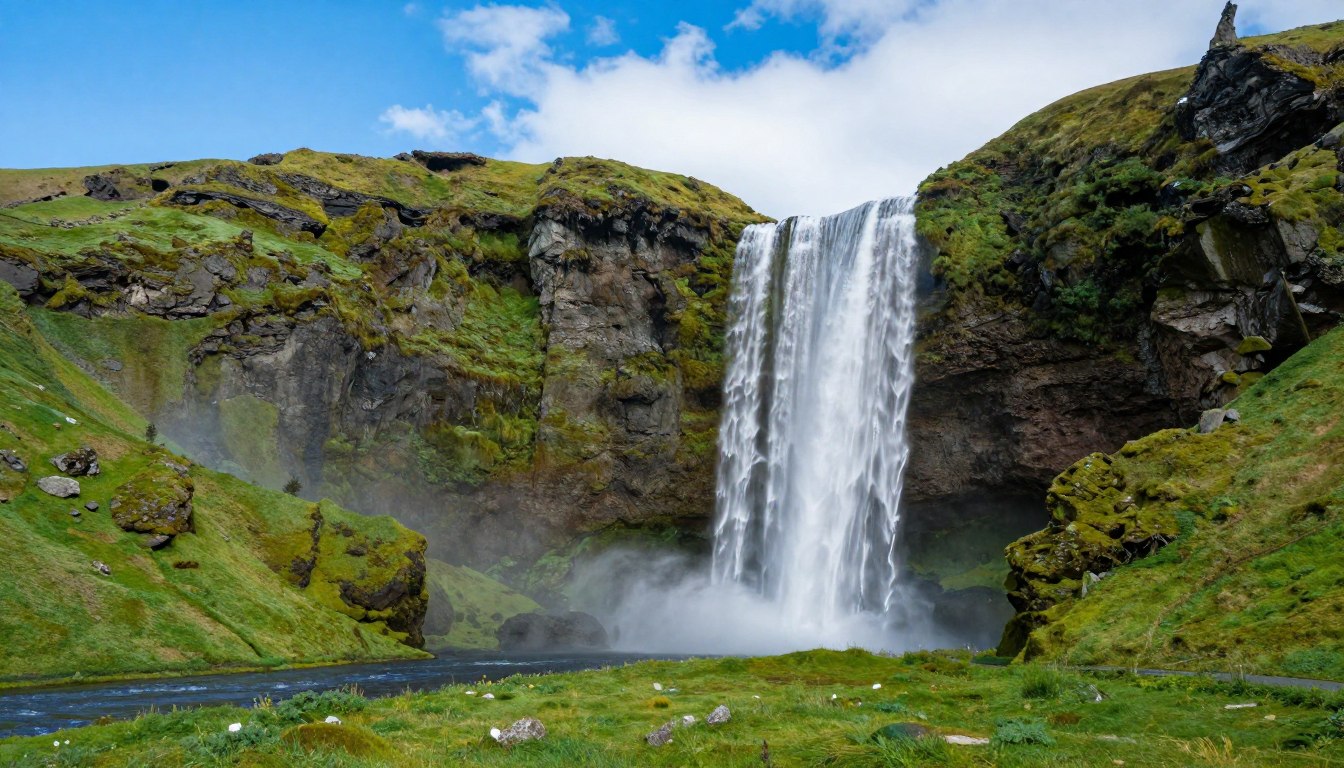
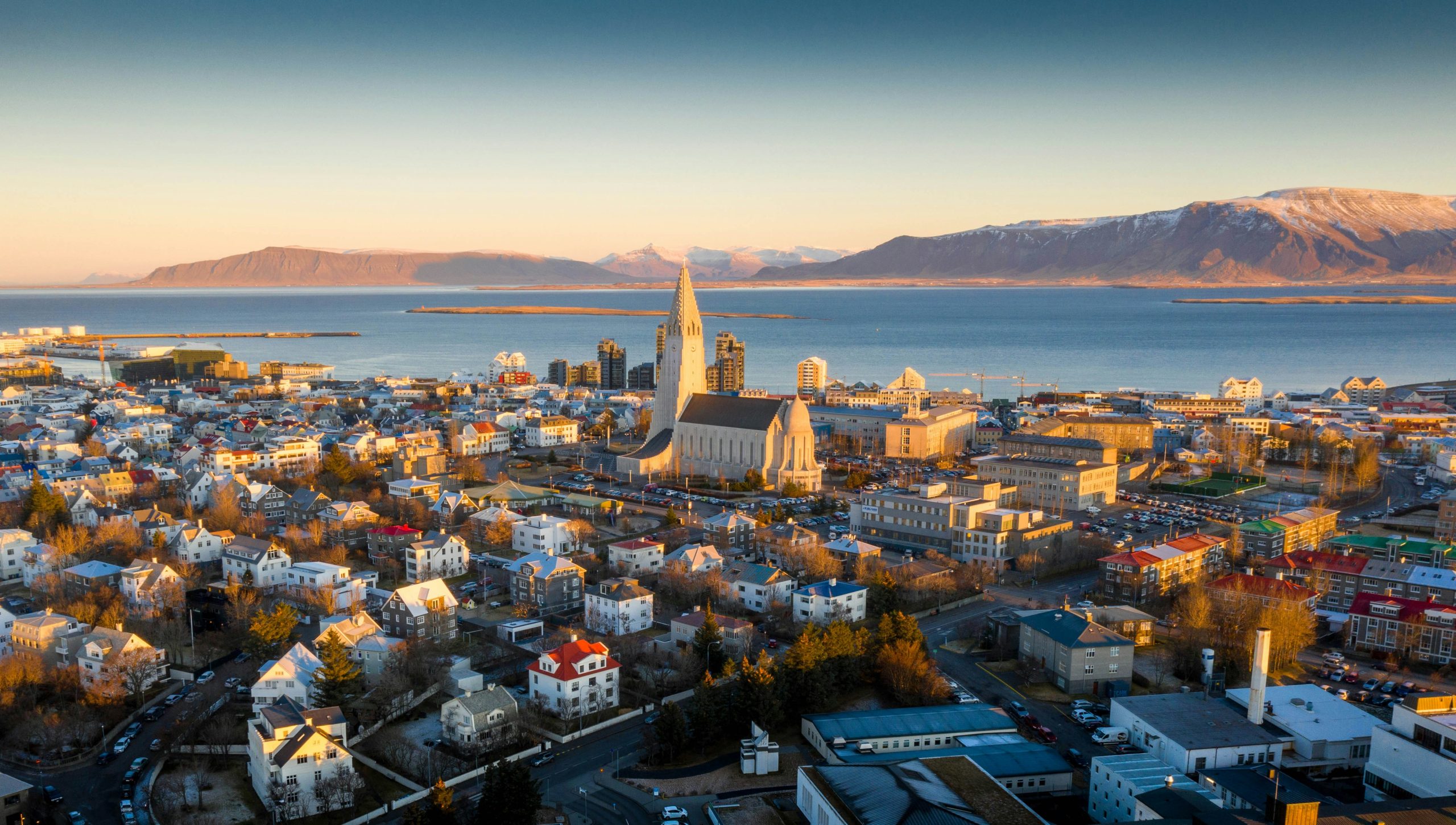
Effective iceland vacation planning ensures you see the best sights without feeling rushed. If you only have twenty-four hours, prioritize the Golden Circle and a soak in the Blue Lagoon. This maximizes your limited time. Adding a second day allows you to explore the stunning South Coast. While three days provide enough space to enjoy the vibrant culture of Reykjavík.
This guide provides the essential wisdom you need to navigate the logistics of your journey with confidence. We focus on empowering you to create an authentic experience. This is while respecting the fragile environment of this unique destination.
Key Takeaways
- Prioritize the Golden Circle and Blue Lagoon for short stays.
- Allocate two days to witness the beauty of the South Coast.
- Dedicate three days if you wish to explore Reykjavík thoroughly.
- Respect the local environment to preserve natural wonders.
- Use a structured strategy to manage diverse volcanic landscapes.
How to Plan a Trip to Iceland at a Glance
The four decisions that shape any Iceland trip — then the full planning guide below.
| Decision | Options | Guidance |
|---|---|---|
| When to go | Summer vs winter | Jun–Aug: midnight sun, all roads open, puffins. Nov–Mar: Northern Lights, ice caves, fewer hours |
| How long | 5–10 days | 3–4 days for the south & Golden Circle; 7–10 to ring-road the island |
| The route | Golden Circle or Ring Road | Golden Circle + South Coast for a short trip; Route 1 loop for a full circuit |
| Getting around | Rent a car | A 2WD suits the Ring Road in summer; a 4x4 is needed for F-roads & winter |
| Budget | High | Iceland is expensive — self-cater, book early, limit paid tours |
✈️ TripToGo Travel Deals
Get notified about great travel deals
Hand-picked flight, hotel and destination deals, straight to your inbox. No spam, unsubscribe anytime.
🎉 Thank you for subscribing!
You’re all set — the best travel deals are on their way.
When, How Long, What Route, and the Car: Key Facts
Planning Iceland comes down to four decisions: when, how long, what route, and how you’ll drive it. Summer (Jun–Aug) brings the midnight sun, open highland roads and puffins; winter (Nov–Mar) brings the Northern Lights and ice caves but short days and tougher driving.
Match the route to your time. With 3–4 days, do the Golden Circle and South Coast (waterfalls, black-sand beaches, glaciers) from Reykjavík; with 7–10 days, drive the full Ring Road (Route 1) around the island. See our best time to visit Iceland guide for month-by-month detail.
Rent a car — and mind the conditions. A 2WD handles the Ring Road in summer, but the interior F-roads and winter driving demand a 4×4. Iceland is expensive, so self-cater and book accommodation early. Always check road and weather conditions on road.is and safetravel.is.
Determining the Best Time for Your Visit
Whether you’re drawn to the midnight sun or the aurora’s magical glow, timing is key for an Icelandic adventure. The best time to visit Iceland hinges on whether you seek endless daylight for exploration or the winter sky’s enchantment.
Understanding seasonal changes allows you to craft an itinerary that suits your travel preferences. These essential iceland travel tips will guide you through the island’s unique rhythm.
Seasonal Weather Patterns and Daylight Hours
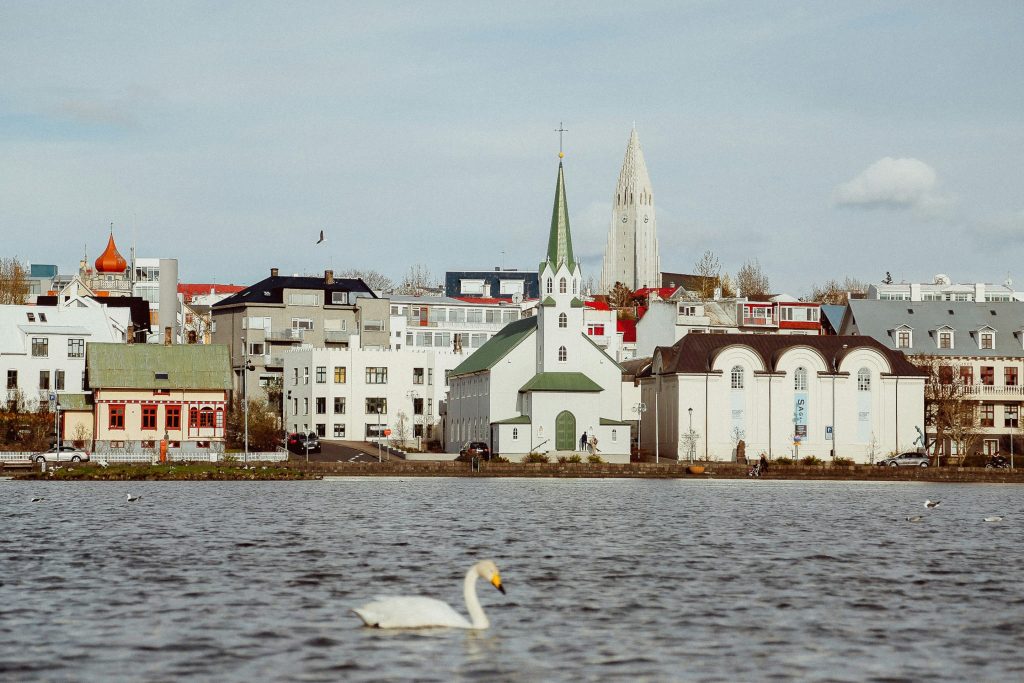
Summer, from June to August, is the peak travel season. It offers the warmest weather, with Reykjavík temperatures ranging from 9ºC to 14ºC (48ºF to 57ºF).
Enjoy 18 to 21 hours of light, ideal for hiking and driving the Ring Road. Summer’s highlight is the extended daylight.
Balancing Peak Season Crowds Against Off-Season Savings
For a quieter, more budget-friendly experience, consider the shoulder or off-season. Winter, from November to March, is the quietest and most affordable time to explore.
While fewer crowds await, prepare for shorter days and potentially rough road conditions. Finding the right balance between solitude and accessible travel routes is critical.
Optimal Windows for Viewing the Northern Lights
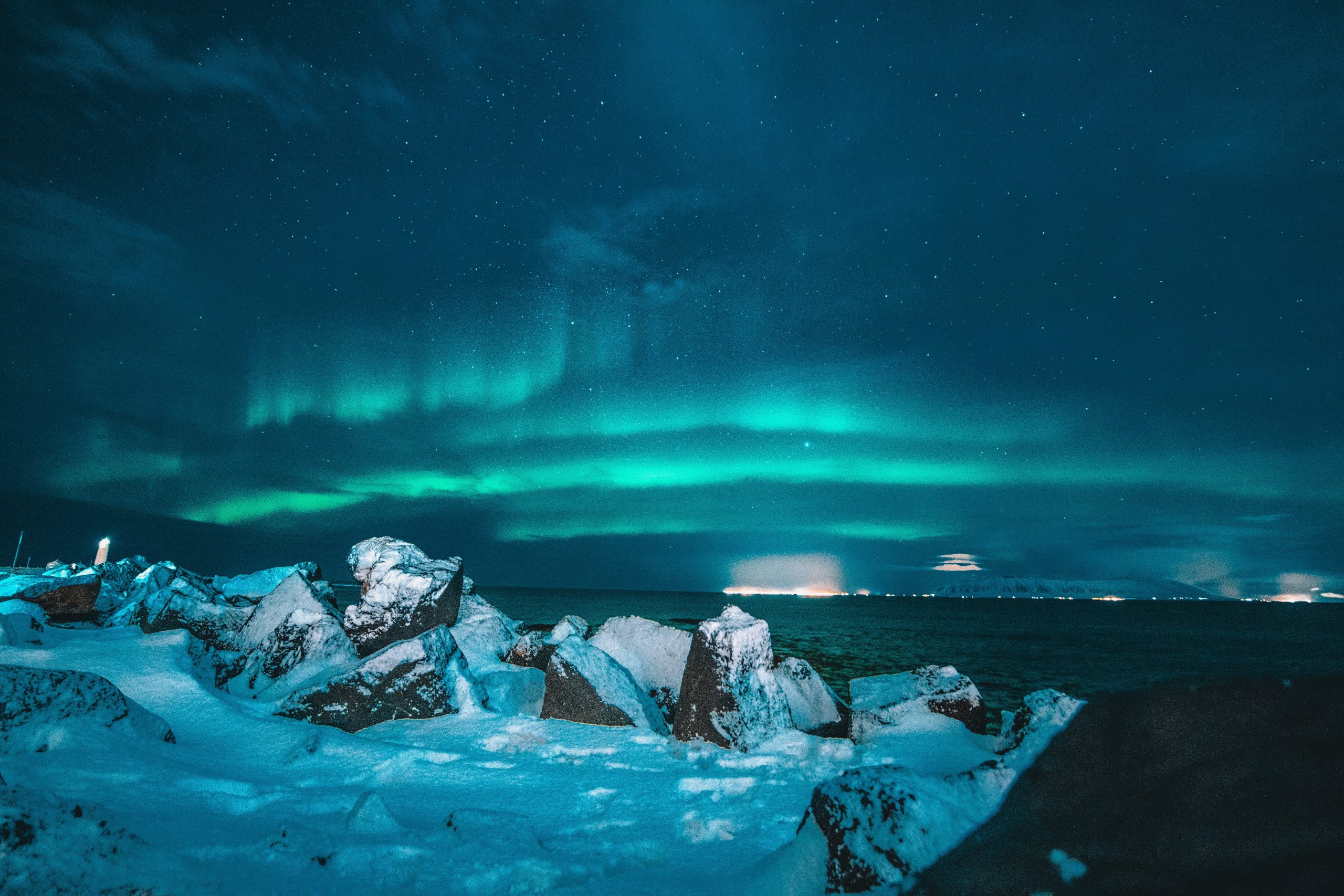
Many aim to see the Northern Lights. Visit between November and March for your best chance to witness the aurora borealis.
These months ensure the necessary darkness for optimal viewing. Remember, flexibility is key, as weather can rapidly change, affecting your Northern Lights viewing.
Planning this trip?
Our partner Voyada’s trip planner AI builds a day-by-day plan with flights, hotels and a real total cost for your dates — in about a minute, free.
Help me plan a trip →Establishing Your Travel Budget
Mastering your budget is key to enjoying Iceland’s wonders without financial stress. Given its premium status, careful planning is essential. It allows you to focus on the experience, not your wallet. Successful budget travel in Iceland demands a proactive approach to managing your daily expenses.
Estimating Daily Costs for Food and Lodging
Dining out in Iceland can quickly drain your funds, with main courses often over $40. To save, consider self-catering at local stores like Bónus or Krónan. This approach lets you spend more on unique excursions and memorable experiences.
Managing Transportation Expenses and Fuel Prices
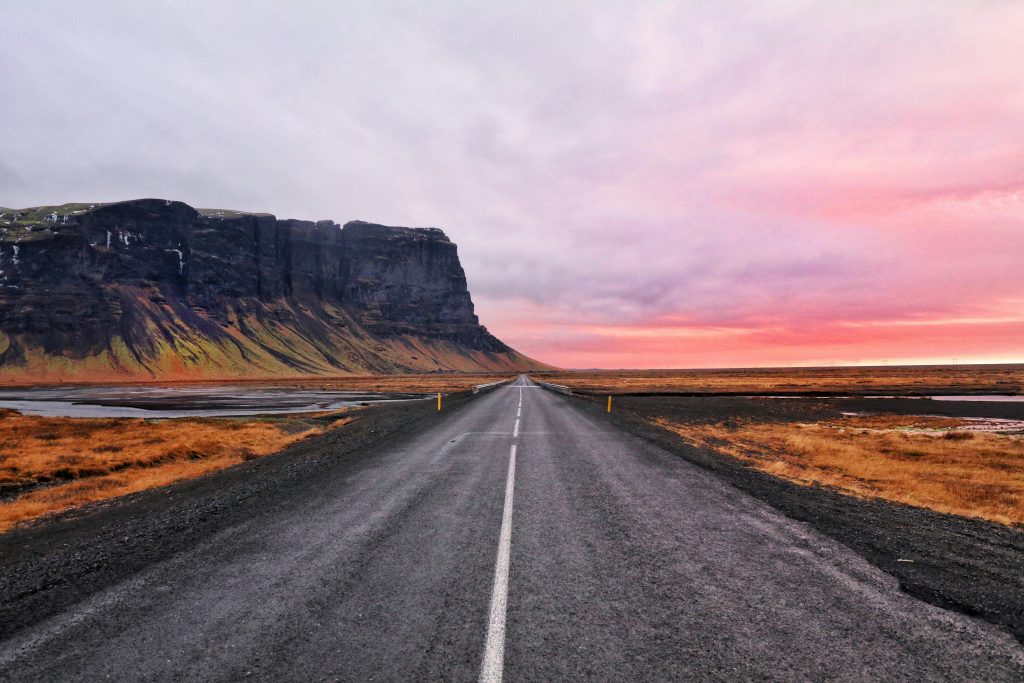
Driving the famous Ring Road requires accounting for specific costs. For example, the Ring Road carries no general road tax, though two stretches are tolled: the Vaðlaheiði tunnel in the north (about 2,216 ISK, roughly $16, for a car one way) and a section near Höfn in the south-east, tolled since 1 September 2026 at about 1,500 ISK, or roughly $11. Both are paid online by number plate, with no booths and no cash. Keep an eye on fuel prices, as they can be higher than in the United States.
Hidden Costs to Anticipate in Remote Regions
Set aside money for parking fees at popular sites, around 1,000 ISK or $8 per visit. Travelers often overlook small expenses that add up on long trips. Also, have a fuel budget for remote areas where stations are few.
Planning a Trip to Iceland: Route Strategy
When you start planning a trip to Iceland, your itinerary will define your entire experience. Your route strategy should be dictated by the number of days you have available to explore the island. A well-thought-out plan ensures you see the sights without feeling rushed or overwhelmed. Our guide to AI trip planning shows how to draft a route and adjust dates, destinations and pace in real time.
Choosing Between the Ring Road and Regional Exploration
The famous Ring Road covers 1332km (828 miles) and circles the entire country. While this route is a dream for many, it requires at least 10 days to truly enjoy the stunning scenery. If you have less time, consider focusing on the Golden Circle and the South Coast, which can be comfortably explored in about 5 days.
Calculating Realistic Daily Driving Distances
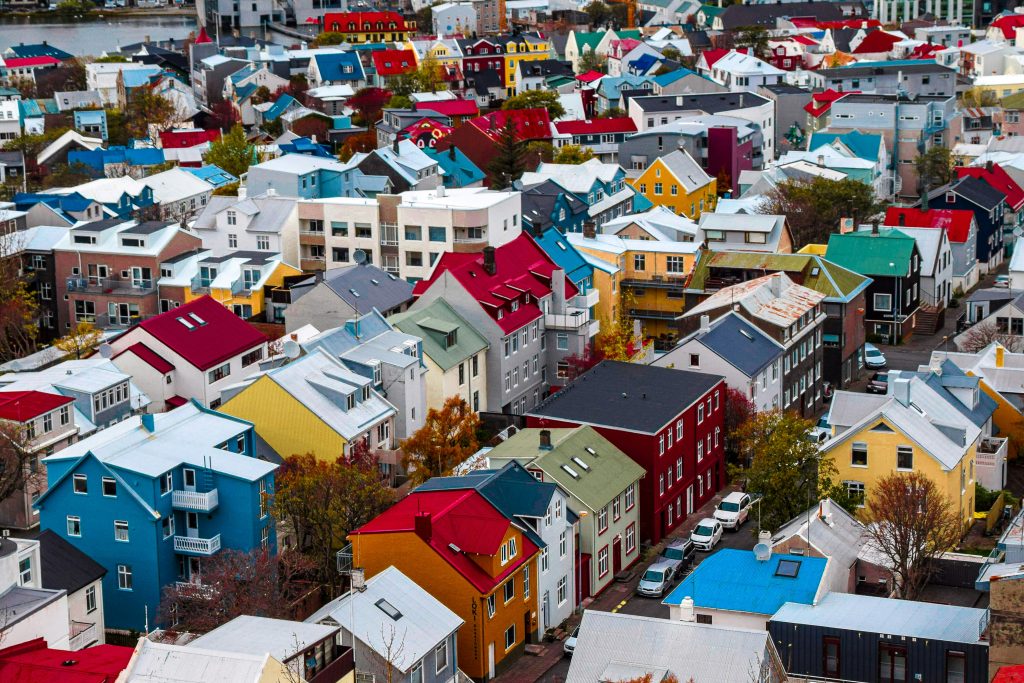
It is easy to underestimate how long it takes to drive between locations in Iceland. You might see a short distance on a map, but winding roads and narrow bridges often slow you down. Aim for a pace that allows you to stop frequently for photos and short hikes.
Try to limit your daily driving to a few hours so you can actually experience the destinations. Overloading your schedule with too much time behind the wheel will leave you exhausted. Focus on quality stops, not just checking off as many miles as possible.
Accounting for Weather-Related Travel Delays
Icelandic weather conditions can shift rapidly and impact your ability to reach your next destination safely. High winds, sudden fog, or heavy rain can turn a simple drive into a challenging ordeal. Always build in buffer time to your schedule to handle these unexpected changes.
When planning a trip to Iceland, always keep safety in mind. Check local road reports every morning before you head out. If the weather turns sour, do not hesitate to adjust your plans and stay put until conditions improve.
Selecting Your Mode of Transportation
Embarking on an Icelandic adventure begins with choosing the right vehicle. Renting a car offers unmatched flexibility, but you must assess your comfort with local conditions. Some travelers opt for the convenience of professional services, while others prefer the freedom of self-driving.
Benefits of Renting a Four-Wheel Drive Vehicle
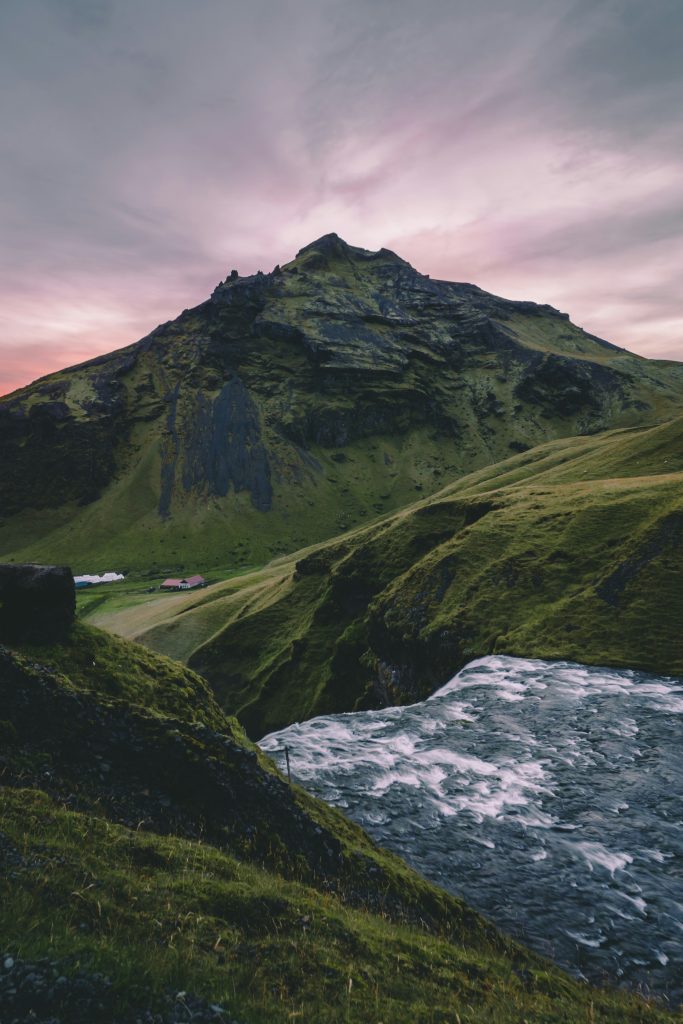
Renting a car is ideal for exploring Iceland’s hidden treasures at your own pace. For those venturing onto gravel roads or the rugged Westfjords, a four-wheel drive is essential. These vehicles provide the necessary grip and height to navigate Iceland’s unpredictable, often unpaved landscapes.
Navigating Public Transit and Bus Tours
For those hesitant to drive, winter months in Iceland pose no problem. Staying in Reykjavík and taking professional bus tours is a secure, dependable option. These tours offer a chance to relax and enjoy the views without the worry of navigating harsh weather or unfamiliar roads.
Safety Considerations for Driving on Icelandic Roads
Driving in Iceland demands a focus on safety. Always keep your headlights on, regardless of the time or weather. Be cautious of sheep crossing roads in rural areas, as they may suddenly appear on the pavement.
Respect local speed limits for a safe journey. Urban areas have a limit of 50 km/h, while gravel roads are 80 km/h, and paved highways are 90 km/h. Adhering to these limits ensures a pleasant trip and safety for both drivers and wildlife.
Securing Accommodations Across the Island
The place where you rest your head can greatly impact your experience in Iceland. The country offers a wide range of options, from luxury hotels to remote campsites. Each choice caters to different travel preferences.
Comparing Hotels, Guesthouses, and Hostels
Hotels in Iceland boast premium amenities, ideal for those seeking a full-service experience. On the other hand, guesthouses offer a more authentic, local vibe that many find appealing.
Guesthouses often provide shared kitchen access, helping you manage food costs. For those on a tight budget, hostels are a great option. They allow you to meet other travelers while keeping expenses low.
The Practicality of Booking Campsites
Renting a campervan? You’ll find many campsites across the island. These sites offer essential facilities like showers and electricity, making them practical for road trippers.
Remember, wild camping is strictly regulated and often prohibited. Staying at official campsites ensures a safe place to park and protects the environment.
Booking Timelines for High-Demand Locations
Iceland’s popularity has skyrocketed, making early planning a must. During the high summer season, booking your lodging months in advance is necessary. This ensures availability in sought-after areas.
Places near the Golden Circle or the South Coast book up quickly. Waiting until the last minute can leave you driving long distances for a room.
Essential Packing List for Variable Climates
Creating the perfect packing list for Iceland is key to enjoying your adventure, no matter the weather. The weather can change quickly, so you must be prepared for sunshine, rain, and wind in the same day. A well-thought-out packing strategy means more time exploring and less time worrying about the weather.
Layering Strategies for Rapid Weather Changes
A robust layering strategy is essential for comfort. Begin with a moisture-wicking base layer, such as merino wool, to keep your skin dry and warm. Next, add an insulating mid-layer, like a fleece or a lightweight down jacket, to retain body heat.
Always carry a high-quality waterproof and windproof outer shell. This is vital for protecting against the harsh Arctic winds and sudden rain showers. By layering, you can adjust your temperature as you move between different environments.
Footwear Requirements for Hiking and Sightseeing
Your footwear choice is as critical as your clothing layers. Regardless of the season, sturdy, waterproof hiking boots are necessary for the rugged terrain. These boots offer the support and traction needed for navigating slippery paths and icy surfaces.
Ensure your boots are broken in before arriving to avoid blisters during long walks. Comfortable, moisture-wicking wool socks will also keep your feet dry and happy. Proper footwear is essential for safely reaching hidden waterfalls and remote viewpoints.
Must-Have Gear for Outdoor Photography and Exploration
If you aim to capture the stunning landscapes, your packing list for iceland must include specialized equipment. A tripod is essential for long-exposure shots in low-light conditions, such as when photographing the Northern Lights. Without a stable base, your night images will likely appear blurry.
Remember to bring extra batteries, as cold temperatures can drain power faster than usual. Keep your camera gear in a weather-resistant bag to protect it from unexpected moisture. With the right tools, you’ll be ready to document every breathtaking moment of your trip.
Navigating Icelandic Food and Dining
Traveling to Iceland on a budget requires mastering the art of dining. The local food scene is vibrant but pricey. With proper planning, you can enjoy your trip without breaking the bank on meals.
Grocery Shopping Strategies to Save Money
Visiting local supermarkets is key to managing expenses. Bónus and Krónan are top choices for affordable groceries. They offer a wide range of essentials, aiding in a successful budget travel iceland strategy.
Preparing your own breakfast or packing lunches can save a lot. This habit is more cost-effective than dining out three times a day. Opt for store-brand items to further reduce your grocery bill.
Understanding Local Dining Etiquette and Costs
When eating out, remember service charges are included in the menu price. Tipping is not expected, making payments simpler. Enjoy your meal without extra calculations.
The tap water in Iceland is of high quality, safe, and free. Use a reusable bottle to stay hydrated and support your budget travel iceland goals. For an alcoholic drink, buy it at the airport Duty-Free shop to avoid high prices at state-run stores.
Unique Culinary Experiences Worth Trying
Even on a budget, trying local flavors is essential. The Icelandic hot dog is a tasty and affordable street food. Arctic char and traditional rye bread baked in the ground are also worth a try.
These experiences offer a genuine taste of Icelandic culture without the cost of a formal dinner. A mix of home-cooked meals and occasional local snacks is ideal. Enjoy your culinary journey through this beautiful country.
Must-See Natural Attractions and Landmarks
Iceland is a treasure trove of natural wonders, from geysers to frozen lagoons. Whether you’re new to the island or a seasoned traveler, there’s much to discover. The sheer variety of landscapes will leave you in awe.
When planning your trip, focus on the most iconic spots. These attractions are not only accessible but also essential for a well-rounded experience. They showcase the essence of Iceland.
Exploring the Golden Circle Highlights
The Golden Circle is a must-visit for any traveler. It includes Þingvellir National Park, where you can walk between tectonic plates. This is a unique experience.
Next, visit the Geysir geothermal area to see the Strokkur geyser erupt. It’s a sight to behold. Lastly, Gullfoss waterfall is a testament to the power of glacial water.
Coastal Wonders and Black Sand Beaches
The South Coast boasts Reynisfjara black sand beach. Its basalt columns and sea stacks resemble another world. It’s a breathtaking sight.
Remember, the ocean here can be treacherous. Rogue waves are common. Always keep a safe distance from the water.
Glacier Hiking and Ice Cave Excursions
Jökulsárlón glacier lagoon is a must-see for photography enthusiasts. It’s a place where icebergs float towards the sea. It’s unforgettable.
For a closer look at the ice, consider a glacier hike or ice cave tour. Always go with a certified guide. Their expertise is vital for safety on the ice.
Managing Connectivity and Communication
Exploring Iceland’s rugged landscapes doesn’t mean you’re cut off from the world. Even in remote cabins, Wi-Fi is often surprisingly reliable. This lets you share your adventures or catch up on emails after a day of sightseeing.
Mobile Data Options and Local SIM Cards
For constant internet access, consider an e-SIM before you arrive. This digital solution connects you to the internet as soon as you land. It saves you from the hassle of finding a physical store for a local SIM card.
Iceland’s major mobile providers offer great coverage along the main ring road and in populated areas. Their mobile apps help you manage your data. A dedicated data plan means you can always check restaurant reviews or weather updates on the move.
Offline Navigation Tools for Remote Areas
While cellular service is strong, dead zones can occur in deep valleys or high passes. Downloading offline maps to your phone is wise. This ensures you can navigate, even without a signal.
Many navigation apps let you save areas for offline use. Regularly update these maps to stay current with road changes. With these tools, exploring Iceland’s most remote spots becomes a breeze.
Health, Safety, and Emergency Preparedness
Iceland’s stunning landscapes require respect and careful planning. Safety should be your utmost concern when exploring its rugged terrains. These essential iceland travel tips will equip you with the knowledge to navigate the island confidently and with peace of mind.
Understanding Local Emergency Services
In emergencies, dial 112 for police, fire, and ambulance services nationwide. Downloading the 112 Iceland app before arrival is advisable. It enables you to send your GPS coordinates to emergency responders if needed.
Carry a basic first-aid kit, essential for hiking in remote areas. Being self-sufficient is key for a smart traveler. Ensure your phone is fully charged and consider a portable power bank for extended excursions.
Monitoring Weather Alerts and Road Conditions
Iceland’s weather can change rapidly. Always check the Vedur website or app for the latest forecasts before driving. These updates are critical for avoiding hazardous conditions that could spoil your plans.
Use Umferdin to stay updated on road closures and conditions. Many roads are gravel or dirt, requiring specific vehicles. Also, be aware of local parking fees at popular spots, supporting the infrastructure you use.
Respecting Fragile Ecosystems and Wildlife
Iceland’s volcanic landscapes are fragile and take decades to recover from human impact. Stay on marked paths and trails to protect the moss and vegetation. Off-trail walking can cause lasting damage to the environment.
When encountering wildlife, maintain a respectful distance and never feed them. By adhering to these simple iceland travel tips, you help preserve the island’s natural beauty for future visitors. Enjoy your journey, leaving only footprints behind.
Cultural Etiquette and Local Customs
Traveling through Iceland is more than just sightseeing; it’s about embracing the local way of life. Understanding the social norms of this island nation will help you connect more deeply with the people you meet. By following a few simple guidelines, you can ensure your visit is both respectful and rewarding.
Swimming Pool Culture and Hygiene Rules
Geothermal swimming pools are the heart of Icelandic social life. Locals visit these spots daily to relax and catch up with friends. Strict hygiene rules are in place to keep these shared spaces clean.
You must shower thoroughly without a swimsuit before entering any public pool or hot spring. This practice is essential for maintaining high water quality for everyone. Please pay close attention to the signs in the locker rooms, as they clearly explain the process.
Interacting Respectfully with Local Communities
When you start chatting with the people you meet, you might notice a relaxed and friendly atmosphere. Icelanders are generally very approachable and happy to share stories about their home. Communication is often quite informal and direct.
One important thing to remember is that Icelanders use first names for almost everyone. Titles are not part of their cultural naming conventions, so do not be surprised if you are addressed by your first name immediately. This creates a sense of equality and warmth that makes every interaction feel genuine.
Always remember to be mindful of private property and the fragile environment when exploring smaller towns. A little bit of politeness goes a long way in maintaining the welcoming spirit of the country. By respecting these local customs, you will surely have a more meaningful travel experience.
Optimizing Your Itinerary for Efficiency
Creating an efficient route is key to maximizing your experience with minimal driving. When searching for the best iceland itinerary ideas, consider how each stop relates to others on the map. A well-planned itinerary reduces stress and enhances your enjoyment.
Grouping Attractions by Geographic Proximity
Grouping your daily activities by location is a smart strategy. It minimizes driving and prevents backtracking on long roads. By focusing on sights in one area, you save time and enjoy more exploration.
Allowing Buffer Time for Spontaneous Discoveries
While it’s tempting to fill every hour with activities, leaving buffer time is vital. It allows for those unexpected moments that make your trip unforgettable. You might stumble upon a hidden waterfall or a quiet lava field not on your list. These moments often become the trip’s highlights.
If you’re ahead of schedule, use the extra time to explore off the beaten path. Adding flexibility to your iceland itinerary ideas ensures you never feel rushed. Remember, the best travel experiences often come from embracing the unexpected.
Before you go: turn this guide into a day-by-day plan. Our partner Voyada is a free tour planner online that builds the trip with flights, hotels and a real total cost for your dates — in about a minute.
Create itinerary for trip →Planning Iceland: The Practical Calls
An Iceland trip comes down to a handful of decisions — get these right and the rest falls into place.
- Pick the season first: summer for open roads and the midnight sun, winter for the Northern Lights and ice caves.
- Rent the right car: a 2WD handles the summer Ring Road, but F-roads and winter driving need a 4×4.
- Book accommodation early — it’s limited and expensive — and self-cater to save money.
- Check road.is and safetravel.is daily — the weather turns fast.
- Don’t over-drive: the south coast and Golden Circle alone fill three or four days.
Conclusion
Mastering the art of iceland vacation planning transforms a simple trip into a life-changing journey. You now have the tools to navigate rugged landscapes and unpredictable weather with confidence.
Focus on your safety and respect the delicate nature of the island. These actions preserve the beauty of places like Vatnajökull National Park for future explorers. Your commitment to responsible travel makes every moment more meaningful.
Effective iceland vacation planning balances structure with spontaneity. Keep your itinerary flexible for those magical, unplanned discoveries that define the best travel stories. Trust your preparation and embrace the wild spirit of the North Atlantic.
Your next step is to lock in your travel dates and secure your flights with Icelandair or Play Airlines. You have the knowledge to handle the logistics and the wisdom to enjoy the ride. Pack your bags and get ready to witness the land of fire and ice firsthand.
FAQ
What is the best time to visit Iceland for a road trip?
How much should I budget for food when planning a trip to Iceland?
Do I really need a 4WD vehicle for my Iceland vacation planning?
What are the top things to do in Iceland for a 5-day trip?
What should be on my packing list for Iceland?
What should I know about driving safely in Iceland?
What is a good short itinerary for Iceland?
Is Iceland safe to visit while the Reykjanes peninsula keeps erupting?
Yes, with caveats worth taking seriously. Recent eruptions have been concentrated in a small, closely monitored area near Grindavik, and the authorities cordon off the ground long before lava reaches it; the rest of the country, the airport included, has carried on normally. These are lava-flow eruptions rather than the ash-cloud type that grounded European flights in 2010. The genuine hazards are volcanic gas, which drifts and pools dangerously in low ground, and visitors ignoring closures for a photograph. Never cross a barrier or walk on new lava, which stays hot and hollow long after it looks solid, and check the official safe travel and met office pages daily.
Do I need a visa or travel authorisation for Iceland?
Iceland sits inside the Schengen area, so most British, American, Canadian and Australian visitors can come for a short tourist stay without a visa. Two changes are worth watching. A biometric entry and exit system is being introduced at Schengen borders, which means fingerprints and a photograph on arrival and slower queues while it beds in. Separately, the ETIAS online authorisation for visa-exempt travellers has been delayed repeatedly and is not yet in force. Check the official Icelandic and European guidance a month or two before you fly, and make sure your passport has enough validity left on it.
Which rental car insurance do I actually need in Iceland?
The standard waiver bundled into the rate leaves out the two things most likely to happen to you. Gravel protection covers chips and cracked windscreens from stones thrown up on unsealed roads, which is the most common claim in the country and costly to put right. Sand and ash protection covers paintwork stripped by wind-driven grit, a real risk on the south coast in spring and on any fiercely windy day. Both are usually worth taking. Nothing covers water damage from fording a river or driving where you were told not to, so read the exclusions before you sign anything.
What are my realistic chances of seeing the Northern Lights?
Better than most people fear, but it is a numbers game. You need darkness, a clear sky and solar activity at the same moment, so a single night is a gamble while four or five nights in the aurora season give you a decent run at it. Get away from Reykjavik’s light pollution where you can, check the met office aurora and cloud cover forecasts each evening, and be willing to go out at midnight or later. Cloud is the usual spoiler, not the sun. Treat a sighting as a bonus on top of a trip you would enjoy regardless.
Do I need to book the Blue Lagoon and other hot springs in advance?
Yes for the big spa lagoons. They run on timed entry, and the popular mid-morning and afternoon slots go early in summer and over Christmas and New Year, so turning up on spec usually means a wasted drive. Book as soon as your dates are fixed, and choose a slot that fits around your flight or transfer rather than the other way round. Municipal swimming pools are the opposite: cheap, open to all comers and a far better slice of Icelandic life. Wherever you swim, shower thoroughly without a swimsuit first, as the rules are taken seriously and posted in every changing room.
Do I need cash in Iceland?
Almost never. Iceland is close to cashless, and cards work for coffee, car parks, buses, remote guesthouses and the smallest rural petrol pumps. The thing that catches visitors out is that unstaffed fuel pumps ask for a four-digit PIN, and some place a sizeable temporary hold on the card, so travel with a PIN you actually know and a second card as backup. Contactless payment is normal. If you want a little cash for an honesty box or a locker, a small withdrawal at the airport is plenty. Tipping is not expected, and service is included in menu prices.
Can I hike on a glacier or visit an ice cave on my own?
No, and this is one of the places where the standard caution is literal. Glaciers are laced with crevasses that thin snow bridges hide, the surface moves, and people have died walking out unroped and unequipped. Ice caves are seasonal and unstable; they melt, shift and collapse, and there have been fatal collapses in recent years. Go with a qualified guide who supplies crampons, a helmet and a harness, visit caves in the cold months rather than in mild weather, and accept a cancellation when conditions turn. The same respect applies at glacier lagoons, where icebergs roll over without warning.
How do people sleep during the midnight sun?
Badly, unless they plan for it. From roughly late May to late July it barely gets dark, and Icelandic accommodation does not always have blackout curtains, so pack a proper eye mask and earplugs. The upside is enormous: you can drive, walk and photograph at ten at night with the roads and the big waterfalls half empty, which is one of the real luxuries of a summer trip. Winter flips the problem, since useful daylight shrinks to a few hours, so plan two or three sights a day rather than six and do your driving while it is light.