Table of Contents
ToggleDid you know that visitors often spend over $200 per day on basic necessities in this stunning Nordic paradise? Planning an adventure to this volcanic island requires a clear understanding of your financial expectations before you book your first flight. For official, up-to-date visitor information, see Visit Iceland, the official tourism site.
This article serves as your essential iceland travel planner to help you navigate the high prices of this unique destination. By breaking down expenses from cozy accommodations to daily meals, we provide the clarity needed to build a realistic iceland budget guide.
You will learn how to manage your total iceland travel cost effectively while ensuring you do not miss out on the country’s most iconic experiences. Let us help you turn your dream vacation into a stress-free reality.
Key Takeaways
- Understand daily spending averages for a realistic trip.
- Learn how to prioritize your budget for unique experiences.
- Discover tips for saving on food and local transportation.
- Identify the best times to visit for lower seasonal rates.
- Master the art of balancing luxury with smart financial choices.
Iceland Travel Cost at a Glance
84% above the EU average: that was Iceland’s price level for actual individual consumption in 2025, Eurostat’s measure of the goods and services households actually consume.
Daily budgets by travel style, and where the money goes — then the full breakdown below.
| Style | Daily budget (pp) | What it covers |
|---|---|---|
| Budget | $120–180 / day | Hostels or camping, cook your own food, self-drive, free natural sights |
| Mid-range | $250–400 / day | 3-star hotels or guesthouses, a mix of tours and self-drive, restaurant dinners |
| Comfort | $500+ / day | Boutique hotels, guided tours, fine dining, the Blue Lagoon premium |
| Biggest costs | — | Food and alcohol, guided tours, and car rental — not the flight |
✈️ TripToGo Travel Deals
Get notified about great travel deals
Hand-picked flight, hotel and destination deals, straight to your inbox. No spam, unsubscribe anytime.
🎉 Thank you for subscribing!
You’re all set — the best travel deals are on their way.
Expensive on the Ground, and How to Cut It: Key Facts
Iceland is genuinely expensive — on the ground, not in the air. Flights can be cheap, but food, alcohol and tours are among Europe’s priciest. Budget travellers can do it on $120–180 a day by camping or hostelling, cooking, and self-driving; comfort trips run $500+.
The savings that actually move the needle: cook your own meals (a restaurant dinner easily tops $40) or live on the excellent gas-station hot dogs and soup; drink tap water (some of the world’s best); and self-drive the Ring Road instead of buying every tour. Skip the Blue Lagoon for a cheaper local geothermal pool.
Two big line items to plan: a rental car (essential outside Reykjavík, and 4×4 for the Highlands) and any guided glacier or ice-cave tours. Season shifts prices too — see our best time to visit Iceland guide. Official resource: Visit Iceland.
What Things Cost in Iceland: Everyday Price Guide
156 against an EU average of 100: Iceland’s 2025 price level for food and non-alcoholic drinks on Eurostat’s index, while alcoholic drinks hit 298, nearly triple the EU level.
Before the budget tiers and totals, it helps to know what ordinary things actually cost on the ground. Approximate 2026 prices, at roughly 121 ISK to the US dollar:
| Item | Price (ISK) | ≈ USD |
|---|---|---|
| Gas-station hot dog (the famous one) | 600–800 | $4.50–6 |
| Cappuccino | 700–900 | $5–6.50 |
| Bakery pastry | 600–900 | $4.50–6.50 |
| Soup of the day (lunch, with bread) | 2,200–2,900 | $16–21 |
| Casual dinner main | 3,500–5,500 | $25–39 |
| Fish dinner at a nice restaurant | 4,500–7,000 | $32–50 |
| Draft beer at a bar | 1,300–1,700 | $9–12 |
| Glass of wine | 1,500–2,000 | $11–14 |
| Local swimming-pool entry | 1,100–1,300 | $8–9.50 |
| Museum entry | 2,000–2,500 | $14–18 |
| Petrol (per liter) | 320–340 | $2.60–2.75 (≈$10/gal) |
| Taxi flagfall | 900 | $6.50 |
| City bus single ride | 630 | $4.50 |
| Coffee-shop sandwich | 1,500–2,000 | $11–14 |
| Icelandic wool sweater (lopapeysa) | 25,000–40,000 | $180–290 |
Understanding Your Iceland Travel Cost
An 11% reduced VAT rate applies to hotel and guestroom rental and to the sale of food in Iceland, against the 24% standard rate on most other purchases.
Iceland beckons many, but understanding its economy is key to a successful trip. Knowing what affects your total cost is essential. This knowledge lets you enjoy the stunning landscapes without financial stress.
Defining Your Travel Style
Your spending depends on your travel style. A budget-friendly trip might include hostels, campervans, and self-cooked meals. This way, you can explore Iceland’s beauty without breaking the bank.
On the other hand, luxury seekers will find their expenses rise with boutique hotels and guided tours. Remember, Iceland’s high cost of living is due to its reliance on imports. Aligning your travel style with your budget is vital.
The Impact of Seasonal Pricing
82%: that is how much higher Iceland’s hotel prices were in July 2026 than in January on Statistics Iceland’s consumer price index, as room occupancy climbed from 43.0% to 87.9%.
When you visit is critical for managing your budget. Summer is peak season, with prices for accommodations and rentals soaring. Prices can double or triple compared to winter.
For a budget-friendly trip, consider the shoulder seasons. You’ll find better deals and pleasant weather for outdoor adventures. Knowing how seasons impact prices helps make your trip affordable and unforgettable.
Planning this trip?
Our partner Voyada’s travel planner AI builds a day-by-day plan with flights, hotels and a real total cost for your dates — in about a minute, free.
Plan a trip for me →Budgeting for International Flights
Securing an affordable Iceland trip begins with mastering the art of flight booking. Global fuel prices can change daily, affecting your airfare. Using flight tracking tools is a smart way to monitor these trends and jump on lower prices when they appear.
Finding Off-Season Airfare Deals
68%: how much more international airfares cost in July 2026 than in January on Statistics Iceland’s price index, as foreign visitor departures at Keflavik rose from 119,366 in January to 314,180 in August.
Traveling during the shoulder or off-season is the most effective way to lower your costs. Airlines often drop their rates significantly during the late autumn and winter months. By choosing these quieter times, you can find the best deals iceland vacation packages have to offer.
Flexibility remains your greatest asset when searching for lower fares. If you can shift your departure or return dates by just a few days, you might save hundreds of dollars. Always compare different departure airports to see if a nearby hub offers a cheaper route.
Booking Strategies for Peak Summer Travel
Summer is the most popular time to visit, which naturally drives up ticket prices. To avoid the highest spikes, the golden rule is to book your flights at least three to six months in advance. This early planning helps you lock in rates before the summer rush begins.
Signing up for airline newsletters is another great tactic for savvy travelers. These emails often contain exclusive promotions that can help you secure the best deals iceland vacation planners look for. Staying proactive with your search ensures you keep your overall budget on track for an affordable Iceland trip.
Accommodation Options and Price Ranges
12,817 rooms across 186 hotels were operating in Iceland in August 2026, Statistics Iceland’s preliminary count, with 5,670 of those rooms in the capital region.
Your choice of accommodation greatly influences your budget for adventures. Prices vary significantly with the season, peaking in summer. Booking early ensures you get a fair rate, regardless of your travel style.
Hostels and Guesthouses for Budget Travelers
1.25 million of Iceland’s 9.97 million registered guest nights in the year to August 2026 were spent in guesthouses, 12.5% of the total against 54.5% in hotels.
For those on a tight budget, hostels and guesthouses are ideal. They offer shared kitchen facilities, allowing you to cook your meals and save on food costs. The social atmosphere is perfect for meeting travelers from all over.
Guesthouses provide a more personal experience than large hotels. Often family-run, they offer a cozy, authentic Icelandic vibe. This choice keeps your nightly costs low while ensuring a comfortable stay after a day of exploring.
Mid-Range Hotels and Boutique Stays
Mid-range hotels offer a balance of privacy and comfort. They feature private bathrooms, breakfast, and reliable Wi-Fi. Boutique hotels in smaller towns add unique decor and personalized service, making your trip memorable.
These options are ideal for those seeking a balance between cost and convenience. They provide better service and amenities than budget hostels. Comparing a few rates for your exact dates usually turns up a better deal.
Luxury Lodging and Unique Retreats
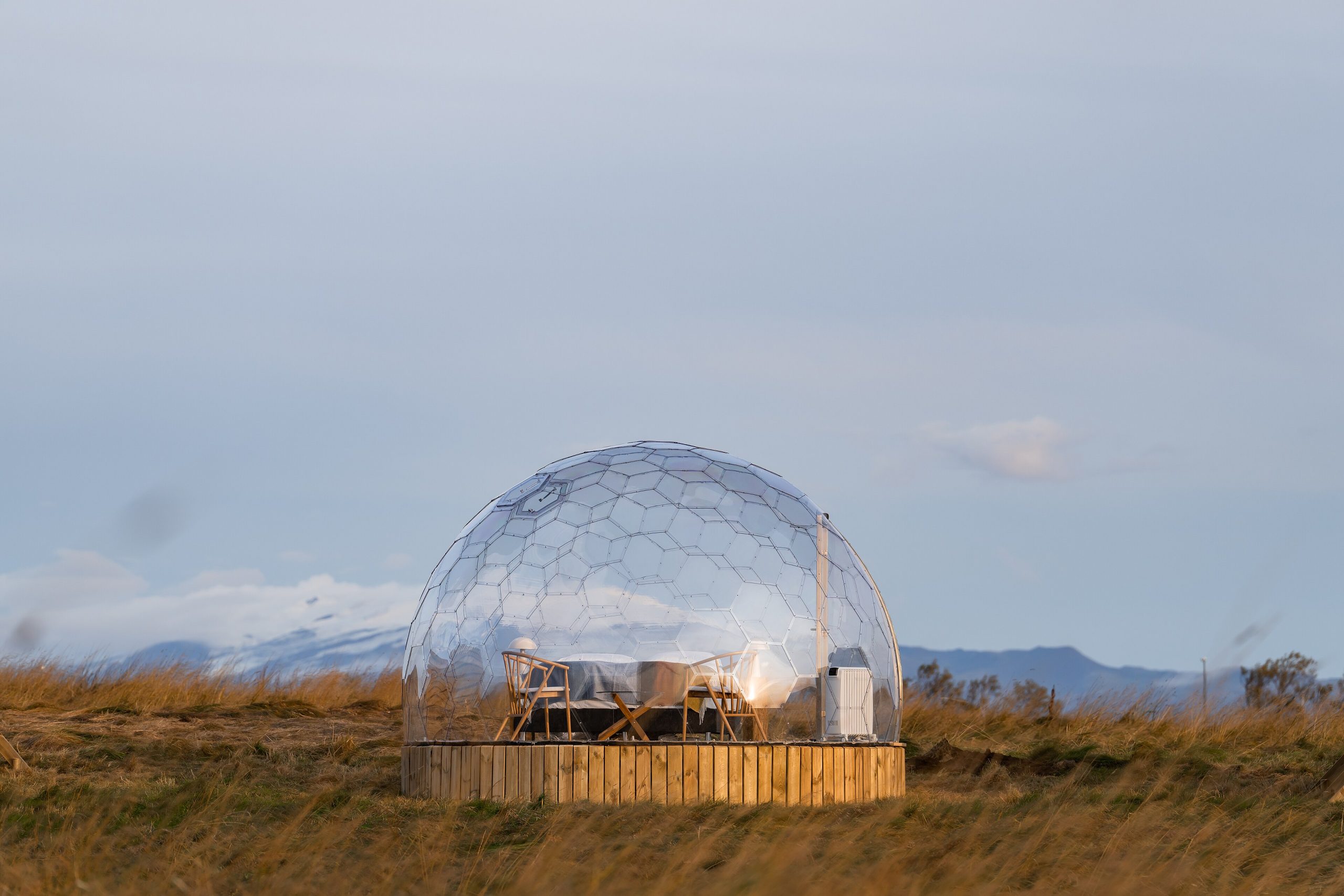
Iceland’s luxury retreats are perfect for splurging. You can stay in glass-roofed cabins for Northern Lights viewing or high-end hotels near waterfalls. These unique stays offer an immersive experience with the landscape.
Luxury lodging includes premium features like private hot tubs or gourmet dining. While expensive, they offer unmatched comfort and exclusivity. Booking these popular retreats early is essential, as they often sell out months in advance.
Accommodation Prices by Region: Where the Nights Get Expensive
93.5% of South Iceland’s hotel rooms were occupied in August 2026, against 89.0% in the capital region and 80.0% in the west and Westfjords.
Iceland’s room rates aren’t uniform — they follow supply, and supply follows the Ring Road. Typical double-room rates:
| Region | Summer double | Winter double | Booking note |
|---|---|---|---|
| Reykjavík | $180–300 | $120–200 | Widest choice; hostels and apartments soften it |
| Golden Circle / Selfoss | $160–260 | $110–180 | Easy day-trip base, decent supply |
| Vík & the south coast | $200–330 | $130–210 | Thin supply — sells out first, book these nights before anything else |
| Höfn & the southeast | $190–320 | $120–200 | The glacier-lagoon bottleneck; same story as Vík |
| Akureyri & the north | $150–250 | $100–170 | Better value; the north rewards the drive |
| Westfjords | $140–230 | Limited openings | Cheapest region, fewest beds; many close in winter |
The practical rule: on a Ring Road trip, reserve the Vík-to-Höfn corridor first — those two or three nights are the scarcest beds in the country, and their price sets the tone for your whole accommodation budget.
Transportation Expenses and Vehicle Rentals
Your choice of transportation significantly impacts your iceland travel expenses. Reykjavík offers some public transport options. Yet, the island’s true beauty lies in its remote areas. Renting a vehicle gives you the freedom to explore these landscapes at your own pace. This freedom comes with the need for careful budgeting.
The Cost of Renting a 4x4 Vehicle
For the Highlands or gravel roads, a 4×4 vehicle is a must for safety. These rugged rentals are more expensive than standard cars, even more so in peak summer. Don’t forget to budget for insurance and tunnel tolls, which can quickly increase your costs.
Fuel Prices and Driving Distances
Fuel in Iceland is among the priciest globally, affecting your total expenses. The distances between attractions are vast, often requiring hours of driving. Always check your route and fuel levels before heading into isolated areas with few gas stations.
Public Transportation and Bus Pass Limitations
Public buses are reliable in Reykjavík but limited outside the city. Relying only on buses for a Ring Road trip is impractical. It can also limit your ability to stop at spontaneous photo spots. For most, a rental car is the most efficient and cost-effective way to manage expenses and see the sights.
The Real Cost of Driving in Iceland
The rental-car quote is only the opening bid. Here’s what actually lands on your card by the end of an Iceland road trip — and how to keep it down.
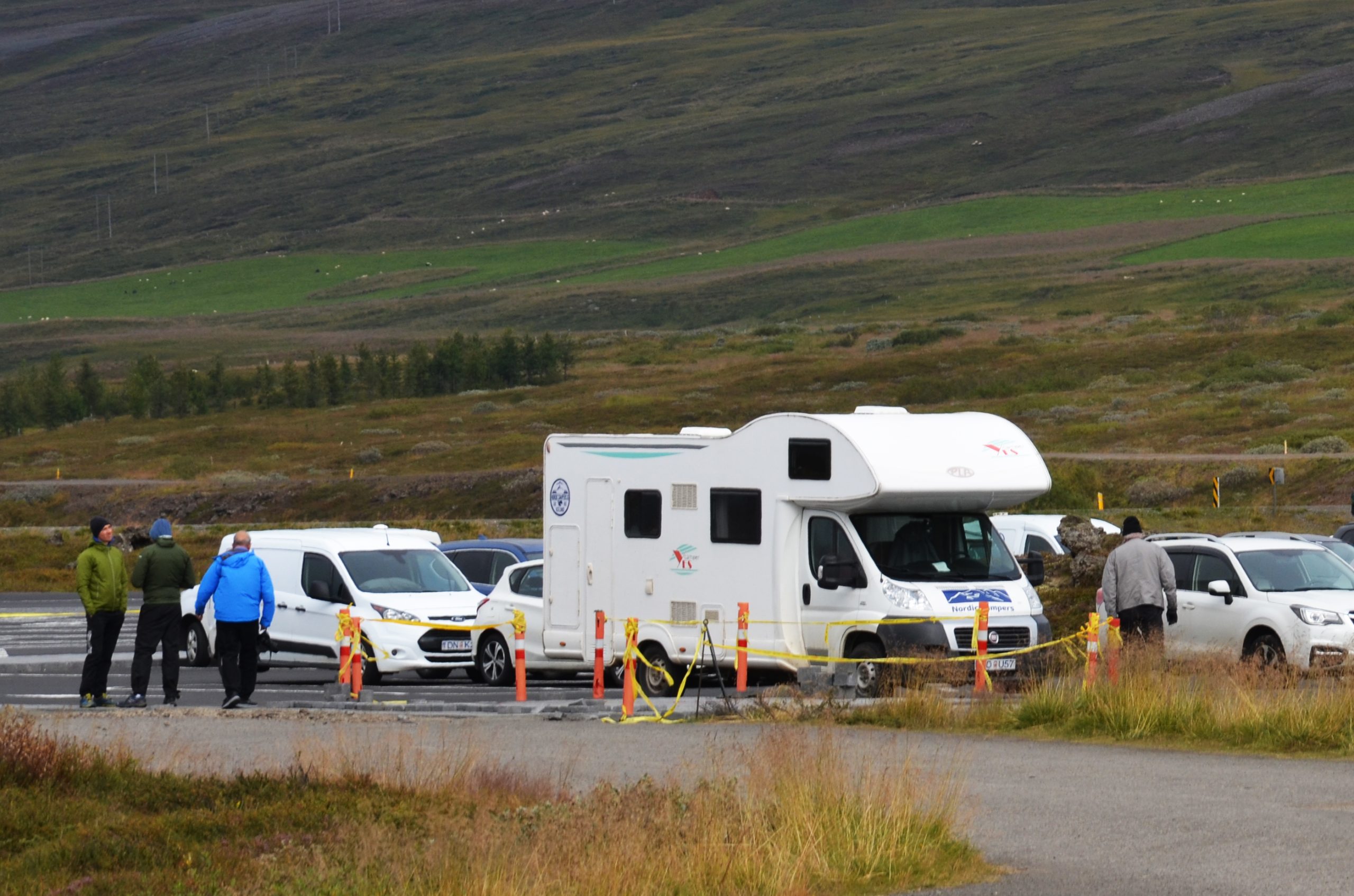
Insurance add-ons are near-mandatory. Gravel chips and sandstorms are real hazards here, and the basic CDW excess can be $2,000+. Most drivers add at least gravel protection; on south-coast routes in spring, sand-and-ash cover earns its keep:
| Add-on | Typical cost per day | Worth it? |
|---|---|---|
| Gravel protection (GP) | $12–20 | Yes — chipped windscreens are routine |
| Sand & ash (SAAP) | $10–15 | Yes on the south coast; skip in the city |
| Zero-excess / Super CDW | $20–35 | Peace of mind; compare with card cover |
| Extra driver | $5–10 | Split the driving on the Ring Road |
Fines are ferocious. Speed cameras are everywhere and tickets commonly run 30,000–200,000 ISK ($210–1,430); driving off marked roads is illegal and fines can reach 500,000 ISK. Fuel discounts help: the N1, Orkan and ÓB apps or key fobs shave 10–15 ISK per liter, and the Costco station in Garðabær (membership needed) is reliably the cheapest fill in the country, with Orkan the best-value option near Keflavík. And remember the new kilometer tax (details in the 2026 section below) — your rental bills it per kilometer driven.
Winter driving has its own price list. From November to April rentals include winter or studded tires at no extra charge, but a 4×4 premium of $20–40/day is money well spent outside the capital. Storms close roads with little notice, so build a buffer day into tight itineraries — the free road.is and safetravel.is sites are essential daily reading. Plan on covering fewer kilometers per short winter day, and expect slightly higher fuel burn from heaters and headwinds.
The Campervan Math: Wheels and Bed in One
Campervan companies promise huge savings. The honest math: it depends what you’re replacing. Here’s a summer week for two, per couple:
| Setup | Vehicle | Fuel | Sleeping | Week total |
|---|---|---|---|---|
| Economy car + hotels | $450 | $250 | $1,800 (6 nights × $300) | ~$2,500 |
| Economy car + guesthouses | $450 | $250 | $1,150 (6 × $190) | ~$1,850 |
| 2-berth campervan + campsites | $1,100 | $300 | $190 (camping fees, 2 people) | ~$1,590 |
So a campervan saves roughly $900 a week versus hotels, but only $200–300 versus disciplined guesthouse booking — its real advantages are flexibility and never re-packing. Two caveats: wild camping is banned (you must use campsites), and winter campervanning is for the hardy — November through March, take the guesthouse.
No Car? What Iceland Costs on Bus Tours
Not everyone wants to drive a rental through sideways sleet. Iceland’s day-tour network is excellent — here’s what car-free actually costs:
| Tour / transfer | Typical price |
|---|---|
| Flybus airport transfer (each way) | 4,000–4,700 ISK / $29–34 |
| Golden Circle day tour | $60–93 |
| South Coast day tour (waterfalls + Reynisfjara) | $93–129 |
| Snæfellsnes Peninsula day tour | $107–136 |
| Northern lights evening tour | $65–95 (free retry if no show) |
| Jökulsárlón / glacier lagoon long day | $130–160 |
| 6–7 day guided Ring Road package (lodging included) | $1,900–3,200 |
The math surprise: for solo travelers, a tour-based week (city hotel + four day tours) runs about $2,600–3,300 including flights — roughly the same as carrying a whole rental car alone, with zero driving stress. For couples and groups, self-driving wins clearly, since the car splits and the tours don’t.
Food and Dining Budgeting
To save money while exploring, your dining strategy must be as sharp as your itinerary. Eating out for every meal quickly drains your travel funds. Following a few smart iceland travel tips is essential. One of the easiest ways to save is by carrying a reusable water bottle. The tap water here is among the purest and most delicious in the world.
Grocery Shopping Strategies to Save Money
Visiting local supermarkets like Bónus or Krónan is the most effective way to manage your food budget. These stores offer the best prices for staples, allowing you to prepare your own breakfast and lunch. By cooking your own meals, you gain more control over your daily spending while enjoying fresh ingredients.
Dining Out at Casual Eateries
When you do decide to eat out, look for lunch specials that offer high-quality meals at a fraction of the dinner price. Another classic among our favorite iceland travel tips is to grab a famous Icelandic hot dog from a local stand. These quick, affordable snacks are a cultural staple and perfect for a budget-friendly lunch on the go.
The Reality of Fine Dining Costs
Iceland boasts a vibrant culinary scene, but fine dining comes with a premium price tag. If you plan to experience high-end restaurants, treat them as a special occasion. Balancing these occasional splurges with grocery-store meals is the best way to enjoy the local food culture without overspending.
Grocery Prices: What Self-Catering Actually Saves
Every Iceland budget guide says “buy groceries.” Here’s what they cost, so you can actually plan on it. Shop the discount trio — Bónus, Krónan, Nettó — and avoid 10-11 convenience stores, where prices run about double:
| Item | Price (ISK) | ≈ USD |
|---|---|---|
| Milk (1L) | 220 | $1.60 |
| Bread loaf | 400–500 | $3–3.60 |
| Eggs (12) | 850–1,000 | $6–7 |
| Skyr (500g) | 300–400 | $2.20–2.90 |
| Pasta (500g) | 250–350 | $1.80–2.50 |
| Pasta sauce | 500–700 | $3.60–5 |
| Chicken breasts (1kg) | 2,300–2,700 | $16–19 |
| Ground beef (1kg) | 2,000–2,400 | $14–17 |
| Bananas (1kg) | 350–450 | $2.50–3.20 |
| Frozen pizza | 700–900 | $5–6.50 |
| Instant noodles | 150–250 | $1.10–1.80 |
| Icelandic hot dogs (pack of 10) | 900 | $6.50 |
The math: cooking most meals costs about 2,800–4,200 ISK ($20–30) per person per day, versus $70–100 eating out. Over a week, self-catering saves $350–500 per person — easily the single biggest lever in an Iceland budget after the season you pick.
What that looks like in a cart: a real three-day list for two — bread, a dozen eggs, skyr, pasta and sauce, chicken breasts, bananas, cheese, oats, coffee, plus a pack of Icelandic hot dogs and buns — rings up around 11,000–13,000 ISK ($79–93) at Bónus. That’s under $16 per person per day, with lunches to spare.
Eating Cheap in Reykjavík: Actual Places and Prices
“Eat cheap” advice usually stops at the grocery store. These are the real budget institutions locals and repeat visitors use, with current prices:
| Where | What | Price |
|---|---|---|
| Bæjarins Beztu Pylsur | The famous harbor hot-dog stand — order “one with everything” | 700 ISK / ~$5 |
| IKEA Garðabær cafeteria | Full hot meals; a genuine local budget secret | 1,200–1,800 ISK / $9–13 |
| Noodle Station | Warming noodle soup, Laugavegur plus a Hafnarfjörður branch | ~1,890 ISK / ~$13.50 |
| Mandi | Beloved late-night shawarma and falafel | 1,700–2,200 ISK / $12–16 |
| Hlemmur & Grandi food halls | Restaurant-quality mains, shared tables | 2,000–2,900 ISK / $14–21 |
| Brauð & Co / Sandholt bakeries | Cinnamon rolls, sourdough, lunch to go | 1,000–1,600 ISK / $7–11 |
| Happy hour (find it via the Appy Hour app) | Craft beer that’s $11 at 9pm is this at 5pm | 900–1,000 ISK / $6.50–7 |
| Krónan / Bónus meal deals | Sandwich + drink grab-and-go | 800–1,200 ISK / $6–9 |
A realistic Reykjavík food day — bakery breakfast, hot-dog or meal-deal lunch, food-hall dinner, one happy-hour beer — comes to about $35–45, versus $90+ doing the same day in sit-down restaurants.
Costs of Popular Tours and Excursions
Iceland is a treasure trove of experiences, from icy glaciers to soothing thermal waters. These activities are the essence of any trip, but they must be budgeted for. Booking tours in advance or as part of a package can save you a lot. This is compared to buying individual tickets.
Glacier Hiking and Ice Cave Expeditions
Prices vary from $100 to $250 per person, depending on the tour’s length and difficulty. For many, glacier hikes and ice cave tours are must-do experiences. Always choose reputable, certified guide companies for your safety.
Whale Watching and Marine Tours
Whale watching is a favorite activity, with popular spots in Reykjavik or Husavik. Expect to pay $70 to $120 for a standard tour. Prices can change with the season and the type of boat.
Geothermal Spa Entrance Fees
Visiting a geothermal lagoon is a quintessential Icelandic experience. But, it’s pricey, with entrance fees over $80 per person during peak times. To save, consider local swimming pools instead.
Local pools offer a similar cultural experience at a lower cost. They feature hot tubs and steam rooms for just a few dollars. It’s a great way to enjoy the water without breaking the bank.
Iceland Activity Prices: The Full Menu
Tours are where Iceland budgets quietly double. Current per-person prices for the classics, so you can pick your two or three anchors deliberately:
| Activity | Typical price |
|---|---|
| Whale watching (Reykjavík or Húsavík) | $90–110 |
| Glacier hike (Sólheimajökull / Skaftafell) | $110–160 |
| Blue ice cave, Vatnajökull (winter) | $150–220 |
| Katla ice cave from Vík (year-round) | ~$180 |
| Snorkeling Silfra’s tectonic rift | $130–170 |
| Snowmobiling on a glacier | $180–230 |
| ATV / buggy tour | $110–150 |
| Horseback riding on Icelandic horses | $70–100 |
| Puffin boat trip (May–Aug) | $50–60 |
| Kayaking a glacier lagoon | $90–120 |
| Helicopter with summit landing | $300–500 |
Strategy: choose two or three anchor activities and let the free landscape carry the rest of the trip. A glacier hike, one lagoon and a whale watch add ~$300; doing everything on this table adds $1,500+.
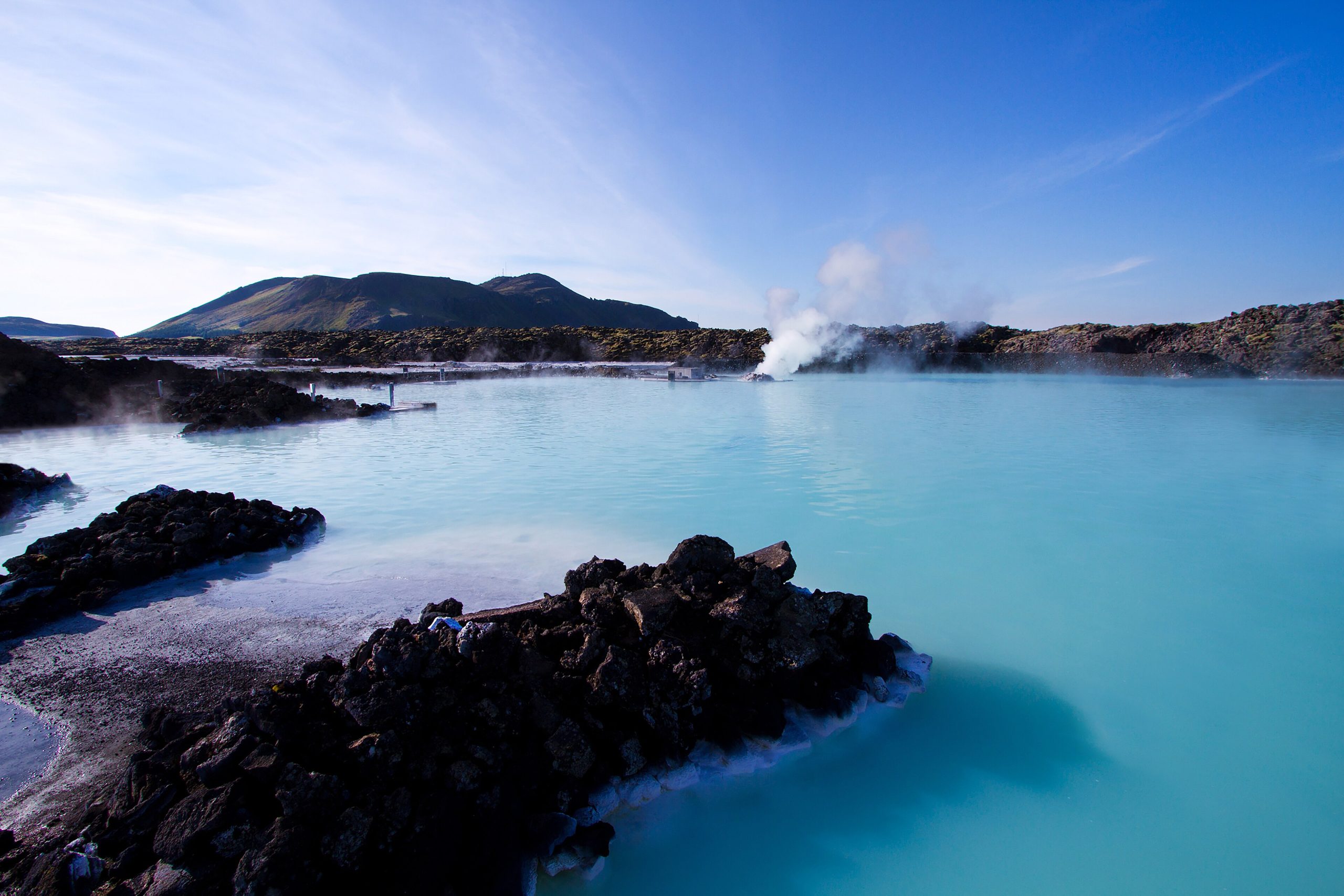
The Lagoon Decision: Blue Lagoon vs the Alternatives
Geothermal bathing is non-negotiable Iceland — but the price spread is enormous, and the famous option isn’t the only good one:
| Lagoon | Entry (approx.) | The short version |
|---|---|---|
| Blue Lagoon (Comfort) | $79–120 (dynamic pricing) | The icon: milky-blue water, silica masks, crowds |
| Sky Lagoon (Reykjavík) | $95–110 | Ocean-edge infinity pool, 7-step ritual, classiest |
| Hvammsvík Hot Springs | $45–60 | Wild fjord setting, tide pools |
| Mývatn Nature Baths | $45–55 | The north’s Blue Lagoon, half the price |
| Forest Lagoon (Akureyri) | $40–50 | Woodland pools above the fjord |
| Secret Lagoon (Flúðir) | ~$37 | Simple, historic, on the Golden Circle |
| Any town swimming pool | $8–9.50 | Hot tubs, saunas, locals — the real Iceland |
| Reykjadalur hot river / Seljavallalaug | Free | Hike-in soaks; bring a towel |
The $8 local pool with its 40°C hot tubs delivers 80% of the experience for 8% of the price. Value verdict: first visit, one splurge lagoon (Blue or Sky) plus town pools everywhere else.
Free Iceland: The Best Things That Cost Nothing
Here’s Iceland’s budget paradox: the country is expensive, but its headline attractions are overwhelmingly free. Nature doesn’t invoice:
- Waterfalls: Gullfoss, Seljalandsfoss, Skógafoss, Godafoss, Dettifoss — all free (parking 750–1,000 ISK at some).
- Reynisfjara black-sand beach and the basalt columns at Vík.
- Jökulsárlón glacier lagoon and Diamond Beach — watching icebergs calve costs nothing.
- Þingvellir National Park — walk between tectonic plates (parking fee only).
- Kirkjufell, Vestrahorn viewpoints (small parking fee at Stokksnes) and every roadside vista in between.
- The northern lights in winter and midnight sun in June — the two best shows on the island are free.
- Reykjavík on foot: Harpa’s glass halls, the Sun Voyager, street art, Hallgrímskirkja from outside.
- Hikes: Reykjadalur’s bathable hot river, Fagradalsfjall’s lava fields, Glymur falls.
A realistic day of sightseeing can genuinely cost $0 plus fuel and parking — which is why self-catering road-trippers report such reasonable totals in the real-traveler table above.
Hidden Expenses to Anticipate
Even the most meticulous travelers often miss certain costs when visiting Iceland. You might have budgeted for the major expenses, but the smaller ones can add up quickly. Being aware of these details ensures your trip stays within budget and stress-free.
Parking Fees at Natural Landmarks
Popular waterfalls and volcanic sites now charge for parking. These fees help maintain the environment of these protected areas. Download the Parka app before arriving to track and pay for parking in advance. This avoids unexpected fines.
Tunnel Tolls and Road Infrastructure Costs
Driving across the country means passing through tunnels with tolls. These costs are part of managing travel expenses for car renters. Always check your rental agreement for an automated toll payment system to save time at checkpoints.
Travel Insurance and Emergency Funds
The weather in the Arctic Circle is unpredictable and can change suddenly. Having travel insurance is essential, covering flight cancellations or medical emergencies. Also, set aside an emergency fund for unexpected costs from road closures or weather delays.
New for 2026: Costs Nobody Warned You About
Four line items that older guides — and most of the pages ranking for this search — don’t mention:
- The kilometer tax. Iceland now charges road use per kilometer driven (6.95 ISK/km for standard cars, plus a rental admin fee that typically takes it to about 8.8 ISK/km, or a flat 1,390–1,550 ISK a day at some companies). A full Ring Road loop (1,332 km) adds roughly 11,700 ISK (~$97).
- Major events distort prices for weeks. The total solar eclipse of 12 August 2026 pushed west Iceland lodging to two or three times normal rates, with the best rooms gone a year ahead. Check whether a big event falls in your dates before you commit, and shift a week either side if one does.
- Parking fees at “free” sights are now standard: 750–1,000 ISK at Seljalandsfoss, Þingvellir, Skógafoss and more. Budget $30–50 for a week of sightseeing parking. Apps like Parka and EasyPark save the ticket-machine shuffle.
- The Vaðlaheiði tunnel near Akureyri: pay 2,216 ISK online or at the kiosk within 24 hours of driving through, or the bill becomes a fine. (The Hvalfjörður tunnel near Reykjavík is free.)
Best Months for Affordable Travel
Timing your visit correctly is the secret to unlocking an affordable Iceland trip. By shifting your travel dates away from the peak summer months, you can significantly lower your expenses. You’ll also enjoy the breathtaking landscapes of the North Atlantic.
Shoulder Season Advantages
The shoulder seasons, which typically fall in May, September, and early October, offer a fantastic balance for visitors. During these months, you will find lower prices on flights and accommodations compared to the busy summer season. You also get to enjoy milder weather and longer daylight hours than in the dead of winter.
Fewer crowds mean you can explore popular sites like the Golden Circle with more breathing room. This time of year is perfect for those who want an affordable iceland trip without dealing with the extreme cold or limited daylight of the winter months.
Winter Travel Benefits and Trade-offs
If your primary goal is saving money, traveling between November and March is your best bet. During this period, demand for tourism drops, leading to some of the lowest prices of the year for car rentals and hotels. You might even catch a glimpse of the magical Northern Lights during your stay.
Winter travel comes with specific trade-offs that you must consider. You will face much shorter days and potentially challenging driving conditions due to snow and ice. Planning an affordable iceland trip during winter requires extra preparation. But the financial savings and unique snowy scenery make it a rewarding choice for many adventurous travelers.
Iceland Cost Calendar: Month by Month
“Go shoulder season” is vague. This is the actual price landscape across the year:
| Month | Price level | Daylight | Notes |
|---|---|---|---|
| January | Low (after Jan 2) | 4–7 hrs | Cheapest hotels; aurora; winter driving |
| February | Low–mid | 7–10 hrs | Aurora prime; ice caves at full swing |
| March | Mid | 11–13 hrs | Last reliable ice-cave month; improving roads |
| April | Mid | 13–16 hrs | Shoulder sweet spot; puffins arrive |
| May | Mid | 17–20 hrs | Best value-to-weather ratio of the year |
| June | High | 20–21 hrs | Midnight sun; highlands start opening |
| July | Peak | 19–21 hrs | Priciest month; book cars 6+ months out |
| August | Peak — the busiest and most expensive month | 16–18 hrs | 2–3× prices around totality |
| September | Mid | 11–14 hrs | Aurora returns; crowds thin fast |
| October | Low–mid | 8–11 hrs | Fall colors; good hotel deals |
| November | Low | 5–8 hrs | Cheapest “normal” month; aurora |
| December | Low, except holidays | 4–5 hrs | Christmas/NYE spike in Reykjavík |
What Real Travelers Actually Spent in Iceland
Estimates are easy; receipts are better. We aggregated real, published trip totals from travelers who tracked every króna — different styles, seasons and lengths — and converted them to a per-person daily rate:
| Traveler & style | Trip | Total (per person) | Per day |
|---|---|---|---|
| Solo, hostels + group tours (winter) | 4 days | $1,240 | ~$310 |
| Solo backpacker, rewards points for rooms | 3 days | $845 | ~$282 |
| Couple, EV rental, budget hotels (January) | 6 days | $1,143 | ~$191 |
| Solo, car camping at 12 campsites | 12 days | $3,110 | ~$259 |
| Solo, campervan (summer) | 7 days | $2,697 | ~$307 |
| Couple, Airbnbs, Ring Road | 11 days | $2,878 | ~$262 |
| Couple, self-catering cabins | 12 days | $2,550 | ~$213 |
| Two friends, peak-summer Ring Road, activity-heavy | 13 days | $4,303 | ~$331 |
| Family of four, hotels + tours | 7 days | $2,134 | ~$305 |
| Couple, 5-week apartment stay, cooking | 35 days | $3,540 | ~$101 |
The pattern is remarkably consistent: almost every normal trip lands between $190 and $330 per person per day, including flights, whatever the style — campers save on beds but spend on wheels; winter travelers save on rooms but buy tours. The only way under $150/day is slow travel: stay put, cook everything, and let fixed costs amortize.
Where the Money Actually Goes: Spending Shares
Averaging those real trip reports reveals a consistent anatomy of an Iceland budget — useful for spotting which lever moves your total most:
| Category | Share of on-the-ground spend | The lever |
|---|---|---|
| Accommodation | 35–45% | Guesthouses vs hotels swings a week by $900; camping halves it |
| Car, fuel & insurance | 20–30% (up to 40% solo) | Sharing the vehicle is the single biggest per-person saving |
| Food | 12–18% cooking, 25%+ dining out | Self-catering saves $350–500/person/week |
| Activities & lagoons | 10–20% | Two or three anchors, not the whole menu |
| Parking, pools, misc | 3–5% | Small, but budget $30–50/week for parking |
Flights sit outside these shares — add $450–700 from North America — but notice what’s not a big share: sightseeing. The landscape is free; you’re paying to sleep, drive and eat near it.
The Same Week, Three Prices: January vs May vs July
To make seasonality concrete, here’s the identical mid-range week — same couple, same small SUV, same guesthouses, same activities — priced in three different months, per person:
| Line item | January | May | July |
|---|---|---|---|
| Round-trip flight (US East Coast) | $450 | $550 | $700 |
| Small SUV, 7 days (split ×2) | $180 | $260 | $420 |
| 6 nights lodging (split) | $430 | $530 | $700 |
| Food | $300 | $310 | $320 |
| Activities (seasonal equivalents) | $330 (aurora + ice cave) | $290 (glacier hike + puffins) | $300 (glacier hike + whales) |
| Fuel, parking, extras | $160 | $170 | $180 |
| Week total | ~$1,850 | ~$2,110 | ~$2,620 |
Same island, same comfort level, ~$770 spread — and January throws in the northern lights for free. July’s premium buys you 21-hour days and open highland roads; whether that’s worth 40% more is the real seasonal decision.
Daily Budget Estimates by Traveler Type
Creating a realistic budget is key to enjoying Iceland without financial stress. Your personal comfort preferences will guide how you spend your money. This guide helps you plan your daily expenses, making it easier to adjust to your budget while having an amazing time.
The natural beauty of Iceland is accessible to all, regardless of budget. Whether you prefer minimalism or luxury, understanding your daily spending is vital. This breakdown shows what you might spend each day, helping you plan your trip smoothly.
The Budget Backpacker Daily Spend
Budget-conscious travelers can expect to spend $120 to $180 per day. This involves staying in hostels or guesthouses and cooking your meals. By focusing on free attractions like hiking trails and waterfalls, you can save a lot.
The Mid-Range Explorer Daily Spend
For those seeking a bit more comfort, daily costs range from $200 to $350. This budget allows for boutique hotels and casual dining. You can also afford guided tours, such as whale watching or glacier hikes.
The Luxury Traveler Daily Spend
Luxury travelers should budget $500 or more per day. This tier includes high-end lodging, fine dining, and private tours. Choosing this option offers exclusive amenities and personalized services, making your trip unforgettable.
Iceland Trip Cost by Length: 3 to 14 Days
Putting it all together — realistic per-person totals including a $500 round-trip flight from North America:
| Trip length | Budget | Mid-range | Luxury |
|---|---|---|---|
| 3 days (stopover) | $700–950 | $1,100–1,600 | $2,500+ |
| 5 days (south coast) | $1,100–1,500 | $1,800–2,600 | $4,000+ |
| 7 days (classic week) | $1,500–2,100 | $2,500–3,700 | $5,500+ |
| 10 days (relaxed Ring Road) | $2,100–2,900 | $3,500–5,200 | $8,000+ |
| 14 days (full island + Westfjords) | $2,800–3,900 | $4,800–7,000 | $11,000+ |
Note the per-day rate falls as trips lengthen: the flight, and often the car, are fixed costs being spread across more days. A 3-day trip can cost more per day than a 7-day one.
Solo, Couple, or Family: How Iceland Costs Scale
Iceland punishes solo travelers and rewards groups more than almost any destination, because its biggest costs — the car, the fuel, the room — are fixed per vehicle or per room, not per person. A mid-range week, per person:
| Party | Per person (week, mid-range) | Why |
|---|---|---|
| Solo | ~$3,300 | Whole car, whole room, whole fuel bill |
| Couple | ~$2,500 | Car and room halved |
| Four friends (1 SUV, 2 rooms) | ~$2,100 | Car and fuel quartered |
| Family of four (apartment) | ~$2,100–2,300 | Apartments sleep 4 at ~1.4× a double; kids’ discounts on tours and free pools under 16 |
Practical upshots: solo travelers should weigh group day tours against a rental (the math flips when you’re not splitting the car), and families should book apartments with kitchens — the self-catering savings multiply by four.
Iceland math making your head spin?
Voyada’s ai trip planner builds your Iceland itinerary with real flight, hotel and rental-car prices — and one honest total — free, in about a minute.
Price my Iceland trip →Iceland With Kids: What Changes in the Math
Iceland is quietly one of Europe’s more family-friendly budgets once you know the discounts. Children under 16 swim free or nearly free at town pools (the best rainy-day activity on the island), most museums are free under 18, and many tours are free under 7 and half-price to age 12–15 — whale watching and horse farms especially.
The costs that do change: a family of four needs the larger rental (+$15–25/day) and a car seat ($8–12/day — or bring your own on the flight free with most airlines), and hotel family rooms are scarce, which is why apartments and farm stays with kitchens are the family play — they sleep four for ~1.4× a double and turn Iceland’s $25-per-plate dinner problem into a groceries run. Glacier hikes and Silfra have minimum ages (usually 8–12 and 12–16 respectively), so families with small children naturally skip two of the priciest tour categories — the waterfalls, beaches and puffins that little kids love best are the free part of Iceland anyway.
Tax-Free Shopping: Getting Iceland’s VAT Back
Iceland charges 24% VAT, and visitors can reclaim most of it on goods. Spend at least 6,000 ISK (~$43) on a single receipt at a tax-free-participating store, ask for the refund form at the till, and process it at the Arion Bank desk or refund kiosk at Keflavík before security (have the goods with you, unused). The net refund works out to roughly 14–15% of the purchase price.
It only applies to goods you’re taking home — not meals, fuel, hotels or tours — but on big-ticket souvenirs it’s real money: a 30,000 ISK lopapeysa sweater returns about 4,300 ISK (~$31). If you’re buying wool, outdoor gear or Icelandic design, this quietly discounts the most expensive shopping category in the country.
Managing Currency and Payment Methods
Iceland’s digital economy simplifies your financial planning. The country is almost cashless, a key iceland travel tip. Knowing how to manage your money before you arrive ensures a hassle-free trip.
Using Credit Cards vs. Local Cash
Credit cards are accepted everywhere in Iceland, from upscale restaurants to remote gas stations. You can pay for even small items like coffee or snacks with your card. This means you rarely need to carry Icelandic króna.
While having some local cash might seem reassuring, it’s usually unnecessary for most visitors. If you do withdraw cash, make sure your card has a PIN for verification. Most locals use digital payments, so you’ll blend in by doing the same.
Avoiding Unnecessary Transaction Fees
Before you leave, contact your bank about international transaction fees. Some cards charge a percentage for foreign purchases, which can quickly add up. Opt for a travel-friendly card that waives these fees to protect your budget.
Another vital iceland travel tip is about alcohol purchases. Alcohol is heavily taxed and sold only in state-run stores, making it pricey. Shopping at the duty-free store in the airport upon arrival can save you money. Always check your bank statements to monitor your spending and avoid unexpected charges.
Where Tourists Overspend in Iceland: Six Budget Red Flags
Most blown Iceland budgets aren’t splurges — they’re defaults. The six most common leaks:
- The airport taxi. KEF to Reykjavík by taxi runs 20,000–25,000 ISK ($140–180). The Flybus is $30; picking your rental up on arrival makes the transfer free.
- Bottled water. Icelandic tap water is glacier-grade. Two bottles a day for a week is $40 spent on what the tap gives you better, free.
- The hotel breakfast add-on. $20–28 per person when the bakery two doors down does it memorably for $8.
- Tourist-strip dining. Laugavegur’s window menus carry a visible markup; two streets over, the same fish costs 25% less.
- Gift-shop wool. The same lopapeysa is cheaper at the Handknitting Association or Kolaportið flea market — and don’t forget the VAT refund on it.
- Prepaying non-refundable plans. Weather reshuffles Iceland itineraries constantly. Tours refund weather cancellations; your prepaid non-refundable hotel doesn’t. Book flexible where you can.
Tips for Reducing Your Overall Iceland Travel Cost
Planning a memorable journey to the land of fire and ice doesn’t have to break the bank. Smart travelers understand that an affordable Iceland trip hinges on clever planning and local insights. By tweaking your itinerary, you can enjoy top-notch experiences without overspending.
Leveraging Free Natural Attractions
Mastering iceland budget travel starts with exploring the country’s free natural wonders. You don’t need pricey tours to see Iceland’s stunning landscapes. Hike volcanic craters or walk black sand beaches for free.
Many waterfalls and scenic spots are free and accessible from main roads. Exploring these areas lets you connect with nature on your terms. This way, you see iconic sights without draining your travel budget.
Packing Essentials to Avoid Local Purchases
Iceland’s high cost of living includes retail and outdoor gear. Pack waterproof clothing, sturdy boots, and thermal layers from home. Buying these items locally can significantly increase your expenses.
Arriving prepared with the right gear avoids unnecessary shopping. This habit is key to an affordable Iceland trip. It keeps your budget for experiences, not replacing gear.
Booking Activities in Advance
For paid excursions like glacier hikes or whale watching, timing is critical. Booking early secures the best deals iceland vacation planners offer. It also avoids price hikes and ensures availability during peak seasons.
Combining early bookings with free activities creates a balanced, cost-effective plan. This proactive approach is vital for iceland budget travel. It allows you to enjoy the best deals iceland vacation providers offer, leaving room for local culinary delights.
Iceland on $100 a Day: Is It Possible?
The honest answer: barely, in summer, with company. Here’s the tightest realistic build, per person, sharing a campervan with one other traveler: campsite $13, groceries $22, fuel share $18, campervan share $40, one town pool $8, sights $0 (they’re free) — about $101 a day on the ground. No bars, no tours, no restaurants, no Blue Lagoon.
Budget $130–150/day for a summer trip with margin, and call anything under that a win. It works June–September if you cook every meal and treat waterfalls as entertainment (they are). It fails in winter: campsites close, a warm bed becomes non-negotiable, and the same trip runs $150–180/day minimum. And it fails alone — an unshared campervan blows the budget on day one.
Iceland vs Norway vs Switzerland: Is It Really the Most Expensive?
Iceland gets singled out, but it sits in a familiar club with Norway and Switzerland. Mid-range daily costs side by side:
| Iceland | Norway | Switzerland | |
|---|---|---|---|
| Mid-range daily budget | $230–300 | $200–280 | $250–350 |
| Draft beer | $9–12 | $9–11 | $7–9 |
| Casual dinner main | $25–39 | $22–35 | $28–45 |
| Mid-range hotel double | $180–300 | $150–250 | $200–350 |
| Getting around | Rental car near-essential | Trains + buses work | World’s best rail |
The verdict: Iceland’s prices are Nordic-normal — what makes it feel more expensive is structural. Norway and Switzerland let you skip the rental car and ride excellent public transport; Iceland effectively requires wheels, tours are helicopter-priced, and there’s no true budget dining tier below the $16 soup. You’re not overpaying for Iceland; you’re paying for the fact that its wilderness has no train.
Navigating the Cost of Living in Iceland
Iceland stands out as a unique destination, but its economy differs from what you’re used to. The high cost of living in Iceland explains why everyday items and services are pricey. Understanding these economic aspects helps you manage your budget while exploring this land of fire and ice.
Why Imported Goods Cost More
Iceland, being an island nation with limited natural resources, heavily relies on imports for daily necessities. The cost of shipping goods across the North Atlantic is high. This expense is directly reflected in the prices consumers pay, affecting both locals and visitors.
Understanding Local Taxes and Tipping Culture
When buying goods, you’ll see a 24% Value Added Tax (VAT) added to the price. Good news for international travelers: you can often get this tax back on physical items you take home. Just remember to ask for a tax-free form at the register to get a rebate at the end of your trip.
Tipping is not expected in Iceland, which makes budgeting for dining easier. Service charges are already included in the prices you see on menus and bills. By keeping these tips in mind, you can control your expenses and enjoy your adventure.
What a Northern Lights Trip Really Costs
Winter is Iceland’s budget season — and the aurora is free. What costs money is positioning yourself under a clear dark sky, warm. The choices:
- Aurora bus tour: 9,000–13,000 ISK ($65–95), usually with a free retry if you strike out.
- Super-jeep aurora hunt: $150–200 — better mobility, small groups.
- Self-drive hunting: free beyond the rental — but winter means a 4×4 (+$20–40/day) and studded-tire confidence.
- Ice caves: the blue Vatnajökull caves run $150–220; Katla’s black-ice cave ~$180 from Vík.
- Gear: renting a proper parka and boots runs $10–15/day — or pack your own and pocket it.
A well-built 4-day January long weekend — cheap winter flights, budget hotel, one aurora tour, one ice cave, Sky Lagoon — lands around $1,300–1,700 all-in (full line-item version in the itineraries below). That’s the cheapest bucket-list trip Iceland sells.
The Icelandair Stopover Hack
The cheapest way to see Iceland isn’t a trip at all — it’s a layover. Icelandair lets you add a stopover of up to seven days on any transatlantic itinerary for no extra airfare: fly US–Europe anyway, and Iceland becomes a free detour.
A realistic 48-hour stopover budget: two nights in a Reykjavík guesthouse ($300), a shared rental for a Golden Circle day ($80), food with one restaurant dinner ($120), Sky Lagoon ($80) — about $580–650 per person added to a Europe trip you were taking anyway. Two days is genuinely enough for the Golden Circle, a lagoon and the capital; it’s also the world’s best trailer for deciding whether to come back for the full Ring Road.
Planning Your Itinerary Based on Budget
Creating a well-thought-out travel plan is key to managing your expenses. Utilizing a reliable iceland travel planner enables you to organize your itinerary while monitoring your daily expenses. By focusing on specific areas, you can cut down on fuel costs and rental car expenses.
Focusing on the South Coast vs. The Ring Road
The South Coast is ideal for those looking to reduce driving time and enhance sightseeing. It boasts waterfalls, black sand beaches, and glaciers, all within close proximity. This approach saves on gas and allows for more time to appreciate each location.
On the other hand, the full Ring Road offers a grand tour around the island. Though it provides diverse landscapes, it demands a bigger budget for fuel and additional rental days. Opting for a smaller area can lead to better deals in iceland vacation packages, as it reduces travel costs.
Balancing Activity Density with Travel Time
It’s common to aim to see everything in a week. Overloading your schedule can lead to rushed experiences, increasing stress and fuel expenses. Aiming for a balanced pace allows you to enjoy your favorite spots without hurry.
Limiting your daily driving can also uncover hidden gems. A well-planned iceland travel planner helps group activities close to each other, saving time. This approach ensures your trip is both affordable and fulfilling. Our guide to planning your Iceland route covers realistic daily driving distances and the choice between the Ring Road and regional exploration.
Before you go: turn this guide into a day-by-day plan. Our partner Voyada is a free itinerary creator that builds the trip with flights, hotels and a real total cost for your dates — in about a minute.
Build a travel itinerary →Three Fully Priced Iceland Itineraries
Category budgets are abstract; here are three complete, realistic trips with every line item, per person:
5-Day South Coast on a Budget — ~$1,175
Summer, two travelers sharing an economy car, guesthouse/hostel beds, cooking most meals. Reykjavík → Golden Circle → Seljalandsfoss → Vík → Jökulsárlón and back.
| Line item | Per person |
|---|---|
| Round-trip flight (East Coast US) | $500 |
| Economy car, 5 days (split ×2) | $110 |
| Fuel, ~900 km (split) | $45 |
| 4 nights guesthouse/hostel (split) | $190 |
| Food (groceries + 2 casual meals out) | $180 |
| Glacier hike ($110) + pools & parking ($40) | $150 |
| Total | ~$1,175 |
7-Day Ring Road, Mid-Range Couple — ~$2,500
Shoulder season (May or September), small SUV, guesthouses and one nice hotel, restaurants most evenings, the full loop with the big activities.
| Line item | Per person |
|---|---|
| Round-trip flight | $600 |
| Small SUV, 7 days (split ×2) | $340 |
| Fuel, full Ring Road (split) + km tax | $165 |
| 6 nights guesthouses/hotels (split) | $570 |
| Food (mix of restaurants and groceries) | $320 |
| Glacier lagoon boat ($45), ice cave or glacier hike ($160), Sky Lagoon ($85) | $290 |
| Parking, pools, misc | $65 |
| Total | ~$2,350–2,600 |
10-Day Ring Road + Snæfellsnes, Comfort Couple — ~$3,330
June or September, small SUV, guesthouses with two hotel splurges, restaurants half the evenings, all the marquee activities. The full island without the rush.
| Line item | Per person |
|---|---|
| Round-trip flight | $600 |
| Small SUV, 10 days (split ×2) | $480 |
| Fuel, ~2,100 km + km tax (split) | $220 |
| 9 nights guesthouses/hotels (split) | $950 |
| Food (restaurants half the time) | $500 |
| Whale watching ($95), ice cave or glacier hike ($160), two lagoons ($150), extras ($95) | $500 |
| Parking, pools, misc | $80 |
| Total | ~$3,330 |
4-Day Winter Northern Lights Weekend — ~$1,425
January or February, based in Reykjavík with a 4×4 for day trips: Golden Circle, south coast, aurora hunting, one ice cave.
| Line item | Per person |
|---|---|
| Round-trip flight (winter fares) | $450 |
| 4x4, 4 days (split ×2) | $130 |
| Fuel (split) | $40 |
| 3 nights budget hotel (split) | $250 |
| Food | $220 |
| Aurora tour ($80) + ice cave ($180) + lagoon ($75) | $335 |
| Total | ~$1,425 |
Want one of these itineraries priced for your dates?
Tell Voyada your dates and budget and it builds a day-by-day Iceland plan — flights, hotels, car and activities priced together in one place.
Build my Iceland plan →Camping, Alcohol, and Connectivity: Costs the Guides Often Skip
Three cost areas trip up first-time visitors to Iceland — and none get enough attention in most budget guides. Here’s what to expect for each, and exactly how to keep it down.
Camping and Campervans: The Budget Game-Changer
For budget travellers, a campervan is often the single biggest money-saver in Iceland — it rolls your accommodation and transport into one bill and frees you from pricey rural hotels. Expect roughly €70–130 a night for a small summer camper (more for a 4×4 model that can tackle the Highlands). If you’re tent- or van-camping, buy the Camping Card for flat-rate access to a network of participating sites, and remember that wild camping is heavily restricted — you must use designated campsites. This is strictly a summer strategy, as most sites open only from around June to September.
Alcohol and Nightlife: Iceland's Priciest Habit
Alcohol is one of Iceland’s most eye-watering prices — a single beer in a Reykjavík bar routinely runs €10–14, and spirits are heavily taxed. Two habits save serious money. First, buy at the Keflavík Airport duty-free shop the moment you land — locals do exactly this, and it’s far cheaper than anywhere else in the country. Second, stock up at the state-run Vínbúðin liquor stores rather than bars, since supermarkets can only sell low-alcohol beer. If you do go out, happy-hour deals (tracked by the free ‘Appy Hour’ app) soften the blow considerably.
SIM Cards, Data, and Wi-Fi
Staying connected is refreshingly cheap. A prepaid tourist SIM from Síminn, Nova or Vodafone Iceland costs only a few thousand krónur for plenty of data, and coverage is strong along the Ring Road and in populated areas (patchier in the remote Highlands). Wi-Fi is near-universal and free in hotels, guesthouses, cafés and even many long-distance buses, so most travellers need only a modest data plan — or an eSIM bought before arrival to skip the shop entirely.
When to Book What: The Iceland Price Timeline
In Iceland the booking window moves prices as much as the season does. Work backwards from your dates:
| What | Book this far ahead | Why |
|---|---|---|
| Peak summer (mid-July to late August) | 12+ months | The best-value lodging sells out first |
| Summer rental car / campervan | 5–7 months | Cheapest classes sell out first; late booking costs 30–60% more |
| Summer hotels (south & southeast coast) | 6–9 months | Thin supply between Vík and Höfn |
| Flights | 3–6 months (summer), 2–4 (winter) | Fare sales cluster in these windows |
| Ice cave & glacier tours | 2–4 weeks | Small groups fill, but weather reshuffles schedules anyway |
| Blue Lagoon / Sky Lagoon | 1–2 weeks | Time slots sell out; day-of rarely works in summer |
The single most expensive mistake in Iceland isn’t a splurge — it’s renting a July car in June. Lock the vehicle early and everything else stays negotiable.
Cutting Iceland Costs: The Big Levers
Iceland is expensive, but a few high-impact choices bring the total down sharply.
- Self-cater and self-drive: a campervan or an apartment with a kitchen is the single biggest saver.
- Shop at Bónus or Krónan supermarkets, pack snacks, and drink the excellent (free) tap water.
- Skip tours you can self-drive (the Golden Circle, the south coast); pay only for what needs a guide, like glacier hikes and ice caves.
- Visit in shoulder season (May, September) for lower prices.
- Lean on the free stuff — waterfalls, black-sand beaches, hikes and geothermal areas cost nothing.
Iceland Cost Breakdown
Iceland is pricey, so a clear per-day breakdown helps. These are typical per-person costs by style (car hire is per vehicle).
| Category | Budget | Mid-range | Luxury |
|---|---|---|---|
| Accommodation | $60–100 (guesthouse/camper) | $150–250 | $350+ |
| Food | $25–40 (self-cater) | $60–90 | $130+ |
| Car hire (per vehicle/day) | $40–70 (2WD) | $90–150 (4x4) | $200+ |
| Tours & activities | $0–30 | $80–150 | $300+ |
| Daily total | $125–240 | $250–400 | $1,000+ |
More Iceland Cost Questions, Answered
Is $1,000 enough for four days in Iceland?
On the ground, yes — a careful couple splitting a car and cooking can do four days on $600–800 per person, and a solo camper can squeeze in around $500. Once you add a North American flight, $1,000 total gets tight; $1,300–1,500 is the realistic four-day floor with airfare. See the trip-length table above for the full matrix.
How much is a beer in Iceland?
About 1,300–1,700 ISK ($9–12) in a bar, $6.50–7 at happy hour, and around $3.50 from the state Vínbúðin shops. The cheapest legal pint in Iceland is the one you buy duty-free at Keflavík on arrival — locals do exactly this.
How much cash should I bring to Iceland?
Essentially none. Iceland is functionally cashless — cards and phone payments work for buses, parking meters, campsite showers and public toilets. The rare exceptions (a highland hut, an honesty-box farm stand) are avoidable. Just bring a no-foreign-fee card and skip the currency exchange entirely.
Is the Blue Lagoon worth the price?
Once, yes — it’s a genuinely singular landscape, and dynamic pricing from ~$79 makes morning slots reasonable. Twice, no: Sky Lagoon wins on setting, Mývatn on price, and the $8 town pool wins on authenticity. Book a time slot at least a week ahead in summer; walk-ups routinely fail.
How much more does peak summer cost in Iceland?
Expect to pay roughly 30 to 60 per cent more in July and August than in the shoulder months, and more still in any week carrying a major event — the August 2026 eclipse briefly doubled or tripled rates in west Iceland. Book summer lodging five to seven months out, or move to late May, early June or September for much of the same daylight at noticeably lower prices.
How much does gas cost in Iceland?
Around 320–340 ISK per liter — $8.80–9.30 per US gallon. A full Ring Road loop burns roughly $250–300 of fuel in a small SUV. Use the N1/Orkan/ÓB discount apps, and fill at Costco near Keflavík when you can.
How much does a week in Iceland cost for a couple?
All-in with flights from North America: a budget-minded couple sharing a car and mixing groceries with a few meals out spends about $3,000–4,200 total; a mid-range couple with the big activities lands around $5,000–7,400. The per-person tables above scale it to other lengths.
What is the cheapest month to visit Iceland?
Hotels run 40–50% below July rates, rental cars are at their annual floor, and both months offer aurora. November, and January after New Year’s. The trade-off is daylight — roughly five to seven usable hours — so itineraries shrink to match. For a balance of price and daylight, early May and late September are the value sweet spots.
How much spending money do I need per day in Iceland?
If your flights, lodging and car are prepaid, plan on $80–120 per person per day for everything else at a mid-range pace: $40–55 for food, $25–35 for fuel, parking and pools, and the rest amortizing a couple of booked activities. Backpackers cooking every meal get by on $45–60; add $50+ a day if you’re touring hard.
Is Iceland worth the cost?
By the numbers, yes — with a condition. Iceland charges Nordic prices but delivers experiences that are simply unavailable elsewhere at any price: walking inside a glacier, bathing in a geothermal river, standing under the aurora on a black-sand beach. The travelers who leave feeling ripped off are almost always the ones who paid peak-July rates for a rushed long weekend of restaurant meals. Go shoulder season, share the car, cook half your meals, pick three anchor activities — and Iceland costs about the same as a week in a major European capital, while feeling like another planet.
Conclusion
Iceland stands as a top destination, promising stunning landscapes and unforgettable experiences. Initially, the cost might seem overwhelming. Yet, with careful planning, it becomes attainable.
Now, you’re equipped to manage Iceland’s high living expenses effectively. Every decision, from booking flights to choosing local tours, impacts your budget.
Utilize your preferred travel planner to chart your journey and book ahead. Early reservations can prevent price hikes during peak seasons.
Get ready for an adventure that aligns with your budget. The Arctic circle’s wonders await your arrival.
FAQ
How can I eat cheaply in Iceland?
How do I find cheap flights to Iceland?
Do I need cash in Iceland?
What hidden costs should I budget for in Iceland?
Can you see Iceland's main sights on a budget?
Why is Iceland so expensive?
How much does the season change the cost of visiting Iceland?
Is Iceland safe?
Yes, Iceland is consistently ranked as one of the safest countries in the world, topping the Global Peace Index for over a decade, with very low rates of violent crime. The main risks for visitors come from nature rather than crime: unpredictable weather, strong coastal currents and unmarked ice, so checking road and weather conditions before day trips matters more than personal security concerns. Basic precautions, like locking a rental car, are still sensible.
Is Iceland safe for solo female travellers?
Yes, Iceland is widely regarded as one of the safest countries for solo female travel, reflecting its very low overall crime rate and a culture where walking alone at night, even in Reykjavík, is common and unremarkable. As with solo travel anywhere, sensible precautions, sharing an itinerary with someone, being cautious about isolated hiking routes in poor weather, and having phone coverage arranged, are still worthwhile. Most solo female travellers report feeling more at ease here than in many other international destinations.
Is Iceland worth visiting in summer?
Yes, summer (June–August) is Iceland’s most popular season, offering near-endless daylight, the best access to Highland roads that are closed the rest of the year, and the mildest weather for hiking. The trade-off is that it is also the most expensive and crowded time to visit, with accommodation booking up months ahead. It is the best season for road-tripping the full Ring Road and reaching remote areas that are inaccessible in winter.
Is Iceland worth visiting in winter for the Northern Lights?
Yes, winter (roughly November–March) is prime Northern Lights season, thanks to long, dark nights, and also brings ice caves, fewer crowds and lower off-season prices on flights and hotels. The trade-offs are short daylight hours, some Highland roads and attractions closed for the season, and winter driving conditions that call for caution or a guided tour if you’re unfamiliar with snow and ice. A flexible itinerary with a few nights in one place improves the odds of clear-sky aurora viewing.
Is Iceland worth visiting in the shoulder season (September–October)?
Yes, September and October offer a good middle ground: lower prices and thinner crowds than summer, dark enough nights for a chance at the Northern Lights, and generally still-manageable road conditions before the deepest winter weather sets in. Daylight hours shrink noticeably through October, and the weather becomes more unpredictable than in summer. Many travellers consider it the best value window for combining decent conditions with lower costs.
Is Iceland expensive?
Yes, Iceland is genuinely expensive on the ground, even though flights there can be relatively cheap. Food, alcohol and guided tours are among the priciest in Europe, while a budget traveller camping or hostelling, cooking their own food and self-driving can still manage on around $120–180 a day. Comfort-level trips with hotels, tours and dining out easily run $500 or more a day.
Is food expensive in Iceland?
Yes — and not only in restaurants. Statistics Iceland puts the country’s price level for food and non-alcoholic beverages 56% above the EU average for 2025, so supermarket bills are high too, not just menus. On the ground a casual restaurant main runs about 3,500–5,500 ISK (roughly $25–40), and once you add a drink a straightforward sit-down dinner lands nearer $35–50 per person; fine dining goes well past that. Self-catering from Bónus, Krónan or Nettó costs roughly $20–30 per person per day against $70–100 if you eat out for every meal, so most visitors mix the two — cook or picnic most days, eat out for the two or three meals that matter — which averages around $40–55 per person per day over a week. Gas-station hot dogs and lunchtime soup are the dependable cheap options, and tap water is free and excellent, so there is no need to buy bottled.
How many days do you need in Iceland?
Five to seven days is enough to cover the Golden Circle, the south coast and a decent stretch of the Ring Road without feeling rushed. A full Ring Road circuit, taking in the whole country, generally needs 10 to 14 days to do comfortably, especially with detours into the Westfjords or Highlands. Shorter trips of two to three days work well for a Reykjavík and Golden Circle-focused visit if time is limited.
How many days do you need to drive Iceland's Ring Road?
10 to 14 days is generally recommended for driving the full 1,332 km Ring Road at a comfortable pace with time for stops, hikes and detours. It is technically possible to drive the whole loop in as few as 7 days, but that leaves little room for delays, bad weather or side trips to standout spots like the Westfjords. Winter driving takes longer than summer given shorter daylight and more cautious speeds.
How many days do you need for the Golden Circle?
The Golden Circle, Þingvellir National Park, the Geysir geothermal area and Gullfoss waterfall, can be done comfortably in a single day from Reykjavík, since the full loop covers only around 300 km. Spreading it over two days allows for a relaxed pace, an extra stop like the Secret Lagoon, and better odds of good weather and light for photography. It is one of the easiest self-drive itineraries in the country, needing no 4×4.
How many days should you spend in Iceland to see the Northern Lights?
Five to seven nights significantly improves your odds, since aurora visibility depends on clear skies and solar activity that can’t be guaranteed on any single night. A one or two-night trip can absolutely catch a display, but it comes down to luck with the weather. Basing yourself somewhere with low light pollution for several consecutive nights, rather than constantly moving location, generally gives the best overall chance.
How much Icelandic krona do I need for a week?
For a mid-range week, budgeting the equivalent of around $1,750–2,800 (roughly 210,000–340,000 krona at current rates) covers accommodation, food, a car rental and a couple of paid activities, though costs vary a lot by travel style. Card payments are accepted almost everywhere in Iceland, including small cafes and petrol stations, so carrying large amounts of physical cash is not necessary. A small amount of cash is still useful as a backup for the rare card-only outage.
How much is the Icelandic krona worth against the US dollar?
At current rates, 1 US dollar is worth around 120–125 Icelandic krona, though exchange rates shift regularly, so it is worth checking a live rate before finalising a budget. Because the numbers involved are large, it is easy to misjudge prices at a glance, so many visitors find it simpler to think in dollar or euro equivalents rather than raw krona figures while travelling.
Does a US citizen need a visa for Iceland?
No, Iceland is part of the Schengen Area, so US citizens can visit visa-free for up to 90 days within any 180-day period, the same rule that applies across the wider Schengen zone. Once ETIAS launches, US travellers will also need to complete it, a low-cost online travel authorisation, before flying, expected to cost around €20. It is not a traditional visa, but it will become a required step to check before booking.
When is the best time to visit Iceland?
It depends on the goal: June to August offers the mildest weather, longest daylight and full access to Highland roads, while September to March is the window for the Northern Lights, with the darkest skies in December and January. The shoulder months of May and September often strike the best balance of decent weather, lower prices and manageable crowds. There is no single best month; it depends on whether daylight, budget or aurora chances matter most.
When is the best time to see the Northern Lights in Iceland?
The aurora season runs roughly from late August through March or April, when nights are dark enough for a chance of visibility, with September, October, February and March often cited as a good balance of dark skies and less extreme winter weather. Clear, cloudless nights away from Reykjavík’s light pollution matter more than the specific month, so checking the aurora forecast and cloud cover each evening of a trip is more useful than fixating on calendar dates alone.
Is it cold in Iceland in summer?
Iceland’s summer is mild rather than warm, with daytime temperatures typically around 10–15°C (50–59°F) even in July, the warmest month. It rarely gets hot, and evenings can turn noticeably cool, so layers, a waterproof jacket and a warm mid-layer are worth packing even for a midsummer trip. Sudden weather changes are common regardless of season.
Do I need a 4x4 to drive around Iceland?
Not for the Ring Road or Golden Circle in summer, both of which are paved and accessible by a standard rental car. A 4×4 becomes necessary for Iceland’s F-roads, the unpaved Highland routes that are only open in summer and often involve river crossings, and is strongly recommended for winter driving anywhere given snow and ice. Check a specific route’s requirements before booking a car, since driving an F-road without appropriate insurance can void coverage.
Is the Blue Lagoon worth the money?
It depends on priorities: the Blue Lagoon is a striking, well-run geothermal spa and a genuinely relaxing experience, but tickets are pricey and use dynamic pricing, generally starting around $90–100 per person and rising with demand. Many travellers get a very similar geothermal bathing experience for a fraction of the price at a local public pool or a lesser-known lagoon like Sky Lagoon or the Secret Lagoon. It comes down to whether the specific setting is worth the premium over a cheaper alternative.
Can you drink tap water in Iceland?
Yes, tap water in Iceland is among the cleanest and safest in the world, sourced from natural springs and glaciers with minimal treatment needed. It is free, widely available and considered better-tasting than most bottled water, so refilling a bottle rather than buying one is standard practice for both locals and visitors. Some geothermal hot water used for showers can smell faintly of sulphur, but this is unrelated to the drinking water supply.