
Table of Contents
ToggleDid you know most Americans assume world travel needs a big savings account before they can start? This common myth often keeps people from booking their dream trip. In reality, you can stretch your hard-earned money much further than you might expect. For bucket-list inspiration, from Angkor Wat to Machu Picchu, see our pick of the world’s most beautiful places.
Finding the right spots allows you to enjoy rich culture, amazing food, and stunning landscapes without breaking your bank. This guide compiles the best value holiday destinations so you can travel more for less in 2026. We used cost-of-living indexes, traveler budgets, and on-the-ground reporting to pick places that deliver high-quality experiences on a modest budget.
Choosing budget-friendly gems empowers you to make informed travel choices while maximizing time abroad and stretching your money. Want to start saving now? Sign up for fare alerts for your top dates — small steps today can unlock big adventures tomorrow.
Key Takeaways
- High-quality travel experiences are possible on a modest budget.
- Smart planning helps you avoid overspending in popular places.
- Safety and comfort remain priorities across our recommended destinations.
- Value-driven travel lets you stay longer and immerse yourself in local life.
- Your 2026 travel goals are within reach with the right strategy and a simple budget plan.
✈️ TripToGo Travel Deals
Get notified about great travel deals
Hand-picked flight, hotel and destination deals, straight to your inbox. No spam, unsubscribe anytime.
🎉 Thank you for subscribing!
You’re all set — the best travel deals are on their way.
All 13 Countries at a Glance
Every destination in this guide, compared — tap a column header to sort. Full details for each country below.
| Country | Daily budget (pp) | Cheapest good-weather months | Best for |
|---|---|---|---|
| Vietnam | $25–40 | Feb–Apr, Oct–Nov | Street food, coastlines, motorbike routes |
| Thailand | $30–50 | Nov–Feb | First-timers: easy, cheap, superb food |
| Indonesia | $25–45 | May–Sep | Islands beyond Bali |
| India | $20–35 | Oct–Mar | The most trip per dollar anywhere |
| Nepal | $25–40 | Oct–Nov, Mar–Apr | Himalayan treks on a shoestring |
| Bolivia | $25–40 | May–Oct | Salt flats and Andes, South America’s cheapest |
| Bulgaria | $40–60 | May–Sep | Europe’s best-value beaches & mountains |
| Turkey | $40–65 | Apr–Jun, Sep–Oct | Culture + coast, favourable exchange rate |
| Colombia | $35–55 | Dec–Mar | Cities, coffee country, Caribbean coast |
| Philippines | $30–50 | Dec–May | Island hopping on a shoestring |
| Georgia | $30–50 | May–Jun, Sep–Oct | Wine, mountains, legendary hospitality |
| Guatemala | $30–45 | Nov–Apr | Mayan ruins and volcano lakes |
| Egypt | $30–50 | Oct–Apr | Pyramids and the Nile at bargain prices |
Reading the Numbers: Key Facts
How to read the budgets: figures are per person per day for a comfortable budget trip — private room in a guesthouse, local meals, ground transport and a paid activity most days. Halve them if you hostel-and-street-food; double them for boutique comfort.
The pattern that saves the most: the flight is usually your biggest cost to these countries — go in shoulder season and stay longer. Two weeks in Vietnam often costs less in total than one week in Western Europe (see our Europe trip cost breakdown for the comparison).
Watch the seasons, not just prices: “cheap months” are often monsoon months. The table’s month column shows where low prices and good weather overlap — for example Thailand’s window is November to February.
Tell Voyada’s trip planner AI your budget — get a trip that fits it
Our partner’s AI planner prices flights, stays and a day-by-day plan for any country on this list in about a minute — free.
Plan a trip for me →Vietnam: The Ultimate Budget Haven
US$25 buys a single-entry Vietnam e-visa and US$50 a multiple-entry one, each valid for up to 90 days, long enough to stretch one budget across the whole length of the country.
Vietnam consistently ranks among the cheapest countries to visit thanks to its mix of dramatic landscapes, deep history, and world-class food at very low prices. For budget travelers seeking vibrant cities, rice-terraced mountains, or coastal beaches, Vietnam delivers high-value experiences without sacrificing comfort.

Daily Budget Expectations and Local Currency
The local currency is the Vietnamese Dong (VND), and US visitors need a 90-day e-visa ($25 single entry) arranged online before departure — Americans are not covered by Vietnam’s visa-waiver list. A comfortable daily budget for many travelers is $30–$40 USD, which typically includes three local meals, basic accommodation, and local transport. This estimate reflects a mix of street food, guesthouses, and public transit rather than luxury hotels or private tours.
Typical price examples: a bowl of phở or banh mì for $1–$3, a hostel bed for $6–$10, and a budget private room for $15–$30. Eat like a local, take buses or trains between cities, and you’ll often find your money stretches for weeks.
Best Months for Weather and Value
55 mm of rain falls in Hanoi in an average March, against 335 mm in August, on long-term normals from Vietnam’s national meteorological service.
To get pleasant weather and good value, aim for the shoulder seasons of February–April or September–November. These windows avoid the peak holiday surges and heavy monsoon rains in many regions. Note: Vietnam’s climate varies north to south—plan region-specific dates (for example, Northern Vietnam can be cool in winter while the south remains warm).
Navigating Distances and Transportation
50 km/h is the average speed on the Reunification Express, the north-south train linking Hanoi and Ho Chi Minh City, so the scenery arrives slowly.
Getting around Vietnam can be both affordable and scenic. Overnight sleeper buses are a budget-saving way to cover long distances while also cutting accommodation costs. Trains—like the Reunification Express—offer comfortable daytime or overnight options with great scenery.
In cities, use Grab for transparent pricing on motorbike taxis and car rides, or join local buses. For flights, set a fare alert to catch low-cost domestic deals when you need to save time. Top budget experiences to consider: a low-cost Ha Long Bay day cruise, street-food tours in Hanoi, and affordable motorbike loops around Ha Giang.
Thailand: Balancing Affordability and Infrastructure
Thailand is a perennial favorite for budget travelers because it pairs modern infrastructure with low daily costs. From buzzing Bangkok streets to the tranquil beaches of the south, this country is one of the cheapest countries to visit while still offering reliable transport, plentiful hostels, and world-class street food.
Cost Breakdown for Northern versus Southern Regions
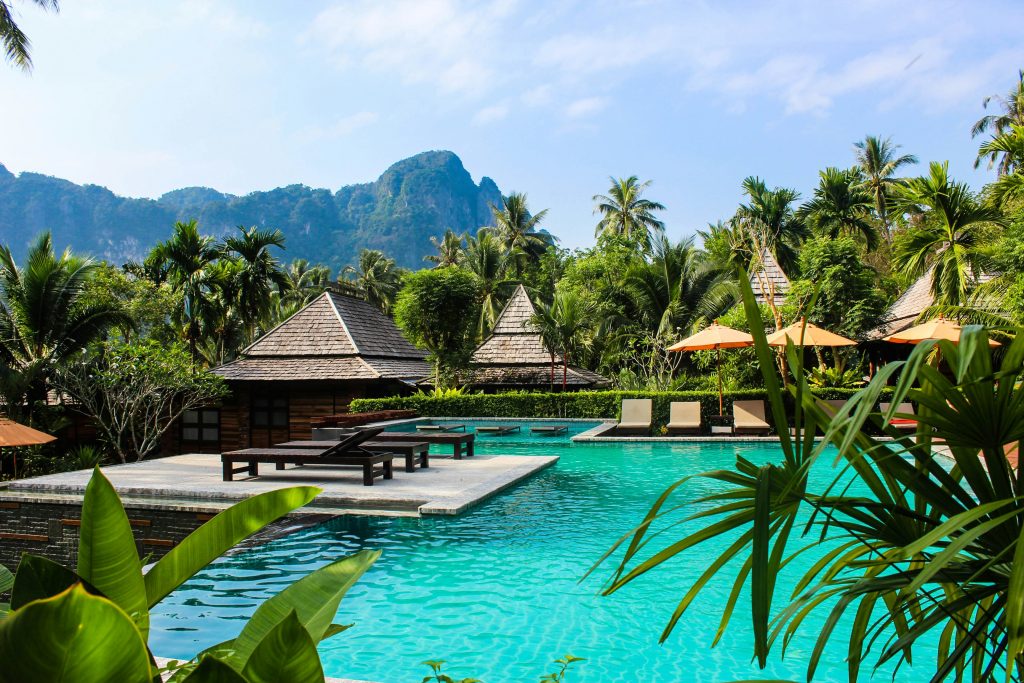
The north (Chiang Mai, Chiang Rai) is typically the most budget-friendly region: expect hostel dorms for $6–$12 a night and basic private rooms for $15–$30. Daily expenses there—including street food, local markets, and temple visits—can be as low as $20–$35.
Budget bungalows or small guesthouses run about $25–$60 per night on less-touristy islands; expect higher costs for popular beaches during peak season. The southern islands (Phuket, Koh Samui, Koh Phi Phi) command higher prices due to demand and logistics. A balanced trip often mixes several days in the north with a shorter island stay to get both culture and beach time without blowing your budget.
Optimal Travel Windows to Avoid Peak Pricing
344 mm of rain falls in Bangkok in an average September across 18 rainy days, against 10 mm on a single rainy day in December.
Peak season (November–February) brings the best weather but also the highest prices and the biggest crowds. For better value, consider shoulder months like April, May, or September when accommodation and tour prices drop while the weather remains generally pleasant—though expect occasional showers in the rainy season.
If beach time is your priority, check regional monsoon patterns (the Gulf and Andaman coasts have different wet-season timing) and aim to travel slightly outside school holidays to avoid inflated rates.
Practical Tips for Domestic Travel
Overnight trains and buses are budget-friendly ways to cover long distances while saving on a night’s lodging. For cost-conscious flyers, monitor budget carriers such as AirAsia, Nok Air, and Thai Lion Air; short domestic flights can be surprisingly cheap when booked in advance.
Sample quick budget snapshot: hostel dorm $8, street meal $1–$3, island ferry $5–$20 depending on route. For short hops inside cities, use Grab for transparent pricing on rides, or rely on songthaews and tuk-tuks for very short trips (negotiate fares for tuk-tuks ahead of time). Compare train vs. flight prices on fare-tracking tools or route-planning tools to decide whether time savings are worth the extra cost.
Indonesia: Stretching Your Dollar Beyond Bali
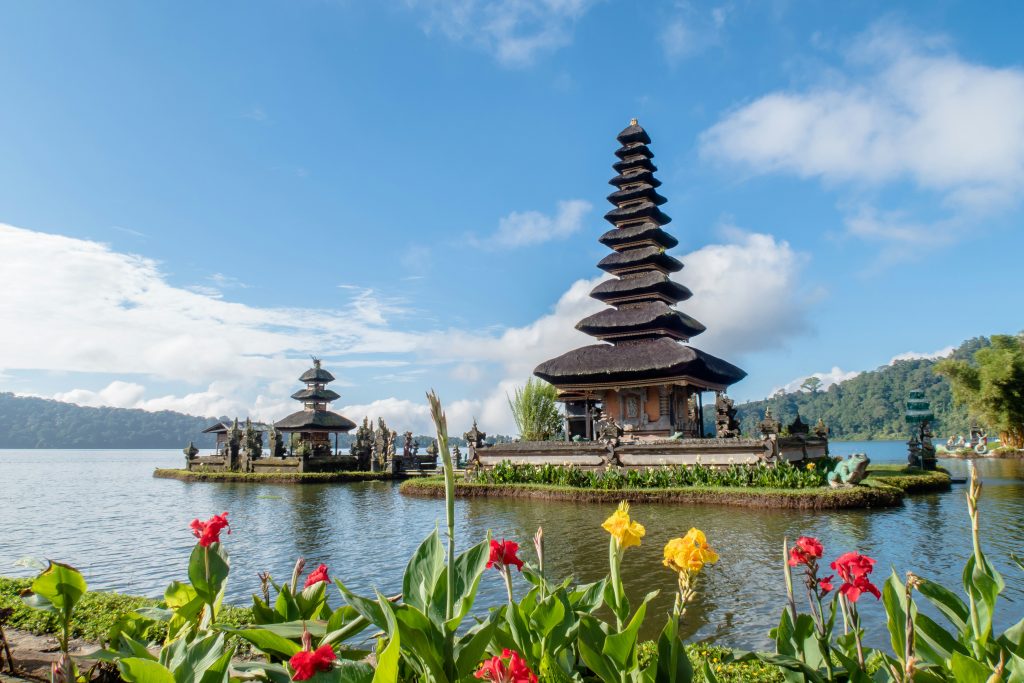
Indonesia’s value goes well beyond Bali — the archipelago’s lesser-known islands like Java, Flores, and Sulawesi deliver authentic culture, dramatic landscapes, and much lower prices. For budget travelers seeking islands, beaches, volcanic scenery, and cultural sites, Indonesia is one of the best places to stretch a travel budget while enjoying memorable experiences.
Managing Daily Expenses Outside Tourist Hubs
Embracing local life is the quickest way to cut costs in Indonesia — budget first for the compulsory Bali tourist levy of IDR 150,000 (about $10) per person, paid through the Love Bali portal before you land. In cities like Yogyakarta or towns on Sulawesi, typical street-food meals run under $2–$3, a motorbike taxi ride is often $0.50–$2, and simple guesthouse private rooms cost $10–$25 per night. That makes it easy to keep a daily travel budget low while enjoying local food and markets.
Practical tips: skip Western chains, buy fruit and snacks at pasar stalls, and rent a scooter for short distances where safe. These choices lower daily costs and deepen your cultural experience compared with tourist-focused areas.
Seasonal Considerations for Budget Travelers
25 mm of rain falls in Denpasar, Bali, in an average August across four rainy days, against 345 mm over 27 days in January.
Peak season (July–August) and holiday weeks push prices up on popular islands. Shoulder months like May and September usually offer better prices and fewer crowds. The rainy (green) season — November to March — can produce daily showers but often brings the lowest prices on accommodation and tours; landscapes are lush and fewer tourists mean bargaining power.
Note island differences: Lombok and Flores have slightly different peak windows than Bali, so check region-specific weather before booking. If beaches are your priority, plan around local dry seasons to avoid cancellations and extra costs.
Efficient Transit Between Islands
Typical short domestic fares can be under $30 if purchased in advance, but watch baggage rules as low fares may exclude checked luggage. Moving between islands can be affordable with planning. Budget airlines such as Lion Air and Citilink frequently run sales on domestic routes — set fare alerts and book early to lock in the cheapest flights.
For a more adventurous (and cheaper) option, Pelni ferries connect major islands at very low prices; tickets are rustic but ideal for long-haul island hops. Safety tips: when taking ferries, check schedules in advance, arrive early, and confirm vessel condition and life-jacket availability. For island-hopping itineraries, mix budget flights and Pelni/ferry legs to balance time and cost. Consider low-cost local tours for day trips rather than expensive resort packages to keep your trip affordable.
India: High Value for Low-Cost Exploration
Rs 1,100 is the foreign-visitor entry fee at the Taj Mahal, with a further Rs 200 to enter the main mausoleum; Indian nationals pay Rs 50.
India offers perhaps the highest experience-per-dollar of any major travel destination. From Himalayan treks to coastal backwaters and grand palaces, the country delivers rich culture, legendary food, and varied landscapes at low cost—making it one of the top budget travel countries for long trips or slow travel.

Budgeting for Diverse Regional Costs
In Rajasthan or around classic tourist routes, modest guesthouses and budget hotels commonly run $15–$25 per night, while hostel dorms in big cities can be under $10. Daily expenses vary widely by region and travel style. A simple local meal often costs $1–$3; a mid-range restaurant meal is typically $5–$12. A realistic city-day budget (meals, local transport, basic entry fees) can be $20–$35, while heritage-focused travelers staying in nicer guesthouses should budget $30–$60 per day.
Practical saving tips: eat at local markets and dhabas, take shared transport, and book homestays in smaller towns to keep costs down without missing authentic experiences.
Timing Your Visit for Ideal Climate and Prices
1 June is the normal onset date for the southwest monsoon over Kerala, after which the rains advance north across the country through June and into July, on India Meteorological Department normals.
The best overall window is October–March when much of India is cooler and drier; this is also peak season, so prices and crowds rise. For better value, travel in shoulder months like March or October when weather is still reasonable and accommodation rates can be lower. Avoid the intense heat of April–June in large parts of the country unless you plan to head to the mountains.
Monsoon season (June–September) offers lower prices in many regions and lush landscapes, but heavy rains can disrupt travel—plan accordingly if you’re seeking the cheapest rates.
Navigating Long-Distance Rail and Air Travel
India’s rail network is a budget traveler’s backbone. Booking AC 3-tier or 2-tier berths through IRCTC or reputable resellers lets you cover long distances affordably and relatively comfortably. Typical long-distance sleeper fares vary by route and class but remain far cheaper than equivalent flights; for many travelers, trains are the best compromise of cost and convenience.
If you’re short on time, domestic budget airlines (IndiGo, SpiceJet, Air India Express) often have competitive fares—book early and watch for baggage fees. Recommended practice: compare train vs. flight time and total cost on tools like route-planning tools or fare-tracking tools before deciding. Small tips: reserve sleeper tickets as soon as your itinerary is fixed, carry photocopies of ID required for some bookings, and be ready for local tipping customs in certain service settings.
Nepal: Affordable Adventure in the Himalayas
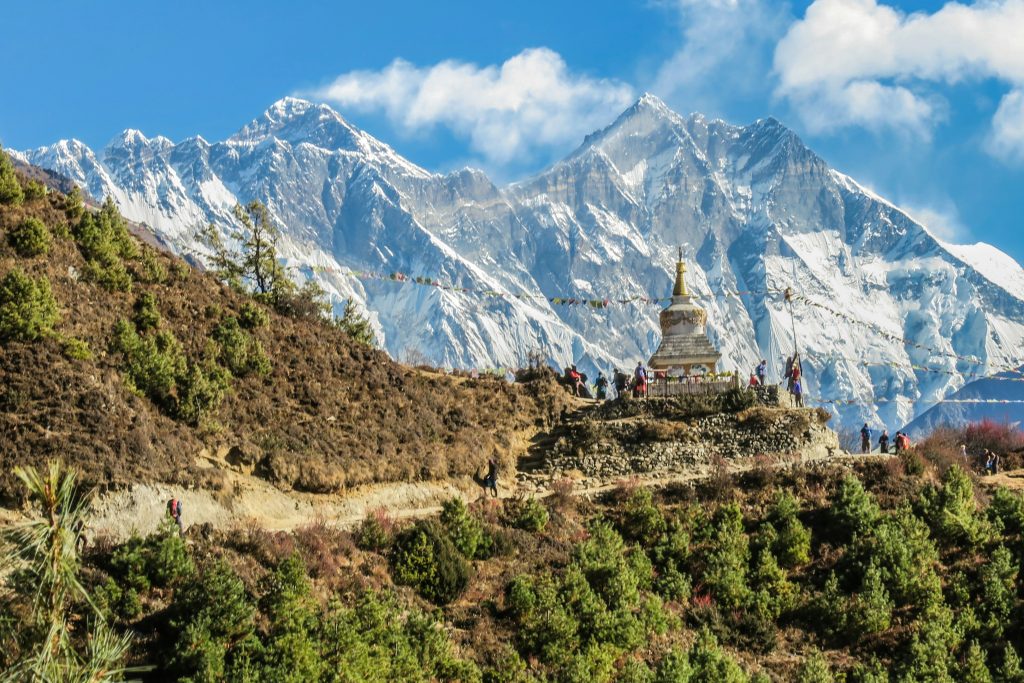
If your idea of value is a sunrise over the world’s tallest peaks, Nepal is one of the best places to turn that dream into an affordable reality. This compact country consistently ranks among the top budget travel destinations for trekkers and culture seekers alike—offering tea-house trekking, lively markets, and historic temples at prices far below most mountain regions.
Daily Costs for Trekkers and City Explorers
In Kathmandu or Pokhara, a comfortable daily budget of roughly $30–$40 typically covers a guesthouse, local meals, and modest sightseeing. A hearty plate of dal bhat often costs just a few dollars, keeping food expenses low.
On the trail, expect tea-house-style budgeting: $25–$35 per day usually covers a bed, three simple meals, and basic hot drinks—though prices rise with altitude and remoteness. Example prices to plan around: local bus rides $1–$5, guesthouse private room $10–$30, tea-house dinner $3–$6.
Best Seasons for Mountain Visibility and Value
For the clearest mountain views, travel in the post-monsoon window of October–November—the skies are crisp but crowds increase. If you prefer fewer hikers and lower costs, aim for the spring shoulder season (March–April), when rhododendrons bloom and the trails are quieter.
Avoid peak winter unless you have specialized cold-weather gear; the best value often appears just outside the busiest months. Always check current trail conditions and local forecasts before heading out.
Logistics of Moving Through Mountainous Terrain
Popular treks (Annapurna, Everest Base Camp) now require a licensed guide booked through a registered agency plus an agency-issued e-TIMS card and park fees—budget roughly $30-$40 a day for the guide on top of your tea-house costs. Getting to trailheads typically combines local buses, private transfers, or short domestic flights. Flights like Kathmandu–Lukla save days of travel but cost more—book early if you need the time savings.
Tea houses are the backbone of budget trekking—simple lodges that provide shelter and meals so you don’t need to carry heavy camping gear. Practical safety tips: build acclimatization days into your itinerary, carry basic altitude-sickness medication, drink plenty of water, and buy travel insurance that covers high-altitude rescue/evacuation. Quick packing essentials for shoulder-season treks: warm layers, waterproof shell, sturdy boots, headlamp, and a basic first-aid kit.
Want to protect your trip? Add travel insurance and set a flight-alert for Kathmandu to lock in the best fares—small steps that keep this incredible adventure firmly within a budget-friendly plan.
Bolivia: The Most Economical Gateway to South America
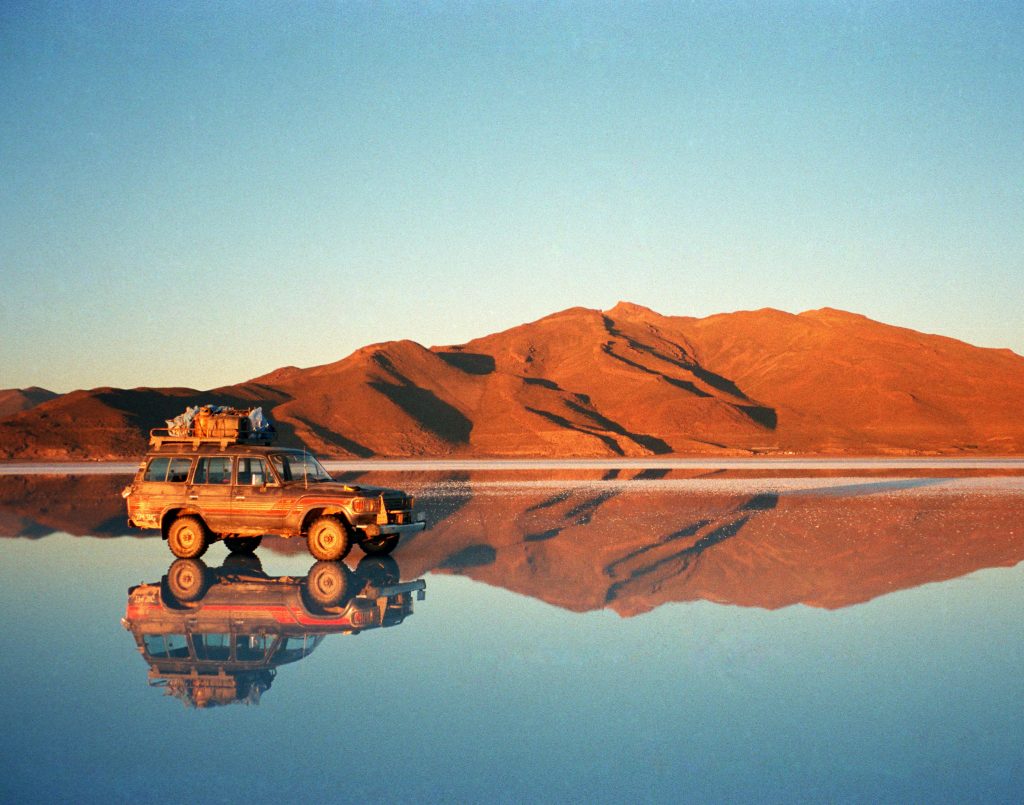
If you want maximum adventure for minimal cost, Bolivia is one of the one cheapest countries to visit in South America. Its vast altiplano, dramatic salt flats, and lively markets make it a favorite for travelers looking for raw landscapes and cultural authenticity without high prices. From La Paz to Uyuni, your money buys a lot here—especially compared with many neighboring countries.
Daily Spending Estimates for Backpackers
Most backpackers can comfortably travel Bolivia on about $25–$40 per day. That typically covers a dorm bed or basic private room, meals at local markets, and local transport. Sample prices to plan with: hostel dorm $6–$12, simple private room $12–$30, “menu del día” lunch $2–$5.
Guided excursions—especially Uyuni Salt Flats tours—add cost: a standard one-day Uyuni tour often runs $25–$60 depending on transport and inclusions; multi-day excursions that include accommodation and meals range higher. Always budget extra for tours and remote-area logistics, and carry small bills since change can be hard to find outside major towns.
When to Visit for Dry Weather and Lower Rates
The dry season (May–October) is ideal for visiting the salt flats and for photography—surfaces are dry and travel conditions are stable. Traveling in shoulder months like April or November can give you fewer crowds and slightly lower prices while still offering decent weather.
To save even more, avoid peak holiday weeks and look for mid-week departures on tours. Booking a Uyuni tour just outside the busiest months can reduce the price and improve your bargaining power.
Managing Travel Times Across High Altitudes
Overnight buses are a smart budget option that also saves on a night’s lodging; expect fares ranging from $10–$30 depending on distance and bus class. Bolivia’s geography means long bus rides are common—many intercity trips take eight to twelve hours.
Altitude is the biggest travel consideration here. Plan an acclimatization day or two in a lower-elevation city like Sucre before heading to La Paz or the Altiplano. Simple precautions—hydration, slow pacing, light activity on day one, and carrying basic altitude medication if recommended by your doctor—go a long way. For remote tours, pack a small medical kit, sunscreen, and layered clothing to handle wide temperature swings.
The Cheapest Countries to Visit in Eastern Europe: Bulgaria
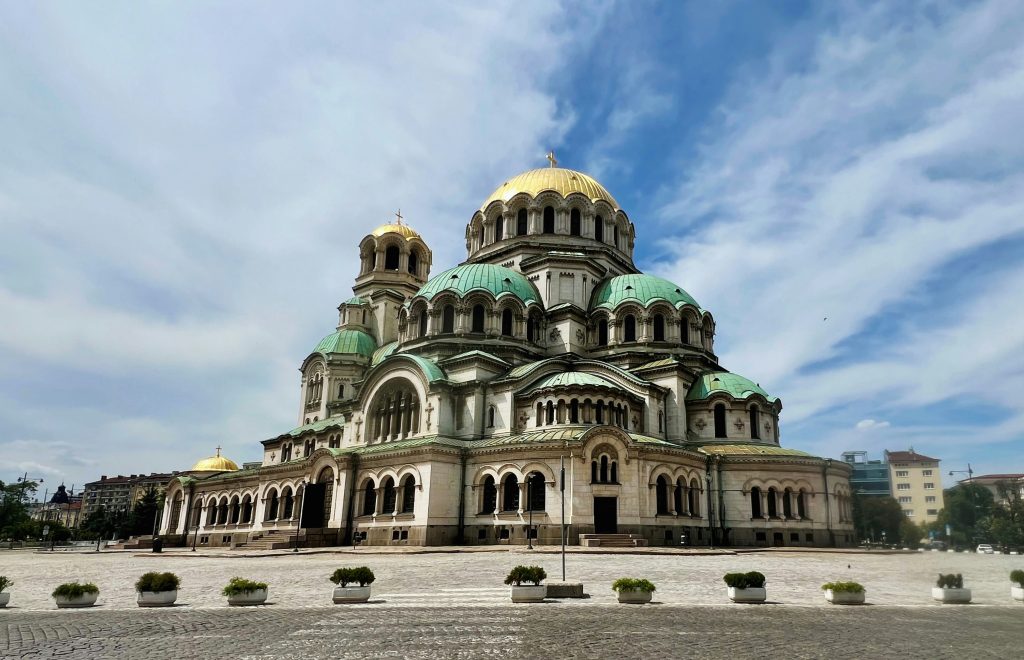
Bulgaria is one of Europe’s best-kept budget secrets — and since it swapped the lev for the euro on 1 January 2026, there is no exchange step to worry about, though changeover rounding has nudged some prices up. It delivers history, mountains, and sun-soaked beaches for a fraction of Western Europe’s prices—making it a top place for travelers who want the European experience without the high cost.
Cost Comparison with Western European Destinations
Expect significantly lower prices in cities like Sofia and Plovdiv compared with Paris or Rome. A coffee or casual meal often costs a small fraction of Western European rates, and a full dinner with local wine can be cheaper than a single appetizer in more expensive capitals.
Typical nightly accommodation: hostel dorms $8–$15, budget private rooms or guesthouses $25–$45, and mid-range hotels still under many Western-city prices. That makes Bulgaria a strong option for travelers seeking quality accommodation and local culture on a tight budget.
Best Months for Coastal and Mountain Trips
For Black Sea beaches, June and September offer warm weather with fewer crowds and better prices than peak July–August. Mountain hiking is best in summer (June–September) when trails in Rila and Pirin are clear. Winter sports travelers can find affordable skiing in Bansko from January to March—book outside major holiday weeks for the lowest rates.
Be aware of festival weekends and national holidays, which can raise accommodation prices in popular towns—plan mid-week stays when possible to secure better deals.
Getting Around via Bus and Rail Networks
Sample local transport prices: intercity bus tickets often under $10–$20 depending on distance. Bulgaria’s bus network is extensive and cheap—buses reach small towns the trains miss. Rail connections link Sofia, Varna, and Plovdiv; trains may be slower but offer scenic rides and low fares.
A sample weekend in Sofia on a tight budget could include: hostel dorm $10, three street-food meals $12 total, tram/bus rides $4, and a museum or cathedral entry—totaling roughly $40–$60 for two days. Tip: buy tickets at stations or via the official BDZ rail site and reputable bus company apps to avoid third-party markups.
Turkey: Where Culture Meets Affordability
Turkey is a standout destination where deep history, vibrant markets, and Mediterranean beaches meet remarkably affordable prices. As a transcontinental country, it offers a wide range of experiences—from Istanbul’s bazaars to Aegean coves—making it one of the best places for travelers who want culture and comfort without breaking the bank.

Budgeting for Urban and Coastal Experiences
In Istanbul, budget travelers can find clean guesthouses and hostels in popular neighborhoods (Sultanahmet, Beyoğlu) for roughly $25–$50 per night. Street food—simit, doner, gözleme—keeps meal costs low (often under $5), while a solid mid-range dinner typically runs $8–$20. On the coast (Antalya, Fethiye), family-run pensions and small boutique hotels outside resort strips offer beachfront access for far less than many other Mediterranean destinations.
Sample daily budgets: tight-budget city day $25–$40 (hostel, street food, public transit), comfortable coastal day $45–$80 (pension/private room, meals, local transport). Choosing neighborhoods a short tram or dolmuş ride from major sites cuts accommodation prices without sacrificing convenience.
Optimal Travel Times for Mild Weather and Savings
Visit during shoulder seasons—April–May or September–October—for mild weather, fewer crowds, and lower prices than peak summer. These months are ideal for exploring archaeological sites like Ephesus or taking boat trips along the Turquoise Coast without peak-season surcharges.
Avoid major Turkish holidays if you want the best prices, and check local event calendars (festivals, public holidays) that can raise accommodation rates in popular towns.
Efficient Transit Options for Long Distances
Turkey’s intercity bus network is efficient and budget-friendly; companies such as Kamil Koç and Metro Turizm run modern coaches with reclining seats at low prices—often cheaper than overnight trains. For longer routes, domestic flights (Pegasus, AnadoluJet) can be exceptionally cheap when booked a few weeks ahead—compare flight prices on fare-tracking tools to find the best deals.
Practical safety note: exercise normal tourist caution in busy markets and around major sites—use hotel safes for valuables and agree taxi fares in advance if meters aren’t used. Micro-CTA: set a flight alert to catch low domestic fares and compare bus vs. flight time to decide if saving hours is worth the extra cost.
Colombia: Value and Diversity in South America
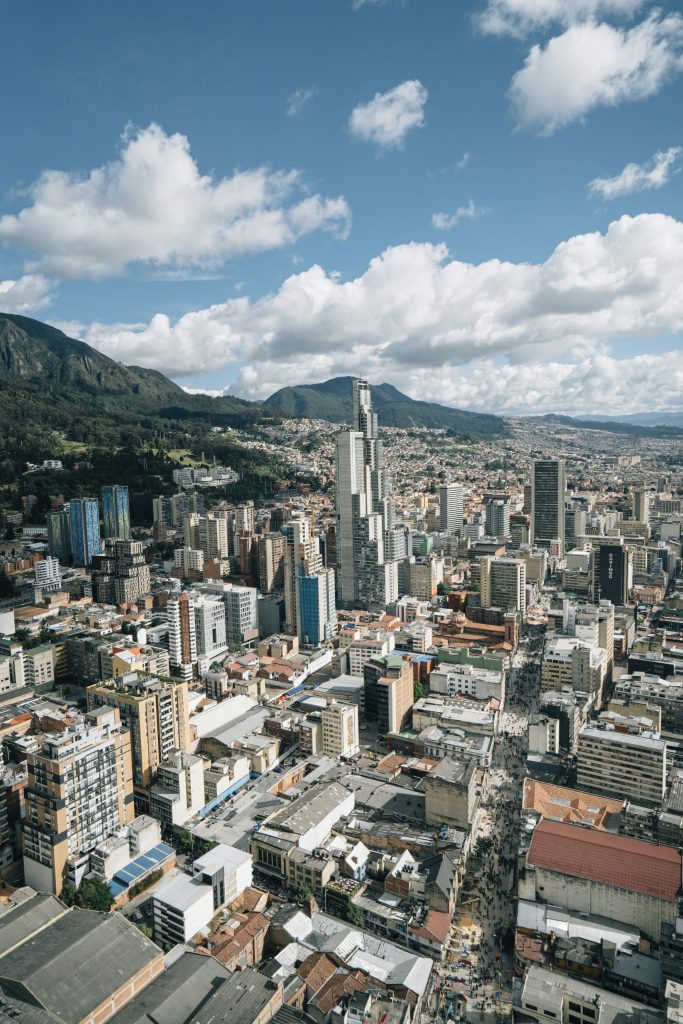
Colombia blends lively cities, coffee-country charm, and Caribbean coastline into a surprisingly affordable package. It’s one of the best places in South America for travelers who want diversity—culture, nature, and food—without high daily costs. From Medellín’s innovation scene to Cartagena’s colonial streets, you can enjoy a rich trip while keeping your budget intact.
Daily Budgeting for Cities and Rural Areas
In major cities like Medellín or Bogotá, plan a daily budget of about $35–$50 to cover a private hostel room or budget hotel, local meals, simple transport, and a few paid experiences. Typical prices: street food or local lunch $2–$5, a café coffee $1–$3, private guesthouse room $15–$35.
Outside the cities—in the Coffee Triangle, smaller Caribbean towns, or rural areas—daily costs often drop below $30. Staying in family-run guesthouses or finca stays not only lowers prices but also provides authentic experiences and supports local communities.
Best Times to Visit for Favorable Exchange Rates
The dry season (December–March) is the safest bet for weather and reliable travel, though prices rise over the December holidays. For extra savings, watch exchange rates: a weaker peso versus the dollar can significantly stretch your travel money, so set an alert if you plan your trip months ahead.
If beach time is your priority, check regional weather: the Caribbean coast is dryer in December–April, while the Pacific coast has different seasonal patterns. Timing your visit by region helps you avoid weather-related cancellations and last-minute price hikes.
Navigating Domestic Flights and Bus Routes
Because of Colombia’s mountainous terrain, domestic flights often save time and can be affordable when booked early. Budget carriers like Wingo and EasyFly frequently run sales—set fare alerts to catch those deals for routes between Bogotá, Medellín, Cartagena, and beyond.
Sample quick costs: short domestic flight <$30–$60 on sale, long-distance bus $10–$30 depending on route. For shorter trips or scenic travel, intercity buses (companies such as Bolivariano) are comfortable and low-cost. Compare flight vs. bus time and total cost before booking: sometimes a short flight is worth the extra price; in other cases, an overnight bus saves both money and a night’s accommodation.
Philippines: Island Hopping on a Shoestring
The Philippines is a paradise for beach lovers and a top budget travel country for island seekers. With thousands of islands, crystal-clear water, and friendly local hospitality, it’s one of the best places to combine adventure and relaxation without overspending. Choosing local options—guesthouses, carinderias, and public boats—keeps your trip authentic and affordable.

Cost Management for Island-Based Travel
Family-run guesthouses and simple beach bungalows commonly range $20–$40 per night, while meals at carinderias (local eateries) or street stalls cost a few dollars—try adobo or grilled seafood for an authentic, cheap meal. Adopting a local lifestyle dramatically lowers costs.
Sample island-day budget: budget bungalow $25, three local meals $8–$12, local transport/ferry $5–$15 = roughly $40–$55 per day. Rent a scooter for short trips where safe, and prioritize local markets over tourist restaurants to stretch your money further.
Avoiding Peak Typhoon Seasons for Better Value
Weather matters: the main typhoon season runs roughly June–October and can disrupt travel plans in some regions. For the most reliable island-hopping conditions (and the best prices for activities that actually run), aim for the dry season—December to April—or the shoulder months of November and May for lower airfare and accommodation prices.
Regional note: the Philippines is large—typhoon timing and rainfall can vary by island, so check local forecasts before booking. Traveling just outside peak typhoon months often yields the best combination of weather and value.
Logistics of Inter-Island Transportation
Combine budget flights with ferries to cover ground efficiently. Cebu Pacific and AirSwift frequently run sales—set fare alerts to catch cheap inter-island flights. For short hops, local ferries and traditional bancas are the norm; book ferry tickets in advance during holidays and peak weekends to avoid sold-out crossings.
Practical safety tips for remote islands: carry a basic first-aid kit, check departure times the day before travel, and bring small cash for island fares and purchases. Mix low-cost flights for longer legs and ferries for scenic, cheaper connections to craft an island-hopping route that keeps costs down while maximizing beach and snorkeling time. CTA: set a flight alert and compare ferry schedules now to lock in the best island-hopping prices.
Georgia: The Hidden Gem of the Caucasus
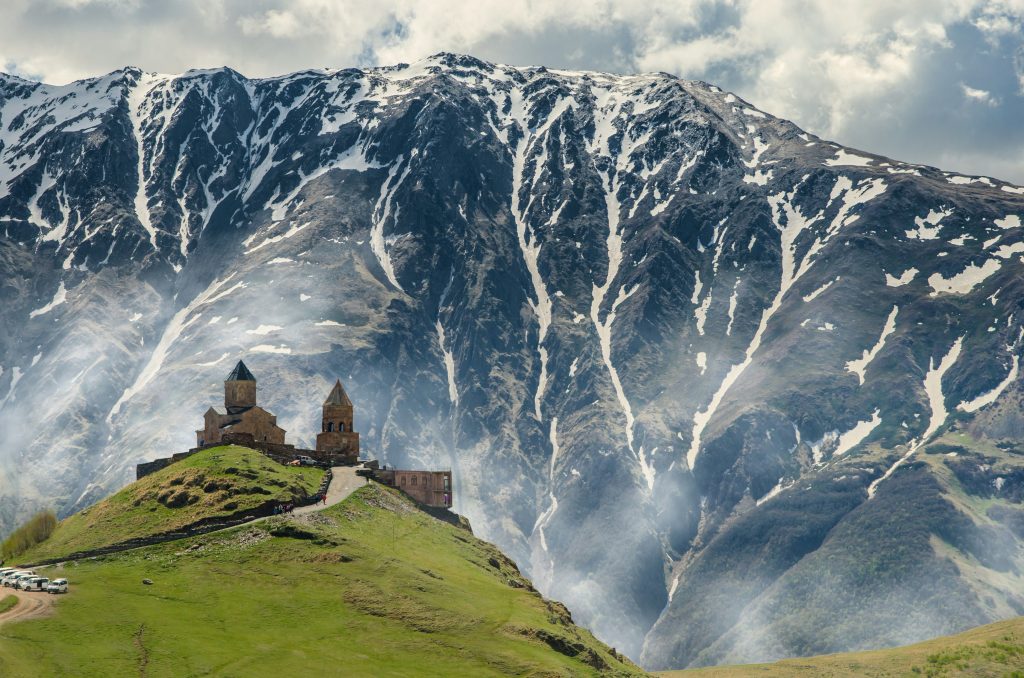
Georgia is a compact, budget-friendly country in the Caucasus that rewards curious travelers with ancient traditions, warm hospitality, and dramatic landscapes. It’s one of the best places for those who want authentic culture, excellent food and wine, and outdoor adventure without high prices.
Daily Expenses for Food, Wine, and Lodging
Georgia is remarkably affordable: cozy guesthouses commonly cost $20–$30 per night, and a filling local meal—think khachapuri or khinkali—can be just a few dollars. With local markets, inexpensive public transport, and budget accommodation options, many travelers keep daily costs under $50 while enjoying high-quality experiences.
Wine lovers get extra value here—Georgia’s millennia-old wine culture means a good glass in a Tbilisi tavern often costs under $5. For budget-conscious food and wine experiences, opt for family-run tastings and local restaurants rather than tourist-focused wine tours.
Best Seasons for Hiking and Cultural Festivals
For hiking, June–September offers clear skies and the best mountain conditions in regions like Svaneti and Kazbegi. Autumn (September–October) is an especially rewarding time for culture: the Rtveli grape harvest festival brings lively village celebrations, local food, and lower accommodation prices than peak summer.
If your priority is lower prices and festivals, plan around autumn Rtveli dates or shoulder-season travel—these windows balance pleasant weather, fewer crowds, and better deals on lodging.
Navigating Mountainous Regions and City Centers
Getting around Georgia is affordable and straightforward. In Tbilisi, the metro and city buses are cheap and efficient; expect very low fares for short trips. For regional travel, marshrutkas (shared minibuses) are the standard: inexpensive but often crowded—carry small change and be ready for flexible schedules.
For remote mountain routes, consider hiring a private driver for groups (it can be cost-effective when split) or combine public marshrutkas with short taxi legs. Practical tips: learn basic marshrutka etiquette, book guesthouses in advance during festival weekends, and combine a few days in Tbilisi with mountain hikes (e.g., a city-to-Kazbegi day trip) to maximize your experience-per-dollar.
Guatemala: Budget-Friendly Mayan Heritage
Guatemala sits at the heart of Central America’s best value travel places—offering lush volcano views, living Mayan culture, and vibrant markets for far less than many nearby destinations. It’s ideal for travelers who want history, hiking, and local life without a high price tag.

Daily Cost Estimates for Travelers
Backpackers can comfortably explore Guatemala on about $30–$50 per day. That typically covers a clean hostel or budget guesthouse, local meals, and entry fees to major sites. Sample prices: local market meals $2–$5, hostel dorms $8–$15, private guesthouse rooms $20–$40.
Tip: dining at local comedores or market stalls and choosing smaller towns over tourist hotspots stretches your budget further and supports local businesses. For a quick comparison, expect Antigua to be on the higher end of the range while Lake Atitlán villages tend to be cheaper if you avoid peak holiday weeks.
Optimal Months for Dry Weather and Lower Costs
The dry season (November–April) is best for outdoor activities and clear volcano views, but it’s also the busiest. To save money and avoid crowds, travel in shoulder months like November (after the rainy season ends) or April (before the main high season). These windows often yield lower accommodation prices while still offering good weather.
Avoid major holiday weeks (Christmas, Semana Santa) if you’re hunting for the best rates—booking slightly outside these dates usually results in cheaper prices and a more relaxed experience.
Transportation Tips for Regional Travel
Getting around Guatemala affordably is part of the experience. The iconic “chicken buses” are the cheapest option and connect most towns; fares are very low but expect basic comfort and unpredictable schedules. For safer, more comfortable long-distance travel, shared tourist shuttles are a popular mid-range option with easy booking and clearer timetables.
Practical safety note: keep valuables secure on public buses, carry small bills for fares, and consider booking reputable shuttle companies for night travel or longer routes. For authentic, community-minded experiences, look for locally run tours and guides—these often cost little and deliver meaningful cultural encounters while supporting local livelihoods.
Egypt: Historical Wonders on a Budget
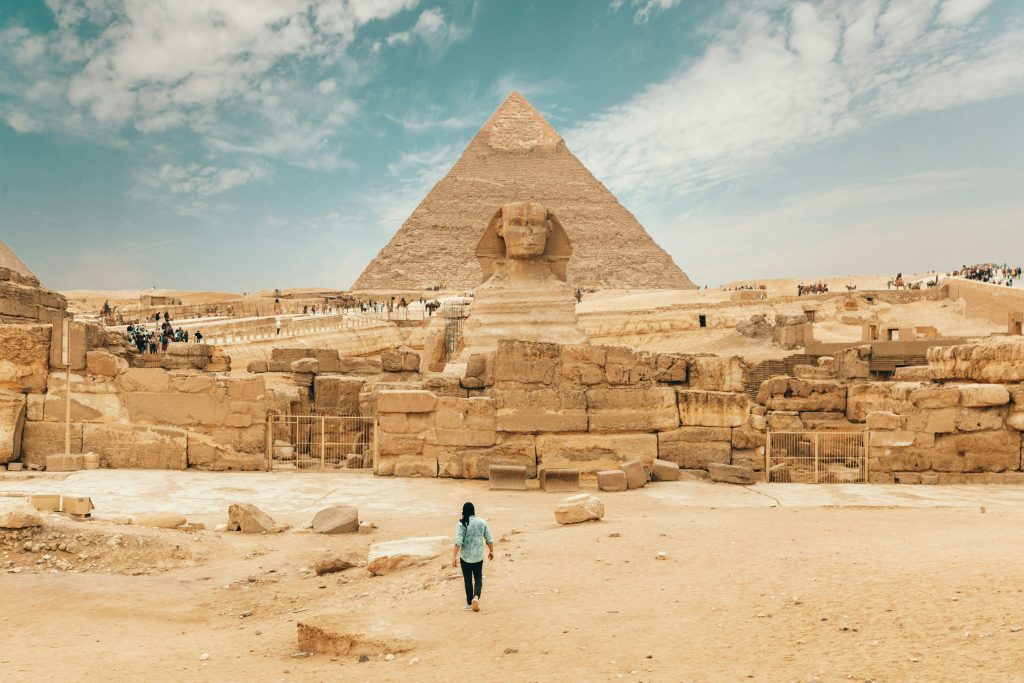
Egypt offers some of the world’s most iconic history for surprisingly low daily costs—making it a top budget destination for travelers who want pyramids, temples, and Nile scenery without breaking the bank. Timing matters there: our guide to the best time to visit Egypt explains why October to April is the comfortable window. With planning, you can see Cairo, Luxor, and Aswan on a modest budget while still enjoying guided tours and comfortable lodgings.
Managing Daily Costs for Sightseeing and Stays
Budget travelers can find affordable guesthouses and hostels in Cairo and Luxor; expect basic private rooms from about $15–$40 per night and hostel dorms cheaper still. Street food like koshary or falafel keeps meal costs low (often $1–$4), while mid-range restaurants typically run $6–$15. Buying multi-day passes or combined tickets for major sites can lower overall entry expenses if you plan to visit several monuments.
Example ticket and tour costs to plan for: Giza plateau entry is EGP 700 (about $15) and pyramid interiors cost extra—the Great Pyramid alone is EGP 1,500, so set aside $50–$70 if you plan multiple entries; a guided Valley of the Kings tour can range from $20–$60 depending on inclusions. Always confirm current prices before booking.
Best Times to Visit to Avoid Extreme Heat
The ideal travel window is October–April, when temperatures are milder and outdoor sightseeing is comfortable. Peak tourist months (December–February) may bring higher accommodation prices, so consider shoulder months like October or March for lower rates and pleasant weather.
Avoid the high-summer heat (June–August) in Luxor and Aswan unless you plan indoor or Nile-based activities; high temperatures can make daytime sightseeing exhausting and may add unexpected costs for extra water, cooling, or altered itineraries.
Navigating Distances Between Major Historical Sites
Moving between Cairo, Luxor, and Aswan is straightforward. Overnight sleeper trains are a classic budget option that saves on a night’s lodging—book tickets via the official operator or reputable agents and expect variable prices depending on class. For short city journeys, ride-hailing apps and local taxis are inexpensive; agree on fares or use the app to avoid surprises.
If time is limited, domestic flights booked a few weeks in advance can be very affordable and cut travel time dramatically—compare flight vs. train costs on fare-tracking tools or route-planning tools. Practical tips: book official guides for complex sites to deepen your experience and confirm guide credentials; carry sunscreen, a reusable water bottle, and a hat to stay comfortable. Sample 5-day budget itinerary: Cairo (2 days for pyramids & museums), overnight train or short flight to Luxor (2 days for temples & Valley of the Kings), day trip to Aswan or Nile cruise option—budget-minded travelers can plan this loop with a mix of sleeper trains and one internal flight to maximize time and manage costs.
Before you go: turn this guide into a day-by-day plan. Our partner Voyada is a free itinerary builder that builds the route with flights, hotels and a real total cost for your dates — in about a minute.
Create a travel itinerary →More of the Cheapest Countries in Asia
Our thirteen deep dives cover Asia’s headliners, but the continent’s value runs much deeper. Here are twelve more countries where your dollar works overtime — from Silk Road cities to Himalayan valleys almost nobody visits.

Cambodia — roughly $25–45 a day
Angkor Wat alone justifies the flight, and the 3-day pass ($62) may be your single biggest expense: dorms run $3–6, private rooms $15–25, and meals $2–4. Kampot, Koh Rong’s beaches and Battambang round out one of the world’s great shoestring circuits.
Laos — roughly $20–40 a day
Consistently ranked the cheapest country in studies like HelloSafe’s (about $15–18/day is genuinely possible), Laos pairs Luang Prabang’s temples with slow boats down the Mekong. One quirk: the kip can’t be exchanged abroad, so spend it before you leave.
Sri Lanka — roughly $25–45 a day
The post-crisis rebound has made this the best-value island in Asia: $1–2 rice-and-curry lunches, guesthouses at $10–20, and the famous Kandy–Ella train for a few dollars. Beaches, leopard safaris and tea country fit in one compact loop.
Malaysia — roughly $30–50 a day
Penang’s legendary street food costs $1.50–3 a plate, long-distance buses are comfortable and cheap, and Kuala Lumpur’s upscale hotels go for half of what Western cities charge. Southeast Asia’s most underrated deal.
Kyrgyzstan — roughly $20–40 a day
US passport holders get 60 days visa-free, and $30–40 a day buys yurt stays, alpine lakes like Song-Kul and multi-day horse treks. It’s the cheapest genuine mountain adventure on the planet after Nepal and Pakistan.
Uzbekistan — roughly $25–45 a day
Plov and somsa meals rarely top $3, and guesthouses with breakfast run $15–25. Samarkand, Bukhara and Khiva deliver the Silk Road’s greatest architecture at bazaar prices, connected by fast, cheap trains.
Kazakhstan — roughly $25–45 a day
Almaty is one of Asia’s cheapest cool-city breaks — leafy streets, Soviet-era bathhouses, and the Charyn Canyon day trip. Rated among the world’s cheapest destinations by several 2025–26 cost studies.
Armenia — roughly $25–45 a day
Americans get 180 days visa-free. Yerevan’s cafe culture, ancient monasteries and some of the world’s oldest winemaking come at Caucasus prices — think $2 wine and $20 guesthouses — making it a natural pairing with Georgia.
Pakistan — roughly $15–30 a day
The Karakoram Highway and Hunza Valley offer the cheapest world-class mountain scenery anywhere: guesthouses $5–15 and meals about a dollar. It demands more planning than Nepal, which is exactly why prices have stayed frozen in time.
Bangladesh — roughly $15–30 a day
Arguably the lowest daily costs on earth — $1 meals, $10 hotels, and river-boat journeys through the world’s largest delta. Tourism infrastructure is thin, but for seasoned travelers the value is unmatched.
Taiwan — roughly $40–70 a day
Pricier than Southeast Asia but cheap by developed-world standards: night-market feasts for $2–4, a no-tipping culture, superb rail, and free temples and hikes. Frequently the value surprise of East Asia.
China — roughly $40–70 a day
Visa-free transit of up to 240 hours now covers most US itineraries, and once inside, high-speed rail and street food keep daily costs modest. Big-city hotels cost a fraction of their US equivalents.
Here’s all of budget Asia side by side:
| Country | Daily budget | Best for |
|---|---|---|
| Vietnam ★ | $25–40 | Street food, motorbike routes, overall value |
| Thailand ★ | $30–50 | First-timers, islands, infrastructure |
| Indonesia ★ | $25–45 | Islands beyond Bali, surf, volcanoes |
| India ★ | $20–35 | Depth, trains, the lowest big-country costs |
| Nepal ★ | $20–35 | Trekking, mountain views per dollar |
| Philippines ★ | $30–50 | Island-hopping, beaches, diving |
| Cambodia | $25–45 | Angkor, laid-back river towns |
| Laos | $20–40 | Slow travel, the region’s lowest prices |
| Sri Lanka | $25–45 | One-island variety: beaches, safari, tea |
| Malaysia | $30–50 | Food, easy logistics, city comfort |
| Kyrgyzstan | $20–40 | Yurts, alpine treks, visa-free ease |
| Uzbekistan | $25–45 | Silk Road architecture |
| Kazakhstan | $25–45 | Cheap city breaks, canyons |
| Armenia | $25–45 | Monasteries, wine, 180-day visa-free |
| Pakistan | $15–30 | The cheapest great mountains on earth |
| Bangladesh | $15–30 | Rock-bottom costs, zero crowds |
| Taiwan | $40–70 | Night markets, rail, East Asia value |
| China | $40–70 | High-speed rail, visa-free transit |
★ = covered in a full section earlier in this guide. Budgets are per person, per day, backpacker-to-mid-range, excluding international flights.
The Cheapest Countries in Europe and the Caucasus
Europe on a budget is really two maps: the pricey west and north, and everything east and south of it. The Rick Steves forum consensus holds up — go east, go south, and prices can drop by half. (Planning numbers for the whole continent are in our Europe trip cost guide.)
Albania — roughly $35–60 a day
The Albanian Riviera (Ksamil, Himare) faces the same turquoise sea as Corfu at a fraction of Greek prices: hostels $10–15, seafood dinners $8–12, and intercity furgon minibuses for pocket change. Word is out, so prices are climbing — go soon.
Bosnia & Herzegovina — roughly $35–60 a day
Mostar’s bridge and Sarajevo’s bazaars and haunting history cost little: cevapi plates run $3–4 and guesthouses $20–30. In winter it quietly hosts some of Europe’s cheapest skiing on 1984 Olympic slopes.
Kosovo — roughly $30–50 a day
By most measures Europe’s cheapest country — it even uses the euro, yet an espresso is about eighty cents and a hearty dinner $5–8. Prizren’s Ottoman old town and the Accursed Mountains see almost no tourists.
North Macedonia — roughly $30–50 a day
Lake Ohrid is the Balkans’ answer to an Italian lake district, with $25 lakeside guesthouses and $6 grilled-fish dinners. Skopje’s eccentric statue-filled center makes a cheap, odd, memorable stopover.
Serbia — roughly $35–60 a day
Belgrade runs on $6–10 kafana feasts and legendary nightlife where cocktails cost less than a US beer. Novi Sad and the EXIT festival add one of Europe’s best-value summer stops.
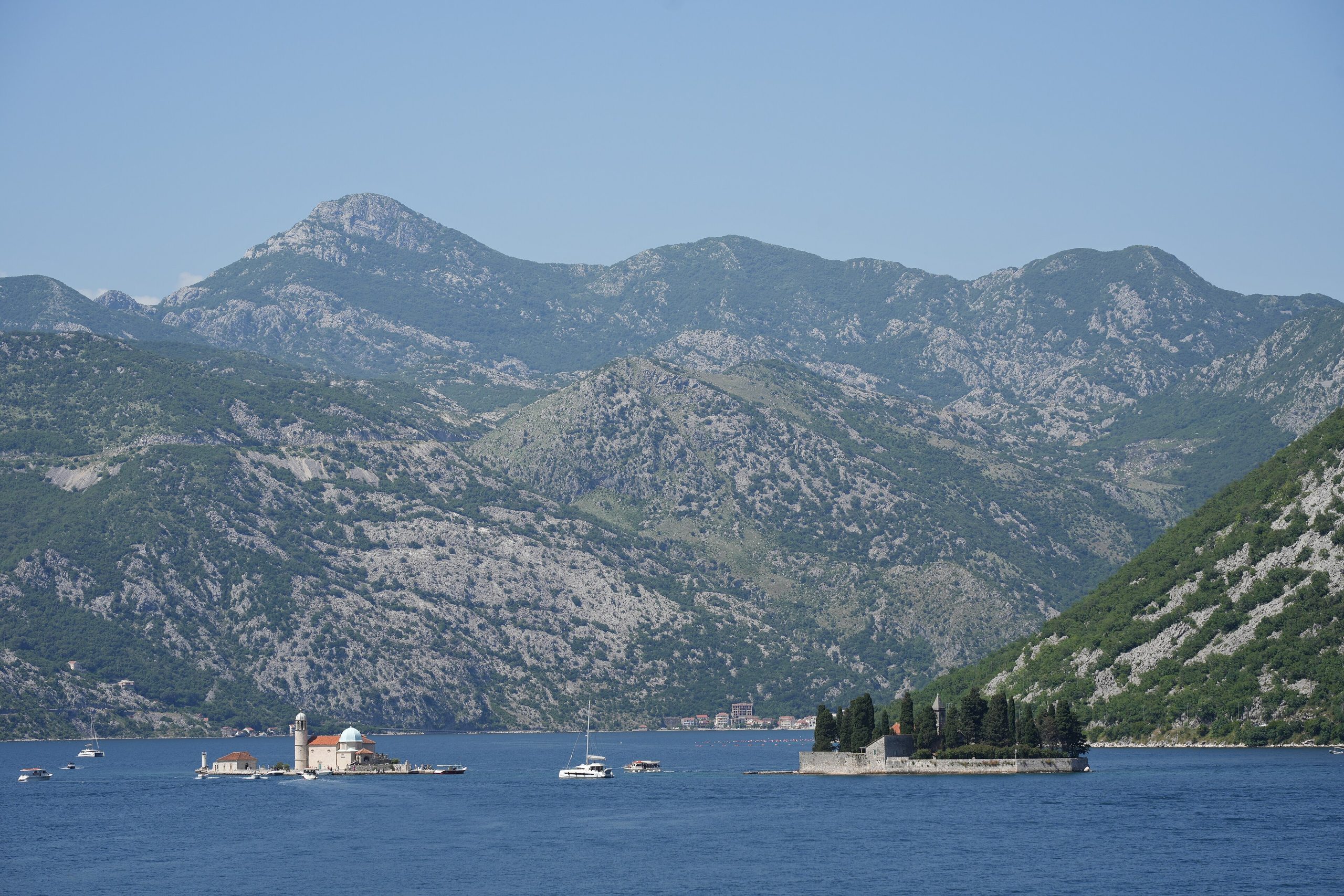
Montenegro — roughly $40–65 a day
The Bay of Kotor looks like a Norwegian fjord at half the price, and a coastal road trip here is one of Europe’s cheapest spectacular drives. Book ahead in July–August, when the coast fills up.
Moldova — roughly $30–50 a day
Europe’s least-visited country is also one of its cheapest, built for wine lovers: Milestii Mici holds the world’s largest cellar and tastings cost a few dollars. Chisinau hotels run half the price of neighboring capitals.
Romania — roughly $40–65 a day
Transylvania’s castles, Brasov’s old town and the painted monasteries of Bucovina come with $10 restaurant feasts and slow-but-scenic trains for a few dollars. One of the EU’s best value-for-substance ratios.
Hungary — roughly $45–70 a day
Budapest’s thermal baths (about $20), ruin bars and $2 metro make it the classic cheap European city break. The forint keeps prices well under Vienna, ninety minutes away.
Poland — roughly $45–70 a day
Krakow may be Europe’s best-value beautiful city: milk-bar lunches for $3–4, pierogi everywhere, and cheap trains to the Tatras. Low-cost flights connect it to the whole continent.
Czech Republic — roughly $50–80 a day
Prague’s center is no longer a secret, but beer is still $1.50–2 a pint — and stepping out to Olomouc, Brno or Cesky Krumlov cuts hotel prices nearly in half.
Portugal — roughly $50–85 a day
Western Europe’s best value: set-menu lunches around €10, excellent $3 wine, and cheap intercity trains. Lisbon and the Algarve have risen sharply in summer, so aim for shoulder season or the interior.
Greece — roughly $50–85 a day
Skip Santorini for Naxos or Sifnos, travel in May–June or September, and Greece becomes a budget destination again: $3–4 gyros, $50 rooms by the sea, and ferries as the scenic transport.
The Baltics: Estonia, Latvia & Lithuania — roughly $50–80 a day
Three medieval old towns (Tallinn, Riga, Vilnius) linked by $10–20 buses, each cheaper than any Western capital. Winter visits drop prices further and add Christmas-market atmosphere.
Budget Europe at a glance:
| Country | Daily budget | Best for |
|---|---|---|
| Kosovo | $30–50 | Europe’s lowest prices overall |
| North Macedonia | $30–50 | Lake Ohrid, offbeat city breaks |
| Moldova | $30–50 | Wine country without crowds |
| Bulgaria ★ | $35–60 | Beaches + mountains + monasteries |
| Albania | $35–60 | Riviera beaches at Balkan prices |
| Bosnia & Herzegovina | $35–60 | History, Mostar, cheap skiing |
| Serbia | $35–60 | Nightlife, festivals |
| Georgia ★ | $30–55 | Food, wine, Caucasus hiking |
| Turkey ★ | $35–60 | Weak-lira value, culture, coast |
| Montenegro | $40–65 | Fjord-like coast, road trips |
| Romania | $40–65 | Castles, Transylvania, trains |
| Hungary | $45–70 | Classic cheap city break |
| Poland | $45–70 | Krakow, food, connections |
| Czech Republic | $50–80 | Beer, beyond-Prague towns |
| The Baltics | $50–80 | Old towns, easy multi-country trip |
| Portugal | $50–85 | Western Europe’s best value |
| Greece | $50–85 | Shoulder-season islands |
★ = covered in a full section earlier in this guide. Budgets are per person, per day, backpacker-to-mid-range, excluding international flights.
56 cheap countries is a lot of options
Tell Voyada your budget and dates, and its ai trip planner narrows the whole world down to the trip that fits — with real flights, hotels and a total price. Free, in about a minute.
Find my budget trip →The Cheapest Countries in the Americas
A $350 round trip to Mexico or Central America changes the math entirely — more on that below. For US travelers the Americas hold a structural advantage no Asian bargain can beat: flights are short and cheap.
Mexico — roughly $35–60 a day
The cheapest major country to reach from the US ($250–450 round trip, often less on sales). Skip the resort zones: in Oaxaca, Mexico City or Merida, tacos run $1, boutique rooms $30–50, and world-class museums a few dollars.
Nicaragua — roughly $30–50 a day
Central America’s cheapest country: $30 surf hostels in San Juan del Sur, colonial Granada, and volcano boarding on Cerro Negro for about $30. Check current State Department guidance before booking.
El Salvador — roughly $30–55 a day
It uses the US dollar, so there’s no exchange math: $2.50 pupusa dinners, El Tunco’s surf beaches, and the scenic Ruta de las Flores. Security has improved dramatically, driving a tourism boom.
Honduras — roughly $30–55 a day
Utila and Roatan offer the cheapest scuba certification on the planet (open-water courses around $300–350, dorm included). Most budget travelers fly or ferry straight to the Bay Islands and add Copan’s Mayan ruins.
Ecuador — roughly $30–55 a day
Another dollarized country: $3 almuerzo lunches, $10 dorms, Quito’s stunning colonial center, Banos’ waterfalls and the Quilotoa loop. (The Galapagos is the famous exception — budget separately.)
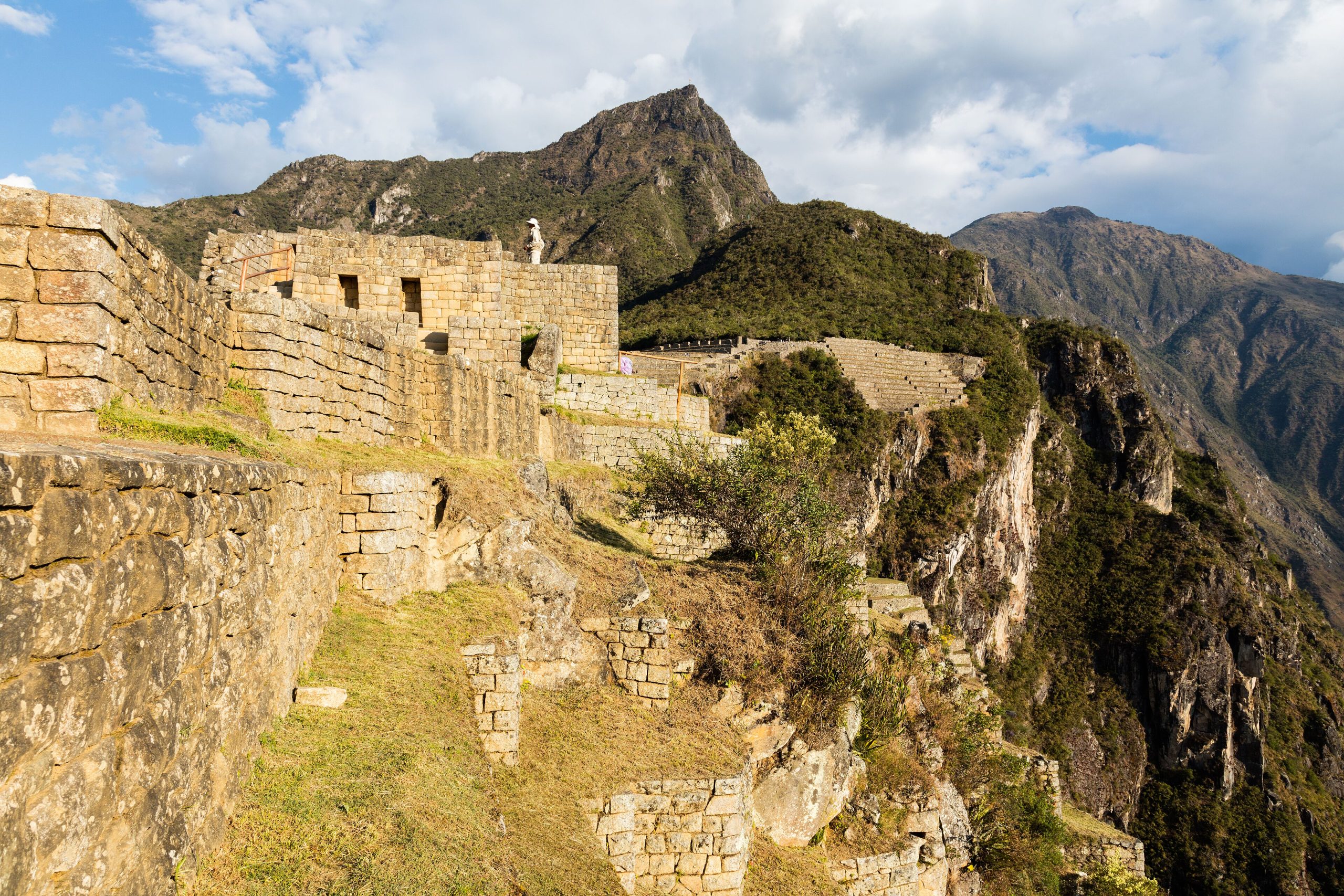
Peru — roughly $30–55 a day
Beyond Machu Picchu’s entry fees, Peru is remarkably cheap: menu del dia lunches for $2–3, Cusco dorms $8–12, and long-haul buses that replace flights. Food alone justifies the trip — Lima eats like a city twice the price.
Argentina — roughly $35–65 a day
Currency swings make prices a moving target, but for dollar-holders it stays remarkable: $10–15 steak dinners, $4 Malbec, and Buenos Aires’ Paris-style architecture at a third of Paris prices.
Cuba — roughly $30–60 a day
Casas particulares ($20–30 with breakfast) make Cuba affordable, but logistics are the catch for Americans: US cards don’t work, so it’s cash-only, and legal travel categories apply. Unbeatable time-capsule atmosphere if you do the homework.
Panama — roughly $40–65 a day
Dollarized and easy, with $15 hostels in Bocas del Toro and Boquete’s coffee highlands. Panama City is the pricey exception, but it’s also the region’s cheapest flight hub thanks to Copa’s network.
Dominican Republic — roughly $40–70 a day
The cheapest Caribbean beaches to reach from the East Coast ($200–400 round trip). Skip the all-inclusives: comedor meals run $4–6, guaguas (local buses) a dollar or two, and Cabarete’s kite beaches stay refreshingly local.
The budget Americas at a glance:
| Country | Daily budget | Best for |
|---|---|---|
| Bolivia ★ | $25–45 | South America’s lowest prices, salt flats |
| Nicaragua | $30–50 | Surf, volcanoes, Central America’s cheapest |
| Guatemala ★ | $30–50 | Mayan sites, Lake Atitlan, Antigua |
| El Salvador | $30–55 | Surf, USD simplicity |
| Honduras | $30–55 | World’s cheapest dive certification |
| Ecuador | $30–55 | Andes-to-Amazon variety, USD |
| Peru | $30–55 | Food, Machu Picchu, trekking |
| Colombia ★ | $30–55 | Cities, coffee region, Caribbean coast |
| Mexico | $35–60 | Cheapest flights from the US, food, depth |
| Argentina | $35–65 | Steak, wine, big-city culture |
| Cuba | $30–60 | Time-capsule travel (cash only) |
| Panama | $40–65 | Islands, easy hub logistics |
| Dominican Republic | $40–70 | Cheapest Caribbean beach flights |
★ = covered in a full section earlier in this guide. Budgets are per person, per day, backpacker-to-mid-range, excluding international flights.
The Cheapest Countries in Africa and the Middle East
Africa’s daily costs can be tiny; the flights usually aren’t. The winning strategy is to stay longer — two weeks-plus — so rock-bottom ground costs absorb the airfare.
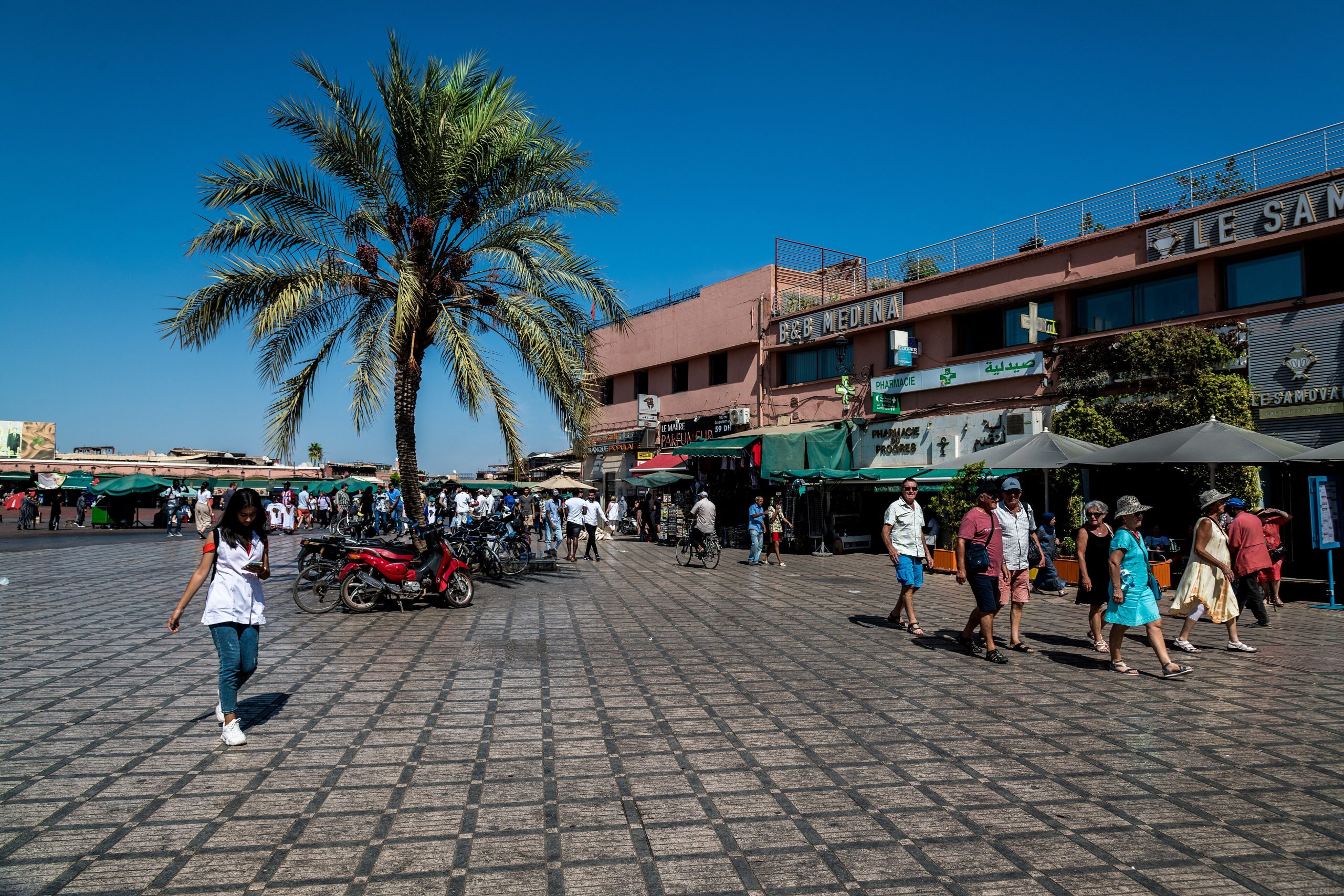
Morocco — roughly $35–60 a day
Africa’s easiest budget entry from the US, with East Coast round trips from about $600. Riads run $25–40, tagines $3–5, and the Marrakech–Fes–Chefchaouen–Sahara circuit is well-worn and cheap by train and bus.
Tunisia — roughly $30–50 a day
Morocco’s crowd-free cousin: Mediterranean beaches, Carthage’s ruins and Star Wars desert sets, all priced in a soft dinar. Resort towns like Sousse sell shockingly cheap shoulder-season stays.
Ethiopia — roughly $25–50 a day
Lalibela’s rock-hewn churches and the Simien Mountains at $1–2 injera meals and $15–25 hotels. Flying Ethiopian Airlines internationally unlocks steep discounts on domestic hops. Check current regional security advisories when planning.
Kenya — roughly $40–70 a day
Safaris don’t have to cost $500 a day: group camping trips to the Maasai Mara run $150–250 all-in, and Diani Beach delivers Indian Ocean sand at backpacker prices.
Tanzania — roughly $40–75 a day
Zanzibar’s guesthouses ($20–35) make the beach half cheap; the Serengeti half is where budgets strain, so book a group camping safari (about $200/day) rather than a lodge circuit.
South Africa — roughly $40–70 a day
The weak rand turns Cape Town, the Winelands and Kruger self-drive safaris into mid-range trips at budget prices — $8 wine-estate tastings, $60 safari-park cottages. The catch is the $900–1,300 flight: stay two weeks-plus.
Jordan — roughly $50–80 a day
The priciest entry here, but the Jordan Pass (from about $99) bundles your visa with Petra and 40 other sites, falafel dinners cost $1–2, and Wadi Rum desert camps run $25–40 — excellent value for a bucket-list itinerary.
Africa and the Middle East at a glance:
| Country | Daily budget | Best for |
|---|---|---|
| Ethiopia | $25–50 | Rock churches, highlands, lowest costs |
| Tunisia | $30–50 | Crowd-free Mediterranean |
| Egypt ★ | $30–50 | Pyramids, Nile, weak-pound value |
| Morocco | $35–60 | Easiest intro, medinas, desert |
| Kenya | $40–70 | Budget group safaris, beaches |
| South Africa | $40–70 | Self-drive safari, wine, cities |
| Tanzania | $40–75 | Zanzibar + Serengeti combos |
| Jordan | $50–80 | Petra via the Jordan Pass |
★ = covered in a full section earlier in this guide. Budgets are per person, per day, backpacker-to-mid-range, excluding international flights.
The True Cost from the US: Flights Change the Ranking
Here’s what almost every “cheapest countries” list ignores (and what travelers on Reddit and travel forums keep pointing out): daily budgets exclude the flight, and the flight is often your biggest cost. Add typical US round-trip fares to mid-range daily budgets and the ranking reshuffles completely:
| Country | Typical round trip from US | Mid-range daily budget | ≈ 1-week total | ≈ 2-week total |
|---|---|---|---|---|
| Mexico | $250–450 | $45 | ~$665 | ~$980 |
| Guatemala | $300–500 | $40 | ~$680 | ~$960 |
| Dominican Republic | $200–400 | $55 | ~$685 | ~$1,070 |
| Colombia | $300–550 | $40 | ~$705 | ~$985 |
| Peru | $450–650 | $45 | ~$865 | ~$1,180 |
| Portugal | $450–800 | $65 | ~$1,080 | ~$1,535 |
| Albania | $650–900 | $45 | ~$1,065 | ~$1,380 |
| Turkey | $650–900 | $45 | ~$1,090 | ~$1,405 |
| Egypt | $700–950 | $40 | ~$1,105 | ~$1,385 |
| India | $850–1,150 | $30 | ~$1,210 | ~$1,420 |
| Thailand | $850–1,150 | $40 | ~$1,280 | ~$1,560 |
| Vietnam | $900–1,250 | $35 | ~$1,295 | ~$1,540 |
The takeaway: for a week or less, Latin America wins every time — Mexico, Guatemala or Colombia deliver a full trip for under $1,000 while Southeast Asia’s airfare alone eats that. Asia’s rock-bottom daily costs only overtake around the two-to-three-week mark, which is why backpackers swear by it and vacationers with one week off shouldn’t. Portugal is the sweet spot if Europe is non-negotiable.
Which Cheap Country Fits Your Trip?
“Cheapest” only matters if the country actually does what you want from a vacation. Match the trip you’re imagining to the best-value place to have it:
| You want… | Best budget pick | Strong runner-up |
|---|---|---|
| Beaches & islands | Philippines | Mexico (Pacific coast) |
| Street food | Vietnam | Thailand |
| Trekking & mountains | Nepal | Peru |
| Ancient history | Egypt | Cambodia |
| Wine on a budget | Georgia | Argentina |
| European city breaks | Hungary | Poland |
| Safari & wildlife | South Africa | Sri Lanka |
| Diving & snorkeling | Honduras (Utila) | Indonesia |
| Digital-nomad month | Vietnam | Colombia |
| First trip abroad | Mexico | Portugal |
Cheap Countries Getting More Expensive (and Where It’s Still a Bargain)
Budget lists age fast, and seasoned travelers keep flagging the same trend: several classic cheap destinations are quietly climbing. Thailand has roughly doubled its backpacker-era prices in a decade; Bali’s tourist zones now charge Western café prices; Georgia and Portugal have been pushed upward by remote-worker demand; and Albania’s riviera rises every summer as word spreads. None are expensive yet — but the “unbelievably cheap” window is closing. If remote work is what draws you abroad, our roundup of the best cities for remote work compares cost, wifi, visa rules and what a month actually costs.
Meanwhile, exchange rates are quietly creating bargains elsewhere. A strong dollar against the Turkish lira and Egyptian pound keeps Turkey and Egypt exceptional value; Argentina remains a dollar-holder’s playground; Sri Lanka’s recovery pricing rewards early returners; and the weak yen has even made Japan — long a byword for expensive — genuinely affordable (we break that down in our is Japan expensive guide). The smartest budget strategy in 2026 isn’t chasing last year’s list — it’s going where your dollar just got stronger.
See your real trip total before you book
Voyada prices flights, hotels and activities together for any country on this list — a complete vacation planner in one place, no ten-tab juggling.
Price my trip →How to Choose a Cheap Destination
The cheapest trip isn’t just about local prices — a few factors decide real value.
- The best value: Southeast and South Asia, parts of Latin America (Bolivia, Guatemala), and Eastern Europe (Albania, Georgia).
- Your currency’s strength matters as much as the local cost of living.
- Shoulder season and local habits stretch any budget further.
- Factor the airfare to get there — cheap on the ground can mean an expensive flight.
- Weigh safety, healthcare and visa ease too, not just the daily spend.
The Complete List: 15 of the World's Cheapest Countries
Your money goes furthest in a handful of regions. Here’s a fuller list of the best-value countries, with rough daily budgets.
- Vietnam — from about $25–40 a day; superb food and value.
- Cambodia & Laos — $20–45 a day; Angkor and laid-back Mekong towns.
- Indonesia — $25–45 a day; Bali and beyond.
- India & Nepal — $20–30 a day; extraordinary variety.
- Bolivia — South America’s best-value country.
- Guatemala & Nicaragua — cheap, beautiful Central America.
- Albania — Europe’s value gem, with a stunning coast.
- Georgia — wine, mountains and low prices.
- Bulgaria & Romania — the cheapest corners of the EU.
- Turkey — a weak lira makes it excellent value.
- Egypt — bucket-list history on a budget.
- Morocco — markets, mountains and desert for less.
- Mexico — huge range and value beyond the resorts.
- Sri Lanka — beaches, tea country and wildlife, cheaply.
- The catch: your currency’s strength and the airfare to get there matter as much as local prices — and shoulder season stretches any budget further.
Frequently Asked Questions
What is the cheapest country to travel to?
Southeast Asia (Vietnam, Laos, Cambodia, Indonesia) and South Asia (India, Nepal) are consistently cheapest, with daily budgets of $25–40. In Latin America, Bolivia and Guatemala are great value; in Europe, Albania and Georgia.
Which countries are cheapest in Europe?
Albania, Georgia, Bulgaria, Romania and North Macedonia are the most affordable, with low costs for food, lodging and transport compared with Western Europe.
How can I travel on a tight budget?
Travel in shoulder season, eat local street food, use buses and trains over flights, stay in hostels or guesthouses, and favour countries where your currency goes further.
What is the cheapest and safest country to visit?
Georgia and Vietnam are the strongest combinations of low cost and low risk, with daily budgets of roughly 25 to 50 dollars and violent crime rates well below the global average. Malaysia, Albania and Uzbekistan also score well on both counts. In every case the practical risks are petty theft, road traffic and scams rather than anything dramatic, so ordinary precautions go a long way.
What are the top 10 cheapest countries to visit?
On daily spending, the cheapest ten are broadly Pakistan and Bangladesh at roughly 15 to 30 dollars a day, then India, Laos, Kyrgyzstan, Nepal, Vietnam, Bolivia, Indonesia and Cambodia at around 20 to 45 dollars. Those figures assume a private room in a guesthouse, local food and ground transport. Flights sit outside them, and airfare often matters more than daily costs.
Which country has the cheapest currency?
The Iranian rial has the lowest nominal value of any currency, trading at roughly a million to the US dollar on the open market, followed by the Lebanese pound and the Vietnamese dong at around 26,000 to the dollar. A weak currency does not automatically mean a cheap holiday, though. What matters is local prices, not the number of zeroes printed on the notes.
What is the cheapest country in Asia?
Pakistan and Bangladesh have the lowest daily costs in Asia, at roughly 15 to 30 dollars a day, though both take more planning than the region’s tourist mainstays. Among easier destinations, Laos, India, Nepal and Vietnam sit around 20 to 40 dollars a day. Kyrgyzstan is the bargain of Central Asia, with excellent mountain trekking and homestays on a shoestring.
What is the cheapest country in South America?
Bolivia is the cheapest country in South America, at roughly 25 to 40 dollars a day, and it delivers the salt flats, the high Andes and colonial cities for that. Ecuador, Peru and Colombia follow at around 30 to 55 dollars. Argentina swings with its exchange rate and can be either very good value or surprisingly expensive depending on when you go.
What is the cheapest country in Africa?
Ethiopia and Morocco offer the lowest daily costs among African countries that are straightforward to travel, at roughly 25 to 60 dollars a day. Tunisia and Egypt are similar, with Egypt around 30 to 50 dollars including sightseeing. Safari countries such as Kenya and Tanzania have cheap everyday costs but expensive park fees, which is what pushes their real budgets up.
What is the cheapest country in Central America?
Nicaragua and Guatemala are the cheapest countries in Central America, at roughly 30 to 50 dollars a day, with El Salvador and Honduras close behind. Guatemala gives the most for the money, combining Mayan ruins, volcano hikes and Lake Atitlan in a small area. Costa Rica and Belize are the region’s expensive outliers and cost roughly double their neighbours.
What is the cheapest country for a beach holiday?
The Philippines and Indonesia are the cheapest countries for a beach trip, at roughly 25 to 50 dollars a day once you are there, with Vietnam close behind. In Europe, Albania and Bulgaria offer the lowest-cost Mediterranean and Black Sea coasts. The catch with the Asian options is airfare, which can cost more than several weeks of daily spending.
Can you travel on 30 dollars a day?
Yes, in a good number of countries. Thirty dollars a day covers a private guesthouse room, local meals and ground transport in Vietnam, India, Nepal, Bolivia, Laos, Kyrgyzstan and much of Indonesia outside Bali. It will not stretch to drinks every night, internal flights or guided tours. In eastern Europe or Latin America, the same budget usually means hostel dormitories.
Is a cheap country still cheap once you add flights?
Two weeks in Vietnam might cost 500 dollars on the ground but 900 or more in airfare from the United States, while Mexico or Guatemala costs more per day and far less to reach. Not always, and this is the mistake most budget lists make. As a rough rule, long-haul cheap destinations only win out on trips of three weeks or more.
What is the cheapest country to visit from the US?
Mexico is the cheapest country to visit from the United States once flights are counted, with short, competitive routes from most large cities and daily costs around 35 to 60 dollars. Guatemala, Colombia, Ecuador and the Dominican Republic follow for the same reason. Asian destinations have lower daily costs but only pay off on longer trips.
What is the cheapest month to travel?
January to early March and late September to early November are the cheapest windows on most long-haul routes, because they fall between school holidays. Fares from North America and Europe drop hardest in the weeks just after New Year. The exception is anywhere with a monsoon or hurricane season, where the cheap months are cheap for a reason.
Which cheap countries are getting more expensive?
Portugal, Croatia, Czechia and Slovenia have moved out of the true bargain bracket, and popular pockets within cheap countries have followed: Bali, Hoi An, Tulum and central Tbilisi now cost far more than their national averages. Japan is the reverse case, becoming better value for foreign visitors as the yen weakened. Move a few hours from any tourist hub and prices fall sharply.
Is Southeast Asia or eastern Europe cheaper?
Southeast Asia is cheaper on the ground, typically 25 to 50 dollars a day against 30 to 70 in the cheaper parts of eastern Europe and the Balkans. Eastern Europe wins on flight costs for anyone travelling from Europe, and on shoulder-season value. For travellers from North America the two often even out once airfare is included in the comparison.
Do you need a visa for the cheapest countries?
Georgia allows many nationalities a full year visa-free, Albania and most of the Balkans allow 90 days, and Thailand, Indonesia and the Philippines offer visa-free or visa-on-arrival entry to many passports. Mostly no, or only a simple online one. Vietnam and India use straightforward e-visas costing around 25 dollars. Always check your own passport, since rules differ country by country.
How much money do you need for a month of budget travel?
Plan on roughly 900 to 1,500 dollars for a month in the cheapest countries, excluding international flights. That covers guesthouse rooms, local food, buses and trains, and some paid sights at 30 to 50 dollars a day. Add a contingency of about 15 percent for visa fees, the occasional internal flight and a medical or transport surprise.
Are the cheapest countries safe for solo female travellers?
Many are, though safety varies more than cost does. Georgia, Vietnam, Thailand, Malaysia, Albania and Uzbekistan are widely travelled solo and have low rates of violent crime. India, Egypt and parts of Central America require more caution around harassment and transport choices. In every case, arriving in daylight, using registered transport and dressing to local norms removes most of the friction.
Conclusion
Planning a budget-friendly trip in 2026 is absolutely doable with a little research and simple planning. By choosing one of these high-value countries and prioritizing local experiences, you can travel the world without breaking your bank. These destinations prove you can enjoy rich culture, incredible food, and memorable landscapes while keeping daily costs low.
Make this actionable: pick a target destination from the list, choose tentative travel dates, and set fare alerts for those dates. If you want a measurable goal, set a target maximum round-trip price and subscribe to email alerts so you’ll know when fares hit your number.
Quick pre-trip checklist:
- Passport validity: confirm at least 6 months beyond your travel dates.
- Travel insurance: buy a policy that covers medical evacuation and trip interruption.
- Set flight and accommodation price alerts.
- Create a simple budget spreadsheet: estimated daily costs, main activities, and a contingency fund.
- Check visa requirements and local safety guidance for your chosen country.
Small steps today—signing up for alerts, reserving refundable accommodation, and locking travel insurance—turn a dream trip into a realistic, budget-friendly plan. The world is waiting: pick a country, start tracking flights, and take one confident step toward your next affordable adventure.