Table of Contents
ToggleDid you know that a high-speed train can take you between these two iconic Italian cities in just 35 minutes? Despite their proximity, they offer distinct experiences for the curious traveler. For official, up-to-date visitor information, see Italy’s UNESCO World Heritage listings.
Deciding between them hinges on whether you seek world-class Renaissance art or a vibrant, authentic atmosphere. If you’re crafting your florence travel itinerary, consider if a visit to its neighbor is worth your time.
This guide offers a direct comparison to help you choose the city that suits your style. By grasping the core differences in culture and logistics, you can make an informed decision. This choice will enhance your entire vacation.
Key Takeaways
- These cities are only 35 minutes apart by train, making them easy to visit together.
- The first city is world-famous for its Renaissance art and historic architecture.
- The second destination offers a more authentic, student-led vibe with incredible food.
- Your choice should depend on whether you prioritize museums or local daily life.
- Both locations serve as excellent bases for exploring the surrounding Italian regions.
✈️ TripToGo Travel Deals
Get notified about great travel deals
Hand-picked flight, hotel and destination deals, straight to your inbox. No spam, unsubscribe anytime.
🎉 Thank you for subscribing!
You’re all set — the best travel deals are on their way.
The Core Differences in Atmosphere and Vibe
When considering a trip to Italy, the choice often hinges on the unique character of each city. The decision between Bologna and Florence depends on the type of experience you seek. Understanding the differences between these two cities will guide you in selecting the perfect destination for your vacation.
Florence: The Renaissance Open-Air Museum
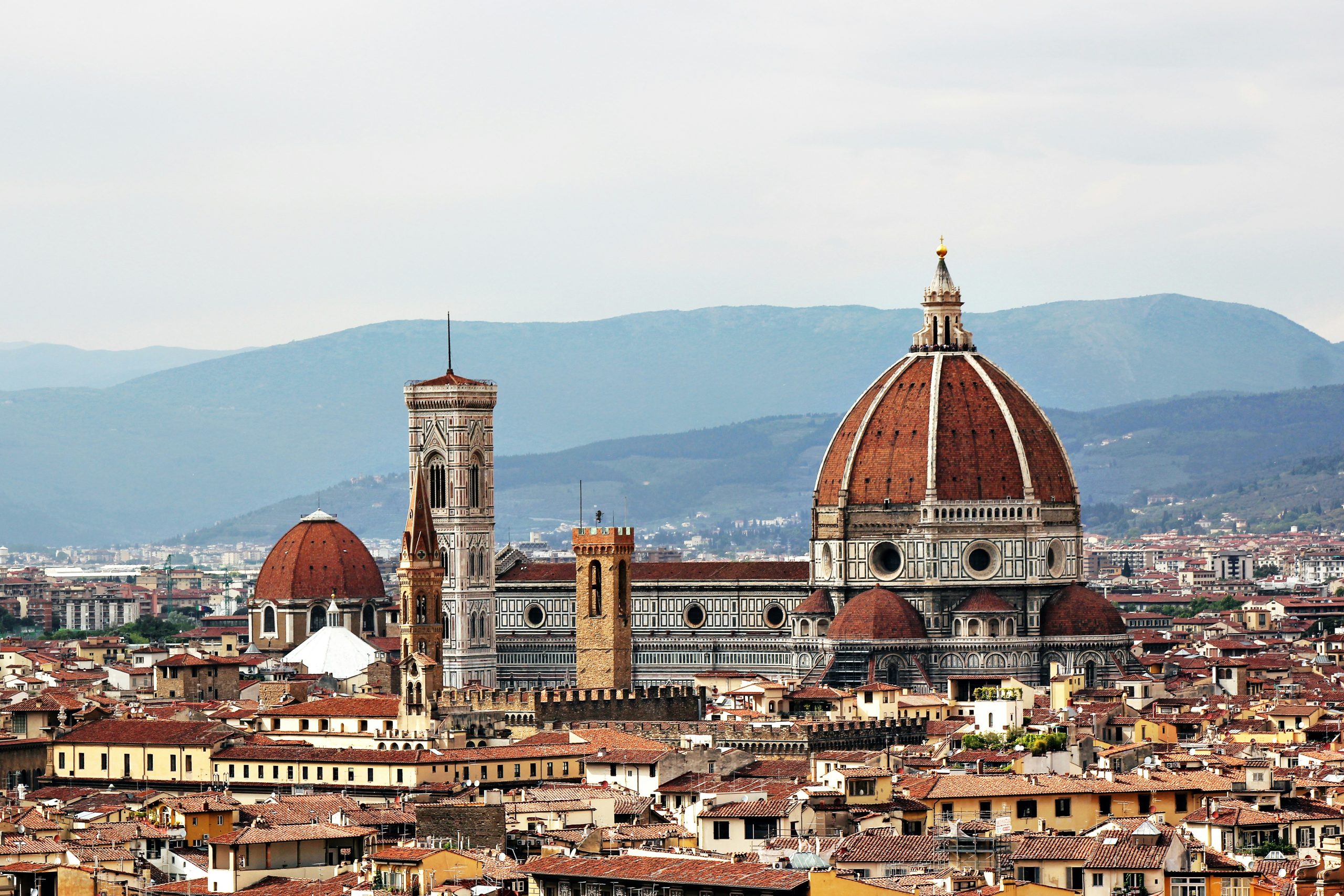
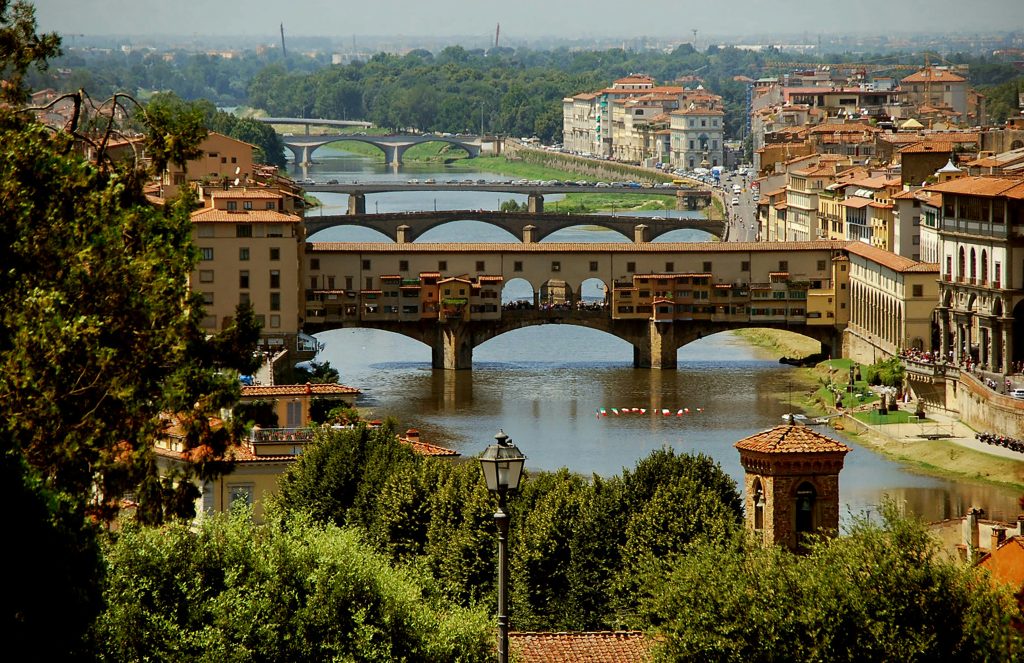
Florence is akin to a living museum, where history is embedded in every corner. Surrounded by the monumental works of Michelangelo and Da Vinci, it caters to those who crave the splendor of the Renaissance. It’s a city designed for those who wish to dive deep into the grandeur of the past.
Every step through the city center reveals stunning architecture. The abundance of world-class art makes it a haven for history enthusiasts and culture aficionados. Florence proudly showcases its heritage with elegance and grandeur.
Bologna: The Authentic Student-Led Heart of Italy
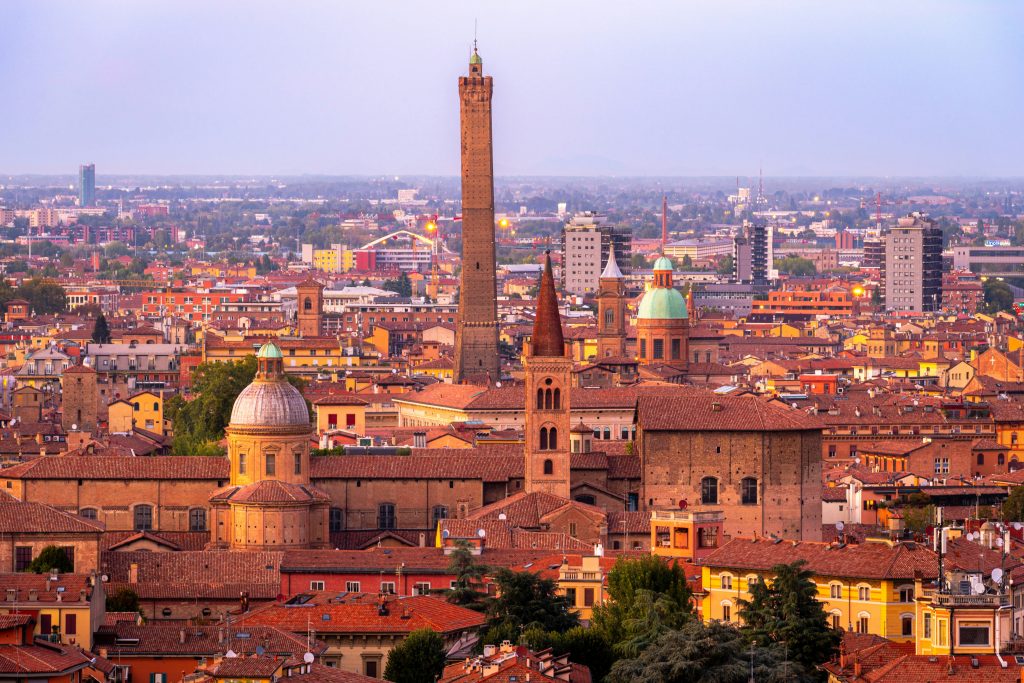
Bologna, on the other hand, offers a more personal and genuine experience. It feels less like a tourist destination and more like a lively local community. The city’s history is present, but it’s the youthful vibe and the oldest university in the Western world that truly define it.
The city’s best attractions are often the bustling piazzas where students and locals mingle. Bologna is ideal for those looking for a quieter, more authentic Italian experience. It’s the perfect place to slow down and savor the true essence of Italian life.
Planning this trip?
Our partner Voyada’s trip planning AI builds a day-by-day plan with flights, hotels and a real total cost for your dates — in about a minute, free.
Plan trip with AI →Bologna vs Florence: The Quick Verdict
Six categories, one winner each — then the shortcut and full comparison below.
| What you care about | Winner | Why |
|---|---|---|
| Art & icons | Florence | The Uffizi, the Duomo, Michelangelo’s David — a Renaissance open-air museum |
| Food | Bologna | Italy’s food capital — ragu, tortellini, mortadella; ‘La Grassa’ |
| Crowds & authenticity | Bologna | Far fewer tourists — a real, lived-in Italian city |
| Value | Bologna | Cheaper eating and sleeping than tourist-priced Florence |
| First-time Italy | Florence | The bucket-list Renaissance hits most people come for |
| As a base | Bologna | A rail hub — fast trains to Florence, Venice, Milan and Parma |
Art vs Food — and They're 35 Minutes Apart: Key Facts
The one-line verdict: Florence for Renaissance art and bucket-list icons; Bologna for food, authenticity and value. They’re only 35 minutes apart by fast train, so the smartest answer is often to do both — sleep in cheaper, livelier Bologna and day-trip to Florence.
Bologna is Italy’s gastronomic heart and a rail hub, so it doubles as a base for Florence, Parma, Modena (balsamic and Ferrari), Venice and Milan — while Florence is the essential first-timer’s Renaissance city.
Book Florence’s big sights ahead: the Uffizi and the Accademia (David) use timed tickets that sell out — reserve online. Bologna needs no such planning; just come hungry. Official resource: Italia.it.
A Detailed Bologna vs Florence Comparison of Costs
Choosing between Bologna and Florence can greatly affect your vacation budget. Both cities provide unique experiences, but knowing the cost differences is essential for a budget-friendly trip. A detailed comparison of prices helps you manage your expenses effectively.
Budgeting for Accommodation and Daily Expenses
Florence, a top tourist destination, comes with higher hotel and rental prices. Staying in the historic center can be expensive. The proximity to landmarks often justifies the cost.
Bologna, on the other hand, offers better value. You can find larger or more modern accommodations at lower prices. This makes it ideal for those looking to save money without sacrificing quality.
Dining Out: Street Food Versus Fine Dining
The dining scene in Bologna and Florence is quite different. Florence is known for its upscale dining and traditional Tuscan steakhouses. These experiences are unforgettable but can be costly if you eat out for every meal.
Bologna, dubbed the food capital of Italy, offers a more affordable way to enjoy local cuisine. You can savor delicious pasta and authentic mortadella at local markets or casual trattorias without overspending. Embracing the street food culture here is a smart way to save while enjoying the best of the region.
Your total spending will depend on your travel preferences. Whether you prefer the elegance of a Florentine dinner or the affordability of Bologna’s markets, both cities offer great value for the right traveler.
Navigating the Geography and Travel Logistics
Planning your Italian journey? Knowing the travel links between key spots is key. A good italy travel guide will show you how easy it is to get between major cultural hubs. This way, you can focus more on enjoying the views and less on travel hassles.
Distance and High-Speed Rail Connectivity
Florence and Bologna are central to Italy’s high-speed rail network. They’re easily accessible from Rome or Venice. The trip between them is quick, just 35 minutes by high-speed train.
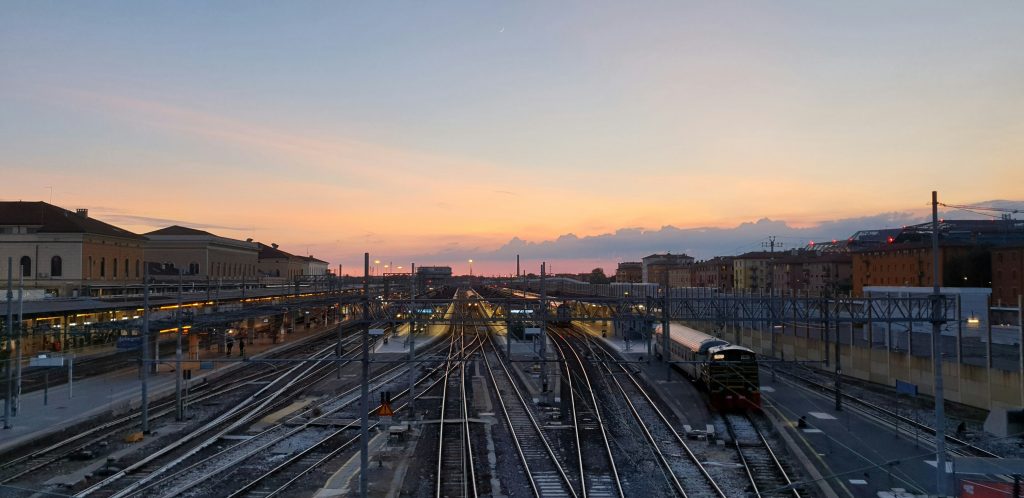
This efficient connection makes it common for travelers to use one city as a base. It’s a vital part of any modern italy travel guide. It lets you travel long distances without stress, arriving in time for lunch in a new region.
Getting Around: Walking Versus Public Transit
Both cities are great for walking. Florence’s historic center is a pedestrian paradise, like an open-air museum. You can easily reach major sights on foot, perfect for immersing yourself in the local vibe.
Bologna is also easy to get around, with a different layout. While walking is best for the famous porticoes, the city’s public transit is reliable for the outskirts. This italy travel guide will guide you on when to walk and when to take public transport.
The Best Months to Visit Each City
Choosing the right time to visit Italy can make your trip unforgettable. Whether you’re exploring historic piazzas or searching for the perfect meal, timing is key. This italy travel guide helps you navigate seasonal changes for a smooth vacation.
Peak Season Crowds and Weather Patterns
Summer in Italy is lively, but it’s also hot and crowded. In Florence, the city center can feel like an oven due to the stone architecture. Expect long museum lines and crowded streets that make strolling hard.
Bologna sees a lot of visitors in the summer too. While the famous porticos offer some shade, the crowds can be overwhelming. Traveling then means high temperatures and a fast-paced life.
Finding the Sweet Spot for Shoulder Season Travel
The shoulder seasons offer a great balance of comfort and ease. We suggest visiting in May or September for the best experience. The weather is mild, perfect for walking tours and outdoor dining.
Crowds are smaller during these times, allowing you to explore hidden spots without stress. Using this italy travel guide to plan your visit ensures a more authentic and relaxed Italian adventure.
Art and Architecture Highlights
Italy’s artistic heritage is a blend of Renaissance splendor in Florence and medieval allure in Bologna. Both cities are must-visit destinations for those who cherish history. They offer a glimpse into the past, with stories etched into every stone.
Florence: Masterpieces of the Renaissance
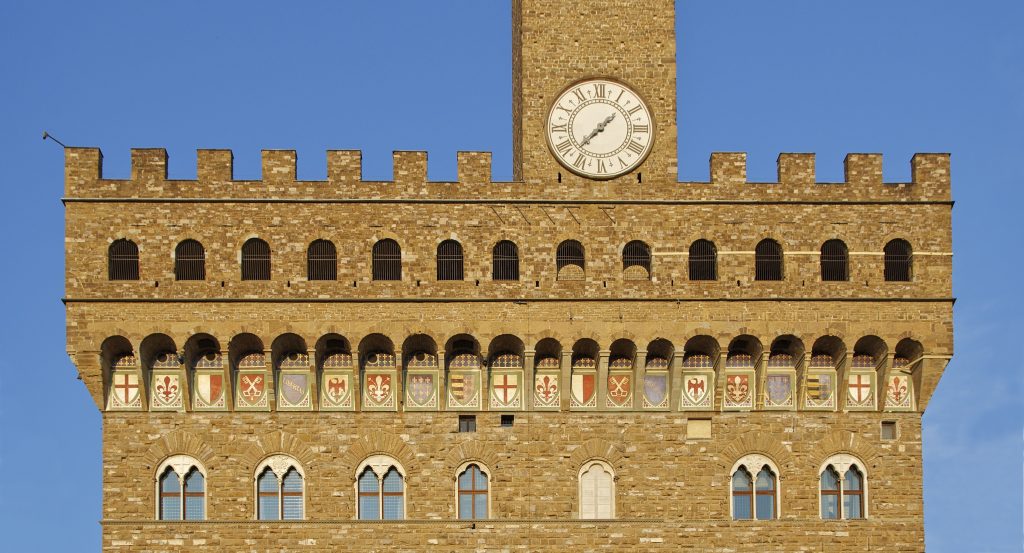
Florence is a city where the Renaissance spirit is alive. It’s a place where iconic works by Michelangelo and Da Vinci reside. These masterpieces are found in museums and cathedrals, making Florence a gallery of history.
The city boasts magnificent marble churches, like the Duomo with its detailed facade. Walking through Florence is like stepping back into a time when art revolutionized the world.
Bologna: Medieval Towers and Porticoed Streets
Bologna offers a unique visual experience, focusing on medieval preservation and structural ingenuity. It’s a top destination for those who appreciate unique urban landscapes.
The city is renowned for its extensive porticoes, providing miles of walkways under shelter. These elegant arches create a cozy atmosphere, unlike the open squares of Tuscany.
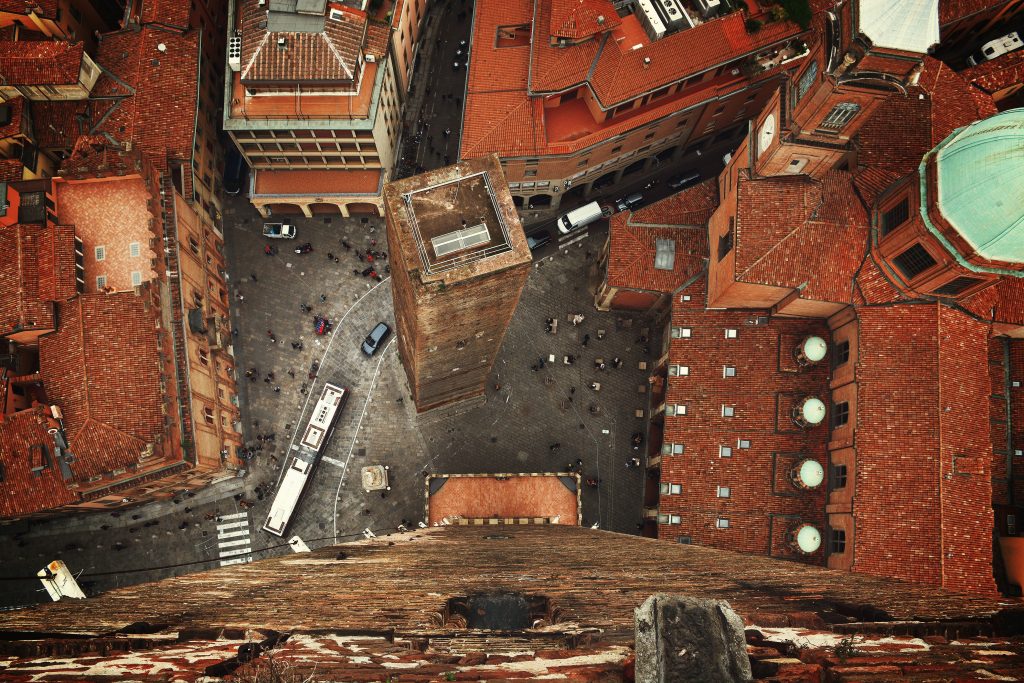
Don’t forget to look up at the medieval towers that dominate the skyline. These structures remind us of Bologna’s defensive past. They offer a breathtaking backdrop for your Italian journey.
Culinary Experiences and Food Culture
When planning your trip to Italy, your taste buds will guide your choices. Both cities offer unique regional flavors that highlight Italian cuisine’s essence. Whether you crave rustic countryside dishes or urban delicacies, Italy has something for everyone.
The Tuscan Table: Steak and Chianti
Florence is the ideal starting point for exploring Tuscany’s rich flavors. The Bistecca alla Fiorentina, a thick T-bone steak, is a must-try. It’s best paired with a glass of full-bodied Chianti, sourced from nearby hills.
The Bolognese Kitchen: Pasta and Mortadella
Bologna is Italy’s food capital, boasting a distinct culinary scene. It’s known for golden egg pastas like tagliatelle and tortellini, often paired with slow-cooked ragù. Don’t miss the silky mortadella, a cured meat that showcases the region’s pride.
Visiting local markets and trattorias is a must for any traveler. These cities are among the top destinations for food enthusiasts. Each meal offers a glimpse into the history and culture of these remarkable places.
Shopping and Local Markets
Exploring local shops is a rewarding way to experience the essence of these Italian cities. Each city has its unique retail vibe. Florence is known for timeless craftsmanship, while Bologna celebrates the land’s rich flavors.
Leather Goods and Artisan Crafts in Florence
Florence is famous for its high-quality leather goods, perfected over centuries. You’ll find beautiful bags, belts, and jackets in small workshops along narrow alleys. Artisans take great pride in their work, using techniques passed down through generations.
In the Oltrarno district, you’ll find hidden studios where masters create luxury items from raw hides. It’s the ideal spot for a unique, handmade souvenir. Look for the “Made in Italy” stamp to ensure authenticity.
Food Markets and Gourmet Souvenirs in Bologna
Ready to book Italy?
TripToGo runs 13 guided and independent trips in Italy, with dates, inclusions and prices on each one.
See Italy tours →Bologna offers a culinary treasure hunt, focusing on Emilia-Romagna’s rich heritage. The city’s food markets, like the historic Quadrilatero district, are a must-see. Here, you can find aged balsamic vinegar, Parmigiano Reggiano, and artisanal mortadella.
These gourmet souvenirs are perfect for bringing Italy’s flavors home. Local shopkeepers can vacuum-seal your purchases, making them easy to pack. This makes the city a paradise for food enthusiasts.
Your choice depends on whether you prefer wearable art or edible delights. Both cities offer authentic shopping experiences, making any bologna vs florence comparison complete.
Nightlife and Evening Entertainment
Nightlife in Italy is an art form, with Florence and Bologna each providing unique experiences. The evening atmosphere in each city reflects their distinct personalities. This is a key aspect to consider when comparing the two.
Sophisticated Wine Bars and Rooftop Views
Florence is renowned for its elegant nights out. It boasts intimate wine bars, known as enoteche, where you can taste top-notch Tuscan wines.
These hidden gems are often found in historic buildings, providing a serene retreat from daytime crowds. For an unforgettable experience, visit one of the many rooftop terraces with views of the Arno River.
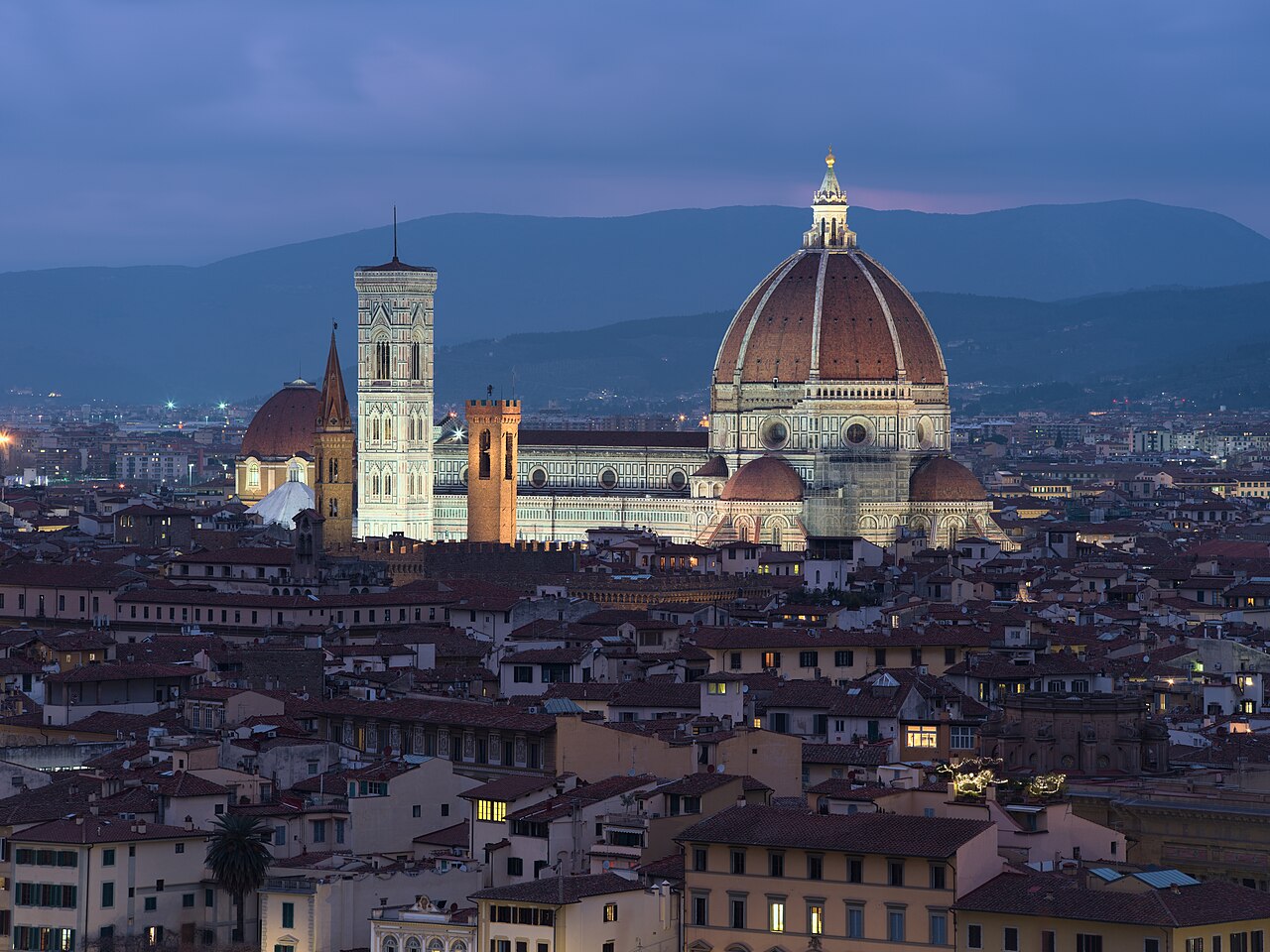
Enjoying a sunset over the Duomo with Chianti is quintessentially Florentine. It’s a sophisticated way to relax after a day of exploring.
The Lively University Scene and Pub Culture
Bologna, on the other hand, offers a casual, high-energy atmosphere. Its status as home to one of the oldest universities means a large student population keeps the city lively late into the night.
The action centers around the narrow alleys near Piazza Maggiore. Here, pubs and crowded squares are where locals and students gather, creating a lively, unpretentious vibe.
This environment is perfect for a fun, social night out. It’s a choice between a serene, scenic evening or a lively, social scene, highlighting the essence of comparing Bologna and Florence.
Day Trip from Each Hub
Choosing a central hub in Italy makes day trips a breeze. Your city base is a gateway to the surrounding areas. Opting for the right location maximizes your time, allowing you to explore more without the hassle of constant travel.
Exploring Tuscany from a Florence Base
Florence is the perfect starting point for those who dream of Tuscan landscapes. A short train ride takes you to Lucca’s medieval walls in over an hour. These quick trips are key for experiencing Italy’s quaint towns.
Siena is another gem, far from Florence’s hustle. Its historic piazza and stunning cathedral await your visit. The rail network makes these trips easy, catering to all travelers.
Accessing Emilia-Romagna and Beyond from Bologna
Bologna is ideal for exploring Northern Italy’s culinary and historical wonders. It serves as a gateway to Emilia-Romagna’s rich heritage. Local trains offer easy access to hidden gems often missed by travelers.
Visit Ravenna’s famous mosaics in the morning or try Parma’s local dishes. The area around Bologna is filled with incredible sights. Using Bologna as your base makes exploring its attractions straightforward.
Both Florence and Bologna offer endless opportunities, whether you prefer the south’s hills or the north’s gourmet scene. Planning your day trips in advance ensures you experience the best of each region. Remember, the most memorable spots are often just a short train ride away.
Safety and Tourist Friendliness
Planning your Italian trip? Knowing the local atmosphere and safety measures is key. Both Florence and Bologna are safe for tourists, ensuring a secure environment for your adventures. A few travel tips for Italy can boost your confidence as you explore these historic cities.
Navigating Crowded Tourist Centers
Florence, a global icon, attracts large crowds to its main tourist spots. Places like the Duomo and Uffizi Gallery are packed during peak hours. Visit these areas early morning or late evening to avoid the chaos.
Bologna, while vibrant, offers a more relaxed atmosphere. Its famous squares are less crowded, thanks to its extensive network of porticos. These architectural features help manage foot traffic, making your walks more enjoyable.
Language Barriers and Local Hospitality
Language might be a concern, but most locals in these cities are used to tourists. English is common in hotels and major attractions. Yet, learning basic Italian phrases can greatly enhance your experience. A simple “buongiorno” or “grazie” can lead to warmer interactions.
Embracing the local culture is essential. Locals appreciate the effort to engage with their traditions and language. Approach interactions with a friendly and polite demeanor, and you’ll find the hospitality in Florence and Bologna to be incredibly warm.
Family Travel Considerations
When comparing italian cities for your next family vacation, you’ll find each offers unique benefits for both parents and kids. Traveling with children demands a balance between exploring and downtime to maintain everyone’s energy.
Both locations cater to different family needs. Whether you’re into historical exploration or prefer a more relaxed pace, knowing these differences is key to a smooth trip.
Kid-Friendly Activities in Florence
Florence is often viewed as an open-air museum, yet it’s also a haven for young explorers. Interactive spots like the Leonardo da Vinci Museum keep children engaged with hands-on exhibits that bring inventions to life.
The city’s public squares, such as Piazza della Repubblica, are perfect for kids to play while you enjoy a gelato. This highlights Florence as ideal for families who blend art history with outdoor fun.
Parks and Interactive Spaces in Bologna
Bologna offers a more laid-back vibe, making it easier for families to enjoy during a multi-day visit. Its famous porticoes provide natural shade and shelter, ideal for strolling with a stroller.
Several green spaces, like the Giardini Margherita, are perfect for picnics or a break from the city’s hustle. This comparison shows Bologna’s slower pace and parks make it a top choice for families seeking a stress-free Italian getaway.
Practical Tips for Your Italian Itinerary
Smart travelers understand that the key to a stress-free Italian vacation is in the details. By comparing italian cities honestly, you find that preparation bridges chaos to a seamless journey.
Booking Tickets and Avoiding Long Queues
To maximize your time, always book museum and attraction tickets in advance. This simple act helps you skip the long queues that plague popular sites during busy hours.
Securing your entry times online means you spend your day exploring history, not waiting on sidewalks. It’s essential for any well-planned florence travel itinerary, where galleries often sell out weeks early.
Packing Essentials for Northern and Central Italy
Packing for Italy means focusing on versatility and comfort. High-quality walking shoes are a must, given the hours you’ll spend on cobblestone streets and historic piazzas.
Weather can change from the northern plains to the central hills. Dressing in layers is your best approach. A light jacket or breathable scarf can greatly impact your comfort as you move between cooler mornings and warm afternoons.
Before you go: turn this guide into a day-by-day plan. Our partner Voyada is a free online trip planner that builds the trip with flights, hotels and a real total cost for your dates — in about a minute.
Create an itinerary →Bologna vs Florence: Making the Call
The choice is really about art versus food — and since they’re so close, you may not have to choose at all.
- Florence for Renaissance icons (the Uffizi, the David, the Duomo); Bologna for food, authenticity and value.
- They’re 35 minutes apart by fast train — sleep in cheaper, livelier Bologna and day-trip to Florence.
- Book Florence ahead: the Uffizi and Accademia use timed tickets that sell out; Bologna needs no reservations, just an appetite.
- Bologna doubles as a rail hub for Parma, Modena, Ravenna, Venice and Milan.
- First-time Italy leans Florence; returning travellers and food lovers lean Bologna.
Bologna vs Florence: Full Head-to-Head
Art versus food — and they’re only 35 minutes apart. Here’s the full comparison.
| Category | Winner | Why |
|---|---|---|
| Art & icons | Florence | The Uffizi, the David, the Duomo |
| Food | Bologna | Italy’s gastronomic capital |
| Crowds & authenticity | Bologna | Far fewer tourists; a lived-in city |
| Value | Bologna | Cheaper eating and sleeping |
| First-time Italy | Florence | The bucket-list Renaissance hits |
| As a base | Bologna | A rail hub for the whole north |
| Architecture | Florence | Renaissance masterpieces at every turn |
| Student energy | Bologna | Europe’s oldest university, great nightlife |
| Day trips | Bologna | Parma, Modena, Ravenna and Venice |
| Verdict | Both | 35 minutes apart — sleep in Bologna, day-trip to Florence |
Conclusion
Choosing between Florence and Bologna depends on what kind of trip you’re looking for. Florence is ideal for those who love art and history. Walking through the Uffizi Gallery or seeing the Duomo is truly inspiring.
Bologna, on the other hand, is perfect for a food-focused, laid-back Italian trip. It’s known for its rich culinary traditions and lively atmosphere. It’s a top choice for anyone looking to explore Italy’s flavors.
Think about what you want from your trip to decide between Florence and Bologna. Whether you’re drawn to Tuscany’s grandeur or Emilia-Romagna’s flavors, both places offer unforgettable experiences. Book your high-speed train tickets now to secure your spot.
Planning your trip is the first step to an amazing adventure. Use these tips to tailor your Italy trip to your interests. Get ready to dive into the magic of Italy.
FAQ
Is it better to stay in Florence or Bologna for a first-time visitor?
Can I visit Bologna as a day trip from Florence?
Which city is better for foodies?
Is Florence more expensive than Bologna?
How many days should I spend in each city?
Which city has better shopping?
Is Bologna or Florence better for a romantic getaway?
Are the tourist attractions in Bologna as impressive as those in Florence?
Which city is safer at night?
Which airport should you fly into for Florence and Bologna?
Bologna’s Marconi airport handles far more international traffic than Florence’s small Peretola airport, whose short runway limits the aircraft that can use it, so long-haul travellers usually route through Bologna, Milan or Rome instead. From Bologna the airport monorail reaches the central station in minutes, and a high-speed train puts you in Florence roughly half an hour later, so landing at the wrong city costs surprisingly little time. Florence’s airport has a tram straight into town, which suits short European hops. Compare total door-to-door journey time rather than the headline fare, because a cheap flight into a distant airport can quietly swallow half a day.
Should you drive between Florence and Bologna, or take the train?
Take the train. The two cities sit on the same high-speed line through the Apennines, the journey runs well under an hour centre to centre, and there is no parking to solve at either end. Driving means motorway tolls, a mountain route that slows badly in poor weather, and the limited traffic zones both cities enforce with number-plate cameras. Stray into one and the penalty notice arrives months later, often with an administration charge added by the hire company, and entering and leaving can count as two separate offences. A car only earns its keep for the Tuscan or Emilian countryside, and even then it is better collected on the way out.
Which city is more comfortable to walk around?
Both centres are small enough to cross on foot in half an hour, but Bologna has an unusual advantage: tens of kilometres of covered porticoes, now recognised by UNESCO, sheltering much of the old town from summer sun and winter rain. Florence is just as walkable and largely flat, though its narrow pavements clog around the cathedral and the river, and there is almost no shade in August. Both are cobbled in places, so pack shoes with some cushioning rather than thin soles. If heat bothers you or you dislike crowds underfoot, Bologna is the gentler city to wander aimlessly.
Do you need to book Florence's museums in advance?
Yes, for the big two. Timed entry to the Uffizi and to the Accademia, where the David stands, is effectively essential, and the best slots go weeks ahead in spring and summer; arriving on spec in peak season can mean a punishing queue or no ticket at all. Climbing the cathedral dome and the bell tower also needs a reserved time, although entering the cathedral itself does not. Use the official ticketing sites rather than resellers. Bologna asks almost none of this, the main exception being the climbable tower, which limits numbers and should be reserved ahead; the rest of the city you can improvise.
Is Bologna worth visiting if you have already seen Florence?
Yes, precisely because it is not a second helping of the same thing. Florence is a city of set pieces you queue to enter. Bologna is one you simply live in for a few days, with a working market quarter behind the main square, a huge student population keeping the bars busy on weeknights, and food treated as regional pride rather than a visitor attraction. The architecture is medieval brick and leaning towers instead of Renaissance marble. It also sits on the main rail spine, making an easy base for Modena, Parma, Ravenna and Ferrara, none of which see anything like Florentine crowds.
Which city is better for travelling with children?
Florence has the obvious hits: climbing the dome or the bell tower, the Boboli gardens for running-around space, and a science museum full of Galileo’s instruments that holds most ages. The catch is queues and gallery fatigue, so ration the art and book timed slots rather than waiting in the sun. Bologna trades landmarks for freedom, with porticoes to walk under in any weather, a leaning tower to gawp at, gelato every few streets and a children’s science centre in the old docks district. Younger children generally cope better in Bologna; older ones set on seeing the David will want Florence.