
Table of Contents
ToggleDid you know that while some luxury seekers spend over $300 every day, many visitors enjoy a world-class adventure for a fraction of that price? Understanding your budget is the first step toward a stress-free journey through the Andes.
Your total peru travel cost depends entirely on your personal style. Whether you prefer boutique hotels or local guesthouses, you can easily build a plan that fits your wallet. We want to help you navigate these numbers with confidence.
By looking at realistic baseline figures, you can turn your dream of visiting Peru into a concrete reality. Let’s break down the expenses so you can focus on the excitement of your upcoming travel experience without worrying about the final cost.
Key Takeaways
- Daily budgets vary widely based on your preferred level of comfort.
- Mid-range experiences offer excellent value for most visitors.
- Planning ahead helps you avoid unexpected financial surprises.
- Luxury options are available but not required for an authentic trip.
- Setting a clear budget empowers you to make better choices on the ground.
✈️ TripToGo Travel Deals
Get notified about great travel deals
Hand-picked flight, hotel and destination deals, straight to your inbox. No spam, unsubscribe anytime.
🎉 Thank you for subscribing!
You’re all set — the best travel deals are on their way.
Understanding Your Peru Travel Cost
Your Peru travel cost hinges on the experiences you prioritize. Travelers have varied goals, from mountain treks to luxury stays. Finding the right balance is key to a successful trip.
When planning, consider your comfort and adventure preferences. Peru’s travel affordability allows you to adjust spending based on your style. You might save on buses to splurge on a historic hotel.
Your daily spending is shaped by transport and guided activities. Domestic flights save time but cost more. Long-distance buses offer a cheaper, more authentic view of Peru.
Allocate funds to your most cherished experiences. Understanding these basics helps craft a rewarding, budget-friendly journey. Whether it’s Lima‘s fine dining or remote sites, focus on what brings you joy.
Peru Trip Costs at a Glance
Peru can be one of South America’s best-value destinations or a surprisingly pricey one — it all hinges on how you do Machu Picchu. Here are the numbers up front: realistic daily budgets by travel style, and what everyday things actually cost on the ground.
| Travel style | Daily budget (excl. flights) | What it covers |
|---|---|---|
| Backpacker | $40–60 | Hostels, set-lunch menús, local buses, the odd tour |
| Mid-range | $100–150 | 3-star hotels, restaurants, a mix of flights and buses, guided day tours |
| Luxury | $300–600+ | Boutique & luxury hotels, fine dining, private guides, first-class trains |
| Everyday item | Typical cost |
|---|---|
| Hostel dorm bed | $10–25 |
| Private room / budget hotel | $30–60 |
| 3-star hotel (double) | $60–120 |
| Set lunch (menú del día) | $4–8 |
| Mid-range restaurant main | $11–16 |
| Casual dinner out | $10–20 |
| Local bus / colectivo | $0.50–2 |
| City taxi or Uber ride | $3–10 |
| Bottle of beer | $3–4 |
Planning your Peru trip?
Our partner Voyada’s trip planning AI builds a day-by-day plan with flights, hotels and a real total cost for your dates — in about a minute, free.
Plan trip with AIBudgeting for International Flights to Peru
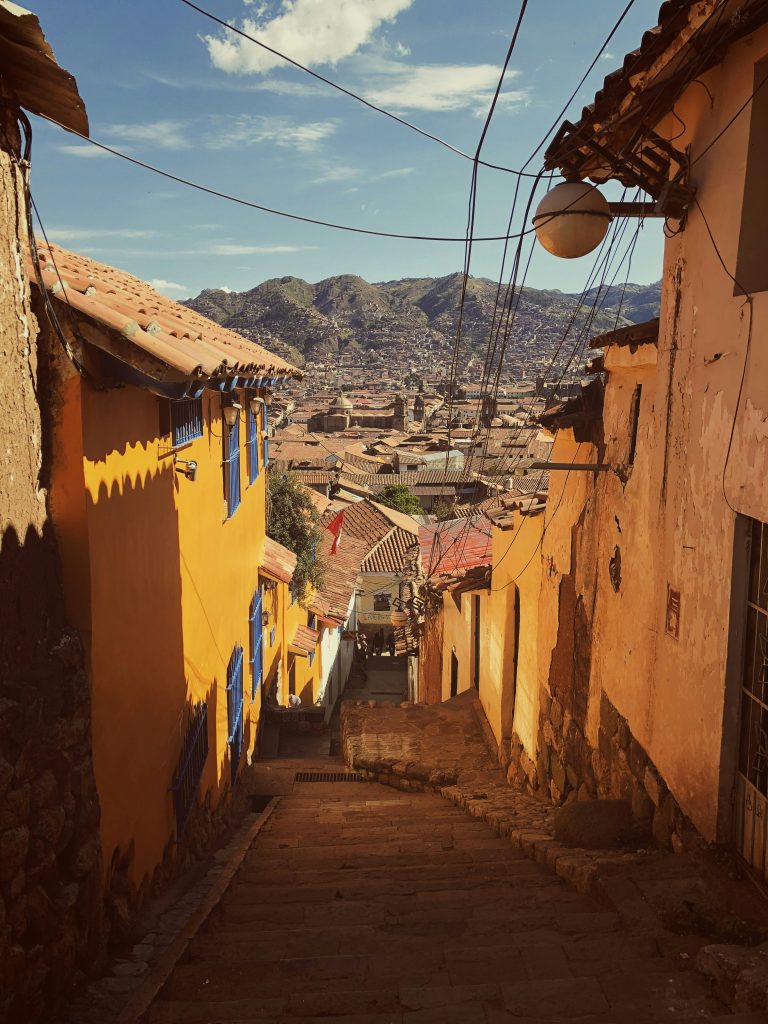
Managing your international airfare is key to controlling your Peru travel expenses. Securing a great deal early allows you to allocate more funds for unique experiences upon arrival in South America.
Finding the Best Time to Book
Timing is critical for saving on long-haul flights. Start monitoring prices at least four to six months before your trip to track seasonal changes.
Use a global flight search tool to set price alerts. These allow real-time tracking, ensuring you catch any fare drops. Flexibility with travel days can also reduce your overall expenses.
Regional Airport Considerations
Most international travelers land at Jorge Chávez International Airport in Lima. As the primary gateway, it often has the most competitive prices from major US cities.
Yet, compare direct flights to Lima with those including a connection to secondary hubs like Cusco. Sometimes, booking a separate domestic flight is cheaper than a single ticket to a regional airport. Always consider the convenience of a direct route against the savings to stay within your budget.
Daily Spending Estimates for Different Travel Styles
Planning your dream trip requires understanding how your preferences affect your budget. By categorizing your needs, you can manage your peru travel expenses effectively. This ensures your journey remains enjoyable from start to finish.
Whether you prefer shared dorms or high-end boutique hotels, a clear financial roadmap is essential. This approach helps you maximize peru travel affordability while keeping your stress levels low.
Backpacker Budget Expectations
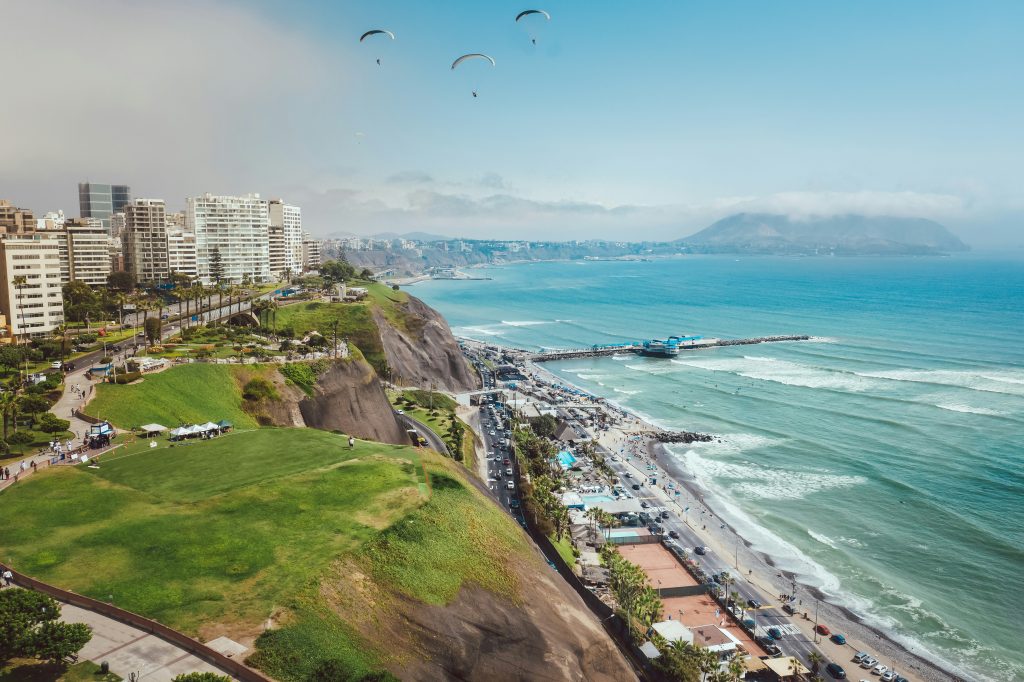
If you aim to stretch your dollars, a backpacker lifestyle is ideal. You can spend between $40 and $60 per day by staying in hostels and eating at local markets.
This budget covers basic transportation, street food, and entry fees to smaller sites. It’s the most popular choice for those prioritizing adventure over luxury.
Mid-Range Comfort Requirements
Travelers seeking a balance between comfort and cost usually spend between $100 and $150 per day. This tier allows for private rooms in guesthouses and more frequent dining at sit-down restaurants.
You will also have more flexibility with domestic travel, such as opting for tourist-class buses or short flights. This range offers a great middle ground for those who want a bit of extra convenience without breaking the bank.
Luxury Travel Benchmarks
For those who prefer premium experiences, a daily budget of around $300 or more is recommended. This level of spending provides access to five-star hotels, private guided tours, and fine dining establishments.
Luxury travelers can enjoy seamless logistics and exclusive perks throughout their journey. Investing in this style ensures a high level of comfort while exploring Peru’s diverse landscapes.
Accommodation Costs Across the Country
Your choice of accommodation greatly affects the cost of traveling in Peru. Finding a balance between comfort and affordability is key to managing your budget. This balance is essential for a smooth journey.
Understanding the local lodging market helps you manage the Peru cost of living. Whether you seek a lively atmosphere or a peaceful retreat, there’s a perfect spot for you.
Hostels and Budget Guesthouses
For those on a tight budget, hostels are a great option. Dorm beds can cost as little as $10 to $20 per night in places like Cusco or Lima.
Private rooms are also available for those who desire more space without overspending. These places are ideal for meeting other travelers and learning about local experiences.
Boutique Hotels and Mid-Range Options
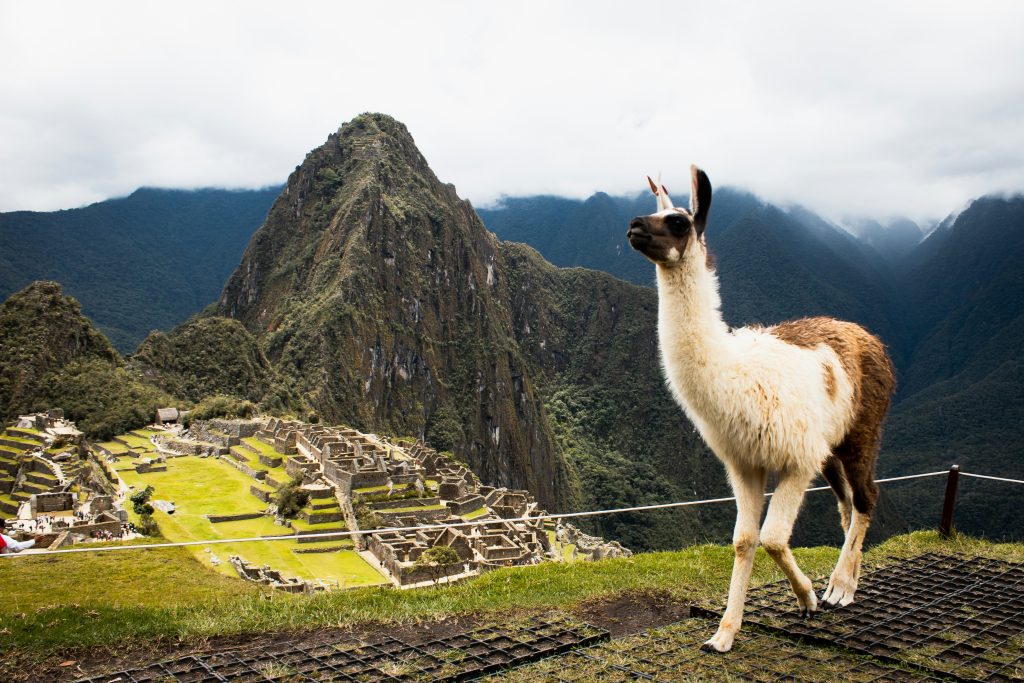
Boutique hotels offer a good balance of comfort and value. Expect to pay between $60 and $120 per night for a room with modern amenities.
These hotels often feature local decor and personalized service, enriching your trip. Opting for mid-range options allows you to enjoy a comfortable stay while keeping costs in check.
High-End Resorts and Historic Properties
Peru boasts some of the world’s most luxurious accommodations, including converted colonial mansions and eco-resorts. Prices start at $200, with higher rates depending on the location.
Staying in a historic property offers a deep dive into Peru’s culture. While these options are pricier, they provide unforgettable experiences and top-notch service.
Dining Out and Food Expenses
Exploring Peru’s culinary scene is a cost-effective way to enjoy top-notch flavors. This country seamlessly merges ancient traditions with modern culinary techniques. You can savor world-class dishes without straining your budget.
Grasping the local food scene is key to managing your expenses while traveling in Peru. By balancing street food with occasional indulgences, you can experience the best of Peru’s cuisine. Here’s how to navigate the diverse dining options across the country.
Street Food and Local Markets
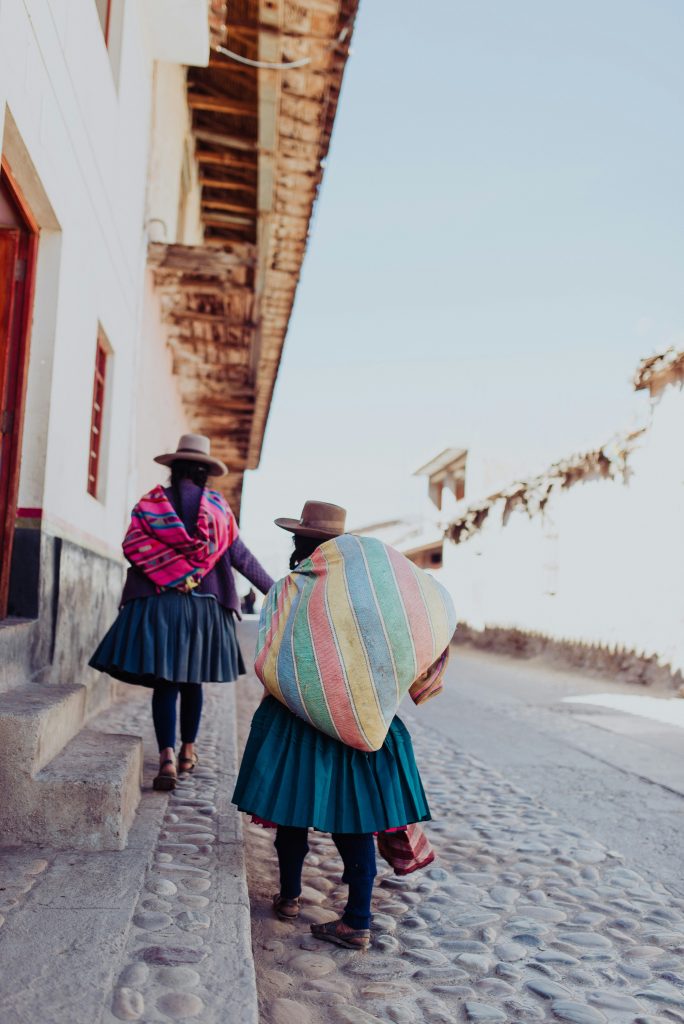
For authentic and affordable meals, visit local markets or street stalls. You can find dishes like anticuchos or empanadas for just a few dollars. These spots offer a glimpse into daily life while keeping costs low.
Look for “menu del dia” in smaller eateries near markets. This fixed-price lunch includes a starter, main course, and drink. It’s a great way to enjoy a meal at a fraction of the cost back home.
Mid-Range Restaurant Pricing
In major tourist spots like Cusco and Arequipa, mid-range restaurants abound. These places offer a cozy setting and a variety of Peruvian fusion dishes. Expect to pay a moderate price for a meal that highlights fresh, local ingredients.
These restaurants cater to international visitors while honoring local traditions. They’re ideal for a relaxed dinner after a day of exploration. The quality of service and food remains high at this price point.
Fine Dining and Upscale Experiences
Peru boasts some of the world’s top restaurants, mainly in Lima. For a taste of high-end gastronomy, budget more for your meals. These upscale venues feature tasting menus that highlight the Andes and Amazon’s biodiversity.
While these meals are pricier, they’re a highlight for food enthusiasts. Booking in advance is essential for these popular spots. Even a single fine dining experience will be a memorable part of your journey.
Transportation Costs and Travel Times Between Major Cities
Exploring Peru’s vast terrain demands a strategic approach to manage time and finances. Selecting the right transportation is key to maintaining your peru trip budget. Whether you value speed or scenic views, knowing your options is vital for a seamless trip.
Domestic Flight Pricing and Efficiency
Flying is the quickest way to traverse long distances, like Lima to Cusco. LATAM and Sky Airline offer numerous flights, saving you a day of travel. Though flights are more expensive than ground transport, the time saved is often worth it for those with tight itineraries.
Long-Distance Bus Travel Realities
For those aiming to stretch their peru trip budget, long-distance buses are an excellent choice. Cruz del Sur offers quality service with reclining seats and meals onboard. These buses are reliable and comfortable, appealing to budget-conscious travelers who enjoy scenic views.
Private Transfers and Car Rentals
Private transfers or car rentals offer flexibility and a personalized journey. Though pricier, they allow for spontaneous stops at hidden spots. This is ideal for groups or those who prefer to avoid strict schedules while keeping their peru trip budget in check.
Peru Transport Costs at a Glance
Distances in Peru are big, and the coast-to-Andes-to-jungle geography means you’ll mix flights and long buses. Here’s what each option runs.
| Route / mode | Typical cost | Notes |
|---|---|---|
| Domestic flight (Lima–Cusco, one-way) | $40–180 | ~1h20; book early for the low fares |
| Luxury bus e.g. Cruz del Sur (Lima–Cusco) | $40–70 | ~20–22h overnight, fully reclining seats |
| Long-distance bus (general) | $15–70 | By distance and class |
| Colectivo (shared van, short hops) | $1–5 | Sacred Valley towns, cheap and frequent |
| Lima airport taxi to Miraflores | $15–20 | Use official or app-based taxis only |
Entrance Fees for Archaeological Sites and National Parks
Your peru trip budget should include the mandatory costs for visiting iconic archaeological sites. These fees are vital for preserving Peru’s rich cultural heritage. Planning these expenses ahead of time helps avoid unexpected costs at the ticket office.
Machu Picchu Entry and Circuit Costs
Visiting Machu Picchu requires a pre-booked ticket for a specific circuit. Prices differ based on the route, so check the official government website early. Students with a valid ISIC card can enjoy significant discounts on their entry fee.
Always carry your physical student ID, as digital copies are rarely accepted. Tickets often sell out months in advance, more so during the high season. Booking early is key to managing your peru trip budget effectively.
Sacred Valley Tourist Ticket Breakdown
To explore the Sacred Valley’s ruins, you’ll need the “Boleto Turístico.” This ticket gives access to sites like Pisac, Ollantaytambo, and Moray. It’s more cost-effective than buying individual tickets for each site.
Choose between a full ticket valid for ten days or a partial ticket for one or two days. Students get a reduced rate with proper documentation. Keep this ticket safe, as you’ll need it at each entrance.
National Park and Reserve Fees
Peru also offers stunning natural landscapes that require entry permits. Places like Paracas National Reserve or Huascarán National Park have their own fee structures. These costs are generally lower than the major archaeological sites but should be included in your peru trip budget.
Most parks accept local currency, so keep cash handy. Always check the latest updates on official park websites before visiting. Being prepared lets you enjoy the scenery without financial stress.
What Machu Picchu Actually Costs
Machu Picchu is the single biggest line item in most Peru budgets — and the one people most underestimate, because the ticket is the cheapest part. Here’s the full breakdown for the classic do-it-yourself day trip from Cusco.
| Machu Picchu cost item | Typical cost (per person) |
|---|---|
| Entrance ticket (varies by circuit) | $45–60 |
| Train round-trip (Ollantaytambo ↔ Aguas Calientes) | $120–500+ by class |
| Bus up & down (Aguas Calientes ↔ the site) | $24 round-trip |
| Guide (shared group) | $30–50 |
| DIY day trip, all-in | $250–450 |
Want to slash it? The cheapest route skips the pricey train: a colectivo to Santa Teresa/Hidroeléctrica and a walk into Aguas Calientes, or a multi-day Salkantay trek that ends at Machu Picchu (below).
The Cost of Guided Tours and Adventure Activities
Guided tours are the cornerstone of a peru travel budget, encompassing everything from high-altitude treks to deep jungle explorations. These experiences, though unforgettable, significantly impact your overall trip expenses. It’s vital to strike a balance between your desire for adventure and your financial constraints for a stress-free journey.
Trekking Permits and Porter Fees
For those aiming to hike the famous Inca Trail, booking through a licensed operator is mandatory, and note the trail closes for all of February each year for maintenance. These packages include essential permits, entrance fees, and the services of porters who carry your gear. Prices differ based on service quality and fair wages for your support team.
Alternatives like the Salkantay Trek may offer a more affordable option. Yet, it’s critical to scrutinize what’s included in your quote. Unforeseen costs for items like sleeping bags or extra snacks can escalate your peru travel budget if not anticipated.
Amazon Rainforest Excursion Pricing
Exploring the Amazon demands a multi-day commitment, often involving boat transfers and specialized jungle lodges. Most packages include meals, guided wildlife walks, and transportation from major hubs like Puerto Maldonado or Iquitos. Opting for a reputable eco-lodge ensures your investment supports conservation while ensuring a safe experience.
When budgeting for these excursions, consider the lodge’s remoteness and your stay’s duration. While luxury lodges offer private bungalows and gourmet dining, mid-range options provide authentic comfort at lower costs. Prioritize safety and expertise over price when choosing your jungle guide.
City Tours and Cultural Experiences
Peru’s cultural experiences, beyond the wilderness, are accessible and fit within your peru travel budget. Many cities offer affordable walking tours led by local experts, providing insights into colonial history and indigenous traditions. These tours often operate on a tip-based model, allowing you to pay based on your experience’s value.
For a more immersive experience, consider booking a traditional cooking class or a textile workshop. These activities offer a unique glimpse into Peruvian life and are generally priced reasonably. By integrating these cultural outings with your larger adventure tours, you can craft a well-rounded and fulfilling itinerary.
Machu Picchu Treks & Tours Compared
There are many ways to reach Machu Picchu and the mountains around Cusco, and the price gap is huge. This is how the popular options stack up.
| Option | Days | Typical cost (pp) | Notes |
|---|---|---|---|
| Machu Picchu day trip | 1 | $250–450 | Train + bus + entrance + guide |
| Short Inca Trail | 2 | $500–900 | Permit required; far less strenuous |
| Classic Inca Trail | 4 | $750–1,300 | Permits sell out months ahead |
| Salkantay Trek | 5 | $450–900 | No permit needed — the popular cheaper alternative |
| Rainbow Mountain day tour | 1 | $25–50 | Easy add-on from Cusco |
Best Months to Visit for Optimal Value and Weather
Choosing the right month for your Peruvian adventure can save you hundreds of dollars while ensuring the best views. Timing your trip correctly acts as a powerful tool to manage your overall expenses and enhance your daily experience. By aligning your travel dates with local patterns, you can unlock significant savings without sacrificing the quality of your journey.
High Season vs. Low Season Price Fluctuations
The high season typically runs from June through August, coinciding with the dry winter months. During this time, demand for flights and hotels peaks, which often leads to higher prices across the board. If you are looking to optimize your peru travel budget, you might find that visiting during the shoulder months of April, May, September, or October offers a better balance.
These shoulder months provide a sweet spot where the weather remains pleasant, but the crowds and costs begin to thin out. You will often find more competitive rates on boutique hotels and guided tours during these transition periods. This strategic timing is essential for travelers who want to maximize their peru travel affordability while enjoying clear skies for trekking.
Weather Patterns and Their Impact on Costs
Weather plays a massive role in how much you spend on your trip. The rainy season, which lasts from December to March, often brings lower prices for accommodation and flights due to decreased tourism. While you may encounter more frequent showers, the lush green landscapes and lower costs can be very appealing for budget-conscious explorers.
Keep in mind that some remote trails or high-altitude excursions might face temporary closures or limited access during the peak of the rainy season. If you prioritize clear views of Machu Picchu, the dry season is worth the premium price. Balancing your desire for perfect weather with your financial goals is the key to a successful trip.
Hidden Expenses and Travel Insurance Considerations
Many travelers overlook the small, hidden costs that arise during a Peruvian adventure. These minor details can significantly affect your budget and overall experience. Planning for these extras ensures a stress-free and financially sound trip.
Tipping Culture and Expectations
Tipping in Peru is common but not always required. In restaurants, leaving 10% of the total bill is standard for good service. For guided tours, consider tipping your guide between 10 and 20 soles per day, based on the group size and experience quality.
For porters on treks like the Inca Trail, a collective tip is highly appreciated. Aim for 30 to 50 soles per porter at the end of your hike. Always carry small denominations of cash for these gestures.
Essential Travel Insurance Coverage
Comprehensive travel insurance is vital. Unexpected medical issues or trip cancellations can quickly disrupt your finances. Look for policies that cover high-altitude activities, as standard plans often exclude trekking above certain elevations.
Your insurance should also include emergency medical evacuation. This is essential when exploring remote regions of the Andes or the Amazon. A solid policy provides peace of mind, allowing you to enjoy the country’s beauty without worrying about risks.
Visa Fees and Entry Requirements
Most visitors from the United States do not need a visa for short-term tourism in Peru. You’ll receive a stamp upon arrival allowing up to 90 days of travel. Always check the latest government updates before your departure to ensure your passport meets validity requirements.
While there are no direct entry fees for US citizens, some border crossings or specific regional permits may have small administrative costs. Staying informed about these regulations helps you maintain a clear view of your total peru cost of living throughout your stay.
Tips for Affordable Peru Travel
Exploring the Andes and Amazon is a dream for many, yet it doesn’t need a huge budget. By adopting smart habits, you can enjoy affordable Peru travel that’s both authentic and rewarding. Choosing local options stretches your peru travel budget and deepens your cultural connection.
Booking Strategies for Maximum Savings
Timing is key for securing the best deals on flights and tours. Use incognito mode to avoid price hikes from your search history. Setting up price alerts for your preferred dates months in advance is also wise.
Booking tours directly with local operators in major hubs like Cusco or Arequipa can save you money. This approach eliminates middleman fees and supports local guides. Being flexible with travel dates can also lead to significant savings during the shoulder seasons.
Leveraging Local Transportation
While domestic flights are quick, long-distance buses are cheaper for budget-conscious travelers. Companies like Cruz del Sur offer comfortable, reliable service across the country. Taking overnight buses saves on hotel costs.
For shorter trips, colectivos are the way to go. These shared vans or taxis are cheap and used by locals. Always confirm the price with the driver to ensure a fair deal.
Eating Like a Local to Reduce Expenses
Dining out can quickly drain your funds in tourist areas. Look for “Menu del Dia” during lunch hours for a set menu at a low price. These menus usually include a starter, main course, and drink.
Visiting local markets is another great way to save money and taste fresh ingredients. You can find delicious street food like anticuchos or fresh fruit juices for just a few soles. Embracing these local culinary habits is the best way to keep your trip affordable and delicious.
Managing Currency and Payment Methods
Effective money management is key to keeping your peru vacation expenses in check. Knowing how to handle your finances can prevent unnecessary fees and ensure a stress-free trip.
Using Soles vs. US Dollars
The official currency in Peru is the Sol. It’s best to use local currency for everyday purchases like snacks, market items, and small souvenirs.
Though some high-end hotels or large tour operators accept US Dollars, you’ll usually get a better deal by paying in Soles. It’s important to have smaller denominations on hand. Many local vendors have trouble providing change for large bills.
ATM Fees and Banking Best Practices
To reduce your peru vacation expenses, use ATMs inside secure bank branches, not street ones. Reliable options for international travelers include major banks like BCP or BBVA.
Check if your home bank offers fee-free international withdrawals. It’s also a good idea to inform your bank of your travel plans to avoid card blocks.
Credit Card Acceptance in Remote Areas
Credit cards are widely accepted in major cities and upscale places. But, cash is essential in rural areas. Always carry enough physical currency for your needs when exploring the Andes or Amazon.
When taking taxis, confirm the fare before you start and pay in cash. Most drivers don’t have card machines. Keeping small bills handy is a smart way to manage your daily expenses without trouble.
Regional Price Variations from Lima to Cusco
Traveling from Lima to Cusco reveals a significant change in living costs. Peru’s diverse geography impacts daily expenses, making it essential to understand these variations. This knowledge aids in better managing your travel expenses in Peru.
Cost of Living in Coastal Cities
Lima, the primary entry point for many, offers a variety of prices for food and lodging. You can find affordable local markets or indulge in upscale dining in areas like Miraflores.
While Lima is generally affordable, imported goods and luxury services are pricier. The city’s competitive business environment makes it easier to track your expenses. Coastal cities provide the most consistent pricing in Peru.
High-Altitude Pricing in the Andes
The Andean highlands, home to cities like Cusco and Puno, experience higher prices due to tourism. The cost of goods increases because of the challenges of transporting them to high altitudes.
Expect to pay more for guided tours and specialized gear in these areas. Local food remains affordable, but the demand for tourist services drives up costs. It’s important to plan for these price increases to stay within your budget.
Remote Region Expense Adjustments
Exploring the Amazon or remote mountain villages comes with unique financial challenges. The scarcity of resources in these areas leads to higher prices for basic items. Even simple things like bottled water or snacks can be more expensive than in cities.
Transportation to these remote spots also increases your expenses. It’s wise to budget extra for these parts of your journey. By adjusting your expectations, you can manage your overall expenses effectively.
How Costs Vary Around Peru
Where you go changes what you pay as much as how you travel. The Cusco–Machu Picchu corridor is the priciest for tourists; elsewhere your money stretches further.
| Region | Price level | Notes |
|---|---|---|
| Lima | Mid–high | Miraflores/Barranco pricier; a world-class food scene |
| Cusco & Machu Picchu | Highest for tourists | The tourist hub — book the MP area well ahead |
| Arequipa & Colca Canyon | Mid | Great value, dramatic scenery |
| Lake Titicaca (Puno) | Low–mid | Island homestays are cheap |
| Amazon (Iquitos / Puerto Maldonado) | Variable | Lodges $300–800 for 3–4 days |
Timing matters too — see our guide to the best time to visit Peru for how season swings both prices and weather.
Packing Essentials to Save Money on the Road
Smart packing is key to an affordable Peru travel experience. By bringing the right items, you dodge the high costs of renting or buying supplies in tourist areas. This way, your budget stays intact, allowing you to fully enjoy the Andes’ beauty.
Gear to Bring to Avoid Rental Fees
Many travelers end up paying daily rental fees for trekking poles or sleeping bags in Cusco. Bringing your own lightweight gear for hiking can save hundreds over a two-week trip. A high-quality, packable sleeping bag liner ensures comfort without the need for bulky rentals.
Clothing for Variable Climates
Peru’s climate varies greatly, from the humid Amazon to the freezing high-altitude passes. Pack versatile layers like moisture-wicking base layers and a reliable waterproof jacket. This approach prevents the need for expensive emergency clothing when the weather changes.
Health and Hygiene Supplies
Buying basic health supplies in remote areas can be pricey. Pack a detailed first-aid kit with blister pads, rehydration salts, and altitude sickness medication. Having these essentials supports an affordable Peru travel plan by avoiding last-minute pharmacy runs in tourist zones.
Sample Itinerary Budgets for One and Two Weeks
Breaking down your trip’s finances into manageable parts makes planning easier. Understanding the cost of traveling in Peru involves seeing how your spending changes with your itinerary’s length. These templates help you visualize your journey.
The Seven-Day Essential Route
A one-week trip focuses on Lima, Cusco, and Machu Picchu. Given the time constraint, you might opt for quicker flights and guided tours. These choices can increase your daily expenses compared to a more leisurely trip.
For this duration, expect to spend more on entrance fees and internal transport. A mid-range traveler should budget more daily to cover these costs. This way, you can see the iconic sites without feeling rushed.
The Fourteen-Day Comprehensives Adventure
With two weeks, you can explore beyond the main tourist spots. Places like Arequipa, Lake Titicaca, or the Amazon Rainforest become accessible. This longer trip allows you to balance high-cost excursions with more affordable local experiences. This balance can lower your daily expenses.
Opting for overnight buses or staying in locally-owned guesthouses can save money. This flexibility lets you enjoy premium experiences like luxury train rides or private treks. Your total spending will depend on your comfort level versus your desire for exploration.
Sample Peru Trip Budgets: 7 and 14 Days
Putting it together, here’s what a full trip realistically costs per person, excluding international flights.
| Trip | Budget (pp) | Mid-range (pp) | Luxury (pp) |
|---|---|---|---|
| 7 days (Lima, Cusco, Machu Picchu) | $600–900 | $1,200–1,800 | $3,000+ |
| 14 days (+ Sacred Valley, Colca, Titicaca, Amazon) | $1,100–1,600 | $2,200–3,200 | $6,000+ |
Not sure how many days you need to fit it all in? Our how long to spend in Peru guide breaks it down.
Frequently Asked Questions
Is Peru expensive to visit?
Peru is one of South America’s better-value destinations for everything except Machu Picchu. Daily budgets run roughly $40 to $60 for backpackers, $100 to $150 mid-range and $300 or more for luxury, excluding international flights. On the ground a set lunch, the menu del dia, costs $4 to $8, a hostel dorm bed $10 to $25 and a local bus under $2. Machu Picchu is what breaks budgets, largely because of the train rather than the ticket.
How much does a week in Peru cost?
For seven days covering Lima, Cusco and Machu Picchu, budget travellers should plan on $600 to $900 per person, mid-range $1,200 to $1,800 and luxury $3,000 upwards, excluding international flights. A fourteen-day trip adding the Sacred Valley, Colca Canyon, Lake Titicaca and the Amazon runs $1,100 to $1,600, $2,200 to $3,200 and $6,000 upwards on the same three tiers. Amazon lodges are the biggest single add-on, at $300 to $800 for three or four days.
How much does it cost to visit Machu Picchu?
A do-it-yourself day trip from Cusco totals roughly $250 to $450 per person. The entrance ticket is only $45 to $60 and varies by circuit; the round-trip train between Ollantaytambo and Aguas Calientes is the expensive part at $120 to $500 or more depending on class. Add $24 for the return shuttle bus up to the site and $30 to $50 for a shared-group guide. Buy the ticket through the official Ministry of Culture site.
What is the cheapest way to reach Machu Picchu?
Skip the train. The budget route takes a colectivo from Cusco to Santa Teresa and Hidroelectrica, then walks the last stretch along the railway into Aguas Calientes, cutting the biggest line item out of the day. The other cheap option is a five-day Salkantay trek at $450 to $900, which needs no permit and finishes at the citadel. Compare that with $750 to $1,300 for the classic four-day Inca Trail.
How much does the Inca Trail cost?
The classic four-day Inca Trail runs $750 to $1,300 per person through a licensed operator, with the permit, entrance fee and porters included. The two-day short trail costs $500 to $900 and is far less strenuous. Check what the quote excludes: sleeping bag hire, trekking poles and extra snacks add up quickly. Budget tips separately, around 30 to 50 soles per porter and 10 to 20 soles a day for your guide.
Is it cheaper to fly or take the bus in Peru?
Buses are cheaper, flights buy you a day. Lima to Cusco costs $40 to $180 one way by air and takes about an hour and twenty minutes; the same route by luxury bus, such as Cruz del Sur, costs $40 to $70 but takes 20 to 22 hours. Overnight buses save a hotel night, which narrows the gap further. For short hops between Sacred Valley towns, colectivos at $1 to $5 beat everything else.
How much should you tip in Peru?
Tipping is customary rather than obligatory. Leave around 10 per cent in restaurants for good service, and 10 to 20 soles per day for a guide, adjusted for group size. Trekking porters are tipped collectively at the end of the hike, with 30 to 50 soles per porter a fair benchmark. Carry small notes: tips are almost always cash, and nobody on a trail or at a market will have change for a 100-sol note.
Should you bring cash or use cards in Peru?
Bring both. Cards work in Lima and Cusco hotels, mid-range restaurants and tour agencies, but cash is essential for markets, colectivos, small set-lunch places, park entrance fees and tips. Withdraw soles from ATMs rather than changing large amounts of dollars, keep small denominations for daily spending, and stock up before heading into the Amazon or remote Andean towns, where machines are scarce and cards are often not accepted.
When is the cheapest time to visit Peru?
December to March, the Andean rainy season, when accommodation and flight prices fall along with tourist numbers. The shoulder months of April, May, September and October are better value overall: the weather is still largely dry, but rates on hotels and guided tours sit well below the June-to-August peak. Bear in mind that some high-altitude trails face closures or limited access at the height of the wet season, so build in flexibility.
Do you need a visa for Peru, and are there entry fees?
Most tourists, including US, UK, EU, Canadian and Australian citizens, do not need a visa for short stays. You get an entry stamp on arrival granting up to 90 days, and there is no fee for it. Check your passport has enough remaining validity before you fly. Budget instead for the cost that does catch people out: travel insurance covering high-altitude trekking and emergency evacuation, which standard policies frequently exclude above certain elevations.
Before you go: turn this guide into a day-by-day plan. Our partner Voyada is a free itinerary creator that builds the trip with flights, hotels and a real total cost for your dates — in about a minute.
Build a travel itinerary →Should I budget extra days to acclimatise before trekking in Peru?
Yes, and treat those days as a cost of the trip rather than an optional extra. Cusco sits at roughly 3,400 metres, and health authorities note that flying straight to sleeping altitudes around that height makes a large share of travellers ill, with headache, nausea and breathlessness typically starting within the first day. Two easy nights before any trek is the common minimum, more is better, and raising your sleeping height slowly helps. Budget for the extra accommodation and meals, a quiet first day, and the possibility of paying for a doctor. Descend if symptoms worsen; coca tea and bottled oxygen ease discomfort but do not replace acclimatisation.
How far ahead do Machu Picchu tickets need to be booked?
Earlier than most people expect. Entry is capped by circuit and time slot and sold through Peru’s Ministry of Culture, and the busiest months, roughly June to August, can sell out several months ahead, with the most wanted slots and the mountain add-ons going first. Shoulder months usually need a few weeks; the rainy low season is the most forgiving. Buy the entry before you commit to trains or accommodation, since the date on the ticket fixes everything else. If your dates are already sold out, the options are a later circuit, a different day, or a trek that includes entry in its package.
Is it cheaper to book Peru tours in advance or once you arrive?
It depends on what the tour is. Anything with a government cap or a permit, notably Machu Picchu entry, the Inca Trail and the train, has to be locked in from home, and waiting saves nothing because the inventory simply runs out. Ordinary day trips are different: Rainbow Mountain, Sacred Valley circuits, city walking tours and cookery classes are usually cheaper arranged in Cusco or Arequipa with the operator itself, since you are not paying a reseller’s margin. Judge very cheap quotes carefully, check what is included and how large the group is, and use agencies with an office you can return to.
How much should I budget for travel insurance in Peru, and what must it cover?
Treat it as a line item rather than an afterthought. Costs vary with age, trip length and the sum you insure, so get quotes for your own dates instead of assuming a figure. What matters more is the wording. Many standard policies exclude trekking above a stated altitude, often somewhere around three to four thousand metres, which rules out much of the Cusco region, and some exclude organised treks entirely unless you add cover. Check that emergency medical treatment, helicopter or road evacuation and repatriation are included at a generous limit, since evacuation from the Andes or the Amazon is the expense that can dwarf a whole trip.
How does travelling with children change the cost of a Peru trip?
Less than parents fear, on the ground. Rooms are shared rather than doubled, and children usually pay reduced rates at archaeological sites, on the Machu Picchu shuttle bus and on the trains, with the youngest often free, though the rules turn on age and proof, so carry passports and check each provider’s own terms. The savings can be swallowed by comfort: families tend to fly rather than take the long overnight buses, and hire private transfers on tiring days. Altitude also argues for a slower start in the Sacred Valley, which adds nights to the itinerary but makes the trip work.
Conclusion
Embarking on a journey to the Andes is an exhilarating adventure, made easier with a solid grasp of your expenses. You now have the tools to manage your spending on accommodations, dining, and activities. This strategy ensures your trip is both genuine and budget-friendly.
Knowing your total peru travel cost lets you immerse yourself in the Sacred Valley’s wonders without financial stress. Every traveler’s needs are different, but with proper planning, your dream trip becomes a reality. You can craft a peru trip budget that mirrors your personal style and travel aspirations.
It’s time to book your flights and reserve your hotel. Apply the strategies discussed to secure the best deals for your travel dates. The allure of Machu Picchu and Cusco’s vibrant culture are waiting for you. Get ready to embark on an unforgettable South American adventure.
How much money do I need for 10 days in Peru?
Excluding international flights, budget roughly $800–1,200 for backpackers, $1,600–2,400 mid-range, and $4,000+ for luxury. Machu Picchu and any multi-day trek are the biggest single costs in that total.