
Table of Contents
ToggleMost travellers spend less in Seoul than in major American cities. Many worry if Korea is expensive to visit. But, with smart planning, your dream trip can fit a modest budget. For official, up-to-date visitor information, see South Korea’s UNESCO World Heritage listings.
Understanding local prices makes managing your holiday expenses easy. By using current exchange rates and choosing street food, you save money. This guide helps you explore Korea without breaking the bank.
Key Takeaways
- Daily budgets in Seoul often surprise travelers by being lower than expected.
- Smart planning helps keep your total trip costs manageable and predictable.
- Local street food offers delicious and budget-friendly dining options.
- Current exchange rates provide a favorable baseline for American travelers.
- Strategic choices allow for an authentic experience without overspending.
Is South Korea Expensive? Costs at a Glance
Realistic daily budgets by travel style — then the full breakdown below.
| Travel style | Daily budget (excl. flights) | What it covers |
|---|---|---|
| Budget | $50–80 / day | Guesthouse/hostel, convenience-store & street food, metro, near-free palaces (about KRW 3,000) |
| Mid-range | $100–180 / day | 3–4★ hotel, restaurant meals, a paid attraction or day tour |
| Comfort | $250+ / day | Upscale hotels, taxis, shopping, fine dining |
| Cheap wins | — | Metro, kimbap/bibimbap, street food, palaces, hiking, jjimjilbang saunas |
| Splurges | — | Korean BBQ dinners, K-beauty, DMZ tours, Everland/theme parks |
✈️ TripToGo Travel Deals
Get notified about great travel deals
Hand-picked flight, hotel and destination deals, straight to your inbox. No spam, unsubscribe anytime.
🎉 Thank you for subscribing!
You’re all set — the best travel deals are on their way.
Mid-Priced — Cheap Food, Cheap Transit: Key Facts
South Korea is mid-priced — cheaper than Japan and Western Europe, dearer than Southeast Asia. A budget traveller can do it comfortably on roughly $50–80 a day excluding flights; mid-range runs $100–180; and Seoul is the priciest part of the country.
Food and transport are where Korea is a bargain. Convenience-store meals, kimbap, and street food are cheap and excellent; the metro and intercity KTX trains are efficient and inexpensive; and many top sights — palaces, hiking trails, markets — are free or nearly so.
The costs that add up are Korean BBQ restaurant dinners, taxis, shopping (K-beauty, fashion) and organised tours. Travelling outside Seoul and in shoulder season (spring/autumn) stretches the budget further. For current exchange rates and travel basics, see the official Visit Korea (KTO) site.
Is Korea Expensive to Visit: A Realistic Financial Overview
Are you thinking if South Korea is pricey to visit? It’s a big question for many travelers, but the truth is often more affordable than you think.
While luxury is available, Korea offers great value for many visitors. By knowing the local scene, you can keep your travel costs down without losing out on quality.
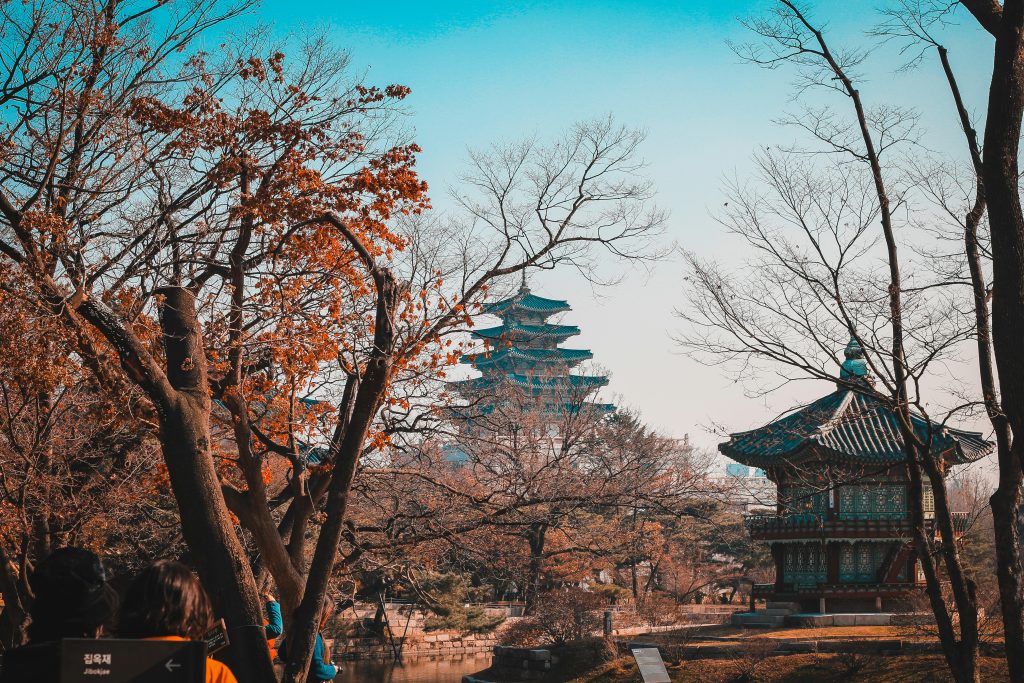
Some think a modern, tech-savvy country must be expensive. But, the real numbers show daily costs are pretty affordable. You can find everything from street food to unique stays that fit your budget.
We aim to clear up the myths and help you plan with confidence. Understanding travel costs in Korea is key to a worry-free trip. You’ll find that exploring this lively country is doable for most budgets.
Planning this trip?
Our partner Voyada’s travel planning AI builds a day-by-day plan with flights, hotels and a real total cost for your dates — in about a minute, free.
Plan a trip for me →Understanding the Currency and Daily Budget Tiers
Planning your Korea trip begins with knowing the local currency and how to spend. The South Korean won (KRW) is what you’ll use most. Getting used to its different values will make managing your money easier.
Defining Budget, Mid-Range, and Luxury Travel Styles
Travelers usually fall into three groups based on what they like and how much they spend. Budget travelers choose hostels, public transport, and street food to save money.
Mid-range travelers go for cozy business hotels, try local food, and sometimes take taxis. Luxury travelers prefer top resorts, fancy dining, and private cars.
Daily Spending Estimates for Different Traveler Profiles
For budgeting, it’s good to know daily averages. Budget travelers might spend $50 to $80 a day. This covers the basics and some sightseeing.
Mid-range travelers should budget $100 to $180 daily for more comfort and variety. Luxury travelers often spend over $300, depending on their choices.
Remember, these are just estimates. Your actual spending can vary. Keeping track of your spending early helps stay within your budget. Knowing these categories helps manage your costs and enjoy your trip without stress.
The Best Months to Visit for Optimal Value
Planning your trip is key to a budget-friendly Korea vacation. Knowing when to go can save you money. It’s all about finding the right balance between good weather and your budget.
Navigating Peak Season Pricing in Spring and Autumn
Spring and autumn are the best times to see Korea. Late March and early April are famous for cherry blossoms, but they’re also pricey. Hotels and flights cost more during these busy times.
To save, book early and stay outside city centers. This way, you can enjoy the beauty without breaking the bank. Remember, the scenery is worth it, but watch out for higher prices.
Finding Off-Season Deals During Winter and Summer
Winter and summer offer big savings. Winter is great for skiing and cozying up in tea houses. You can find luxury hotels at lower prices because fewer people travel then.
Summer is warm but offers great deals. It’s a good time for those who want to save money. By choosing off-peak times, you can have a quality trip without spending too much.
Airfare Strategies for Reaching South Korea
Finding cheap airfare is often the biggest challenge when planning your trip to Korea. By learning how airlines set their prices, you can save a lot of money. This way, you’ll have more cash for your adventures in Seoul.
Booking Windows and Seasonal Price Fluctuations
Most travel experts say to book your flights three to four months ahead. Prices usually go up in peak months like April for cherry blossoms and October for fall colors. To save money, travel in late spring or early autumn.
Winter, January and February, is the cheapest time to fly if you don’t mind the cold. Use price tracking tools to watch for price changes and set alerts for your travel dates. Being flexible with your flight day can also save you money on long flights.
Comparing Major International Hubs and Flight Durations
Incheon International Airport is the main entry point for most visitors. Hubs like Los Angeles, San Francisco, and New York have direct flights that take 12 to 15 hours. Direct flights are convenient but can be more expensive than flights with a layover.
Flights through Tokyo or Taipei can be cheaper but take longer due to layovers. Think about the cost savings and extra travel time to choose what’s best for you.
Accommodation Costs Across the Peninsula
Finding the right place to stay is key to managing your travel budget. Your lodging choice affects your comfort and how much money you have for fun activities.
Location greatly influences prices across the country. Staying in busy areas like Myeong-dong or Gangnam is more expensive than quieter neighborhoods.
Budget-Friendly Options: Guesthouses and Capsule Hotels
For those on a tight budget, local guesthouses are a great choice. They offer a social vibe and are ideal for those who value experiences over luxury.
Capsule hotels are also gaining popularity in big cities. They provide a small, private space at a lower cost than regular hotel rooms.
Mid-Range Business Hotels and Traditional Hanok Stays
Business hotels offer a good balance of comfort and price. They have clean, modern rooms and reliable service, making them a favorite for many.
Staying in a traditional Hanok is a unique cultural experience. These historic homes offer a glimpse into the past and a peaceful escape from city life.
Luxury Resorts and High-End Urban Accommodations
South Korea has top-notch luxury resorts for those seeking a high-end experience. You’ll find luxury hotels in major cities with premium dining, spas, and amazing views.
While these options are pricey, the service and comfort are unmatched. Whether you pick a coastal resort or a city hotel, your stay will be unforgettable.
Transportation Expenses and Regional Connectivity
Traveling between cities and within cities in Korea can be a big part of your trip costs. The country has a very efficient network for all types of travelers. Knowing your options helps you stay within your budget while exploring Korea.
Navigating the Seoul Metropolitan Subway System
The subway is key for getting around Seoul. It’s cheap, clean, and reaches most tourist spots. Buy a reloadable transit card at any store or station kiosk to save money.
Using this card makes transfers between buses and trains easy and cheap. It’s the best way to travel without spending a lot on taxis or private cars. Just tap your card when you enter and leave to pay the right fare.
Intercity Travel: KTX High-Speed Rail vs. Express Buses
For city-to-city travel, you have two main choices. The KTX high-speed rail is fast but pricey. It’s great for those short on time.
Express buses are cheaper and just as reliable. They’re comfy and run often between big cities. If you want to save money, take the bus instead of the train.
The Cost of Taxis and Rideshare Services
Taxis are easy to find and safe in Korea. They’re good for short trips or when you have a lot of luggage. They cost more than public transport, but you don’t have to haggle over prices.
Rideshare apps work like taxis but can add up in cost if used too much. Use them for late-night rides or when public transport isn’t an option.
Dining Out: From Street Food to Fine Dining
Knowing the local dining scene is key to saving money in Korea. You can find tasty meals at all price levels. Whether you want a quick snack or a full dinner, there’s something for everyone.
Affordable Street Food Markets and Convenience Store Meals
Street food markets are the heart of Korean food culture. They offer great value for your money. At places like Gwangjang Market in Seoul, you can try tteokbokki, hotteok, and kimbap for just a few dollars.
Convenience stores like GS25, CU, and 7-Eleven are also great for budget travelers. They have high-quality pre-packaged meals, triangle kimbap, and ramen. These can save you a lot of money during your trip.
Mid-Range Restaurant Pricing and Local Favorites
For a bigger meal, try local restaurants that focus on one dish, like kimchi jjigae or bibimbap. These family-run places offer big portions at a low price.
Korean BBQ is a must-try that fits a mid-range budget if you go to local spots. Sharing big platters of meat with friends is a fun way to save money and enjoy a social atmosphere.
The Cost of Coffee Culture and Nightlife
South Korea loves its cafe culture, with unique shops on almost every corner. While fancy lattes can be pricey, standard Americanos are affordable. They’re perfect for a quick afternoon boost.
At night, you can find everything from casual pojangmacha tents to modern bars. Enjoying a bottle of soju or local beer with friends is a cheap way to experience the local vibe without overspending.
Sightseeing and Attraction Entrance Fees
Knowing the costs in Korea can make your trip affordable and fun. Some famous places need a ticket, but many free spots offer unforgettable moments. By choosing both paid and free activities, you can explore without spending too much.
Free Cultural Experiences and Public Parks
South Korea has many free public parks and cultural spots. The Cheonggyecheon Stream in Seoul is a peaceful spot. You can also visit local temples or enjoy street festivals with traditional music and dance.
Public parks are the heart of community life. They’re great for people-watching and taking photos. Neighborhoods also have seasonal events where you can see local customs without spending money. These experiences give you a real look at daily life and keep your travel costs down.
Museums, Palaces, and Historical Site Admission
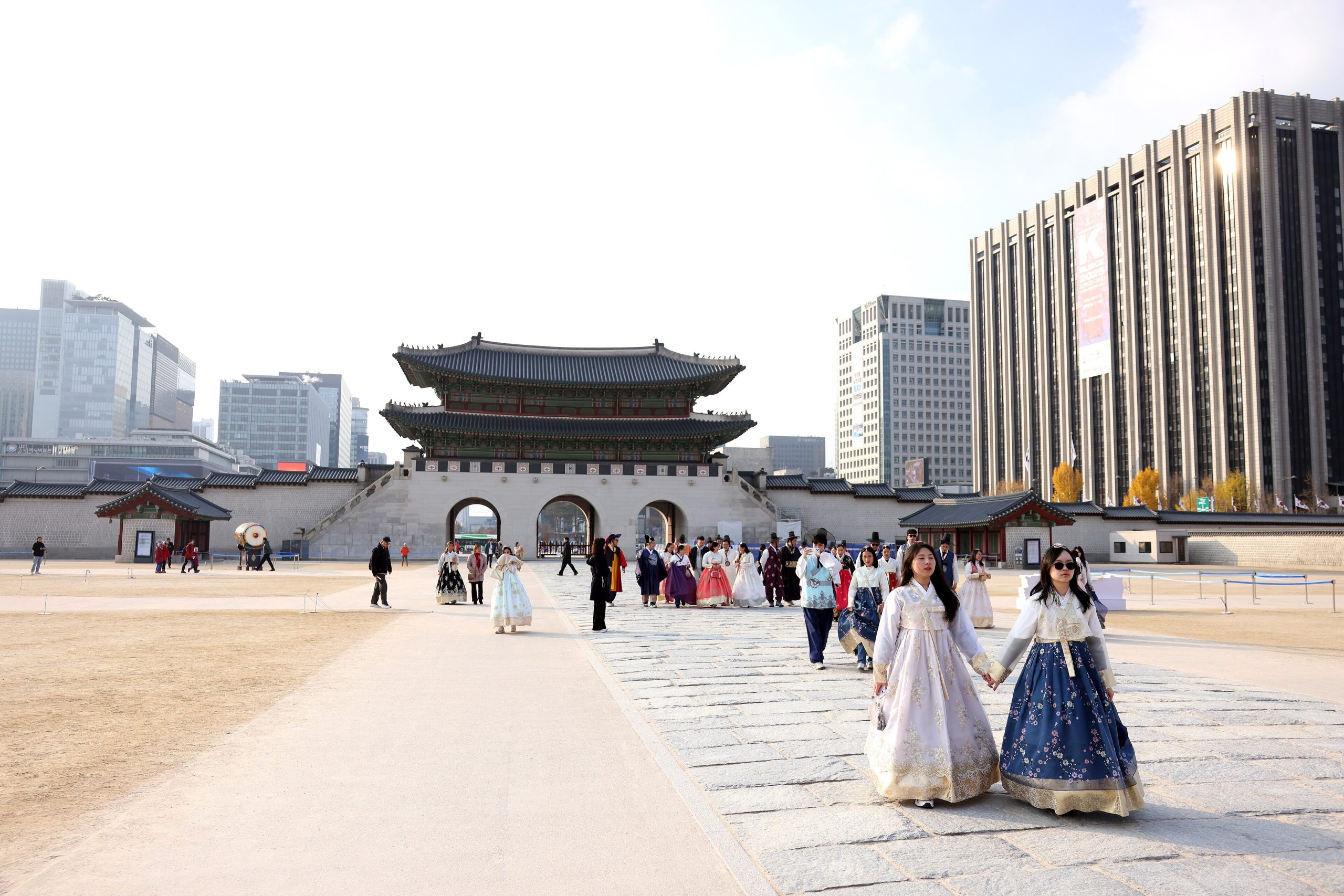
Entrance fees for major historical sites are usually low. Places like Gyeongbokgung have a small fee for access to beautiful architecture and gardens. It’s a good idea to check prices before you go, as some museums offer free entry on certain days or for certain ages.
The National Museum of Korea is a great example. It has free entry to its permanent exhibitions. This lets you explore Korea’s history without worrying about ticket costs. Always check the official websites for updates, as policies can change.
The Value of City Passes and Tourist Discount Cards
City passes are a good choice if you plan to visit many places. The Discover Seoul Pass, for example, offers entry to dozens of sites for one price. These passes often include free public transit or discounts, which can save you money.
To see if a pass is a good deal, list the places you want to visit and add up their costs. If the total is more than the pass price, it’s a great value. These tools help you plan and save money on your sightseeing.
Shopping and Souvenir Budgeting
Knowing the local shops helps you manage korea tourist prices well. South Korea has a lively shopping scene for all budgets. Whether you’re looking for deals or luxury, you’ll find it here.
Traditional Markets vs. Modern Department Stores
Traditional markets like Gwangjang or Namdaemun are great for authentic snacks and handmade crafts. They offer a fun atmosphere where you can bargain.
Modern stores like Lotte or Shinsegae have a more polished feel. Prices are higher, but you can find premium brands and electronics here.
Tax-Free Shopping Benefits for International Visitors
Using the tax-free shopping system can save you money. Stores with a “Tax Free” logo offer discounts or refunds at the airport.
Remember to carry your passport for these discounts. It helps you save more for your next adventure.
Set a daily limit for souvenirs to stay within budget. Choose unique local items over common ones to save money.
Connectivity and Technology Costs
Managing your mobile data is key to keeping your korea trip budget in check. Reliable internet lets you use apps, translation tools, and ride-hailing services smoothly. Choosing the right option helps you avoid high roaming fees and stay connected everywhere.
SIM Cards, E-SIMs, and Portable Wi-Fi Rentals
There are many ways to stay online in Korea. E-SIMs are popular for their instant activation without the need for physical cards. If your device can’t use E-SIMs, you can find local SIM cards at airports and stores.
Portable Wi-Fi routers are great for groups or families. They provide a strong signal and are easy to use at major transit points. Picking the right option for your data needs helps keep your budget in check.
Public Wi-Fi Availability and Reliability
Korea is known for its excellent digital infrastructure and internet access. Free public Wi-Fi is common in subway stations, parks, and tourist spots. These networks are usually fast and reliable, perfect for quick tasks.
But, don’t rely only on public Wi-Fi for important tasks like banking. Using these free zones wisely helps save on data and protects your budget. A mix of public Wi-Fi and a small data plan ensures you stay connected without spending too much.
Hidden Costs and Financial Planning Tips
To keep your korea trip budget in check, you need to know some local money tips. South Korea is affordable, but small mistakes can cost a lot if you’re not careful. Knowing how money works here can help you save money and keep your wallet full.
Tipping Culture and Service Charges
Visiting South Korea means you don’t have to tip. On entry, US and Canadian visitors are K-ETA exempt until 31 December 2026 (the free e-Arrival Card still applies); from January 2027 the K-ETA is required again. You won’t need to leave extra money at restaurants, cafes, or for taxi drivers. In fact, tipping might confuse the staff or be politely declined.
Service charges are rare, so what you see on the menu is what you pay. This clear pricing makes it easier to stick to your daily budget without surprise fees.
Bank Fees and Currency Exchange Best Practices
Always use local ATMs to get South Korean Won. Stay away from airport currency exchange kiosks, as they charge high fees and offer bad rates. Using a debit card that covers international fees is a smart money-saving move.
Choose to be charged in local currency at ATMs if you can. This avoids bad exchange rates set by your bank. Planning your banking can help you save money and enjoy your trip more.
Regional Price Variations: Seoul vs. The Provinces
Did you know your daily budget can change a lot based on where you go? Seoul, the capital, is a top destination but it’s pricier than the rest of Korea. Knowing the regional differences helps plan an affordable Korea trip.
Why Seoul Commands a Premium
Seoul is the main entry point for many visitors, which raises demand and prices. You’ll pay more for hotels, dining, and special experiences because of its global status. The city’s many luxury hotels and shopping areas also add to the cost.
But, Seoul’s convenience is worth the extra cost for many. It has a great public transit system and lots of historical sites. Keeping an eye on these costs helps balance your budget.
Cost-Effective Alternatives in Busan, Gyeongju, and Jeju
For a budget-friendly trip, consider Busan’s coastal beauty or Gyeongju’s historical charm. These places offer a slower pace and lower prices for accommodations and street food. They’re great for an affordable Korea trip without losing quality.
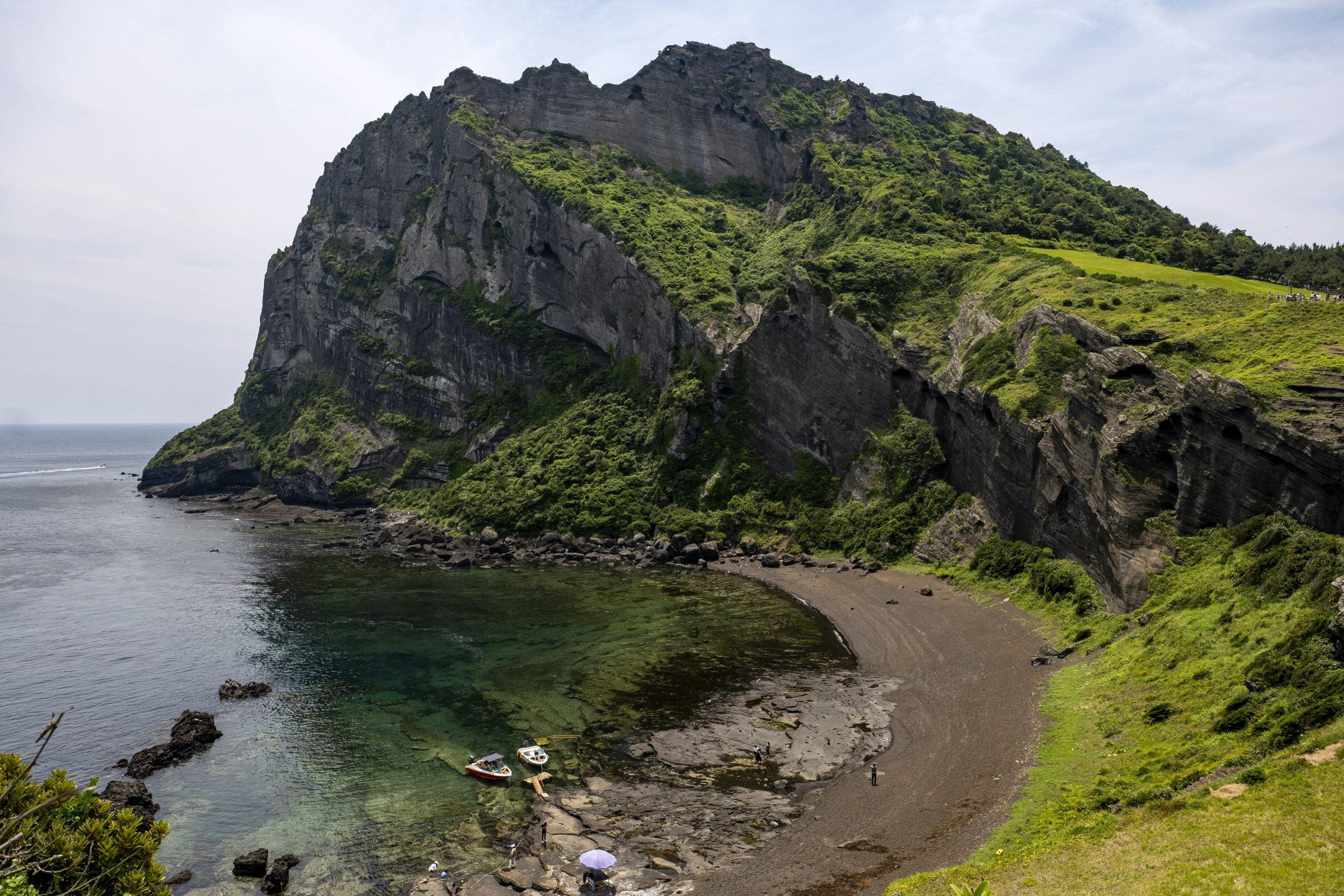
Jeju Island is another value spot, away from the main tourist areas. Mixing Seoul with these provinces helps manage your spending. This way, you see Korea’s best while keeping your budget in check.
Travel Insurance and Emergency Fund Requirements
Protecting your money while traveling in Korea is key. A good safety net keeps unexpected costs from spoiling your trip. This way, you can enjoy your vacation without worrying about money.
Why Travel Insurance is a Must
Travel insurance is your first line of defense against surprises. It covers more than just medical issues; it also protects against trip cancellations, lost bags, and travel delays. With insurance, you can travel with confidence.
Without insurance, a medical issue could empty your wallet. Good insurance lets you enjoy Korea’s culture without worrying about money. It’s a smart move that helps keep your trip affordable.
Estimating Out-of-Pocket Costs for Medical Care
South Korea’s healthcare is top-notch and affordable. Most clinics offer great care at lower prices than in the US. Minor health issues are usually easy on the wallet.
But, always have an emergency fund for big medical bills. Even though Korea’s healthcare is affordable, serious issues can cost a lot. A small emergency fund is wise to keep your trip affordable.
Practical Tips for Stretching Your Won Further
Stretching your budget for a Korea trip is easy with a few smart choices. Small changes in your daily routine can save a lot. By using local resources, every won you spend is worth more.
Leveraging Local Apps for Better Deals
Digital tools are key for budget-conscious travelers in Korea. Local apps show flash sales, discounts, and events not known to tourists. They let you compare prices and find the best deals nearby.
These apps also help you get around cities easily. They use local maps and reviews to steer you away from overpriced spots. This way, you pay local prices, not tourist ones.
Strategic Planning to Minimize Transit Costs
Transport costs can add up, but there are ways to save. Rechargeable transit cards offer cheaper fares than single tickets. They work on subways, buses, and some taxis, making travel easy.
Plan your day to visit places close to each other. This cuts down on travel costs. Mapping out your day saves money and time, letting you enjoy more of Korea.
Before you go: turn this guide into a day-by-day plan. Our partner Voyada is a free tour planner online that builds the trip with flights, hotels and a real total cost for your dates — in about a minute.
Create itinerary for trip →Saving Money in South Korea
Korea is mid-priced, but it’s easy to travel cheaply if you know where the value is.
- Eat cheap and well: convenience-store meals, kimbap and street food, plus free palaces and hiking trails.
- Where it adds up: Korean BBQ restaurants, taxis, K-beauty shopping and organised tours.
- Use a T-money card, and try a jjimjilbang (bathhouse) for a cheap experience — some even let you sleep over.
- Travel outside Seoul and in shoulder season to stretch the budget.
- Lean on free options: palace grounds, markets and free walking tours.
South Korea Cost Breakdown
A per-person, per-day breakdown by travel style (excluding international flights). Korea is cheaper than Japan, dearer than Southeast Asia.
| Category | Budget | Mid-range | Luxury |
|---|---|---|---|
| Accommodation | $20–45 | $70–150 | $250+ |
| Food | $10–20 | $30–55 | $120+ |
| Transport | $5–15 | $20–45 | $100+ |
| Activities | $0–15 | $25–50 | $120+ |
| Daily total | $35–95 | $100–180 | $590+ |
Conclusion
South Korea is a great place to visit. It has modern comforts and rich culture for all travelers. You can find affordable travel options by planning your spending wisely.
Choose what you want to spend on. Visit local markets and use public transit to see real life. These choices save money and make your trip better.
With good planning, you can enjoy your trip without spending too much. You can try great food and stay in unique places without breaking the bank.
Now, pick your travel dates. Book your flights to start your Korean adventure. Seoul’s lively streets and Gyeongju’s history are waiting for you.
FAQ
Is Korea expensive to visit compared to other Asian destinations like Japan?
What is a realistic daily budget for a Korea trip?
Is South Korea safe for tourists?
South Korea is one of the safest countries in the world for visitors, with very low violent crime and streets that stay busy late. The genuine hazards are traffic, particularly delivery scooters on pavements, and summer typhoons and heavy rain. Lost property is routinely handed in and CCTV coverage is extensive. Standard precautions in nightlife districts still apply.
Is South Korea safe for solo female travellers?
Yes, and it is a popular solo destination. Public transport runs late, cafes and restaurants are comfortable to use alone, and hostels and guesthouses are well run. Two things are worth knowing: hidden-camera offences have been a publicised problem in public toilets and changing rooms, and the drinking culture can get intense, so caution in nightlife areas is reasonable.
Is South Korea safe given the situation with North Korea?
Yes, in practical terms. The border tension is decades old and daily life in Seoul is completely normal; the city sits around 55km from the demilitarised zone and simply carries on. Governments including the US and UK rate South Korea at their lowest advisory levels for ordinary travel. Organised DMZ tours run regularly and are occasionally suspended at short notice.
Is South Korea worth visiting as a tourist?
Yes. You get 1,500-year-old palaces and temples alongside one of the world’s most modern cities, mountains within an hour of Seoul, a food culture that goes far beyond barbecue, and infrastructure that makes independent travel genuinely easy. It also offers better value than Japan for most of what you will actually do, particularly food and transport.
Is South Korea worth visiting with kids?
Very much so. Seoul is safe, clean and endlessly practical for families, with lifts at most metro stations, family rooms in public buildings and free or cheap child entry at palaces and museums. Everland and Lotte World handle the theme-park days, and Korean restaurants are used to children. Meals are shared from the middle, which suits families well.
Is South Korea worth visiting in winter?
Yes, if you dress for it. December to February brings cold, dry, bright weather, ski resorts within a couple of hours of Seoul, ice festivals, and hot-spring and jjimjilbang culture at its best. It is also the cheapest season for flights and hotels outside the New Year period. Seoul regularly sits below freezing, so pack accordingly.
Is food expensive in South Korea?
No, food is one of Korea’s great bargains. A bowl of kimbap, bibimbap or noodles at a local place runs around 7,000 to 10,000 won, convenience-store meals cost less, and street food is cheap and excellent. Where costs climb is Korean barbecue restaurants, where a proper meat dinner for two easily passes 60,000 won once drinks and sides are counted.
How much does a 10-day trip to South Korea cost?
Excluding flights, roughly 500 to 800 US dollars for a budget trip, 1,000 to 1,800 mid-range and 2,500 upwards in comfort. Seoul takes the biggest share of accommodation costs, so nights in Busan, Gyeongju or Jeonju stretch the budget. Add long-haul flights of around 700 to 1,300 dollars depending on season and where you fly from.
How many days do you need in South Korea?
Ten days is the sweet spot: five or six in Seoul with a day trip, then Busan and Gyeongju by high-speed train. A week works if you stick to Seoul plus one other city. Two weeks lets you add Jeju island or the southwest. Distances are short and trains are fast, so you cover a lot without long travel days.
Do you need a visa to visit South Korea?
Most Western visitors do not. British, Irish, American, Canadian, Australian and most EU passport holders enter visa-free for up to 90 days as tourists. You need a passport valid for the duration of your stay and proof of onward travel. Longer stays or any work require a visa arranged before you travel, so check the official Korean immigration guidance.
Do you need a K-ETA in 2026?
Probably not this year. Citizens of 67 countries, including the UK, US, Canada, Australia and most of the EU, are exempt from the K-ETA until 31 December 2026 under the Visit Korea Year scheme. From 1 January 2027 the exemption is due to end, and those nationalities will need K-ETA approval before boarding. Check the official site before you fly.
What is the Korea e-Arrival Card and do you have to fill it in?
Yes, it is mandatory. Since 1 January 2026 all foreign visitors must submit the e-Arrival Card online instead of the old paper form, within three days of arrival. It is free, combines the arrival card, customs declaration and health information into a single QR code, and takes a few minutes. Use only the official government portal, as copycat sites charge fees.
How much is the Korean won worth against the dollar and pound?
Roughly 1,370 won to the US dollar and near 1,800 to the pound in September 2026, though rates move and you should check before you travel. In practice, think of 10,000 won as about 7 US dollars or 5.50 pounds. Cards are accepted almost everywhere, so you need surprisingly little cash beyond markets and small eateries.
How much do flights to South Korea cost?
From the UK expect roughly 500 to 900 pounds return in shoulder season and more over summer and Christmas; from the US west coast, near 700 to 1,100 dollars, and from the east coast higher again. Fares are lowest in January, February and November. Incheon is exceptionally well connected, so one-stop routings are often cheaper than direct.
Is public transport cheap in South Korea?
Yes, remarkably so. A Seoul metro or bus journey costs around 1,500 won with a transport card, and transfers between the two are included. Intercity travel is good value too: the fast train from Seoul to Busan takes about 2 hours 15 minutes and costs near 60,000 won, with slower services cheaper still. Buy a T-money card on arrival.
Is Busan cheaper than Seoul?
Yes, noticeably on accommodation and modestly on everything else. Hotel rates in Busan typically run below equivalent Seoul rooms, and eating and drinking cost a little less. Seoul is where the shopping, nightlife and hotel premiums concentrate. Splitting a trip between the two, or adding Gyeongju or Jeonju, usually brings your daily average down.
How much does accommodation cost in Seoul?
Hostel dorms run around 25,000 to 40,000 won a night, decent guesthouses and business hotels near 70,000 to 130,000, and four-star properties in Myeongdong or Gangnam from roughly 150,000 upwards. Love hotels are a legitimate budget option and are cleaner than the name suggests. Rates spike over cherry blossom season, Chuseok and the New Year holidays.
Do you tip in South Korea?
No. Tipping is not part of Korean culture and can cause mild confusion if you try. Restaurant and taxi prices are what you pay, and service charges appear only at some upmarket hotels and restaurants, where they are printed on the bill. This makes budgeting simple and quietly saves you the 15 to 20% you would add in North America.
Can you use cards everywhere in South Korea?
Almost. South Korea is close to cashless and foreign Visa and Mastercard are accepted widely, including in taxis and convenience stores. Keep some cash for traditional markets, small family-run eateries and rural buses. Note that a transport card such as T-money is usually topped up with cash at convenience stores, and some machines reject foreign cards.
When is the cheapest time to visit South Korea?
Late autumn and winter, roughly November to March, excluding the Christmas and Lunar New Year periods. Flights and hotels are at their lowest, and Seoul is bright and dry if cold. The most expensive windows are cherry blossom season in early April, the autumn colour peak in late October, and Chuseok, when domestic travel books out completely.