Table of Contents
ToggleVerona, a charming city in Northern Italy, draws over 3 million visitors yearly. It’s one of Italy’s most visited spots. Its rich history, romantic vibe, and cultural sites make it a top travel destination. For official, up-to-date visitor information, see Italy’s UNESCO World Heritage listings.
Visitors can explore the historic center and famous sites like Juliet’s Balcony. Verona mixes history, romance, and culture uniquely. It’s perfect for both seasoned travelers and those seeking a romantic escape.
Key Takeaways
- Verona is a city with a rich history and cultural landmarks.
- The city’s historic center is a must-visit, with famous sites like Juliet’s Balcony.
- Verona offers a unique blend of history, romance, and culture.
- It’s a great destination for both seasoned travelers and those looking for a romantic getaway.
- Planning your trip according to a Verona itinerary can enhance your experience.
Verona at a Glance: The Essential Seven
The experiences that define Verona, each with the working detail — the full guide follows below.
| The experience | Where | The insider note |
|---|---|---|
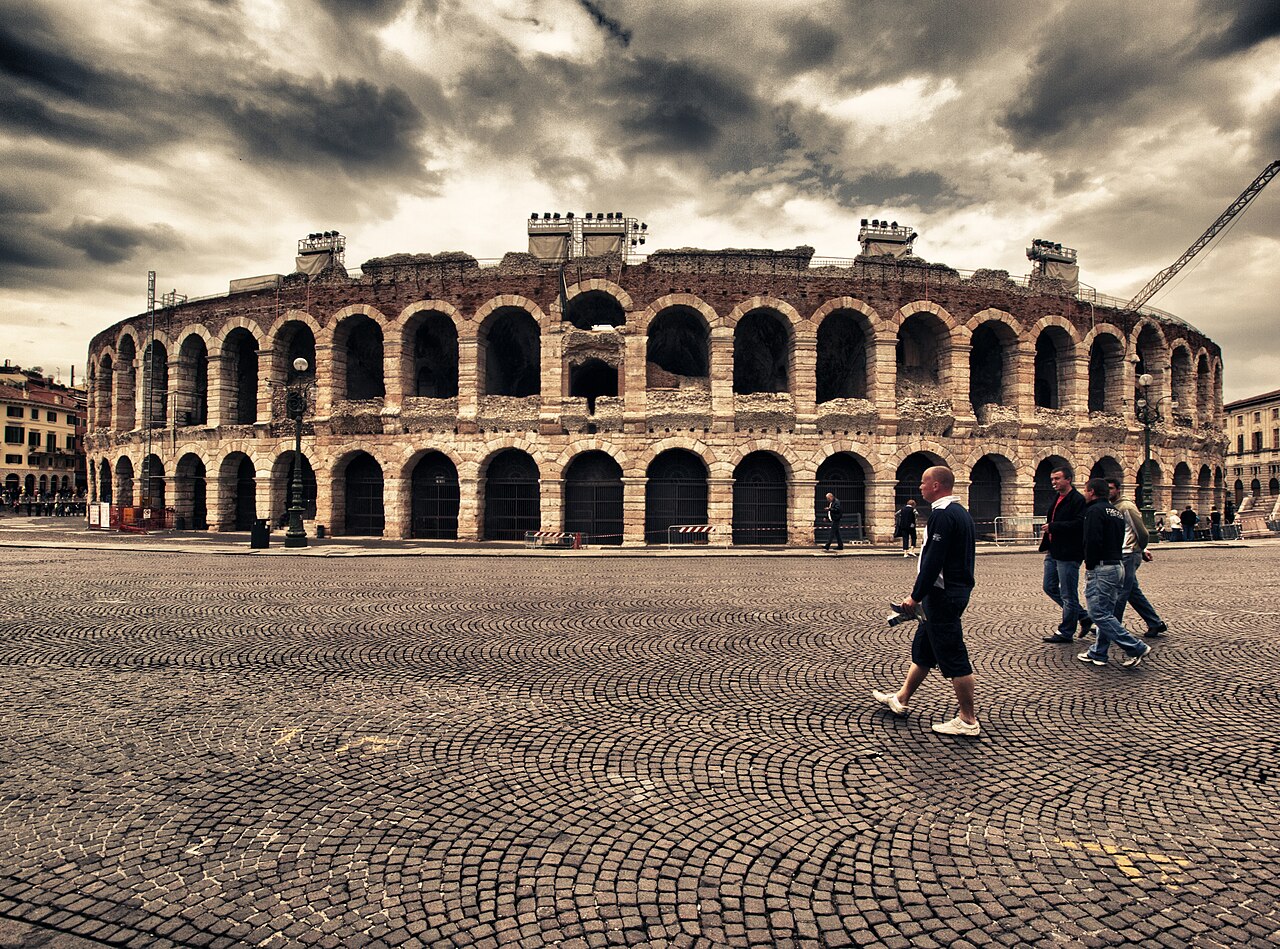
| The Arena di Verona | Piazza Brà | A Roman amphitheatre older than the Colosseum — summer opera under the stars |
| Juliet’s House & balcony | Central | The Romeo and Juliet pilgrimage — since April 2026 even the courtyard is ticketed (€5) and must be booked online in advance |
| Piazza delle Erbe | Old town | The lively market square — the heart of Verona |
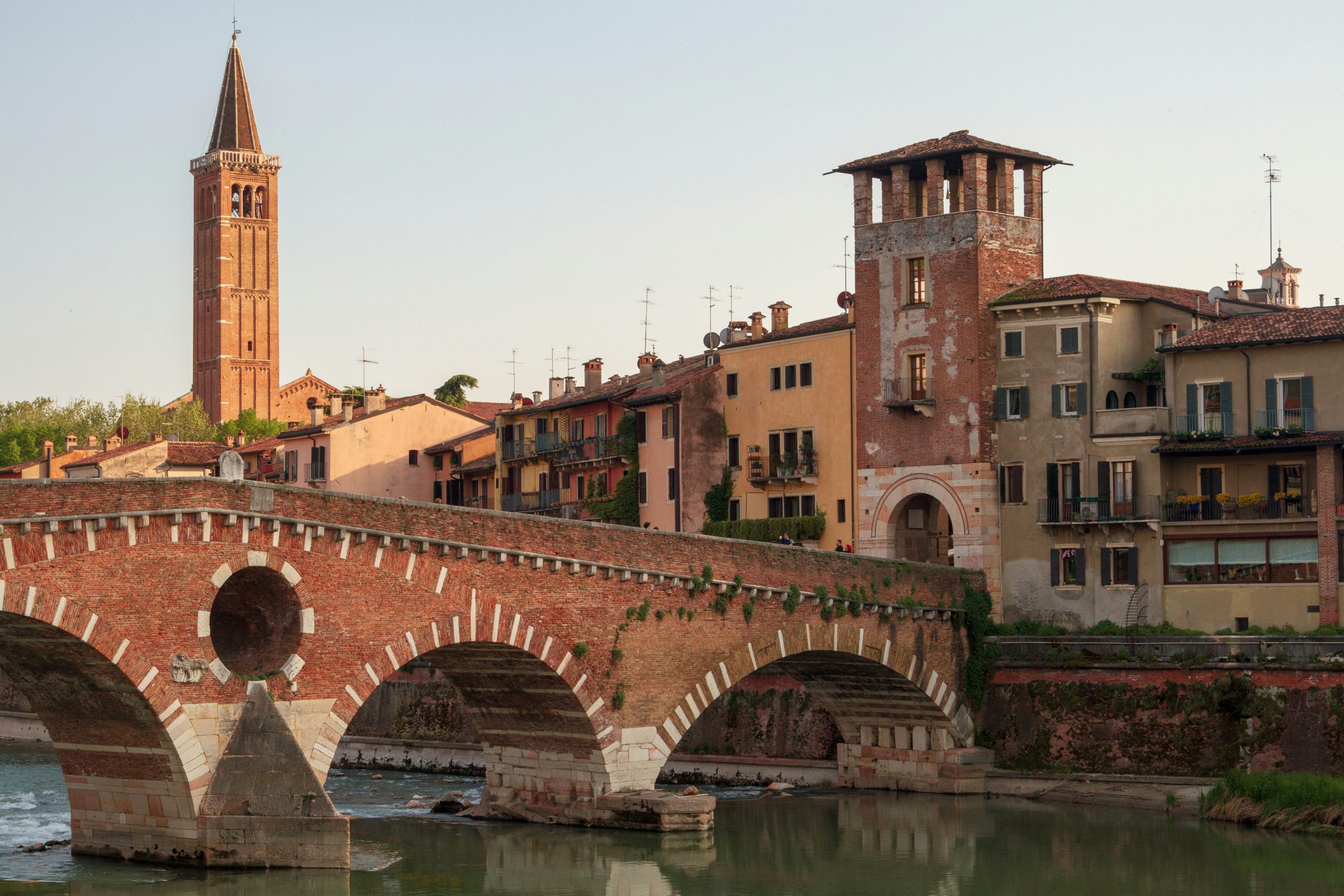
| Castelvecchio & the bridge | Riverside | Medieval fortress and its photogenic fortified bridge over the Adige |
| Ponte Pietra | Old town | The Roman stone bridge — best at golden hour |
| Torre dei Lamberti | Piazza delle Erbe | Climb (or lift) for the rooftop panorama |
| Teatro Romano | Across the river | Roman theatre and archaeological views over the city |
✈️ TripToGo Travel Deals
Get notified about great travel deals
Hand-picked flight, hotel and destination deals, straight to your inbox. No spam, unsubscribe anytime.
🎉 Thank you for subscribing!
You’re all set — the best travel deals are on their way.
A Day Trip Worth an Overnight, and Arena Opera: Key Facts
Verona is a perfect day trip — and an underrated overnight. The compact old town covers on foot in a day, but staying over lets you catch a summer opera in the 2,000-year-old Arena, one of Italy’s great experiences. Book opera tickets well ahead.
It sits on the fast train line between Venice (1 h 10) and Milan (1 h 20), so it slots easily into a northern-Italy route — and makes a calm base for Lake Garda, 30 minutes away.
Manage expectations at Juliet’s House: the balcony is a 20th-century addition and the courtyard is packed — enjoy it for the story, not the history. Official resource: Verona Tourism.
The Magic and History of Verona
Verona is a city full of romance and history. It invites travelers to walk its ancient streets and see its landmarks. With roots back to the Roman era, Verona is a goldmine of culture and architecture.
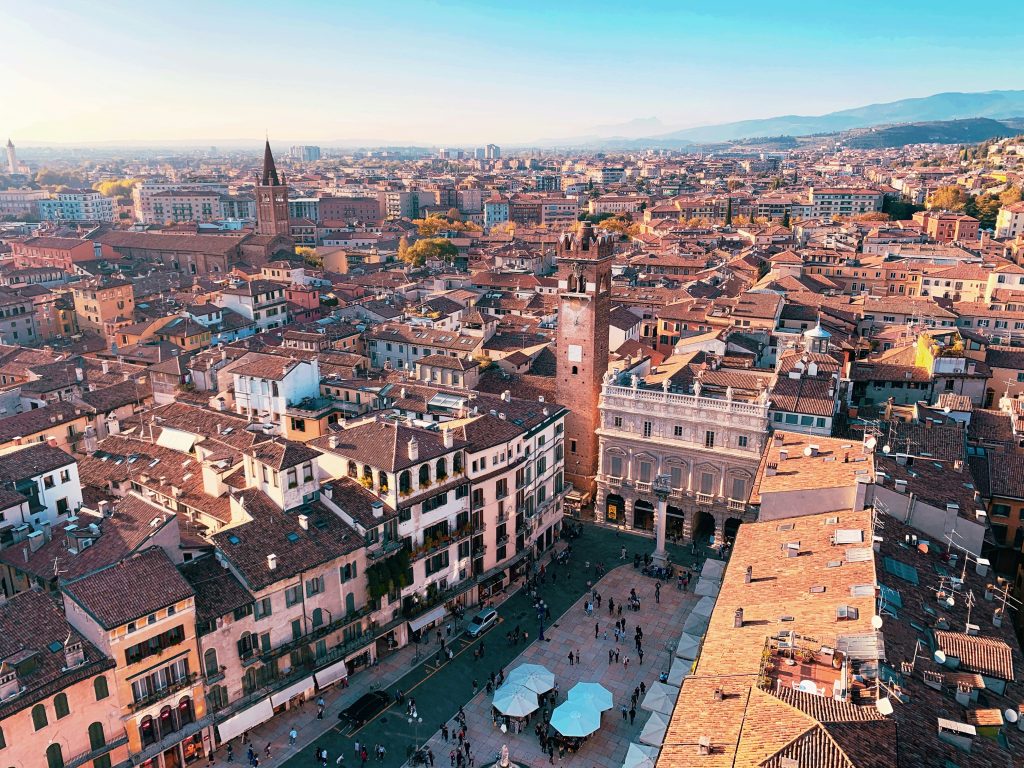
A City of Romance and Ancient Heritage
Verona’s historic center is a UNESCO World Heritage Site. It has ancient Roman ruins, medieval castles, and beautiful piazzas. Visitors can learn about the city’s past by seeing places like the Verona Arena and Castelvecchio.
The city’s old streets and squares are full of surprises. From Roman buildings to cozy shops and cafes, there’s much to find. As you explore, you’ll uncover Verona’s deep history and culture.
UNESCO World Heritage Status and Cultural Significance
Verona’s UNESCO World Heritage Site status highlights its cultural and historical value. Its ancient buildings, like the Verona Arena and Roman Theater, show its rich heritage.
But Verona’s cultural importance goes beyond its old buildings. The city buzzes with life, hosting many festivals and events. The Opera Festival at the Arena di Verona is a highlight.
Planning this trip?
Our partner Voyada’s AI powered trip planner builds a day-by-day plan with flights, hotels and a real total cost for your dates — in about a minute, free.
Plan an itinerary →Best Time to Visit Verona
Verona is full of attractions, from opera to festivals. Each season brings its own charm, making some times better than others to explore the city’s Verona tourist spots and Verona experiences.
Seasonal Weather and Tourist Patterns
Verona has a mild climate, with warm summers and cool springs and autumns. The busiest time is June to August, when the weather is best and opera is in full swing. For fewer crowds, visit in April to May or September to October. The weather is nice, and popular spots are less crowded.
Opera Season at the Arena
The Opera Festival at the Arena di Verona is a highlight. It runs from mid-June to mid-September, drawing opera fans worldwide. The ancient arena offers a unique setting for classical opera.
Festivals and Cultural Events Calendar
Verona is alive with cultural events all year. Besides the Opera Festival, there’s Verona Jazz at the Teatro Romano, Vinitaly in April, Tocatì street games in September, and wine festivals. These events showcase local culture and add to your Verona must-see trip.
How to Reach Verona
Verona welcomes visitors from everywhere, with easy air, rail, and road access. Whether you’re coming from within Italy or flying in from abroad, reaching Verona is straightforward.
By Air: Valerio Catullo Airport and Alternatives
Valerio Catullo Airport (VRN) is the nearest and most convenient airport, just a few kilometers from Verona’s center. It offers flights to both domestic and international destinations, connecting Verona to major European cities. If you can’t find a flight to Valerio Catullo, consider flying into Milan’s Malpensa or Venice Marco Polo airports. Then, take a train or shuttle to Verona.
By Train: Connections from Venice, Milan, and Rome
The train from Venice takes about 2 hours, and from Milan, it’s around 1.5 hours. Verona is connected by train to major Italian cities. Trains run regularly from Venice, Milan, and Rome, making it simple to include Verona in your Italian trip. Trains from Rome to Verona take 3-4 hours, depending on the train type. You can find schedules and book tickets on the Trenitalia website.
By Car: Autostrada Routes and City Parking
If driving is your preference, Verona is reachable via the autostrada. The A4 highway connects Verona to Milan and Venice, while the A22 links it to other parts of Italy. Upon arrival, several parking options are available around the city, including lots and garages. Keep in mind the entire historic centre is a camera-enforced ZTL: driving in without a permit triggers an automatic fine of about €85 to €100 per gate, posted to you months later. It’s wise to research parking before you arrive.
Getting Around Verona
Verona is easy to get around, with options like walking, cycling, or public transport. Its small size means attractions are close, perfect for exploring.
Public Transportation Network
Verona’s public transport includes buses and taxis. Buses cover most areas, making it easy to travel without a car. Tickets are available at tobacconists, newsstands, or online. This is great for longer trips or if you don’t want to walk.
Walking Tours and Self-Guided Routes
Walking is a great way to see Verona. The historic center is small, with beautiful streets and landmarks like the Arena di Verona and Casa di Giulietta. Join a guided tour for history insights or make your own route with maps and guides.
Bike Rentals and Cycling Options
Cycling is another excellent way to explore Verona. Many bike rental services are available for short or long periods. The city’s flat terrain and bike paths make cycling easy. You can ride along the Adige River or quiet streets to find hidden spots.
Walking, cycling, or using public transport, Verona is easy to navigate. Its layout and transport options help you create a great Verona itinerary. This ensures you enjoy your visit fully.
Top Things to Do in Verona
Verona is filled with ancient wonders and tales of love. It’s a place where history and romance meet. Visitors will find many attractions that promise a memorable experience.
Arena di Verona: Ancient Roman Engineering
The Arena di Verona is a key landmark in Verona. It shows the city’s history and architectural skill. Built in the 1st century AD, it hosts opera and concerts today. It’s a mix of history and culture for visitors.
Casa di Giulietta: Juliet's House and Balcony
Casa di Giulietta, or Juliet’s House, is famous from Romeo and Juliet. It’s a place where love stories come alive. Visitors can see Juliet’s balcony and the courtyard, but since April 2026 both need a ticket reserved online in advance, entering via the Teatro Nuovo in Piazzetta Navona.
Piazza delle Erbe: The Historic Market Square
Piazza delle Erbe is a lively square that shows Verona’s culture. It was once a Roman forum. Now, it’s a market, cafes, and beautiful buildings.
Prefer to travel it with a guide?
There are 13 Italy tours on TripToGo, from short city breaks to multi-week routes.
View Italy tours →Verona’s attractions give a peek into its history, culture, and romance. It’s a top spot for travelers from everywhere.
Historic Landmarks and Architecture
Verona’s architecture is a blend of ancient Roman ruins and medieval fortresses. As you wander through the city, you’ll see many historic landmarks. These sites showcase Verona’s rich culture and make it a top spot for sightseeing.
Verona Cathedral (Duomo) and Religious Sites
The Verona Cathedral, or Duomo, is a key religious site and a top attraction. Built in the 12th century, it’s a masterpiece of Romanesque architecture. It boasts intricate stone carvings and stunning frescoes.
Other religious sites in Verona offer a unique look into the city’s spiritual past. Each one provides a different perspective on Verona’s spiritual heritage.
Castelvecchio and Scaliger Bridge
Castelvecchio, a 14th-century fortress, is a symbol of Verona. Today, it’s home to the Civic Museum and a treasure trove of art and artifacts. The Scaliger Bridge, connecting Castelvecchio to the city center, showcases medieval engineering and offers beautiful views of the Adige River.
Roman Theater and Archaeological Museum
The Roman Theater takes you back to the 1st century BC. It hosts cultural events and performances in the summer. Next to the theater is the Archaeological Museum, filled with artifacts from Verona and the region. These items give insight into the city’s ancient history.
Verona’s landmarks and architecture show the city’s lasting impact. Whether you’re visiting the Verona Cathedral, crossing the Scaliger Bridge, or enjoying a show at the Roman Theater, Verona has unforgettable experiences for everyone.
Verona's Most Charming Neighborhoods
Explore the heart of Verona by walking through its most magical neighborhoods. These areas let you dive into the city’s local culture and charm. You can see the historic center, the artistic Veronetta district, and the lively San Zeno neighborhood.
Città Antica: The Historic Center
Città Antica is Verona’s historic core, filled with ancient buildings and charming spots. It’s perfect for getting lost in narrow alleys and finding hidden treasures. Here, you’ll find famous sites like Juliet’s House and the Roman Arena.
Veronetta: The Artistic District
Veronetta is Verona’s artistic quarter, known for its bohemian feel and cultural spots. It’s full of art galleries, boutiques, and restaurants. This area is great for experiencing Verona’s lively cultural scene.
San Zeno: Local Life and Basilica
San Zeno is a quaint neighborhood near Verona’s historic center. It’s famous for its local vibe and traditional Veronese life. You can wander its streets, visit the Basilica di San Zeno, and soak in the local atmosphere.
Verona’s neighborhoods offer a unique view of the city. Whether you love history, art, or local culture, there’s something for everyone. Exploring these areas lets you truly understand Verona’s culture and lifestyle.
Culinary Experiences in Verona
Discover the real taste of Verona through its traditional dishes and wines. Verona is a haven for food lovers, with a rich culinary history. You can find the city’s best flavors at local restaurants, trattorias, and osterias.
Traditional Veronese Dishes and Specialties
Verona’s food is known for being hearty, using local ingredients. Try risotto all’Amarone, a creamy dish with Amarone wine flavor. Also, bigoli in salsa, a pasta with onion and anchovy sauce, is a must-try.
Wine Tasting: Valpolicella, Amarone, and Soave
Verona is surrounded by vineyards that make famous wines. You can taste Valpolicella, Amarone, and Soave. Valpolicella pairs well with meat, while Amarone is rich and full-bodied. Soave is great for a cool drink on a warm day.
Best Restaurants for Authentic Local Cuisine
To really experience Verona’s food, eat at local spots. Look for the osterie and trattorie in the streets behind Piazza delle Erbe and around Via Sottoriva, where you will find Veronese staples like pastissada, bigoli and risotto all’Amarone. Ask locals or your hotel for the best places to eat.
Whether you’re enjoying Verona wine or a traditional meal, the food here will impress you. Explore the local flavors and wines that make Verona a culinary gem in Italy.
Where to Stay in Verona
Verona offers a wide range of places to stay, from luxurious palazzos to budget-friendly hostels. This means every visitor can find the perfect place to stay. The city’s accommodations cater to all budgets and preferences, making it great for travelers worldwide.
Luxury Hotels in Historic Palazzos
For a luxurious stay, Verona’s historic palazzos have been turned into elegant hotels. These grand structures offer opulent rooms, fine dining, and top-notch service. Guests get to enjoy ancient architecture with modern comforts.
Top luxury hotels in Verona are in historic buildings, mixing old charm with modern luxury. They’re in the city center, close to major attractions.
Mid-Range Accommodations Near Major Attractions
Travelers on a moderate budget can find comfortable stays in Verona. Mid-range hotels and B&Bs are near the city’s main sights, like the Arena di Verona and Juliet’s House. They offer a good mix of affordability and location.
Many mid-range places are family-run, offering a warm welcome. Guests can enjoy local food and personalized service, enhancing their Verona experience.
Budget-Friendly Options and Hostels
Verona has many affordable stays, including hostels and budget hotels. These are perfect for backpackers and those wanting to save on lodging. They don’t compromise on the quality of the travel experience.
Verona’s hostels are not just cheap but also social hubs. They’re great for meeting other travelers and sharing experiences. Many hostels have events and tours, helping guests explore the city.
Verona has something for everyone, from luxury to budget-friendly stays. Whether you’re looking for comfort, elegance, or savings, you’ll find the right place to stay in this enchanting city.
Shopping in Verona
Verona is a shopper’s dream, with a wide range of stores for all tastes. You can find everything from high-end fashion to local crafts and bustling markets. Exploring Verona’s shopping scene is a must when you visit.
For luxury fashion lovers, Via Mazzini is the top spot. It’s filled with upscale brands and designer stores. Via Giosuè Carducci, on the other hand, has both high-end and affordable shops. It’s perfect for those who want a mix of shopping.
The local markets, like the daily stalls in Piazza delle Erbe, are also worth a visit. They offer local handicrafts, souvenirs, and Veronese specialties. These markets are great for finding unique Verona souvenirs or gifts.
Verona shopping has something for everyone. Whether you’re after luxury goods, local crafts, or just want to enjoy the atmosphere, Verona has it all. It’s a wonderful way to end your trip to this beautiful Italian city.
Verona Insider Tips
Verona is compact, romantic and far calmer than Venice — a great base in the Veneto with a few local tricks worth knowing.
- One to two days covers it — and it makes a quieter, cheaper alternative base to Venice.
- See an opera in the Roman Arena during the summer season — book ahead; it’s unforgettable.
- Climb to Castel San Pietro (or ride the funicular) for the best sunset view over the city.
- You’re in Valpolicella/Amarone country — add a nearby winery visit.
- Easy day trips by train: Lake Garda, Venice and Vicenza are all close.
Before you go: turn this guide into a day-by-day plan. Our partner Voyada is a free travel itinerary generator that builds the trip with flights, hotels and a real total cost for your dates — in about a minute.
Create itinerary for trip →FAQ
What is the best time to visit Verona?
How do I get to Verona?
What are the top things to do in Verona?

Olivia Carter
Is Verona safe for tourists?
Verona is one of the safer cities in northern Italy, and violent crime against visitors is very rare. The realistic risk is pickpocketing in the crush around Juliet’s House, on Piazza Bra before an opera performance and on buses from the station. Keep valuables zipped and in front of you in those three places and you can walk the historic centre without much thought.
Is Verona safe at night?
Yes, Verona’s historic centre is comfortable to walk at night, including on your own. Piazza delle Erbe, Piazza Bra and the streets between them stay lively until late, especially on opera evenings when thousands leave the Arena together around midnight. The area immediately around Porta Nuova station is the one part worth crossing by taxi rather than on foot very late.
Is Verona safe for solo female travellers?
Verona suits solo female travellers well. The centre is compact, walkable and busy into the evening, and Italians are used to visitors exploring alone. Expect the occasional street comment rather than anything worse. Book accommodation inside the river bend so you can walk home rather than relying on late buses, and treat the queue at Juliet’s House as pickpocket territory.
Is Verona worth visiting?
Verona is worth visiting, and it is a far better city than its Romeo and Juliet reputation suggests. The Arena is a Roman amphitheatre older than the Colosseum and still in use, the historic centre carries UNESCO World Heritage status, and the food and Valpolicella wine are excellent. It also sits between Venice, Milan and Lake Garda, so it is easy to reach.
Is Verona worth a day trip from Venice?
Verona makes an excellent day trip from Venice, with trains taking a little over an hour each way and running frequently through the day. One day gives you the Arena, Piazza delle Erbe, Ponte Pietra and a proper lunch without rushing. That said, the city is at its best in the evening, so if you can spare a night rather than a day, take it.
Is Verona worth visiting with kids?
Verona works well with children, mainly because everything sits close together. Climbing or taking the lift up the Torre dei Lamberti, walking the fortified Castelvecchio bridge and gelato on Piazza delle Erbe carry a family day comfortably. Add the Giardino Giusti for hillside gardens and running-around space. Opera evenings run past midnight and are a stretch for younger children.
Is one day in Verona enough?
One day is enough to see Verona’s headline sights, and the compact centre makes that realistic. A full day covers the Arena, Casa di Giulietta, Piazza delle Erbe, Castelvecchio and Ponte Pietra on foot. Two days is better if you want the Teatro Romano across the river, a Valpolicella wine tasting or an evening at the opera, which finishes close to midnight.
Is Verona expensive?
Mid-range hotel rooms typically run around 100 to 160 euros a night, rising sharply on opera evenings and during the Vinitaly wine fair in April. Verona is noticeably cheaper than Venice or Milan while offering a comparable historic centre. The Verona Card, at roughly 27 euros for 24 hours or 32 euros for 48, pays for itself if you visit three or more sights.
Is it expensive to eat out in Verona?
A pasta or risotto course typically costs around 10 to 15 euros, a main nearer 15 to 22 euros, and a glass of Valpolicella often under 5 euros. Eating out in Verona is good value by northern Italian standards. Prices climb on the main squares, so walk two streets back for the same food at lower prices, and expect a cover charge of a couple of euros.
How many days do you need in Verona?
Two days is the sweet spot for Verona. One day covers the Arena, Juliet’s House, Piazza delle Erbe and Castelvecchio; the second lets you cross the river to the Teatro Romano and the Castel San Pietro viewpoint, visit San Zeno and eat properly. Add a third day if you want a Valpolicella or Soave wine tasting, or a day beside Lake Garda.
How many days do you need for Verona and Lake Garda?
Verona works well as the base, since Peschiera del Garda is only about 15 minutes away by train. Four to five days covers Verona and Lake Garda comfortably: two days in the city and two or three on the lake. If you want the quieter northern lake around Riva del Garda, plan on staying up there for at least one night instead.
How far is Verona from Milan?
Verona is roughly 140 km east of Milan, about 1 hour 15 minutes on the fastest direct trains and closer to 1 hour 30 on regional services. Trains run several times an hour from Milano Centrale to Verona Porta Nuova. Driving takes around 1 hour 45 minutes on the A4, though city parking and restricted-traffic zones make the train the easier option.
How far is Verona from Venice?
Verona sits about 120 km west of Venice, roughly 1 hour 10 minutes by fast train and about 1 hour 30 on regional services. There are departures through most of the day, so the regional trains need no advance planning. By car it is around 1 hour 45 minutes on the A4, but Venice itself is car-free, so the train is simpler.
How far is Verona from Lake Garda?
Lake Garda starts about 30 km west of Verona. Trains reach Peschiera del Garda on the southern shore in roughly 15 minutes, and buses run from Verona Porta Nuova to Garda and Bardolino in about an hour. Sirmione, the most photographed spot on the lake, is around 40 minutes by car. That proximity is why Verona makes a sensible lake base.
How far is Verona from Rome?
Verona is roughly 500 km north of Rome, about 3 hours on a direct high-speed train. Services run several times a day from Roma Termini to Verona Porta Nuova, usually routed via Bologna and Florence. Flying is rarely worth it once you add airport transfers at both ends, and driving takes around 5 hours 30 minutes on the A1 and A22.
How far is Verona from Florence?
Florence lies about 230 km south of Verona, roughly 1 hour 30 minutes to 1 hour 45 on direct high-speed trains via Bologna. That makes Verona an easy add-on to a Tuscany trip, or a stop on the way north to Venice or the Dolomites. Driving takes around 2 hours 45 minutes and only pays off if you are exploring the countryside.
How far is Verona from Bologna?
Bologna is about 140 km south of Verona and takes roughly 50 minutes on a direct high-speed train, or about 1 hour 30 on a regional service. It is one of the easiest day trips from Verona, and the same line is what links Verona so smoothly to Florence and Rome. By car allow around 1 hour 40 minutes.
How far is Verona from Lake Como?
Lake Como is about 230 km west of Verona, further than most people expect. There is no direct train: you change in Milan, and the trip to Como or Varenna takes roughly 2 hours 30 minutes to 3 hours in total. Driving takes around 2 hours 30 minutes. If you want a lake day from Verona, Garda is the sensible choice.
How far is Verona from Cortina d'Ampezzo?
Cortina d’Ampezzo is around 250 km north of Verona, roughly 3 hours by car through the Dolomites. There is no railway station at Cortina; the nearest is Calalzo di Cadore, reached by train via Venice and then a bus, which stretches the whole journey to about 5 hours. Most people hire a car or take a direct coach in the ski season.
How far is Verona airport from Lake Garda?
Verona Villafranca airport, also called Valerio Catullo, sits about 20 km from the southern shore of Lake Garda, roughly 25 minutes by car to Peschiera del Garda. Sirmione is around 30 minutes and Bardolino about 35. Airport buses run into Verona city centre in about 15 minutes, where you can pick up a train or bus onward to the lake.
How many airports does Verona have?
Verona has one passenger airport, Valerio Catullo at Villafranca, about 10 km southwest of the centre and coded VRN. Brescia’s airport is sometimes marketed as an alternative for the region, but it handles mainly cargo and very few scheduled passenger flights. If VRN does not suit your route, Venice, Bergamo and Milan are the realistic alternatives, all within about two hours by train.
Do you need a visa to visit Verona?
US, UK, Canadian, Australian and New Zealand citizens can stay up to 90 days in any 180-day period across the Schengen area. Verona follows Italy’s rules, so most visitors need no visa. Since April 2026 the EU biometric Entry and Exit System has operated at all Schengen borders, so allow extra time at your arrival airport for fingerprints and a photo.
What should you wear to the opera in Verona?
There is no formal dress code at the Arena di Verona, and what you wear depends on where you sit. On the unreserved stone steps most people wear smart-casual clothes and bring or hire a cushion for a small fee. Ticket holders in the stalls dress up considerably more. Bring a layer whatever your seat: performances start after sunset and run past midnight.