
Table of Contents
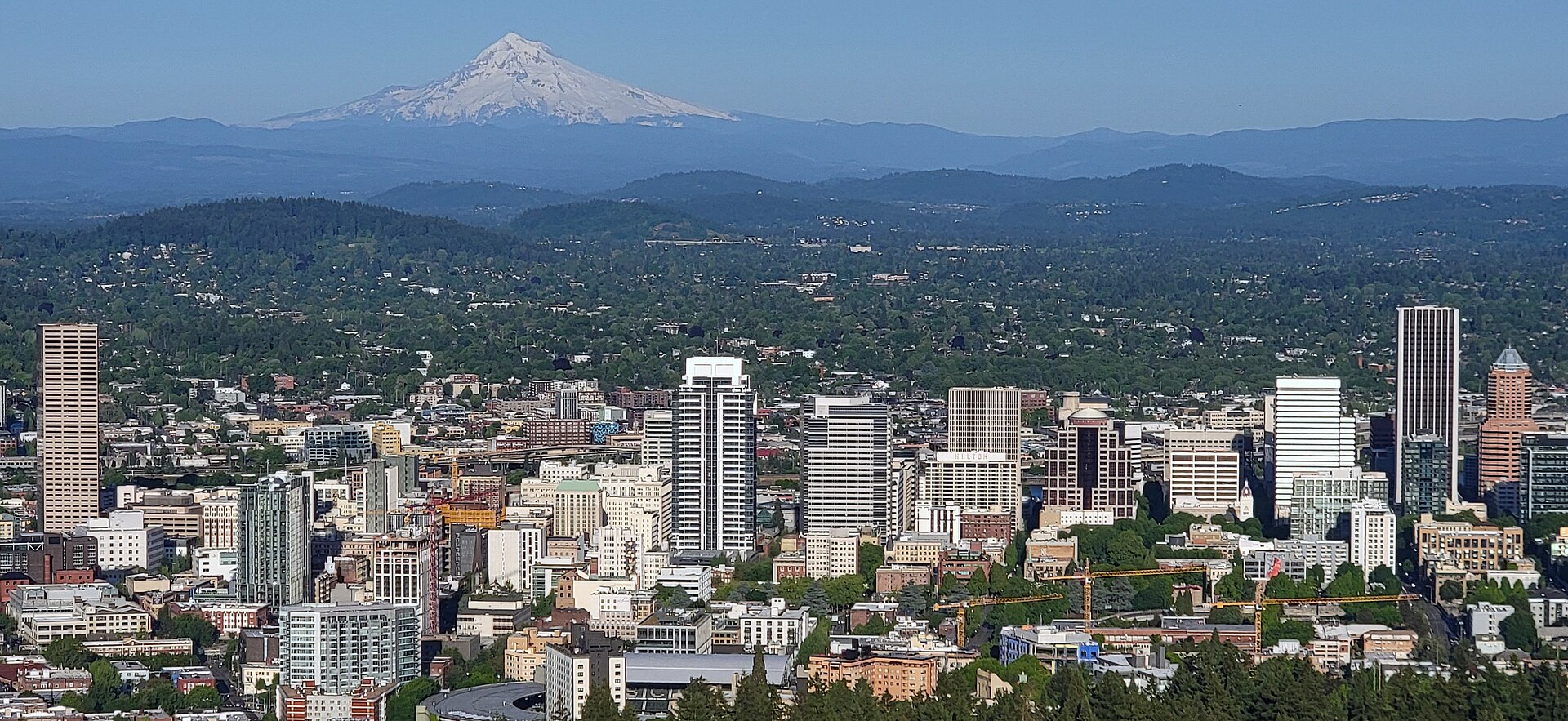
ToggleGreen, quirky and creative, Portland, Oregon is the Pacific Northwest’s City of Roses: a river city of 12 bridges where a single day can take in the world’s largest independent bookstore, a 12-acre Japanese garden, a free rose garden with more than 10,000 bushes, a food cart lunch and an evening on the Willamette River, with the waterfalls of the Columbia River Gorge just 30 miles east.
This guide ranks the 30 best things to do in Portland, Oregon, grouped by area so you can plan whole days around them: downtown and Old Town, Washington Park and the West Hills, the food and drink scene, the neighbourhoods and the east side. After the list come the best day trips from Portland, picks by trip type (free, with kids, rainy days and nights out), a one- to three-day itinerary, getting around, where to stay and when to go. Prices are standard adult prices from each attraction’s own website, checked in November 2026. Heading to New England instead? See things to do in Portland, Maine.
Key Takeaways
- Powell’s City of Books fills an entire city block with more than a million new and used books, and browsing is free (open daily 10am–9pm).
- Washington Park holds the Portland Japanese Garden ($22.50 adults), the free International Rose Test Garden, Hoyt Arboretum and the Oregon Zoo, all reachable by MAX light rail.
- Portland has more than 500 food carts; pods such as Hawthorne Asylum and Cartopia put a dozen or more cuisines around one set of tables.
- The Portland Saturday Market runs every Saturday from March to mid-December, 10am–5pm, in Tom McCall Waterfront Park.
- You don’t need a car in the city: a TriMet ticket costs $2.80 for 2.5 hours, and fares cap at $5.60 a day.
- July and August are the driest months, with about half an inch of rain each; more than half of the year’s 37 inches falls between November and February.
The 30 Best Things to Do in Portland at a Glance
Use this table to shortlist and plan. Costs are standard adult admission checked on official sites in November 2026; “free” means no entry charge (parking may still cost), and times are a comfortable minimum.
| # | Attraction | Area | Adult cost | Time needed |
|---|---|---|---|---|
| 1 | Powell’s City of Books | Pearl District / downtown | Free to browse | 1–2 hours |
| 2 | Portland Saturday Market | Old Town waterfront | Free entry | 1–2 hours |
| 3 | Tom McCall Waterfront Park | Downtown riverfront | Free | 1 hour |
| 4 | Pioneer Courthouse Square | Downtown | Free | 30 minutes |
| 5 | Portland Art Museum | Downtown (South Park Blocks) | $27.50; free 17 and under | 2–3 hours |
| 6 | Lan Su Chinese Garden | Old Town Chinatown | $18 | 1 hour |
| 7 | Mill Ends Park and weird Portland | Downtown / Old Town | Free | 1 hour |
| 8 | Willamette River cruise | Downtown riverfront | Varies by cruise | 1–2 hours |
| 9 | Portland Japanese Garden | Washington Park | $22.50 | 1.5–2 hours |
| 10 | International Rose Test Garden | Washington Park | Free | 45 minutes |
| 11 | Hoyt Arboretum | Washington Park | Free | 1–2 hours |
| 12 | Oregon Zoo | Washington Park | $26 ($21 ages 2–11) | 3–4 hours |
| 13 | Pittock Mansion | West Hills | $17–$18; grounds free | 1–1.5 hours |
| 14 | Forest Park and the Witch’s Castle | Northwest Portland | Free | 2–4 hours |
| 15 | Portland Aerial Tram | South Waterfront | $9 round trip | 30–45 minutes |
| 16 | Food cart pods | Citywide | Pay per dish | 1 hour |
| 17 | Coffee crawl | Citywide | Pay per cup | 2 hours |
| 18 | Voodoo Doughnut | Old Town | Pay per doughnut | 30 minutes |
| 19 | Breweries and taprooms | Pearl, Central Eastside, Northeast | Pay per pint | 2–3 hours |
| 20 | Pearl District | Northwest | Free to wander | 2 hours |
| 21 | Nob Hill (NW 23rd Avenue) | Northwest | Free to wander | 2 hours |
| 22 | Alberta Arts District | Northeast | Free to wander | 2 hours |
| 23 | Mississippi Avenue | North | Free to wander | 1–2 hours |
| 24 | Hawthorne and Division | Southeast | Free to wander | 2–3 hours |
| 25 | OMSI | Central Eastside | $21.50 | 3 hours |
| 26 | Tilikum Crossing by bike or on foot | Central Eastside / South Waterfront | Free on foot | 1–2 hours |
| 27 | Mount Tabor Park | Southeast | Free | 1–2 hours |
| 28 | Laurelhurst Park | Southeast | Free | 1 hour |
| 29 | Crystal Springs Rhododendron Garden | Southeast | $9 | 1 hour |
| 30 | Sauvie Island | 10 miles northwest | Free; $10 parking permit at wildlife-area sites | Half day |
✈️ TripToGo Travel Deals
Get notified about great travel deals
Hand-picked flight, hotel and destination deals, straight to your inbox. No spam, unsubscribe anytime.
🎉 Thank you for subscribing!
You’re all set — the best travel deals are on their way.
Things to Do in Downtown Portland and Old Town
Downtown Portland’s short blocks make it one of the easiest US city centres to explore on foot, and four of the five MAX light rail lines run through it. Start at Powell’s on the edge of the Pearl District, work down to the Willamette River for the Saturday Market and Waterfront Park, and finish in Old Town Chinatown.
1. Browse Powell’s City of Books
Powell’s City of Books is a Portland institution and, as Travel Portland puts it, the largest independent bookstore in the world: more than 68,000 square feet filling an entire city block at 1005 W Burnside Street, with more than a million new and used books shelved side by side across three colour-coded floors. Walter Powell opened his first used bookstore in 1971, and the family still runs the business. Browse local authors and staff picks, visit the Rare Book Room for signed first editions and collectible volumes, and check the marquee outside for the week’s author events.
Know before you go: open daily 10am–9pm (Rare Book Room 10am–5pm); free to browse. The Portland Streetcar and the MAX Red and Blue lines stop within a block, and there’s no dedicated parking lot. Allow at least an hour, two if you like to browse.
2. Shop the Portland Saturday Market
Running since 1974, the Portland Saturday Market fills a stretch of Tom McCall Waterfront Park by the Burnside Bridge with handmade jewellery, ceramics, clothing and art, plus international food stalls, street musicians and performers. The market describes itself as the largest continuously operating open-air arts and crafts market in the US, and it was named an Oregon Heritage Tradition in 2024. Despite the name, it’s a craft market rather than a farmers’ market; for produce, the Portland Farmers Market sets up on Saturdays in the South Park Blocks at Portland State University.
Know before you go: Saturdays only, 10am–5pm, from early March to mid-December (the 2026 season runs 7 March to 19 December); free entry; 2 SW Naito Parkway.
3. Walk Tom McCall Waterfront Park
Until the 1970s a six-lane highway, Harbor Drive, ran along the west bank of the Willamette River. The city tore it up in 1974 and dedicated Governor Tom McCall Waterfront Park in 1978, and today its 1.5-mile ribbon of lawn and riverside path is downtown’s front yard. In spring, look for the 100 Akebono cherry trees at the Japanese American Historical Plaza near the park’s north end, which usually peak between late March and early April. In summer, children run through the computer-controlled jets of the Salmon Street Springs fountain, and the park hosts the Rose Festival’s CityFair and the Waterfront Blues Festival over the Fourth of July weekend.
Know before you go: free; open 5am–midnight. Cross the Steel Bridge or the Hawthorne Bridge to make a loop along both banks of the river.
4. Hang Out in Pioneer Courthouse Square
Known as Portland’s ‘living room’, Pioneer Courthouse Square occupies a full 40,000-square-foot city block in the heart of downtown and hosts more than 300 events a year, from free summer lunchtime concerts to the city’s official tree lighting on the day after Thanksgiving. Look down as you cross it: the square is paved with engraved bricks, first sold in the 1980s to help pay for it and still sold to new Portlanders today. Grab a fried egg sandwich from the Fried Egg I’m In Love cart and watch the city go by.
Know before you go: free; MAX trains stop right beside the square, which makes it the easiest meeting point downtown.
5. See the Portland Art Museum
The Portland Art Museum on the South Park Blocks opened its expanded campus in November 2025, connecting its two historic buildings through the glass-fronted Mark Rothko Pavilion, named for the painter who grew up in Portland. Allow a couple of hours for highlights such as the Native American art collection, the Black Art & Experiences collection and the rotating exhibitions.
Know before you go: adults $27.50, seniors $24.50, college students $22.50; free for anyone 17 and under, and free for everyone on the first Thursday of each month (10am–7pm). Open Tuesday to Sunday 10am–5pm, closed Mondays.
6. Find Calm at Lan Su Chinese Garden
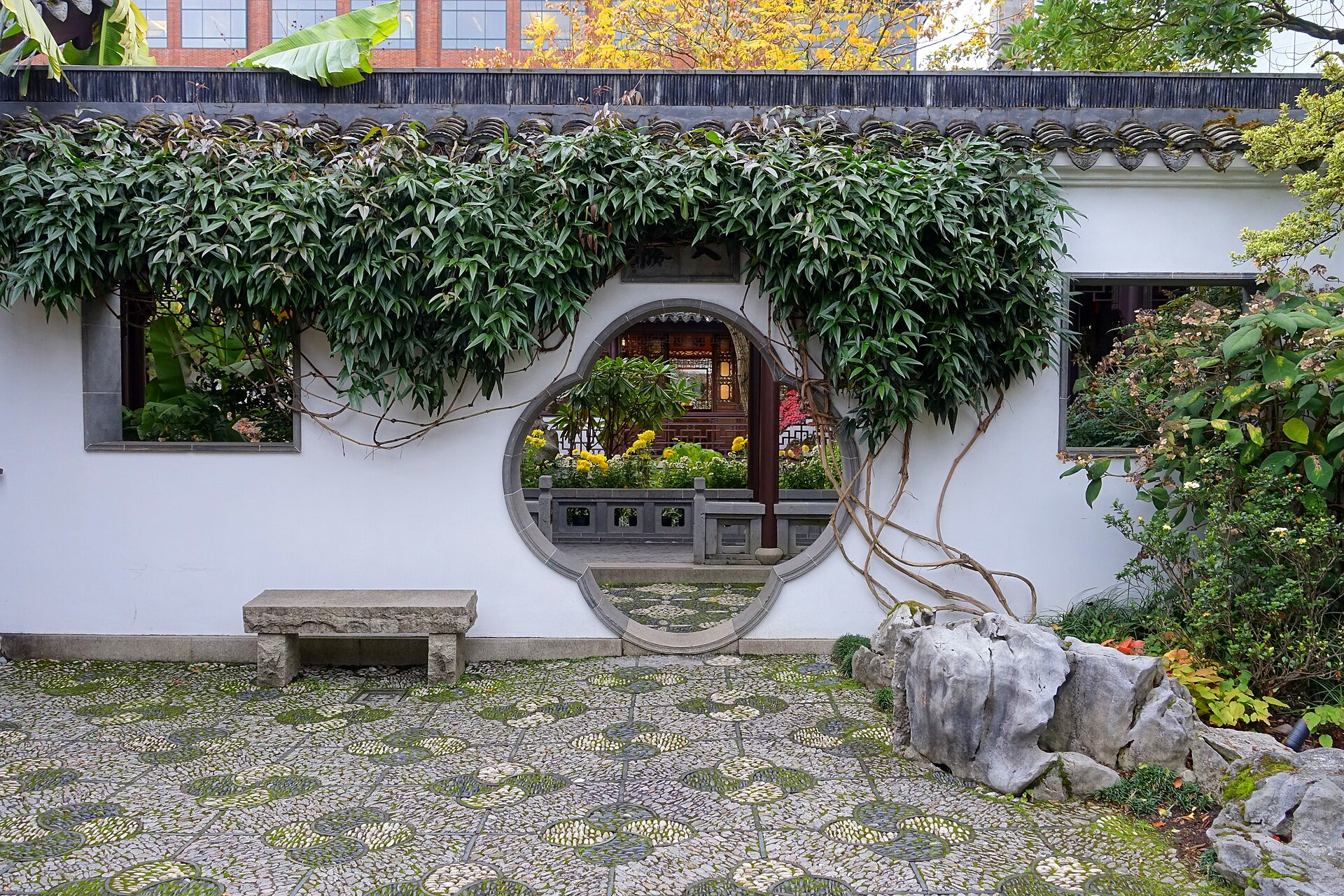
In 1999 a team of experts from Portland’s sister city, Suzhou in China, came to build Lan Su Chinese Garden, an authentic Ming dynasty-style garden that fills a 40,000-square-foot city block in Old Town Chinatown. Covered bridges, pavilions and a lake framed by seasonal plantings make it one of the calmest spots downtown, and the Yun Shui Teahouse serves traditional Chinese tea every day. Nearby, the Japanese American Museum of Oregon tells the story of Nihonmachi, the Japantown that once filled the same streets.
Know before you go: adults $18, seniors and students $17, youth (6–18) $15, under 6 free; open daily 10am–4:30pm (last entry 4pm); NW 3rd Avenue and Everett Street. For the darker side of Old Town’s past, guided tours explore the basements and legends of the ‘Shanghai tunnels’.
7. Hunt Down Mill Ends Park and Weird Portland
The ‘Keep Portland Weird’ streak shows best on a short downtown wander. In the median of SW Naito Parkway at Taylor Street sits Mill Ends Park, a circle just 2 feet across (452 square inches) that Guinness recognised as the world’s smallest park in 1971. Journalist Dick Fagan planted flowers in an empty hole meant for a light pole, dedicated it on St Patrick’s Day 1948 and wrote columns about the leprechaun colony he claimed lived there; it became an official city park in 1976. From there, walk into Old Town to photograph the ‘Keep Portland Weird’ mural, then browse the Bigfoot displays and oddities at the Freakybuttrue Peculiarium.
Know before you go: Mill Ends Park is free and easy to miss, so look for a tiny planted circle in the middle of the road, and cross at the lights.
8. Cruise the Willamette River
The Willamette River splits Portland into east and west, and seeing its bridges from the water is one of the most relaxing things to do in downtown Portland. Portland Spirit runs sightseeing cruises from downtown with skyline views and brunch, lunch or dinner on board, while the two-hour Willamette Jet Boats tour heads upriver past bridges, wildlife and houseboats to Willamette Falls in Oregon City. In December, the decorated boats of the Christmas Ships Parade, a Portland tradition since 1954, sail the Willamette and Columbia rivers nearly every night, free to watch from the bank.
Know before you go: prices and schedules vary by cruise and season, so book ahead for summer weekends and holiday dinner cruises.
Washington Park and the West Hills
Covering the forested West Hills just west of downtown, Washington Park packs a Japanese garden, the city’s famous rose garden, an arboretum, the Oregon Zoo, the Rose Garden Children’s Park and the World Forestry Center into one green hillside. It’s easy without a car: take the MAX Red or Blue line to Washington Park station by the zoo, then ride the free Explore Washington Park shuttle, which runs daily between the main attractions (9:30am–7pm through September, 10am–4pm in winter). TriMet bus 63 also links the gardens with Pioneer Courthouse Square. Parking is metered and fills fast on summer weekends.
9. Find Your Calm at the Portland Japanese Garden
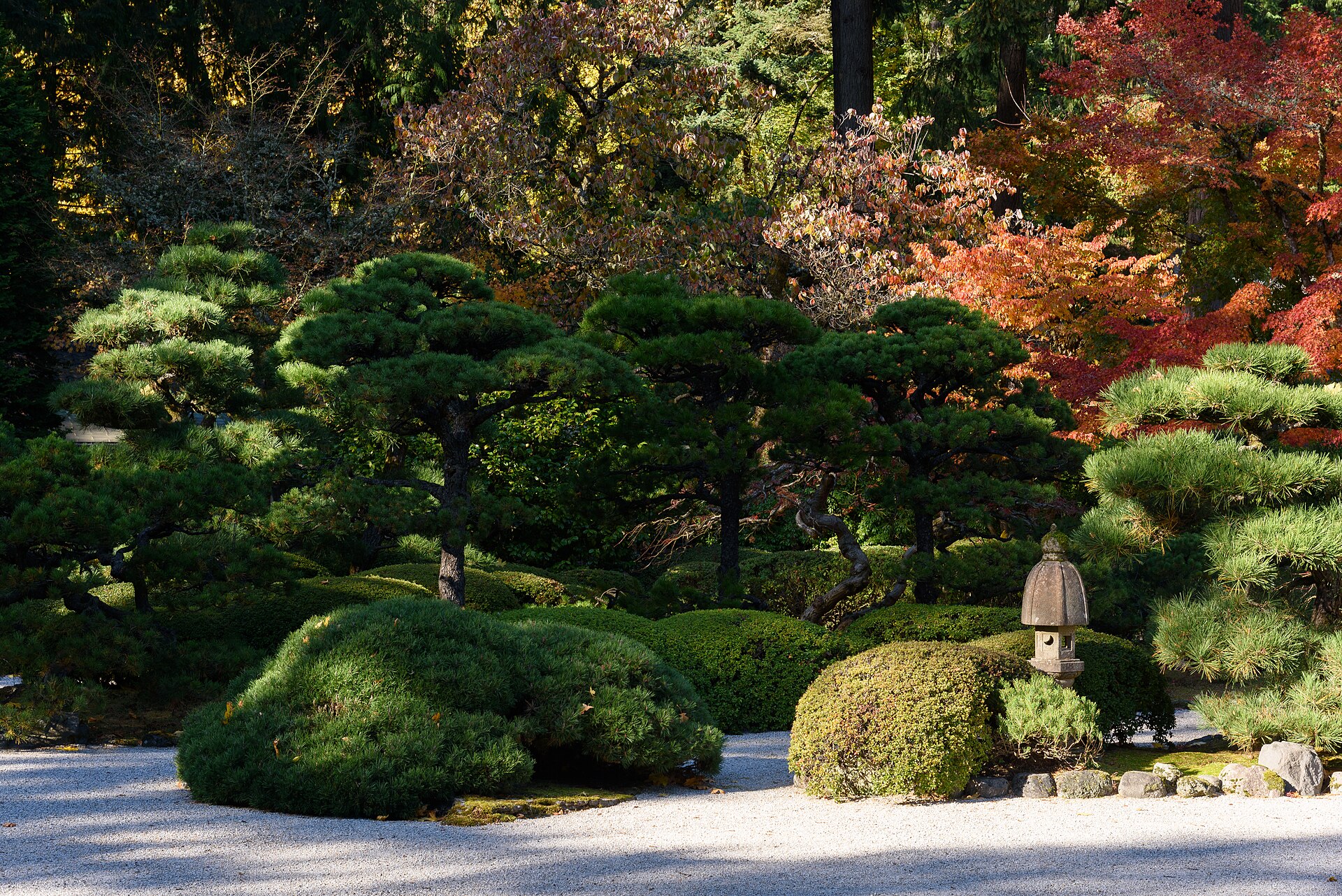
Widely regarded as one of the most authentic Japanese gardens outside Japan, the Portland Japanese Garden spreads eight distinct garden styles across 12 acres of hillside, with a traditional Japanese tea house, easy paths, ponds and carefully pruned maples. The Umami Café serves tea and light bites inside the grounds. Come in autumn (fall), when the maples turn and the garden tracks the colour week by week on its website, or in spring and early summer when everything is at its greenest. If it sparks a bigger trip, see the best time to visit Japan.
Know before you go: adults $22.50, seniors (65+) $19.50, students $18.50, youth (6–17) $16.50, 5 and under free; Umami Café access is included. Hours change with the season (10am–3:30pm in late autumn), so check the online calendar and book a timed ticket, up to 10 days ahead, to avoid the ticket line. 611 SW Kingston Avenue.
10. Smell the Roses at the International Rose Test Garden
Portland is the City of Roses, and the International Rose Test Garden is the reason: more than 10,000 rose bushes of over 610 varieties on terraces with views over downtown and, on clear days, Mount Hood. Dedicated in 1924, it is still a working test garden where rose growers trial varieties before they go on sale, and it includes a Gold Award garden of prize-winners and a Shakespeare Garden of roses named after characters in his plays. Blooms run from late May into October; June, Rose Festival month, is a favourite time to go.
Know before you go: free; open 5am–10pm (closed 5am–10am every other Wednesday from May to August for maintenance); 400 SW Kingston Avenue, a few minutes’ walk along SW Kingston from the Japanese Garden.
11. Walk Among the Trees at Hoyt Arboretum
Spread over 190 ridge-top acres, Hoyt Arboretum is Portland’s ‘living museum’ of trees, with around 2,000 species from around the world along 12 miles of trails. It’s a quieter alternative to the gardens below, especially in autumn, and some paths are paved, though the Bristlecone Pine Trail, which is being rebuilt for ADA access, is closed for construction until fall 2027.
Know before you go: free; open 5am–9:30pm; 4000 SW Fairview Boulevard. Parking is paid.
12. Spend a Morning at the Oregon Zoo
The Oregon Zoo keeps more than a thousand animals across 64 acres of Washington Park, in habitats that evoke everything from African savanna to tropical rainforest. Children love the Zoo Railway and the carousel, and in winter ZooLights fills the grounds with wildlife-inspired light displays after dark.
Know before you go: advance tickets cost $26 for ages 12 and up and $21 for children 2–11 (under 2 free). Hours change by season (9:30am–3:30pm in November and December, last entry 2:30pm); from 1 to 17 December the zoo opens Friday to Monday only, and it closes on 26 November and 25 December. The MAX Red and Blue lines stop at Washington Park station, right by the zoo.
13. Take In the View from Pittock Mansion
Built in 1914 for Henry and Georgiana Pittock and designed by architect Edward Foulkes, Pittock Mansion sits 1,000 feet above sea level in the West Hills, and its lawn has one of the best views in Portland: downtown, the river and its bridges, and on a clear day five peaks of the Cascade Range. The City of Portland bought the estate in 1964 for $225,000 and opened it to the public a year later, so you can tour the family’s rooms, the Gate Lodge and changing exhibits.
Know before you go: the grounds and viewpoints are free; house admission is $17–$18 for adults and $14–$15 for youth (6–18), under 6 free; last entry 30 minutes before closing. 3229 NW Pittock Drive. Parking is limited and paid in summer, so many visitors hike up on the Wildwood Trail from Forest Park instead.
14. Hike Forest Park to the Witch’s Castle
At about 5,200 acres, Forest Park is one of the largest urban forests in the US, with more than 80 miles of trails inside city limits and the 30-mile Wildwood Trail running its full length. The most popular short walk starts at the Lower Macleay trailhead in Northwest Portland and follows Balch Creek up a mossy canyon to the Stone House, a moss-covered stone ruin nicknamed the Witch’s Castle. Keep climbing on the Wildwood Trail and you reach Pittock Mansion. More than 112 bird species and 62 mammal species live in the park, which was dedicated in 1948.
Know before you go: free; open 5am–10pm. The first 0.2 miles of the Lower Macleay Trail is paved and accessible. Wear waterproof shoes from October to May, when the trails get muddy.
15. Ride the Portland Aerial Tram
The Portland Aerial Tram lifts you 500 vertical feet from the South Waterfront to the Oregon Health & Science University campus on Marquam Hill, travelling 3,300 feet in about five minutes each way. From the cabin and the observation deck at the upper terminal you can see the Willamette River, Tilikum Crossing and, on clear days, Mount Hood to the east and Mount St. Helens to the north. It’s a commuter line first, so avoid the weekday rush (7am–9am and 4pm–6pm).
Know before you go: $9 round trip, valid the same day (children 6 and under ride free with a paying adult; Hop cards aren’t valid). Runs weekdays 5:30am–9:30pm and Saturdays 9am–5pm; closed Sundays and holidays. The lower terminal at 3303 S Bond Avenue connects with light rail and the Portland Streetcar.
Portland’s Food Carts, Coffee and Craft Beer
Portland eats well at every price. Food carts are the cheapest way into the scene, coffee and doughnuts carry the city through grey mornings, and a beer culture that began with Portland’s first craft breweries in 1984 has earned the city the nickname ‘Beervana’. Come hungry and graze rather than booking one big dinner.
16. Eat Your Way Around the Food Cart Pods
Portland has more than 500 food carts, and food cart pods, clusters of carts around shared seating, let a group order Thai, tacos, barbecue and dessert at one table. On the east side, Hawthorne Asylum gathers 20-plus carts with a tap house next door, and Cartopia, two blocks away on SE Hawthorne Boulevard, has fed night owls since 2008 with the likes of Potato Champion and Pyro Pizza. In the Central Eastside, WonderLove adds a three-level shipping-container bar with a rooftop patio; in North Portland, Prost! Marketplace on Mississippi Avenue hosts carts such as Matt’s BBQ next to a German beer bar; and downtown, Midtown Beer Garden has been a cart hub for three decades. Use Travel Portland’s food cart finder to search by cuisine, because carts move and change often.
Know before you go: many pods have covered, heated seating, so they work in the rain too; downtown, the Fried Egg I’m In Love cart in Pioneer Courthouse Square is an easy breakfast stop.
17. Go on a Coffee Crawl
Coffee ranks with rain and bicycles in Portland’s identity. Start where the craft coffee movement took off: Stumptown Coffee Roasters has been roasting since 1999, and its café on SE Division Street is a local favourite. Downtown, Case Study Coffee sits across the street from the Central Library, a short walk from the Portland Art Museum; Deadstock Coffee mixes espresso with sneaker culture; and Portland Cà Phê Roasters showcases Vietnamese-grown beans.
Know before you go: pair the crawl with Powell’s on a rainy afternoon; the Central Library, the oldest public library on the West Coast, is free to explore.
18. Grab a Pink Box at Voodoo Doughnut
Few things say Portland like a pink box from Voodoo Doughnut, which has been turning out more than 100 kinds of doughnuts since 2003, from the Maple Bacon Bar to the Ring of Fire, a devil’s food doughnut dusted with cinnamon sugar and cayenne and topped with a whole dried chilli. The original shop is in Old Town, like the ‘Keep Portland Weird’ mural, and Voodoo now has several other locations if the line is long.
Know before you go: doughnuts are priced individually; take the MAX or streetcar rather than hunting for Old Town parking.
19. Tour the Breweries of ‘Beervana’
With more than 80 breweries, Portland is one of the best craft beer cities in the US. The boom started here in 1984, and McMenamins opened Oregon’s first brewpub a year later. The best brewery crawls cluster by area: the Pearl District’s historic Brewery Blocks (Deschutes Brewery & Public House and 10 Barrel), the Central Eastside (Ruse, Wayfinder, Baerlic and Grand Fir among them), Great Notion’s flagship taproom and beer garden in the Alberta Arts District, and Portland-born Breakside Brewing. Can’t choose? Loyal Legion pours 99 Oregon beers on tap, and Belmont Station’s bottle shop stocks more than 1,400 beers.
Know before you go: several taprooms are family-friendly, and Lucky Labrador Beer Hall is a favourite with dog owners; a guided beer tour takes the driving out of it.
Portland’s Best Neighbourhoods to Explore
Portland’s character lives in its walkable, independent neighbourhoods, each with its own main street of cafés, boutiques, bars and food carts. Addresses start with a compass prefix (NW, SE and so on) that tells you which side of the Willamette River and Burnside Street you’re on: the west side holds downtown, the Pearl and Nob Hill, while Alberta, Mississippi, Hawthorne and Division are across the river. Use the city’s bridges to see both.
20. Gallery-Hop in the Pearl District
The Pearl District is Portland’s most polished neighbourhood, with galleries, design shops and restaurants set on old loading docks and cobblestone streets. Powell’s sits on its southern edge, the Brewery Blocks hold Deschutes and 10 Barrel, and Jamison Square’s gentle wading fountain is a summer magnet for children. Come on the first Thursday of the month, when galleries stay open late for the First Thursday art walk.
Know before you go: the Portland Streetcar runs straight through the Pearl, linking it with downtown and Nob Hill.
21. Shop and Brunch on NW 23rd Avenue (Nob Hill)
Leafy Nob Hill, centred on NW 23rd Avenue, is one of the best shopping streets in Portland, lined with independent boutiques, bakeries and brunch spots. Ken’s Artisan Bakery is a neighbourhood favourite for bread and pastries, and both Forest Park and Washington Park are close by, so you can pair a morning hike with lunch.
Know before you go: the streetcar’s NS line ends here, and TriMet bus 15 runs along NW 23rd.
22. See the Murals and Last Thursday in the Alberta Arts District
Covered in street art and murals, the Alberta Arts District along NE Alberta Street shows Portland’s creative side in one long walk: galleries, artisan shops, the Alberta Rose Theatre, taquerias, vegan cafés and a queue for Salt & Straw ice cream. Look down too: the Alberta Street Black Heritage Markers, set in the sidewalk between NE 11th and NE 24th avenues, honour the Black community that shaped the street. On the last Thursday evening of each month, the Last Thursday art walk fills NE Alberta between 15th and 30th avenues with gallery shows, sidewalk vendors and live music.
Know before you go: it’s about a 15-minute drive from the airport, which makes it an easy first or last stop; Great Notion’s brewery is here too.
23. Eat and Listen on Mississippi Avenue
North Portland’s Mississippi Avenue packs a lot into a few blocks: the Prost! Marketplace food cart pod and its German beer bar, wood-fired pizza at Lovely’s Fifty-Fifty (whose chef appeared on Netflix’s Chef’s Table), biscuits and gravy for brunch at Gravy, and Mississippi Studios, one of the city’s favourite small music venues. North Williams Avenue, about half a mile away, adds more restaurants and Migration Brewing.
Know before you go: TriMet bus 4 runs along the avenue; evenings are the liveliest time to come.
24. Thrift, Snack and Stroll Hawthorne and Division
In Southeast Portland, Hawthorne Boulevard stretches over 43 blocks of vintage and thrift stores, bookshops (including a Powell’s branch), cafés and the Cartopia and Hawthorne Asylum cart pods. Just to the south, the 2-mile Division/Clinton corridor has become the city’s busiest dining street, from Stumptown’s Division café, where the street’s food scene began in 1999, to Ethiopian, Mexican and bakery stops. Ride the bus to the east end of Hawthorne and add a climb up Mount Tabor (number 27).
Know before you go: bus 14 runs along Hawthorne to Mount Tabor Park, and the FX2 frequent-express bus runs along Division.
Planning a trip to Portland?
Our partner Voyada’s itinerary generator builds a day-by-day plan with flights, hotels and a real total cost for your dates — in about a minute, free.
Plan trip with AI →Bridges, East Side Parks and Sauvie Island
Across the river from downtown, the east side trades big-ticket sights for green space, science and the city’s bridges. Portland has 12 bridges within city limits, and walking or cycling across a few of them is the best free view of the skyline. Further out, Sauvie Island is the city’s farm country and beach escape.
25. Explore OMSI and the USS Blueback
The Oregon Museum of Science and Industry (OMSI) on the east bank of the Willamette is Portland’s best rainy-day stop for families, with hundreds of hands-on exhibits across several halls, a planetarium and touring exhibitions. Outside, the USS Blueback, a real Navy submarine moored in the river, offers 45-minute tours where you can look through the periscope and touch a torpedo.
Know before you go: general admission is about $20–$22 for adults (14+), with lower prices for seniors (63+) and youth (3–13) and free entry under 3; prices change by season, so check OMSI’s website, and the submarine and planetarium are ticketed separately. Open Tuesday to Sunday from 9:30am, usually closed Mondays; 1945 SE Water Avenue, on the Portland Streetcar A and B Loops. Parking from $5 for two hours.
26. Cross Tilikum Crossing by Bike or on Foot
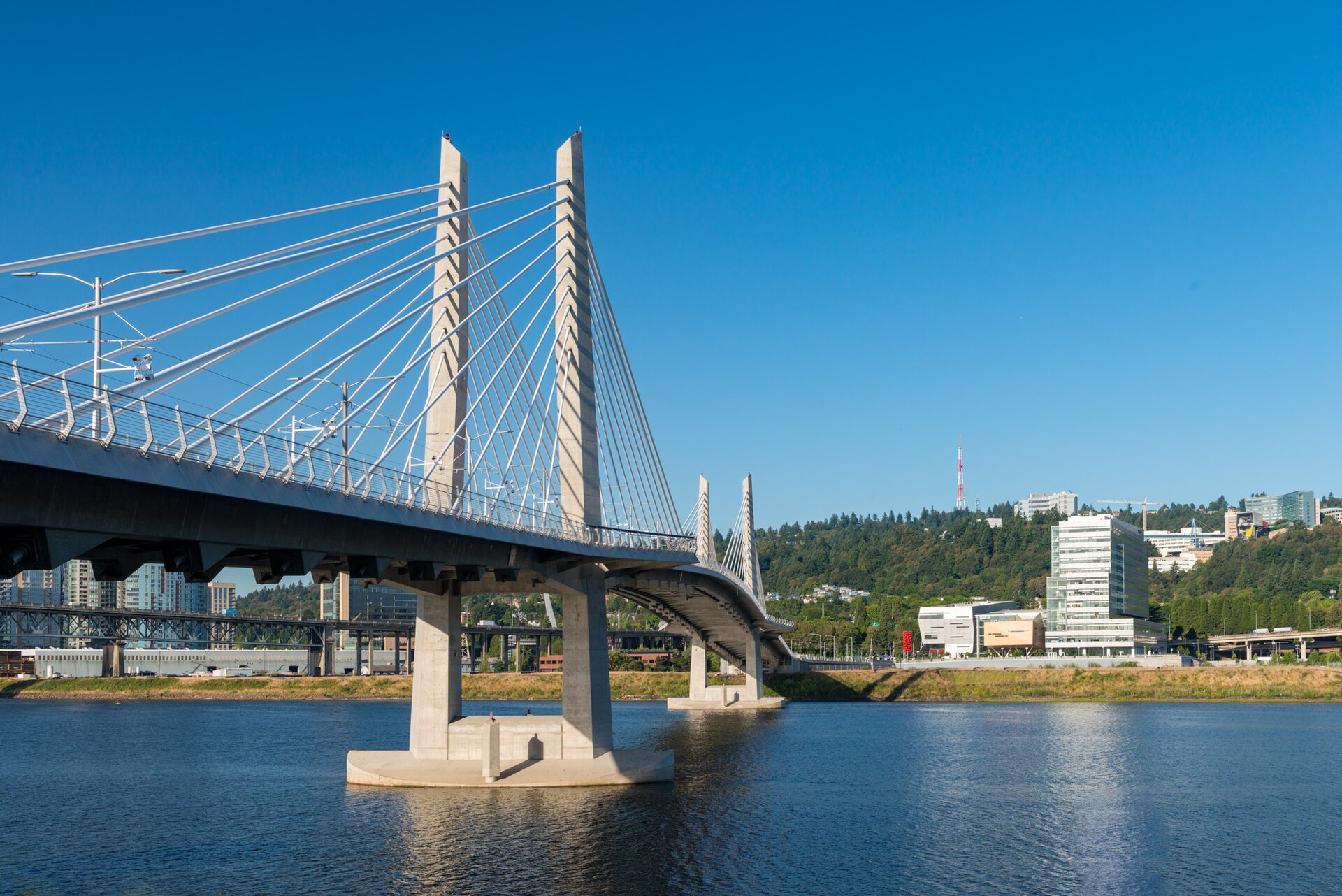
Tilikum Crossing, the ‘Bridge of the People’, is the only bridge in the US dedicated to light rail, buses, streetcars, bikes and pedestrians with no private cars, and it links OMSI with the South Waterfront and the Aerial Tram. Rent one of Biketown’s more than 2,000 orange electric bikes and make a loop: over Tilikum, north along the east bank, back across the Steel Bridge and south through Waterfront Park. In July and August, the city’s Portland By Cycle programme runs free guided rides on Tuesday and Wednesday evenings.
Know before you go: Biketown bikes unlock through the Biketown app; protected bike lanes and riverside paths make Portland one of the easiest US cities to ride in.
27. Climb a Volcano at Mount Tabor Park
Few cities have a volcano inside their limits, but Mount Tabor Park sits on an extinct volcanic cinder cone in Southeast Portland. Its 176 acres of forest trails, historic open reservoirs (the first built in 1894) and summit lawn give views over downtown and, on clear days, to Mount Hood. At the crest stands a bronze statue of newspaper editor Harvey Scott by Gutzon Borglum, the sculptor of Mount Rushmore, unveiled in 1933.
Know before you go: free; open 5am to midnight. The park roads close to cars all day on Wednesdays, which makes it a favourite day for walkers and cyclists. TriMet bus 14 (Hawthorne) gets you close.
28. Picnic at Laurelhurst Park
Designed in 1912 by Emanuel Mische, Portland’s park superintendent, who had worked with the Olmsted Brothers landscape firm, Laurelhurst Park is one of the city’s prettiest green spaces: 32 acres of lawns, old trees and paths around the spring-fed, 3-acre Firwood Lake and its ducks. It was listed on the National Register of Historic Places in 2001 and sits just north of the bars and restaurants of SE Belmont Street.
Know before you go: free; open 5am–10:30pm. The central lawn is the place for a picnic, and the park hosts free events in summer.
29. See the Blooms at Crystal Springs Rhododendron Garden
Founded in 1950 as a rhododendron test garden, Crystal Springs Rhododendron Garden holds more than 2,500 rhododendrons, azaleas and companion plants on 9.5 acres around spring-fed Crystal Lake, near Reed College. Blooms start in early spring and run into summer, with the biggest show around Mother’s Day weekend, and the lake attracts nearly 100 kinds of birds, from ducks and geese to herons.
Know before you go: $9 adults, $8 seniors, $6 youth (6–18), 5 and under free; open 10am–5:30pm (from 1pm on Wednesdays); 5801 SE 28th Avenue.
30. Spend a Half Day on Sauvie Island
Just 10 miles northwest of downtown, Manhattan-sized Sauvie Island, one of the largest river islands in the US, is where Portlanders go to pick their own fruit and vegetables in season, find pumpkin patches and a corn maze in October, watch birds and lie on sandy Columbia River beaches on hot days. Its beaches and wetlands are part of the Oregon Department of Fish and Wildlife’s Sauvie Island Wildlife Area.
Know before you go: you need a wildlife area parking permit ($10 a day) to park at wildlife-area sites, and in summer the Walton, Collins and North Unit beaches need a separate daily beach parking permit on weekends and holidays, bought online in advance.
Best Day Trips from Portland
Portland sits within two hours of waterfalls, a snow-capped volcano, wine country and the Pacific coast, which makes day trips from Portland one of the city’s biggest draws. A car gives the most freedom, but buses reach the Gorge and the mountain: Columbia Area Transit runs from Portland into the Columbia River Gorge, and the Mt. Hood Express links Sandy with Timberline Lodge daily.
| Day trip | Distance and drive | Best for | Good to know |
|---|---|---|---|
| Multnomah Falls and the Columbia River Gorge | 30 miles east, about 30 minutes | Waterfalls, hikes, viewpoints | Timed parking permit for the I-84 lot in summer |
| Mount Hood and Timberline Lodge | About 60 miles, 70–90 minutes | Skiing, hiking, mountain views | Check road conditions on TripCheck in winter |
| Willamette Valley wine country | Begins just south of the city | Pinot noir tastings, farm stops | Book tastings; consider a guided wine tour |
| Cannon Beach and the Oregon Coast | About 80 miles, 90 minutes to 2 hours | Haystack Rock, tide pools, beach towns | Tufted puffins nest on Haystack Rock May–August |
| Sauvie Island | 10 miles northwest | Farms, beaches, birding | $10 daily parking permit at wildlife-area sites |
Multnomah Falls and the Columbia River Gorge
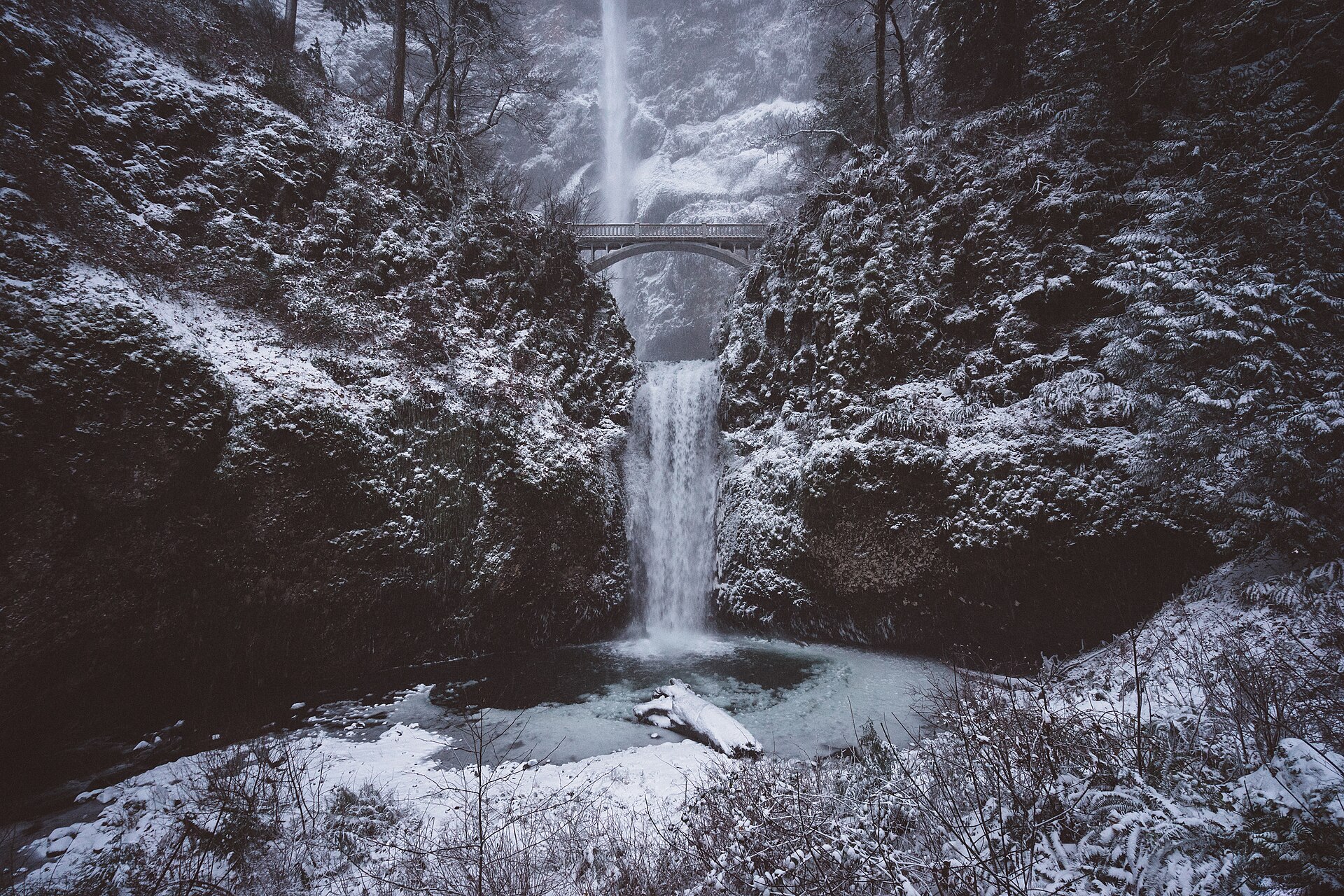
Just 30 miles east of downtown, the Columbia River Gorge is an 80-mile-long canyon up to 4,000 feet deep, protected as a National Scenic Area since 1986 and home to more than 90 waterfalls. The star is Multnomah Falls, Oregon’s tallest waterfall at 620 feet, which drops in two tiers beneath the historic Benson Bridge. From the lodge, the Larch Mountain Trail climbs steeply to the bridge and on to a viewing area at the top of the falls, a 2.4-mile round trip with about 600 feet of elevation gain. Where the road is open, combine it with Vista House at Crown Point, whose 270-degree views make it the highest point in the Gorge you can drive to, and the other falls along the Historic Columbia River Highway’s ‘Waterfall Alley’.
Know before you go: the I-84 lot at Exit 31 is free, but in summer a timed-use permit is required from 9am to 6pm (22 May–7 September in 2026; $2 online booking fee, with a limited number of free permits at the Gateway to the Gorge Visitor Center in Troutdale and the Cascade Locks Historical Museum). Visitors arriving by bike, transit or shuttle are exempt. Sections of the historic highway have had long closures, so check TripCheck before you drive. The falls run fullest in winter and spring.
Mount Hood and Timberline Lodge
At 11,250 feet, Mount Hood is Oregon’s tallest mountain, and the most direct route from Portland is about 60 miles via I-84 and US 26, a 70- to 90-minute drive. Head up to Timberline Lodge, built under the Works Progress Administration and dedicated by President Franklin D. Roosevelt on 28 September 1937. The lodge is a National Historic Landmark full of the work of Depression-era craftsmen and artists, and film fans will recognise its exterior from The Shining (1980). Timberline has the longest ski season on the mountain, cross-country skiers and snowshoers loop around Trillium Lake in winter, and in summer hikers tackle sections of the 41-mile Timberline Trail that circles the peak.
Know before you go: without a car, the Mt. Hood Express bus runs daily between Sandy and Timberline Lodge. In winter, check road conditions on TripCheck before setting out.
Willamette Valley Wine Country
Beginning just south of Portland, the Willamette Valley stretches about 150 miles to Eugene and is one of the world’s great pinot noir regions, sheltered by the Coast Range to the west and the Cascades to the east. The valley’s first pinot noir vines were planted in 1965, and it now has more than 700 wineries by the count of the Willamette Valley Wineries Association, most of them small: more than 70% of Oregon wineries make fewer than 5,000 cases a year. The northern valley around Newberg and McMinnville is the usual day-trip target. Book tastings ahead, and join a guided wine tour so no one has to drive.
Cannon Beach and the Oregon Coast
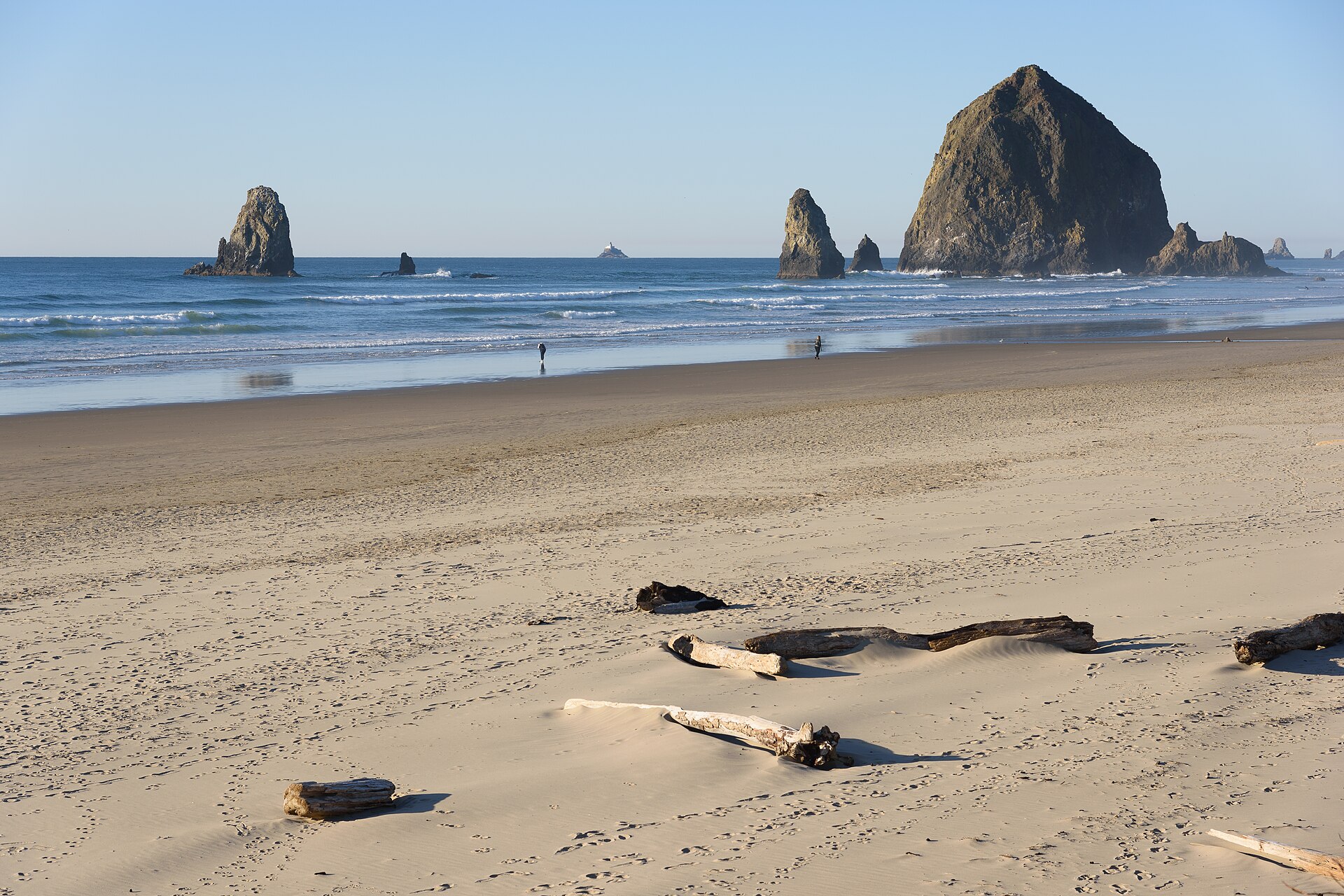
The Oregon Coast is 363 miles of public shoreline, and its nearest beach towns are about 80 miles from downtown, 90 minutes to two hours by car via US 26. Cannon Beach is the classic day trip: an artsy town facing Haystack Rock, a 235-foot basalt sea stack whose tide pools are a protected marine garden and where tufted puffins nest from May to August. The rock itself is off-limits above the high-tide line to protect the birds. Add the trails and viewpoints of Ecola State Park, or drive 20 minutes north to Seaside and its 2-mile oceanfront promenade.
Best Things to Do in Portland Oregon by Trip Type
Short on time or travelling with a particular crew? These shortlists pull the best picks from the 30 above, with a few extras.
Free Things to Do in Portland
- International Rose Test Garden: free year-round, with blooms from late May into October.
- Forest Park and Hoyt Arboretum: free trails, including the walk to the Witch’s Castle.
- Powell’s City of Books: free to browse for as long as you like.
- Portland Saturday Market and Waterfront Park: free entry, street performers and spring cherry blossoms.
- Pittock Mansion grounds: the view is free; only the house charges.
- Portland Art Museum on First Thursday: free for everyone from 10am to 7pm on the first Thursday of each month (and always free for 17 and under), the same night the Pearl District galleries stay open late.
- The Grotto in Northeast Portland: the Plaza Level, with the grotto shrine and chapel, is free during the day (the paid Upper Gardens, reached by elevator, are closed until the end of January 2027 while the elevator is modernised).
- Last Thursday on Alberta, Mount Tabor, Laurelhurst Park, Mill Ends Park and, in December, the Christmas Ships on the river.
Things to Do in Portland Oregon with Kids
Portland is an easy city with children. Top picks are the Oregon Zoo and its Zoo Railway; OMSI and the USS Blueback submarine; the free Rose Garden Children’s Park playground in Washington Park; the Aerial Tram, where children 6 and under ride free; summer splashing in Salmon Street Springs and the Jamison Square fountain (city fountains and splash pads run from Memorial Day weekend through September); Oaks Amusement Park for retro rides, roller skating and mini golf; and a food cart pod, where everyone picks their own dinner. For more inspiration, see these family vacation ideas.
Things to Do in Portland Oregon on a Rainy Day
Rain is part of the deal from October to May, and plenty happens indoors. Lose a morning in Powell’s, then try OMSI, the Portland Art Museum, the Oregon Historical Society museum downtown ($14 adults, free for 17 and under) or the Japanese American Museum of Oregon in Old Town ($8 adults). Lan Su Chinese Garden is lovely in a light shower, with tea in its teahouse. After that, go indoor-social: a coffee crawl, a brewery taproom, a covered and heated food cart pod, pinball at the Ground Kontrol arcade bar, a board game bar, or the Bigfoot oddities of the Freakybuttrue Peculiarium.
Things to Do in Portland at Night
Portland’s nightlife is more pub, gig and food cart than nightclub. See a show at the historic McMenamins Crystal Ballroom, famous for its ‘floating’ dance floor, or at Mississippi Studios, the Wonder Ballroom or the Hawthorne Theatre; catch the Trail Blazers or a big-name concert at the 20,000-seat Moda Center; or book a dinner cruise on the Willamette. Cartopia’s carts stay busy late, the Pearl District’s brewpubs and bars come alive after dark, and the Ritz-Carlton’s Bellpine bar has sweeping city views. In winter, ZooLights and the Christmas Ships make after-dark outings for the whole family.
Unique Things to Do in Portland Oregon
For the ‘Keep Portland Weird’ side of the city, visit Mill Ends Park, once ranked the world’s smallest park; order a Voodoo doughnut topped with breakfast cereal; hike to the Witch’s Castle in Forest Park; join a guided tour of the Shanghai tunnels under Old Town, built on tales of loggers and sailors kidnapped from 19th-century taverns; ride the Aerial Tram; or time a visit for the summer-long Pedalpalooza bike rides or the Portland Adult Soapbox Derby. For more offbeat ideas, see Travel Portland’s weird Portland guide.
Portland Itinerary: One, Two or Three Days
| Day | Morning | Afternoon | Evening |
|---|---|---|---|
| Day 1 | Powell’s City of Books and coffee in the Pearl District | MAX to Washington Park: Japanese Garden, Rose Test Garden, then the Pittock Mansion view | Food cart dinner at Cartopia or Hawthorne Asylum, then Hawthorne’s bars |
| Day 2 (a Saturday if possible) | Portland Saturday Market, Waterfront Park and Mill Ends Park | Lan Su Chinese Garden, Voodoo Doughnut, then the Portland Art Museum or OMSI | Dinner and live music on Alberta Street or Mississippi Avenue |
| Day 3 | Multnomah Falls via I-84 (book a timed parking permit in summer) | More Gorge waterfalls and viewpoints where the historic highway is open, or Mount Hood and Timberline Lodge instead | Brewery crawl in the Central Eastside |
With four or five days, add Cannon Beach on the Oregon Coast, a Willamette Valley wine day, a longer Forest Park hike and Sauvie Island. Portland also pairs easily with Seattle and Vancouver on a longer Pacific Northwest trip.
Getting Around Portland Without a Car
Getting around Portland is easy without a car. TriMet’s system covers the MAX light rail, buses and the Portland Streetcar: an adult ticket costs $2.80 for 2.5 hours of rides, and if you tap the same contactless card, phone or Hop card each time, fares cap at $5.60 a day (a Hop card costs $3). The MAX Red Line runs from Portland International Airport (PDX), 9 miles northeast of downtown, into the city centre in about 40 minutes, with trains every 15 to 30 minutes from before 5am until after midnight. Downtown, the Pearl and Nob Hill are easy on foot, the streetcar loops cross the river to OMSI and Tilikum Crossing, and Biketown e-bikes fill the gaps. Rent a car only for the day trips beyond the Gorge and mountain buses, and expect to pay for parking downtown.
| Option | Adult fare | Best for |
|---|---|---|
| MAX light rail (5 lines) | $2.80 for 2.5 hours; $5.60 daily cap | Airport (Red Line), downtown, Washington Park and the Oregon Zoo |
| TriMet buses | Same ticket as MAX | Neighbourhoods: 14 Hawthorne, 15 NW 23rd/Belmont, 4 Mississippi, FX2 Division, 63 Washington Park |
| Portland Streetcar | TriMet tickets valid; cheaper streetcar-only tickets also sold | Pearl District, Nob Hill, OMSI and Tilikum Crossing |
| Portland Aerial Tram | $9 round trip (Hop not valid) | South Waterfront to Marquam Hill and the views |
| Biketown e-bikes | Pay per ride in the app | Riverside loops, bridges and the east-side neighbourhoods |
| Gorge and Mount Hood buses | Separate fares | Car-free day trips (Columbia Area Transit, Mt. Hood Express) |
Where to Stay in Portland
Portland has more than 100 hotels within city limits, most of them in the central city. For a first visit, stay downtown or in the Pearl District: you can walk to Powell’s, the waterfront and the Saturday Market, and MAX and the streetcar are close at hand. Choose the Central Eastside for breweries and food carts, and Northeast Portland for character. Summer is high season, so book early for June to September and Rose Festival weekends; vacation rentals are plentiful in the east-side neighbourhoods.
| Area | Best for | Hotels to consider |
|---|---|---|
| Downtown | First-timers, transit, the waterfront and museums | The Nines and The Ritz-Carlton, Portland (luxury); The Benson, the Heathman Hotel, Hotel deLuxe and Kimpton Hotel Vintage (boutique and historic); McMenamins Crystal Hotel (quirky) |
| Pearl District and Old Town Chinatown | Powell’s, galleries, nightlife | Canopy by Hilton Pearl District, the Harlow Hotel, The Hoxton (Old Town Chinatown), The Society Hotel (bunk rooms and private rooms in an 1881 building, good for budgets) |
| Nob Hill and Northwest | Shopping, Forest Park, Washington Park | Inn @ Northrup Station, Silver Cloud Inn NW Portland, Northwest Portland Hostel (budget) |
| Central Eastside and Lloyd | Breweries, OMSI, the Convention Center and Moda Center | Jupiter Hotel and Jupiter NEXT, KEX Portland (social hotel with 25 private rooms), Hotel Grand Stark, Hyatt Regency Portland |
| Northeast Portland | Alberta Arts District and one-of-a-kind stays | McMenamins Kennedy School, a former elementary school with a soaking pool |
Best Time to Visit Portland
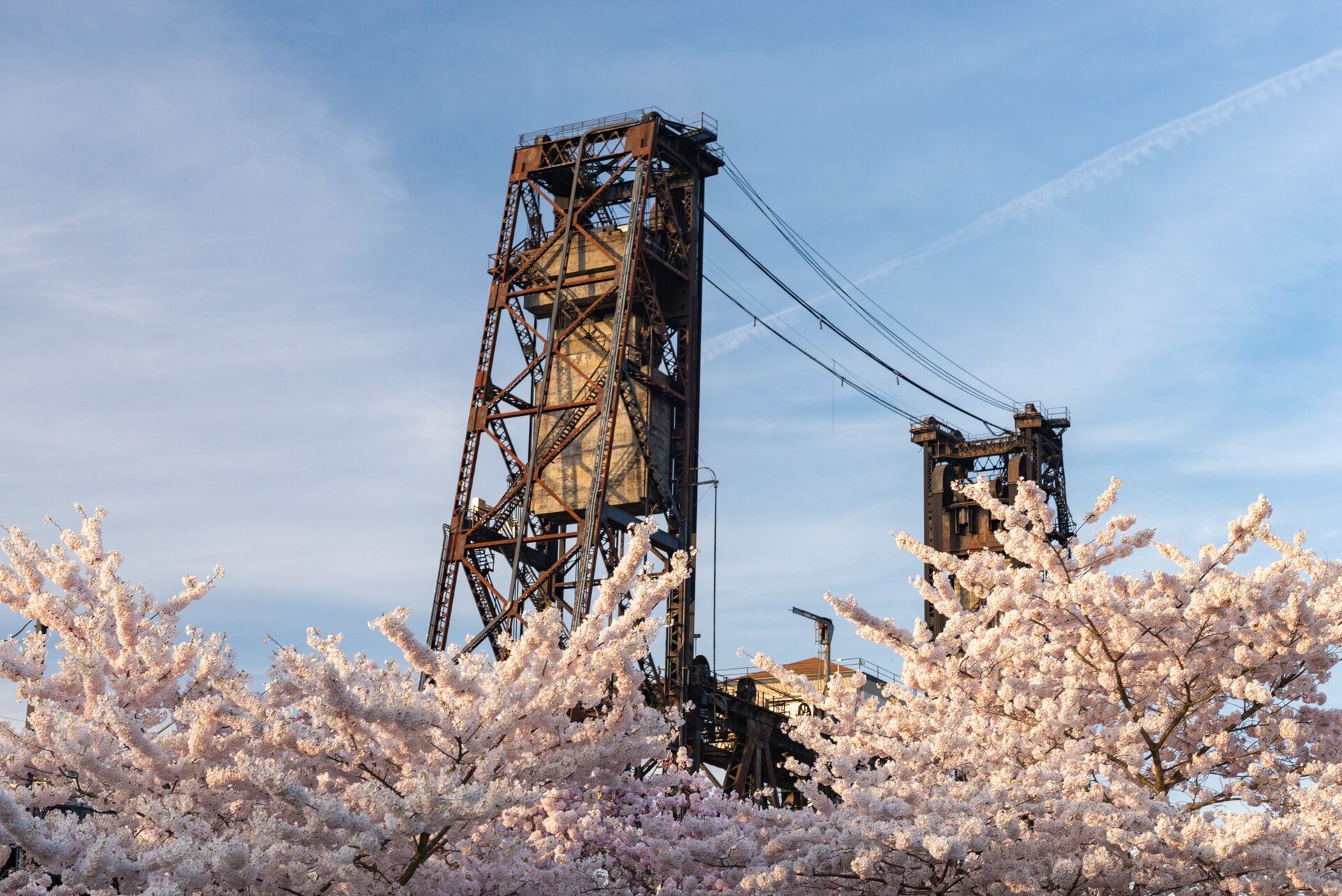
Portland’s weather has two moods: a dry, sunny summer and a long, mild, damp stretch from October to May. By NOAA’s 1991–2020 climate normals for Portland International Airport, the city gets about 37 inches of rain a year on roughly 157 days, but more than half of it falls between November and February, while July and August average about half an inch each. Summer (June–September) is the best time to visit Portland for the gardens, food carts, hiking and day trips, with the roses in bloom and the Rose Festival’s parades, fireworks and dragon boat races running from late May to mid-June. Spring brings the waterfront cherry blossoms (late March to early April), the rhododendrons at Crystal Springs and the start of the Saturday Market season. Autumn (fall) often stays dry and warm into early October, then brings maple colour to the Japanese Garden and pumpkin patches on Sauvie Island. Winter is mild but grey, with about 4 inches of snow a year on average; it’s the season for the Christmas Ships, ZooLights, the Pioneer Courthouse Square tree lighting and skiing on Mount Hood. For other early-summer ideas, see where to travel in June.
| Season | Average high | Average rain per month | Highlights |
|---|---|---|---|
| Spring (March–May) | 57–69°F | 2.5–4.0 in | Cherry blossoms, Saturday Market opens, rhododendrons, Rose Festival starts late May |
| Summer (June–August) | 74–82°F | 0.5–1.6 in | Rose Festival, roses at their best, Waterfront Blues Festival (Fourth of July weekend), splash fountains |
| Fall (September–November) | 54–77°F | 1.5–5.5 in | Warm September, Japanese Garden colour, Sauvie Island pumpkin patches |
| Winter (December–February) | 47–52°F | 3.7–5.8 in | Christmas Ships, ZooLights, tree lighting, Mount Hood skiing, Portland Winter Light Festival (February) |
Related Guides
Frequently Asked Questions
What is Portland, Oregon known for?
Portland is known for its green, eco-friendly and quirky ‘Keep Portland Weird’ character, its legendary food-cart and food scene, world-class coffee and craft beer, Powell’s City of Books, its beautiful gardens (the Japanese Garden and Rose Garden), its many bridges over the Willamette River, and easy access to Multnomah Falls, the Columbia River Gorge and Mount Hood.
How many days do you need in Portland?
Three to four days lets you browse Powell’s, enjoy Washington Park’s gardens, graze the food carts, explore several neighbourhoods, and take a day trip to Multnomah Falls and the Columbia River Gorge. Add more time to reach Mount Hood, the Willamette Valley wine country or the Oregon Coast.
How much does the Portland Japanese Garden cost?
Adult admission to the Portland Japanese Garden is $22.50; seniors (65+) pay $19.50, students $18.50 and youth aged 6–17 $16.50, and children 5 and under go free. Tickets are timed and can be booked up to 10 days ahead, and admission includes access to the Umami Café. It’s worth the price: the 12-acre garden combines eight garden styles and is at its best in autumn colour and spring growth.
How far is Multnomah Falls from Portland?
Multnomah Falls is about 30 miles east of downtown Portland, roughly a 30-minute drive on I-84 to Exit 31. At 620 feet it is Oregon’s tallest waterfall, and the trail to the top is a 2.4-mile round trip. From late May to early September, a timed-use permit is needed to park at the I-84 lot between 9am and 6pm; visitors arriving by transit, shuttle or bike are exempt.
When is the best time to visit Portland?
June to September is the best time to visit Portland: average highs reach 74–82°F, and July and August get only about half an inch of rain each (NOAA 1991–2020 normals). June adds the Rose Festival and the roses in bloom. Late spring and September to early October are pleasant and quieter, and autumn (fall) brings colour to the gardens. Winter is mild but grey and wet in the city.
Is Portland, Oregon safe for tourists?
Yes, Portland is generally safe for visitors who stick to the main tourist areas — downtown, the Pearl District, Hawthorne and the east side neighbourhoods all see heavy foot traffic and are well used to visitors.
As in any US city, take normal precautions after dark and avoid empty side streets, particularly around parts of Old Town/Chinatown late at night. Portland is a diverse, generally laid-back city, and its parks, food carts and museums see a broad mix of visitors with no particular pattern of trouble reported.
Does Portland get wildfire smoke in summer?
Sometimes — Portland itself rarely faces direct wildfire risk, but smoke drifting in from fires burning elsewhere in Oregon, Washington or California can affect air quality during late summer, typically from July through September.
Smoky spells are irregular and vary year to year; some summers pass with barely a haze, while others bring a week or more of hazy skies. Check a real-time air quality index such as AirNow if you’re visiting in peak fire season and have respiratory concerns.
Is Portland LGBTQ-friendly?
Yes, Portland is one of the most LGBTQ+-friendly cities in the US, with a long-established community centred on the inner east side and a large annual Pride festival each summer.
Oregon’s non-discrimination laws protect sexual orientation and gender identity statewide, and the city’s bars, restaurants and events are broadly welcoming, making it a comfortable destination for LGBTQ+ travellers.
Is Portland, Oregon worth visiting?
Yes — Portland punches above its weight for a mid-sized city, combining an outstanding food and coffee scene, the vast Powell’s City of Books, the serene Japanese Garden, quirky walkable neighbourhoods and easy day trips to Multnomah Falls and the Columbia River Gorge.
It suits travellers who enjoy food, nature and independent culture over big-ticket landmarks, and a couple of days here is well spent, especially paired with a wider Pacific Northwest trip.
Is Portland an expensive city to visit?
Portland is mid-range for a US city: generally cheaper than San Francisco, Seattle or New York for hotels and dining, but pricier than many Midwest or Southern cities, and hotel rates climb in the June–September high season.
It’s easy to keep costs down. Many top sights are free (the International Rose Test Garden, Forest Park, Hoyt Arboretum, Waterfront Park and browsing Powell’s), a food cart meal costs less than a sit-down restaurant, transit fares cap at $5.60 a day, and Oregon has no general sales tax, so the price on the tag is what you pay in shops.
What is the weather like in Portland, Oregon?
Portland has mild, wet winters and warm, dry summers. The airport averages about 37 inches of rain a year on roughly 157 days, but more than half arrives between November and February, mostly as frequent light rain rather than downpours. July and August average highs around 82°F with only about half an inch of rain each, while January averages 47°F by day and 36°F at night. Snow is light, about 4 inches a year on average, though an ice or snow storm can still disrupt the city for a day or two. Pack a light waterproof jacket for any month outside summer.
How far is Portland from Seattle?
Portland is around 175 miles (280km) from Seattle, roughly a 3-hour drive north on Interstate 5 without traffic.
Amtrak Cascades trains, sponsored by the Washington and Oregon transportation departments, link the two cities several times a day, an easy car-free way to combine both. Many travellers add Vancouver, Canada, for a longer Pacific Northwest trip; this Vancouver itinerary covers that leg.
Do you need a car to get around Portland?
No. You can see most things to do in Portland, Oregon without a car: the MAX light rail, buses and Portland Streetcar cover the airport, downtown, Washington Park and the inner neighbourhoods for $2.80 per 2.5 hours (capped at $5.60 a day), and downtown, the Pearl and Nob Hill are easy on foot or by Biketown e-bike.
A car helps for Mount Hood, the Willamette Valley and the coast, though buses also reach the Columbia River Gorge and Timberline Lodge.
Is the International Rose Test Garden free?
Yes. The International Rose Test Garden in Washington Park is free to enter and open daily from 5am to 10pm, apart from a 5am–10am maintenance closure every other Wednesday from May to August. More than 10,000 rose bushes of over 610 varieties bloom from late May into October. Parking nearby is metered, so the MAX to Washington Park plus the free shuttle, or TriMet bus 63, is the easier option.
When is the Portland Saturday Market open?
The Portland Saturday Market opens on Saturdays only, 10am to 5pm, from early March to mid-December; the 2026 season runs from 7 March to 19 December. It sets up in Tom McCall Waterfront Park by the Burnside Bridge (2 SW Naito Parkway). Entry is free, and the market, running since 1974, sells handmade crafts, art and street food, with live performers.
What can you do in Portland in one day?
With one day in Portland, start at Powell’s City of Books with coffee in the Pearl District, then take the MAX to Washington Park for the Portland Japanese Garden and the free International Rose Test Garden. If time allows, add the view from Pittock Mansion, then head to Hawthorne for dinner at a food cart pod. On a Saturday, swap the morning for the Saturday Market.
What should I pack for a trip to Portland?
Pack layers and a light waterproof jacket with a hood for any trip outside July and August, since Portland sees rain on about 157 days a year. Bring comfortable, ideally waterproof shoes for walking and for muddy Forest Park trails, a warm layer for summer evenings and day trips to Mount Hood or the coast, and sunscreen in summer. Dress is casual almost everywhere.
Can you visit Mount Hood or the Oregon Coast from Portland in one day?
Yes, both are easy day trips. Mount Hood is about 60 miles from Portland, a 70- to 90-minute drive, and the Mt. Hood Express bus reaches Timberline Lodge daily from Sandy. Cannon Beach and Haystack Rock on the Oregon Coast are about 80 miles away, 90 minutes to two hours by car. Leave early, check TripCheck for winter road conditions, and pick one destination per day.
What is there to do in Portland in winter and at Christmas?
Portland’s holiday season starts the day after Thanksgiving with the tree lighting in Pioneer Courthouse Square. In December, watch the free Christmas Ships Parade on the Willamette and Columbia rivers, see ZooLights at the Oregon Zoo and visit The Grotto’s Christmas Festival of Lights; the Saturday Market runs until mid-December. On wet days, head for Powell’s, OMSI or the art museum, or go skiing on Mount Hood.
What is there to do in Portland in the fall?
Fall is a great time for Portland: September is usually dry and warm, and summer weather often lasts into early October. Go for the maple colour at the Portland Japanese Garden, which tracks the foliage online each season, pumpkin patches and the corn maze on Sauvie Island, waterfall hikes in the Columbia River Gorge and tasting rooms in Willamette Valley wine country. For more ideas, see where to travel in October.
What are the best things to do in downtown Portland?
The best things to do in downtown Portland are browsing Powell’s City of Books, the Portland Saturday Market and Tom McCall Waterfront Park on the river, Pioneer Courthouse Square, the Portland Art Museum, Lan Su Chinese Garden and Voodoo Doughnut in Old Town Chinatown, tiny Mill Ends Park and a Willamette River cruise. Downtown is compact and four of the five MAX lines run through it, so you can see most of these on foot in a day.
Planning Your Portland Trip
Portland rewards travellers who like to wander. A morning lost in Powell’s, an afternoon in the Japanese and rose gardens, a food cart dinner on Hawthorne and a day out to Multnomah Falls cover the essentials, and the neighbourhoods, parks and breweries fill as many extra days as you can give them. Come between June and September for the driest weather and the roses, or in spring and fall for blossoms, colour and fewer crowds; pack a rain jacket the rest of the year, and leave the car at home until it’s time for the Gorge, the mountain or the coast.
Before you go: turn this guide into a day-by-day plan. Our partner Voyada is a free tour planner online that builds the trip with flights, hotels and a real total cost for your dates — in about a minute.
Build a travel itinerary →