
Table of Contents
ToggleFor decades the Japan Rail Pass was a no-brainer — a single ticket for unlimited bullet-train travel that almost every visitor bought without a second thought. But a steep price rise in October 2023 changed everything, and today the pass is worth it for some trips and a waste of money for others. Getting the decision right can save you hundreds of dollars.
This guide, with prices checked against official sources in November 2026, explains exactly how the Japan Rail Pass works: what it costs now, the simple maths of whether it pays off for your itinerary, when a cheaper regional pass is the smarter buy, what the pass does and doesn’t cover, and how to buy and use it. By the end you’ll know whether to buy one for your trip.
✈️ TripToGo Travel Deals
Get notified about great travel deals
Hand-picked flight, hotel and destination deals, straight to your inbox. No spam, unsubscribe anytime.
🎉 Thank you for subscribing!
You’re all set — the best travel deals are on their way.
Key Takeaways
- Cost now: ¥50,000 (7-day) and ¥80,000 (14-day) on the official website, up from ¥29,650 and ¥47,250 before October 2023.
- Worth it for: long loops covering Hiroshima, Hakata, Hokkaido or lots of Shinkansen in one week.
- Not worth it for: the Tokyo–Kyoto–Osaka route or single-region trips.
- Often better: a cheaper regional JR pass matched to your area.
- Fastest trains: the Nozomi and Mizuho need a separate supplement ticket (¥4,960 Tokyo–Kyoto).
- Golden rule: add up your real one-way fares, then compare the total against the pass.
Japan Rail Pass at a Glance
The quick verdict, before the detail.
| Question | The short answer |
|---|---|
| 7-day cost | ¥50,000 (about $315), Ordinary class, on the official website; ¥53,000 through overseas agencies |
| Worth it for | Long loops in one week, e.g. Tokyo–Kyoto–Hiroshima–Hakata–Tokyo |
| Not worth it for | Tokyo–Kyoto–Osaka round trips; single-region trips |
| Break-even | About ¥7,150 of JR fares per day on a 7-day pass |
| Better alternative | A regional JR pass or point-to-point tickets |
| Nozomi & Mizuho | Need a supplement ticket: ¥4,960 Tokyo–Kyoto, ¥6,500 Tokyo–Hiroshima |
| Decide by | Adding up your actual one-way fares first |
What Is the Japan Rail Pass?
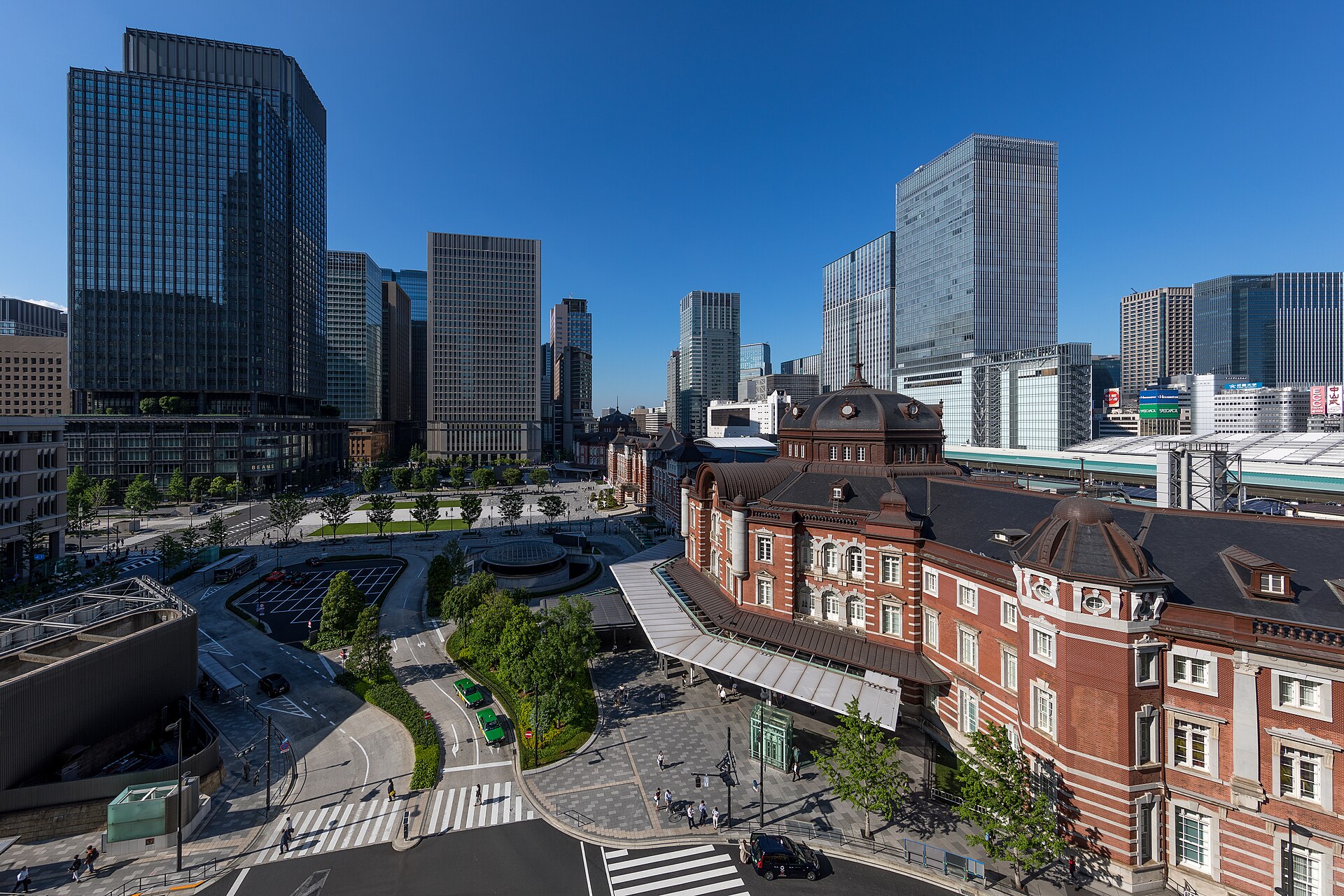
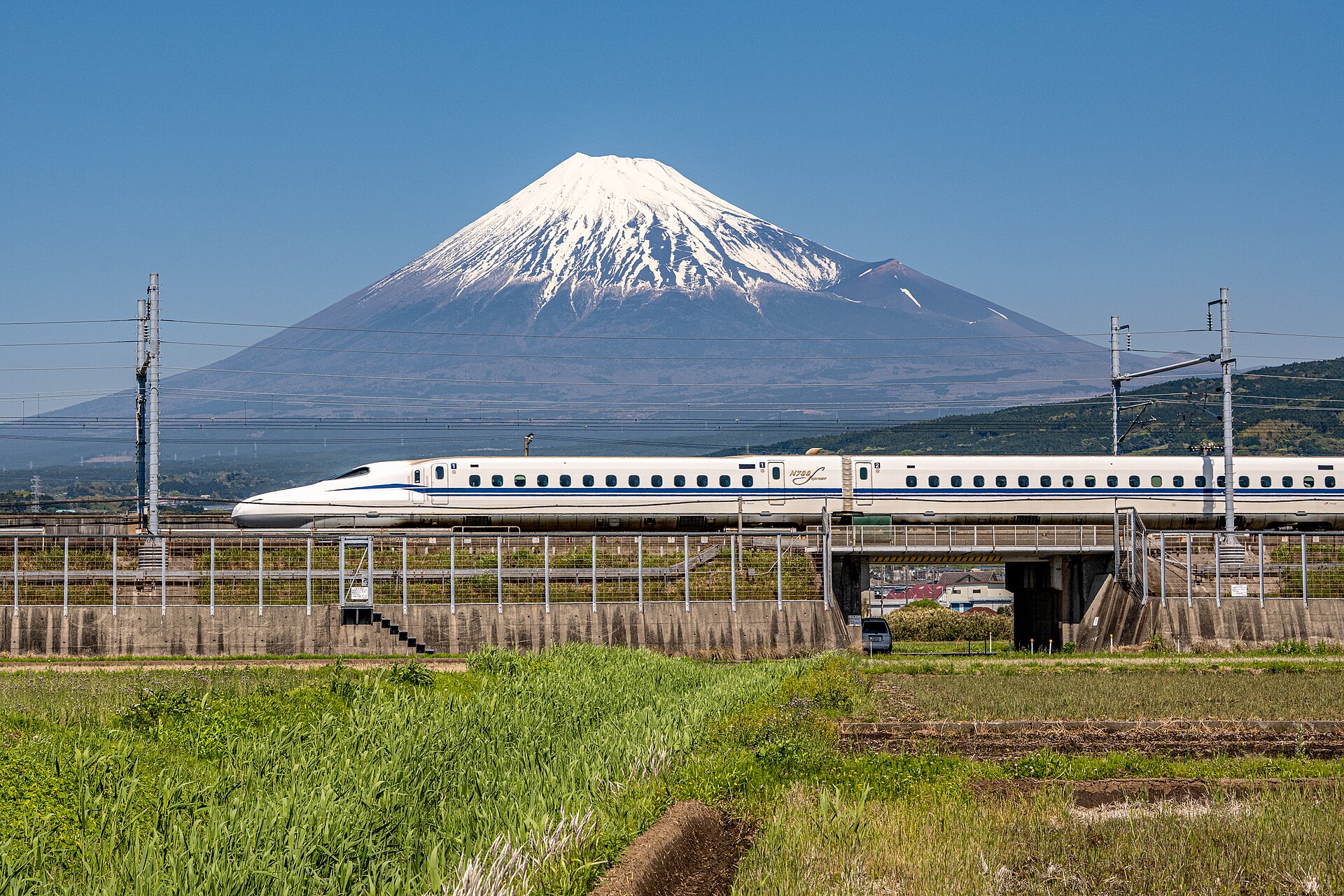
The Japan Rail Pass (JR Pass) is a discounted travel pass, available to foreign tourists, that gives you unlimited rides on most of the nationwide Japan Railways (JR) network for 7, 14 or 21 consecutive days. Crucially, that includes the vast majority of the Shinkansen bullet trains, plus JR local and rapid trains, some JR buses, and the ferry to Miyajima — making it a one-price ticket to zip the length of the country.
Think of it as a Japan Rail Pass for foreigners only: it is sold to overseas visitors entering Japan with “temporary visitor” status, the short-stay entry most tourists receive, and your passport is checked when you collect it, as the Japan National Tourism Organization’s rail pass guide explains. The pass is a joint product of the six JR Group railway companies and comes in two classes: Ordinary (standard cars) and Green (first class). What it is not is a city transit pass, because the Tokyo subway and most private railways sit outside it.
Japan Rail Pass Price: Ordinary, Green and Child Fares
The official Japan Rail Pass website sets every pass in yen. The table shows what you pay when you buy there. Children aged 6 to 11 pay half the adult price, and the dollar figures are approximate at about ¥158 to the US dollar (November 2026), so they move with exchange rates.
| Pass | Ordinary adult | Ordinary child | Green adult | Green child | Ordinary adult, approx. USD |
|---|---|---|---|---|---|
| 7-day | ¥50,000 | ¥25,000 | ¥70,000 | ¥35,000 | ~$315 |
| 14-day | ¥80,000 | ¥40,000 | ¥110,000 | ¥55,000 | ~$505 |
| 21-day | ¥100,000 | ¥50,000 | ¥140,000 | ¥70,000 | ~$635 |
That’s a steep price increase. Before October 1, 2023, an authorised retailer sold the Ordinary pass for ¥29,650 (7 days), ¥47,250 (14 days) and ¥60,450 (21 days), according to the Japan National Tourism Organization (JNTO), so today’s 7-day pass costs about 69% more. That jump is why the pass no longer pays for itself automatically.
Where you buy also matters. Since October 1, 2026, overseas JR-designated travel agencies charge ¥53,000, ¥84,000 and ¥105,000 for the Ordinary pass (¥74,000, ¥116,000 and ¥147,000 for Green), while the official website has kept the earlier prices as a limited-time promotion with no announced end date (still in place in November 2026), JNTO reports. Buying direct saves ¥3,000 to ¥7,000 per adult pass. For the wider budget picture, see this breakdown of what a trip to Japan costs.
Is the Japan Rail Pass Worth It? The Break-Even Maths
If you’re wondering “is JR Pass worth it?” for your own route, the honest answer is that it depends entirely on your itinerary, and for many common trips it’s no longer worth it. The pass pays off only if the individual fares you’d otherwise buy add up to more than its price. The benchmark to remember is the Tokyo–Kyoto Shinkansen: ¥13,970 one way on a Nozomi with a reserved seat in JR’s own smartEX online fare table (regular season), or ¥13,650 on a Hikari. A round trip is therefore roughly ¥28,000, just over half the price of a 7-day pass.
| 7-day itinerary | One-way legs (Nozomi, reserved seat) | Tickets total | Against the ¥50,000 pass |
|---|---|---|---|
| Tokyo → Kyoto → Osaka → Tokyo | ¥13,970 + ¥2,880 + ¥14,520 | ¥31,370 | Tickets ¥18,630 cheaper |
| Tokyo → Kyoto → Hiroshima → Tokyo | ¥13,970 + ¥11,740 + ¥19,560 | ¥45,270 | Tickets ¥4,730 cheaper |
| Tokyo → Kyoto → Osaka → Hiroshima → Tokyo | ¥13,970 + ¥2,880 + ¥10,750 + ¥19,560 | ¥47,160 | Roughly break-even; extra JR day trips tip it to the pass |
| Tokyo → Kyoto → Hiroshima → Hakata → Tokyo | ¥13,970 + ¥11,740 + ¥9,430 + ¥23,610 | ¥58,750 | Pass ¥8,750 cheaper |
| Osaka base with Kyoto, Nara, Himeji and Hiroshima day trips | Shin-Osaka – Hiroshima return alone: ¥21,500 | ¥21,500+ | Kansai-Hiroshima Area Pass (¥17,000, 5 days) beats both |
Fares are adult, reserved-seat, regular-season prices from JR’s smartEX online fare tables; ticket-counter prices are slightly higher, and peak-season fares add ¥200 to ¥800 per leg. Taking a Hikari instead of a Nozomi trims about ¥300 to ¥1,060 per leg. Local JR trains between Kyoto and Osaka cost far less than the Shinkansen hop, which makes the first row cheaper still. On the Hakata loop, a pass holder who wants the Nozomi for the long return pays an ¥8,140 supplement, bringing the pass total to ¥58,140, still a fraction under the tickets.
So a simple Tokyo–Kyoto–Osaka round trip — the most common first-timer route — comes nowhere near the ¥50,000 pass, and you’re better off buying individual tickets. The pass starts to win only when you add serious long-distance travel inside the same seven days: Hiroshima plus Hakata, a trip north to Hokkaido, or several far-flung day trips. A handy rule of thumb: the 7-day pass needs about ¥7,150 of JR fares per day to break even, the 14-day pass about ¥5,700 and the 21-day pass about ¥4,800. Longer passes are cheaper per day but harder to fill, because the days run consecutively through every slow sightseeing day.
When the JR Pass IS Worth It
The nationwide pass makes sense when you cover a lot of long-distance ground in a short time. It typically pays off if you:
- Do a wide loop in 7 days — e.g. Tokyo → Kyoto → Hiroshima → back to Tokyo, where the return legs alone approach the pass price.
- Travel very long distances, such as Tokyo to Hiroshima or up to Hokkaido and back.
- Base in one city but take multiple far-flung day trips by Shinkansen.
- Pack a lot of intercity travel into a 14- or 21-day trip spanning the country.
In short, the more Shinkansen kilometres you rack up per day, the better the pass looks.
When the JR Pass Is NOT Worth It
Skip the nationwide pass — and buy point-to-point tickets or a regional pass instead — if you:
- Do the classic Tokyo–Kyoto–Osaka route (individual tickets are much cheaper).
- Spend most of your trip in one city or region.
- Are staying mostly in Tokyo with a day trip or two.
- Move slowly, with only one or two long train journeys in total.
For these itineraries — which describe most first trips to Japan — the pass simply won’t earn back its cost.
Japan Rail Pass Pros and Cons
| Pros | Cons |
|---|---|
| One price for unlimited JR travel, including most Shinkansen | ¥50,000 for 7 days, about 69% more than before October 2023 |
| Free seat reservations, bookable online before you arrive if you buy on the official website | Nozomi and Mizuho need a supplement ticket (¥4,960 Tokyo–Kyoto) |
| Covers the Narita Express, the Tokyo Monorail to Haneda and the JR ferry to Miyajima | No Tokyo subway, private railways or JR highway buses |
| Freedom to change plans and ride non-reserved cars without buying tickets | Days are consecutive, so rest days count against it |
| One up-front payment makes budgeting simple | A lost or stolen pass can’t be reissued or refunded |
Planning your Japan rail journey?
Our partner Voyada’s AI powered travel planner builds a day-by-day plan with flights, hotels and a real total cost for your dates — in about a minute, free.
Plan trip with AI →Regional JR Passes: Often the Better Deal
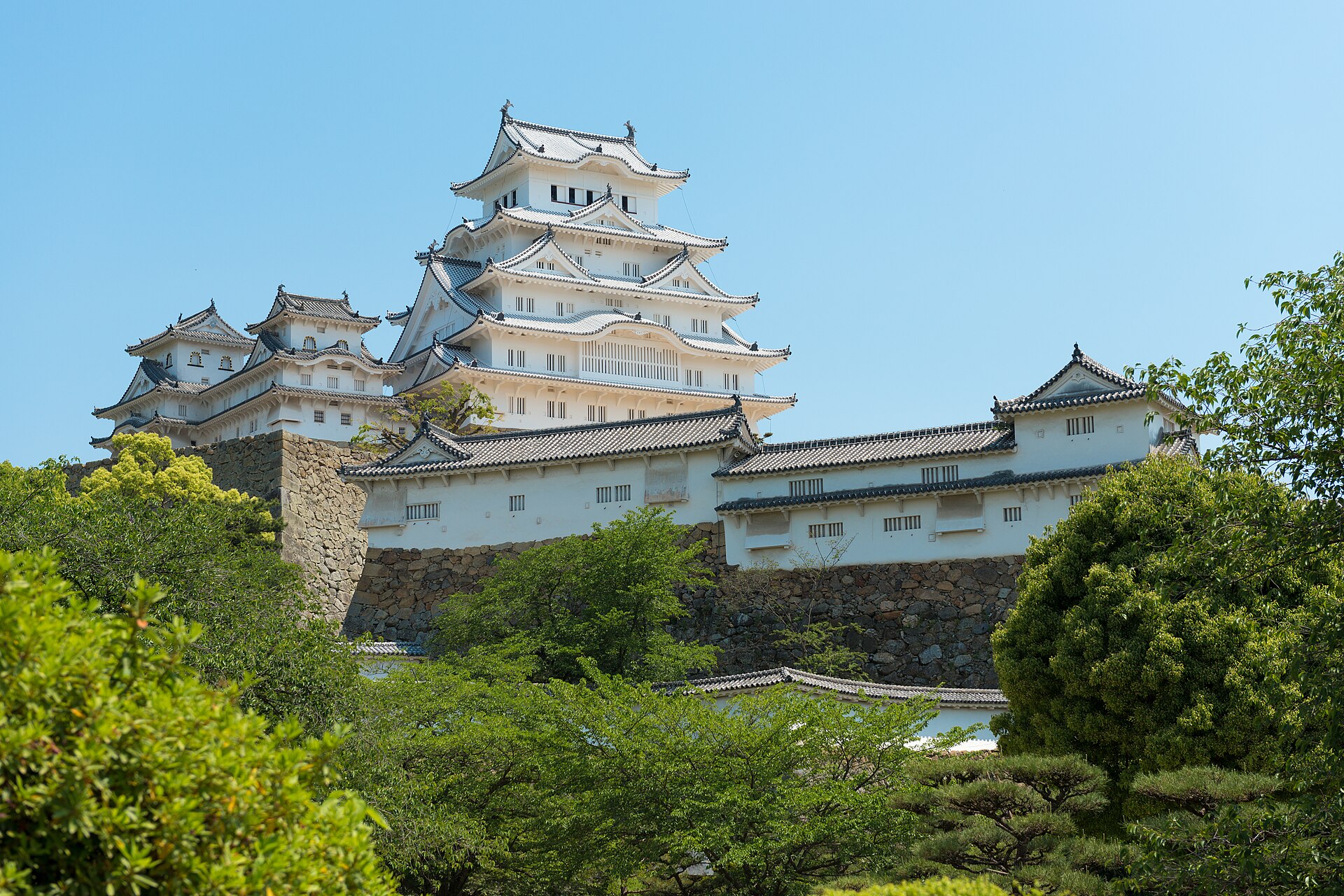
Here’s the key insight since the price rise: for many trips, a cheaper regional JR pass beats the nationwide one. JR sells a range of area passes covering just one part of the country, at a fraction of the price — ideal if your travels are concentrated in a single region.
| Regional pass | Covers | Adult price |
|---|---|---|
| JR Kansai-Hiroshima Area Pass | Osaka, Kyoto, Nara, Kobe and Himeji, plus Okayama and Hiroshima, including the Sanyo Shinkansen between Shin-Osaka and Hiroshima and the Miyajima ferry | ¥17,000 (5 consecutive days) |
| JR Kansai WIDE Area Pass | Kansai plus Okayama, Takamatsu, Tottori, Kinosaki Onsen, Amanohashidate and Shirahama | ¥12,000 (5 days) |
| JR Kansai Mini Pass | JR local and rapid trains around Kyoto, Osaka, Kobe and Nara (no Shinkansen) | ¥3,000 (3 days) |
| JR EAST PASS | All JR East lines: Tokyo, Tohoku, Nagano and Niigata | ¥35,000 (5 days); ¥50,000 (10 days) |
| Hokkaido Rail Pass | JR Hokkaido trains across the island | ¥22,000 (5 days, bought in advance); ¥23,000 at stations |
If your route stays in one area — say Kansai and Hiroshima — a regional pass can save you a fortune over the nationwide one. Deciding which Japan Rail Pass to buy comes down to your map: JR West sells the Kansai and Hiroshima passes, JR East covers Tokyo and the north, and JR Hokkaido covers Hokkaido. JR East’s newer JR EAST PASS, valid for travel from March 14, 2026, covers all of its lines rather than a single area, JNTO notes. Prices above come from JR West, JR Hokkaido and JNTO, checked in November 2026; children aged 6 to 11 pay half on the JR West and JR East passes.
Japan Rail Pass Alternatives
Since the 2023 price rise, the pass isn’t always the cheapest option. Weigh these:
- Point-to-point tickets: for a single Tokyo–Kyoto round trip (about ¥28,000) and little else, individual tickets beat the national pass easily.
- Regional passes: JR West, JR East and JR Hokkaido passes from ¥3,000 to ¥35,000 are far cheaper if you stay in one area.
- Budget airlines: Peach, Jetstar Japan and others can undercut the Shinkansen on longer hops such as Tokyo–Sapporo or Tokyo–Fukuoka.
- Night & highway buses: slow but cheap, and an overnight bus saves a night’s accommodation.
- Run the numbers: add up your planned journeys against the pass price; a Japan Rail Pass calculator or JR’s own fare tables settle it quickly.
A Worked Example: The 10-Day Golden Route
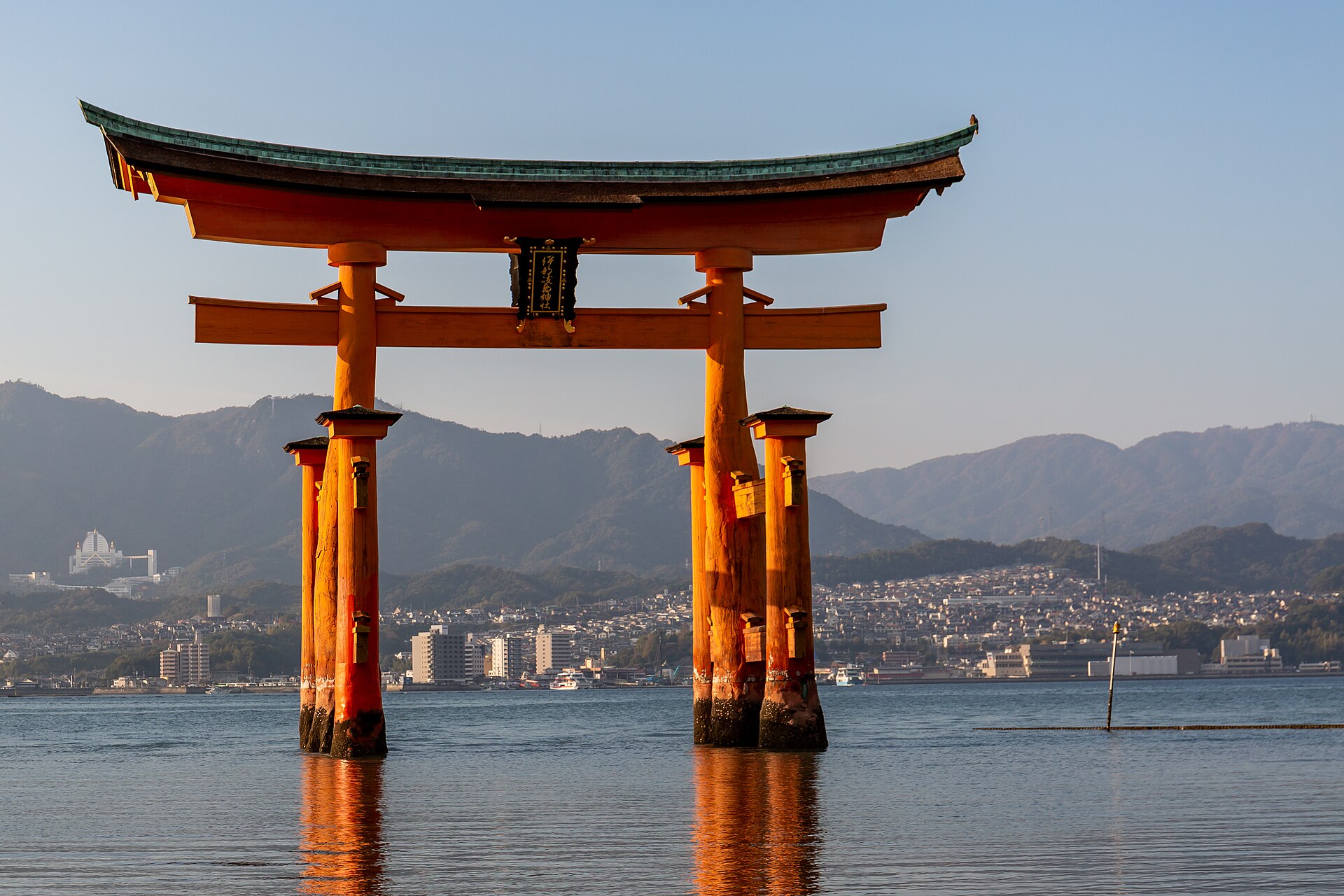
Take a classic 10-day first-timer trip — Tokyo, Hakone, Kyoto, Nara, Osaka and Hiroshima, then back to Tokyo to fly home. These are the main long-distance legs, priced at JR’s regular-season reserved-seat online fares:
| Day | Leg | Train | One-way fare |
|---|---|---|---|
| Day 2 | Tokyo → Odawara (for Hakone) | Hikari or Kodama | ¥3,610 |
| Day 4 | Odawara → Kyoto | Hikari | ¥12,100 |
| Day 7 | Kyoto → Shin-Osaka | Nozomi | ¥2,880 |
| Day 8 | Shin-Osaka → Hiroshima | Nozomi | ¥10,750 |
| Day 10 | Hiroshima → Tokyo | Nozomi | ¥19,560 |
| Total | ¥48,900 |
Point-to-point, those legs total ¥48,900. A 7-day nationwide pass activated on day 4 covers Odawara to Tokyo, so you pay ¥50,000 plus the ¥3,610 Hakone leg: ¥53,610, or about ¥4,700 more. The pass only wins if you add at least that much extra JR travel inside the window, such as a day trip to Himeji Castle, the JR line to Nara and the Miyajima ferry. A Kansai-Hiroshima Area Pass (¥17,000) for the Kyoto–Osaka–Hiroshima days, plus the three long tickets, comes to ¥52,270, which is good value only if you use it for several Kansai day trips. The lesson is always the same: add up your actual journeys before you buy. For day-by-day routing, see our one-week Japan itinerary.
What the Japan Rail Pass Covers (and Doesn’t)
The nationwide JR Pass covers most JR trains, but there are important exclusions to know:
- Covered: the Shinkansen (with the Nozomi exception below), JR limited-express, express, rapid and local trains, local JR Bus routes, the JR West ferry to Miyajima (the island’s ¥100 visitor tax is paid separately), the Tokyo Monorail to and from Haneda Airport, and JR limited expresses such as the Narita Express.
- Supplement needed: the fastest Nozomi and Mizuho Shinkansen. The pass alone isn’t valid on any of their seats, but a separate Nozomi Mizuho Ticket lets you ride; otherwise take the Hikari, Sakura, Tsubame or Kodama at no extra cost.
- Not covered: non-JR private railways (such as the Odakyu and Hakone lines and the Keisei Skyliner from Narita), the Tokyo subway and other city metros, and JR highway (express) buses, as the JNTO pass guide confirms. You’ll need an IC card or separate tickets for those.
That Nozomi exclusion matters on the busy Tokyo–Osaka route: the Hikari trains you can use are less frequent and a little slower.
Nozomi and Mizuho: The Supplement Ticket
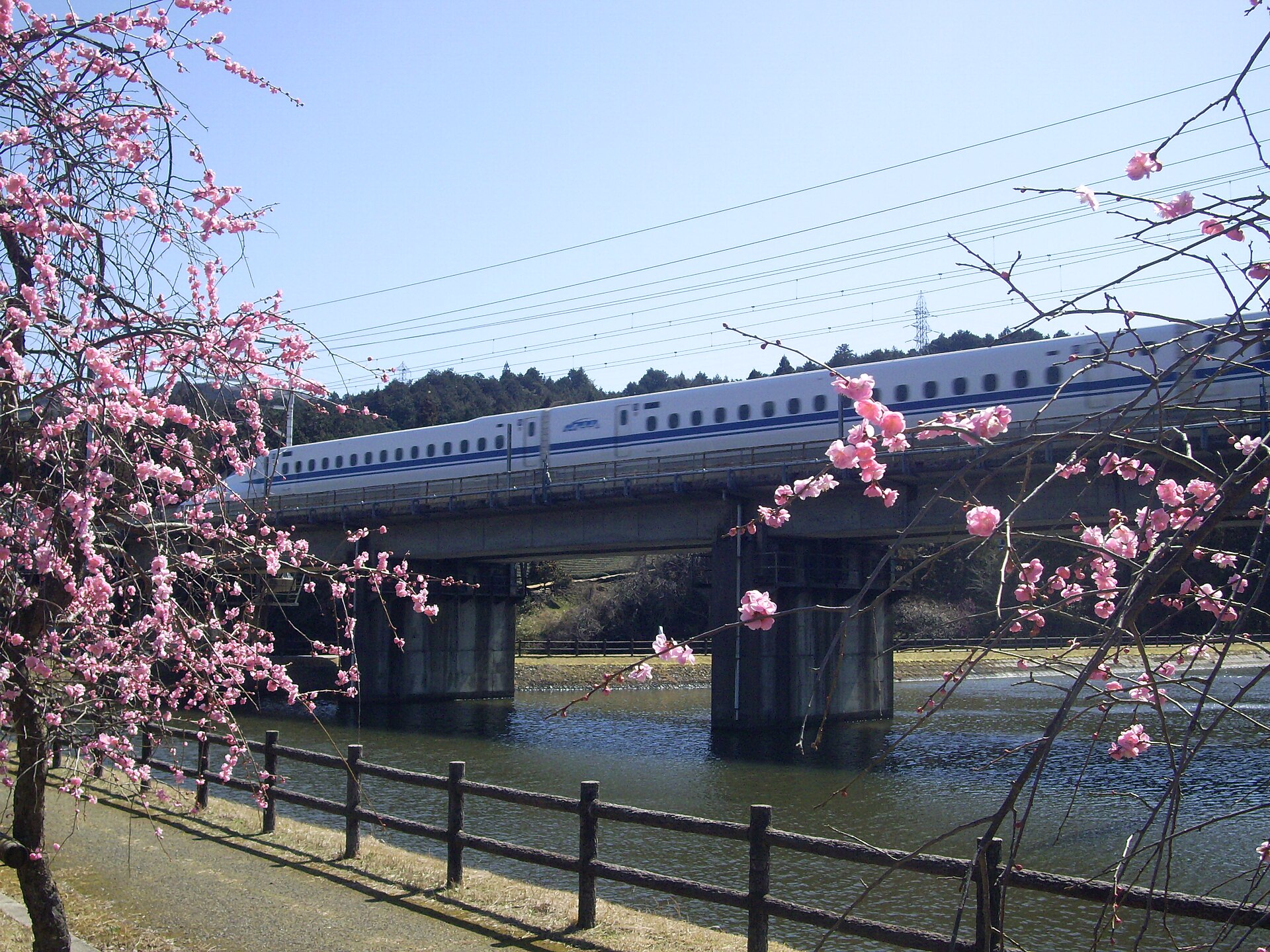
Since the October 2023 changes, pass holders can ride the Nozomi and Mizuho by buying a “Nozomi Mizuho Ticket” for each ride, sold only to holders of a valid pass. It costs the same for Green, reserved and non-reserved seats and is sold at JR ticket machines and ticket offices from one month before the travel date. The JNTO announcement of the change lists the main fares:
| Section | Nozomi Mizuho Ticket (one way) |
|---|---|
| Tokyo – Nagoya | ¥4,180 |
| Tokyo – Kyoto | ¥4,960 |
| Tokyo – Shin-Osaka | ¥4,960 |
| Tokyo – Hiroshima | ¥6,500 |
| Shin-Osaka – Hakata | ¥4,960 |
| Tokyo – Hakata | ¥8,140 |
Is it worth paying? Usually not. On a Tokyo–Kyoto round trip the supplements add ¥9,920, about a fifth of the 7-day pass price, to save a little time. It makes more sense on the long Tokyo–Hakata run, or at peak periods, when every Nozomi seat is reserved and the Hikari you planned on may be full.
How to Buy, Exchange and Activate the JR Pass
There are two ways to buy. The cheaper is the official website (JAPAN RAIL PASS Reservation), which charges ¥50,000 for a 7-day Ordinary pass and lets you book Shinkansen seats online before you land. The alternative is an overseas JR-designated travel agency, which sells an exchange order (a voucher) at the higher agency price. The pass is no longer sold at stations in Japan: those sales ended on October 1, 2023, according to JNTO.
To collect an online purchase, take your reservation number and a passport bearing a “Temporary Visitor” stamp or sticker to a JR ticket office, or use a reserved-seat ticket machine at selected JR East and JR West stations. An agency exchange order must be swapped for the pass at a JAPAN RAIL PASS exchange office in a major JR station within three months of the date it was issued, and you can exchange it from one month before your start date. Once the pass is issued, its dates can’t be changed, and it runs for consecutive calendar days, so time your start to coincide with your heaviest travel. The pass then works at the automatic ticket gates like a normal ticket.
Reserving Seats & Using the Pass
Using the pass is easy once you know the ropes:
- Seat reservations are free with the pass — make them at a JR ticket office, a reserved-seat machine or, if you bought on the official website, online before you arrive. One pass can hold reserved tickets for up to 110 trains.
- Some trains are all-reserved: the Hayabusa on the Tohoku Shinkansen and every JR Hokkaido limited express need a reserved seat before boarding, and all Nozomi seats are reserved at peak periods.
- Automatic gates: the pass goes through the ticket gates like an ordinary ticket, so you rarely need to show it to staff.
- Green Car: the Green (first-class) pass costs ¥70,000 for 7 days, but guarantees roomier, quieter seating.
- Reserve ahead during cherry-blossom season, Golden Week and Obon, when trains fill fast.
How to Get the Most Value From the Pass
- Activate on your first long day: start the pass the morning of your first big Shinkansen leg, not on arrival day, and use an IC card for city days before it.
- Put the expensive legs inside the window: the long return to Tokyo from Hiroshima (¥19,560 by Nozomi) or Hakata (¥23,610) is usually what makes the pass pay.
- Include an airport run: the Narita Express and the Tokyo Monorail to Haneda are covered, so line up your start or end date with a flight.
- Add JR day trips: from Kyoto or Osaka, JR lines reach Nara, Himeji and Kobe; from Hiroshima, the JR train and ferry reach Miyajima.
- Guard it: a lost or stolen pass can’t be reissued, so keep it apart from your wallet and photograph the details.
JR Pass vs IC Cards (Suica, Pasmo & ICOCA)
The pass and a prepaid IC card do different jobs — most travellers use both:
- The JR Pass is for long-distance intercity travel (bullet trains between cities), and it also covers JR lines in town, such as Tokyo’s Yamanote Line loop.
- Suica, Pasmo or ICOCA (or a Welcome Suica) is for the Tokyo subway, city buses and non-JR trains — just tap in and out. Suica and Pasmo are Tokyo-area cards; ICOCA is JR West’s card for Kansai.
- Together: use the pass for the big journeys and an IC card for getting around within each city.
- Tokyo-only trips: skip the nationwide pass. For heavy subway days, the Tokyo Subway Ticket costs ¥1,000 for 24 hours, ¥1,500 for 48 hours or ¥2,000 for 72 hours, per the JNTO rail pass guide.
Luggage on the Shinkansen
Two baggage tips save real hassle:
- Oversized bags on the Tokaido/Sanyo/Kyushu shinkansen now need a (free) reserved seat with a luggage space — book it when you reserve, or risk a fee.
- Luggage forwarding (takuhaibin): for around ¥2,000 you can send suitcases hotel-to-hotel overnight and travel hands-free — a game-changer in crowded stations.
Related Guides
Frequently Asked Questions
Is the Japan Rail Pass worth it in 2026?
Only for certain trips. Since the October 2023 price increase to ¥50,000 for 7 days (about $315), the pass pays off only if your one-way fares in that week top ¥50,000, as on a Tokyo–Kyoto–Hiroshima–Hakata–Tokyo loop (about ¥58,750 in tickets). For the common Tokyo–Kyoto–Osaka route (about ¥31,000) or a single-region trip, individual tickets or a regional pass are cheaper. Always add up your planned journeys first.
How much does the Japan Rail Pass cost?
On the official website the Ordinary pass costs ¥50,000 for 7 days (about $315), ¥80,000 for 14 days and ¥100,000 for 21 days; Green Car passes cost ¥70,000, ¥110,000 and ¥140,000. Children aged 6–11 pay half. Overseas travel agencies have charged more since October 1, 2026: ¥53,000, ¥84,000 and ¥105,000 for the Ordinary pass.
Is the JR Pass worth it for a Tokyo, Kyoto and Osaka trip?
No — for the classic Tokyo–Kyoto–Osaka route, buying individual Shinkansen tickets is much cheaper than the ¥50,000 pass. A round-trip Tokyo–Kyoto fare is about ¥28,000, and short Kyoto–Osaka hops are cheap, so you’d come nowhere near the pass price. A regional Kansai pass may help for local travel.
What does the Japan Rail Pass cover?
It covers most JR trains: the Shinkansen (the Nozomi and Mizuho only with a supplement ticket), JR limited-express, rapid and local trains, local JR Bus routes, the JR ferry to Miyajima, the Tokyo Monorail to Haneda and the Narita Express. It does not cover JR highway buses, non-JR private railways (like the Hakone lines) or the Tokyo subway and other city metros, for which you’ll need an IC card.
Are regional JR passes better than the nationwide pass?
Often, yes. If your trip stays in one part of the country, a regional pass — such as the Kansai-Hiroshima Area Pass — covers your travels for a fraction of the nationwide pass’s price. Match the pass to your route: for a concentrated regional trip, a regional pass usually wins.
Where and how do I buy the Japan Rail Pass?
Buy it online on the official Japan Rail Pass website, the cheapest option at ¥50,000 for 7 days, or from an overseas JR-designated travel agency, which issues an exchange order at a higher price (¥53,000 since October 2026). Sales at stations in Japan ended on October 1, 2023. You then collect the pass at a JR ticket office or ticket machine with your passport, which must show temporary visitor status.
Can I use the Japan Rail Pass on the Nozomi Shinkansen?
Only with a supplement. The pass alone is not valid on any Nozomi or Mizuho seat, but you can buy a Nozomi Mizuho Ticket for each ride: ¥4,960 Tokyo–Kyoto or Shin-Osaka, ¥6,500 Tokyo–Hiroshima and ¥8,140 Tokyo–Hakata. Otherwise take the Hikari, Sakura or Kodama, which the pass covers at no extra cost. On the busy Tokyo–Osaka route Hikari trains are less frequent, so plan around them.
Who is eligible to buy a Japan Rail Pass?
The nationwide pass is for foreign visitors entering Japan with temporary visitor status, the short-stay permission most tourists receive on arrival. Your passport is checked when the pass is issued and must show that status, so residents of Japan and anyone on a work, study or long-stay visa cannot use it. Japanese nationals living abroad qualify only with official proof of long-term overseas residence, generally ten or more consecutive years. The pass is registered to one passport and is not transferable, and overlapping passes on the same passport are not issued.
Which pass length should you choose, and do the days have to be consecutive?
Passes run for a set number of consecutive calendar days from activation, not for days on which you travel, so a longer pass swallows every rest day, beach day and museum day in between. That usually favours the shortest option: activate it the morning of your first long journey, concentrate your heaviest travel inside the window, and buy ordinary tickets around it. Count your long-distance legs first, then see which length captures the most expensive ones. If your pricey journeys sit at opposite ends of a long trip, two point-to-point tickets, or a regional pass plus one ticket, often beat stretching to a longer nationwide pass.
Do you need to reserve seats with the Japan Rail Pass?
Reservations are included at no extra cost and are worth making on long or busy routes. The pass alone entitles you to travel, generally in the non-reserved carriages, which fill fast at weekends, in cherry blossom season, during the spring holiday week and around the mid-August travel period. Book at a ticket office, a reservation machine or through the official online reservation service, either ahead of time or on the day. One pass can hold reserved tickets for up to 110 trains, and reservations you no longer need should be cancelled before departure. If you are carrying an oversized suitcase, a reserved seat with luggage space is effectively compulsory.
Can you change the start date, get a refund or replace a lost pass?
An agency exchange order must be exchanged within three months of issue, and you choose your start date when you exchange it, so there is flexibility up to that point. Once the pass is issued, its dates can’t be changed and, once travel starts, no refund is possible. An unused pass returned before its start date is refunded minus a handling fee: ¥560 per pass bought on the official website, or 10% of the yen price for one issued from an agency voucher. Any seat reservations must be cancelled first. A lost or stolen pass cannot be reissued or refunded, so treat it like cash.
Do children need a Japan Rail Pass?
Children aged six to eleven use a child pass costing about half the adult price, and it behaves exactly like an adult one, including free seat reservations, which matters on crowded bullet trains. Younger children generally travel free with a fare-paying adult, usually up to two per adult, but a free child gets no seat of their own: without a ticket a toddler sits on a lap, so families on long journeys often buy a pass or a ticket anyway for the reserved seat. From twelve, an adult pass is required. Age rules are applied at the point of purchase or issue, so check the official terms if a birthday falls near your trip.
Is the Green Car version of the pass worth the extra?
Green Car is the first-class equivalent: wider seats in a two-by-two layout, more legroom, quieter carriages and a better chance of space at busy times. It costs ¥70,000 for 7 days against ¥50,000 for the ordinary pass, 40% more, and on most bullet train routes the ordinary reserved seats are already roomy, clean and quiet, so the upgrade is a comfort rather than a fix. It earns its keep on very long legs, at peak holiday periods when ordinary carriages are packed, or if you travel with a lot of luggage. For a typical first trip, ordinary class with reserved seats is the better value choice by a clear margin.
Can you use the Japan Rail Pass on Tokyo's subway and other city transport?
Only partly, and this catches many visitors out. The pass covers lines run by the national rail group, which in Tokyo means the loop line and other suburban services, but not the city subway networks, which belong to separate operators. In Kyoto and Osaka a great deal of everyday sightseeing travel is on private railways, municipal subways and buses, and scenic routes towards mountain and hot spring areas are often private lines too. Carry a prepaid transport smart card alongside the pass and tap for everything else. Remember to budget for those local fares separately when working out whether a nationwide pass actually pays for itself.
Is the Japan Rail Pass unlimited?
Yes, within limits. You can ride covered JR trains as often as you like during the pass’s consecutive days, and seat reservations are free. The exceptions: the Nozomi and Mizuho need a supplement ticket, private railways and city subways are excluded, and one pass can hold reserved seats on up to 110 trains. Non-reserved cars need no booking at all.
Is a 14-day Japan Rail Pass worth it?
Only if your long journeys are spread across both weeks. The 14-day pass costs ¥80,000, so it needs about ¥5,700 of JR fares per day to break even. If your expensive legs, such as Tokyo to Hiroshima (¥19,560 one way by Nozomi) or Tokyo to Hakata (¥23,610), fall in a single week, a 7-day pass for that week plus individual tickets for the rest usually costs less.
How far in advance should you buy the Japan Rail Pass?
There’s no need to buy months ahead. An agency exchange order must be exchanged within three months of issue, and exchange can start one month before your chosen start date. Buying on the official website lets you reserve Shinkansen seats online before you arrive, which is worth doing early for cherry-blossom season, Golden Week or Obon, when trains fill fast.
How do you exchange or pick up the Japan Rail Pass?
Take your passport, with its Temporary Visitor stamp or sticker, to a JR ticket office or JAPAN RAIL PASS exchange office at a major station. Online buyers also bring their reservation number and can use reserved-seat ticket machines at selected JR East and JR West stations. Your eligibility is checked, the pass is issued for your start date, and those dates can’t be changed afterwards.
Is the Japan Rail Pass worth it if you only stay in Tokyo?
No. Rides on Tokyo’s JR city lines, such as the Yamanote Line, cost a few hundred yen each, and the subway isn’t covered at all, so you would never approach ¥50,000 in a week. Use a Suica or Pasmo card instead. If you add day trips from Tokyo, price them individually or look at the JR EAST PASS, which costs ¥35,000 for 5 days.
Does the Japan Rail Pass cover the Narita Express?
Yes. The Narita Express is a JR East limited express, so the pass covers it, and reserving a seat is free. For Haneda Airport, the Tokyo Monorail is covered too. The Keisei Skyliner from Narita and the Keikyu line from Haneda are private railways, so you pay for those separately or use an IC card.
Is there a Japan Rail Pass calculator?
Several independent fare calculators exist, but you can do the sum yourself in five minutes. List every long-distance leg inside your pass window, look up each one-way fare in JR’s own fare tables, add any local JR trips and compare the total with ¥50,000 for 7 days. Add Nozomi supplements if you plan to ride them.
What changed with the Japan Rail Pass price increase?
On October 1, 2023, the 7-day Ordinary pass rose from ¥29,650 to ¥50,000, sales at stations in Japan ended, and pass holders gained the option to ride the Nozomi and Mizuho with a supplement ticket. A second, smaller rise on October 1, 2026 lifted overseas agency prices to ¥53,000 for 7 days, while the official website kept ¥50,000 as a promotion.
Should You Buy a Japan Rail Pass?
The Japan Rail Pass is no longer the automatic buy it once was — but for the right itinerary it’s still a great deal. The decision comes down to one simple exercise: add up the individual fares for your actual planned journeys on a fare site, then compare that total against the nationwide pass and any regional passes that fit your route. Do that, and you’ll know exactly whether to buy — and quite possibly save yourself a few hundred dollars.
Before you go: turn this guide into a day-by-day plan. Our partner Voyada is a free trip planner AI that builds the trip with flights, hotels and a real total cost for your dates — in about a minute.
Build a travel itinerary →