
Table of Contents
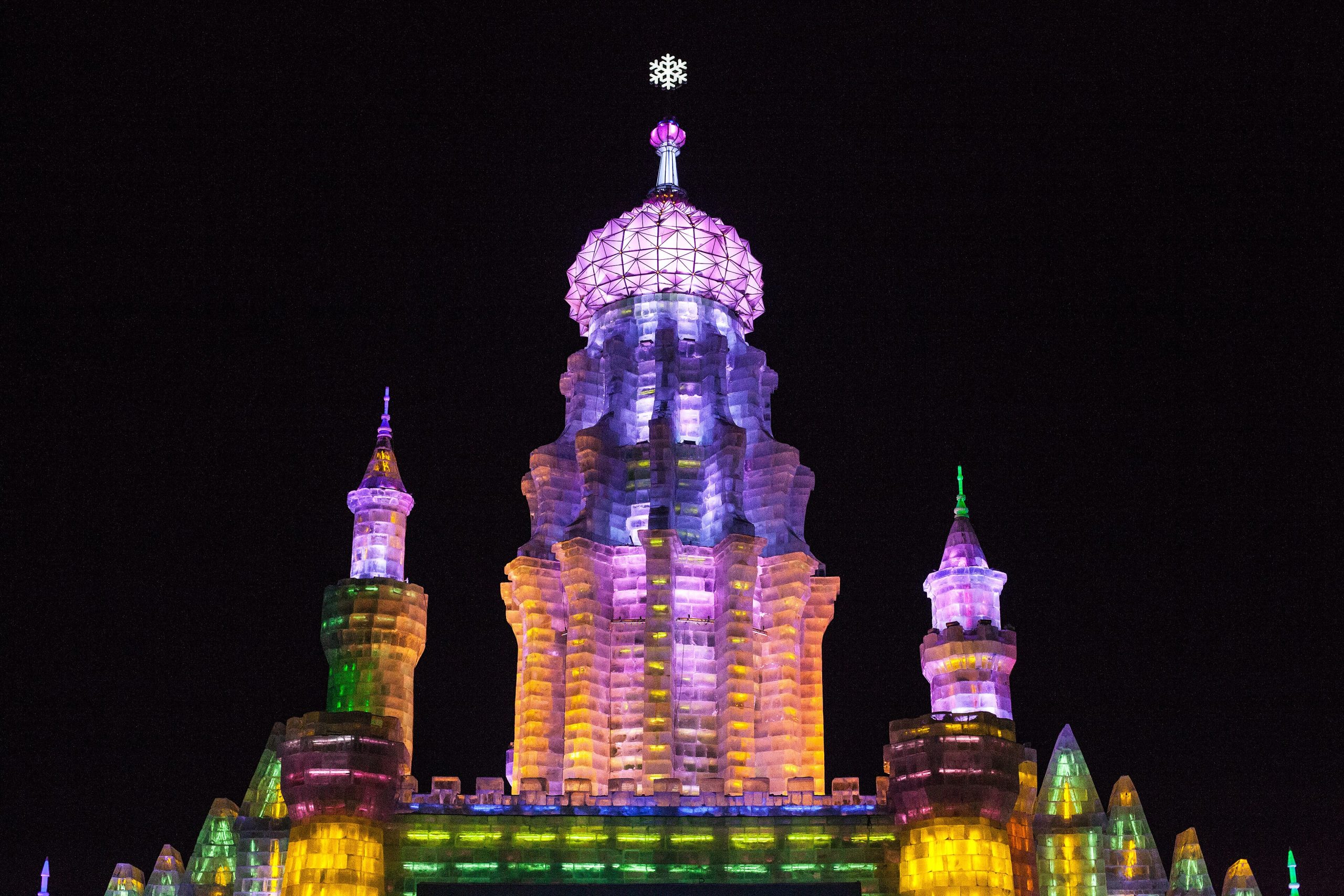
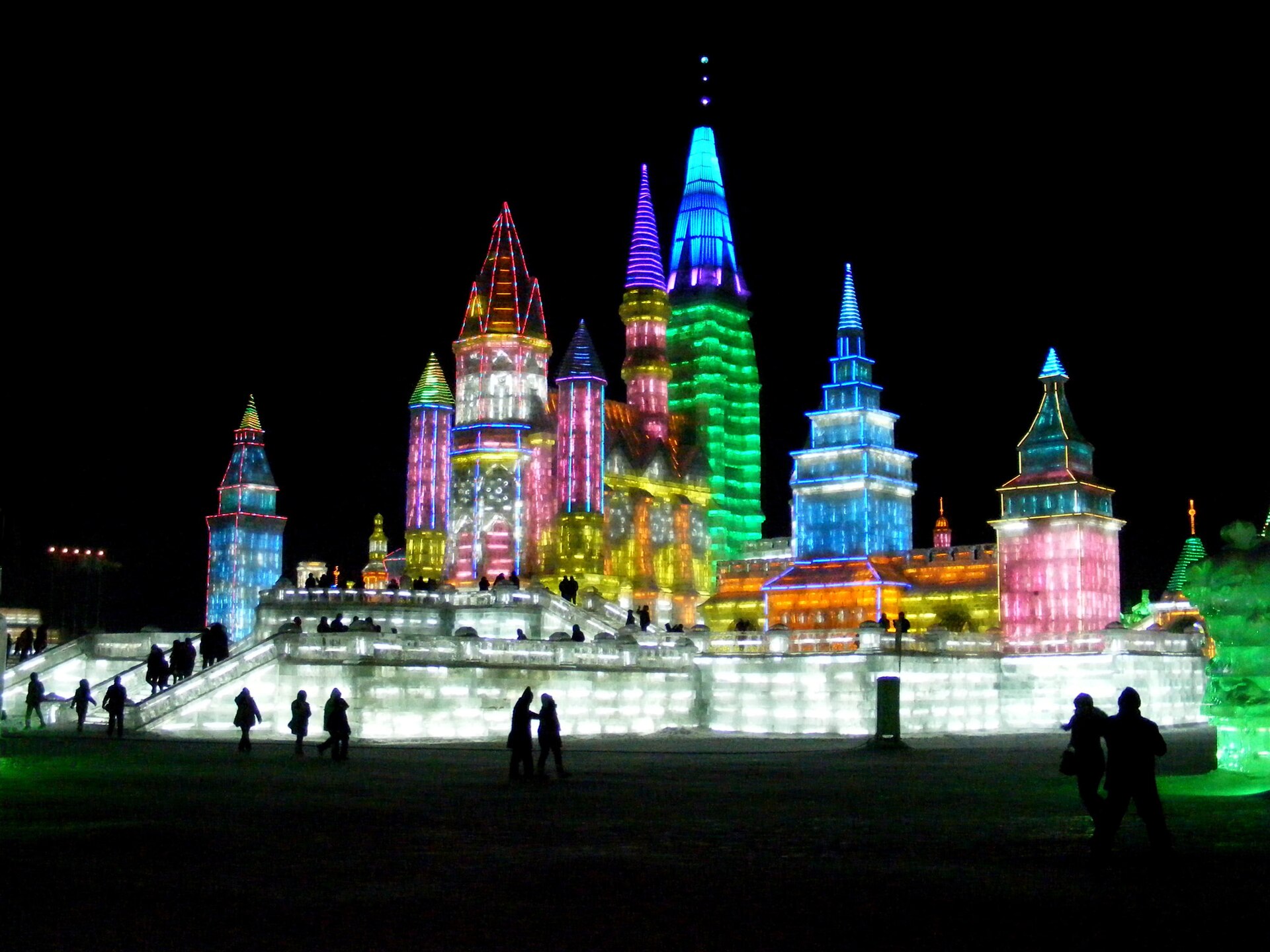
ToggleImagine a whole city built from ice — towering castles, cathedrals and slides carved from glittering blocks and lit from within in electric blues, pinks and greens, stretching as far as you can see across the snow. That’s the Harbin International Ice and Snow Festival, one of the largest ice festivals in the world, held each winter in China’s frozen far northeast.
This complete guide to the Harbin Ice Festival covers everything you need to experience it: the three main venues, the Harbin Ice Festival dates for 2026–27, ticket prices and opening hours, just how cold it gets and what to wear, how many days to spend, how to get to Harbin and where to stay, and the Russian-flavoured city waiting beyond the ice. It’s a bucket-list winter adventure — here’s how to do it right (and stay warm).
✈️ TripToGo Travel Deals
Get notified about great travel deals
Hand-picked flight, hotel and destination deals, straight to your inbox. No spam, unsubscribe anytime.
🎉 Thank you for subscribing!
You’re all set — the best travel deals are on their way.
Key Takeaways
- What: one of the world’s largest ice festivals — illuminated cities carved from ice.
- When: Ice and Snow World usually opens mid-to-late December; opening ceremony January 5; runs to late February, weather permitting.
- See: Ice and Snow World (at night), Sun Island snow sculptures (by day), Zhaolin Park ice lanterns, Central Street.
- Tickets: Ice and Snow World cost CNY 328 (about US$46) per adult in 2025–26.
- Cold: January averages -13°C (9°F) highs and -25°C (-12°F) lows — dress in serious layers.
- Plan: 2–3 days; fly, or take a 5–6-hour high-speed train from Beijing.
Harbin Ice Festival at a Glance
The essentials for the festival.
| Question | The short answer |
|---|---|
| Where | Harbin, Heilongjiang province, NE China |
| When | Mid/late Dec – late Feb; opening ceremony Jan 5 (peak: January) |
| Highlight | Ice and Snow World, best after dark |
| Temperature | January average -13°C (9°F) high, -25°C (-12°F) low |
| How long | 2–3 days |
| Getting there | Flight, or 5–6-hr high-speed train from Beijing |
| Tickets | Ice and Snow World CNY 328 per adult (2025–26); other venues charged separately |
What Is the Harbin Ice Festival?
The Harbin International Ice and Snow Festival is one of the largest events of its kind on earth — a jaw-dropping winter wonderland in the far northeast of China, where whole cities of buildings, castles and towers are carved from blocks of ice and lit from within in every colour. Held in Harbin, the capital of Heilongjiang province, it draws millions of visitors each winter.
Using ice harvested from the frozen Songhua River, artists build enormous illuminated structures alongside intricate snow sculptures. After dark, the whole thing glows like a neon dream — it’s one of the most spectacular seasonal experiences anywhere in the world, and worth braving the extreme cold for.
Harbin Ice Festival History: From 1963 Lanterns to a Mega-Park
The Harbin Ice Festival history starts small. In 1963, Harbin staged an ice-lantern show in Zhaolin Park, building on the local tradition of freezing water in buckets to make simple lanterns. The show was interrupted for years during the Cultural Revolution, then relaunched with an opening ceremony on January 5, 1985, when it became an annual festival — which is why January 5 is still the official opening day.
In 2001 the event merged with Heilongjiang’s international ski festival, and it is now formally known as the Harbin International Ice and Snow Sculpture Festival (you will also see it called the Harbin Ice and Snow Festival). The giant theme park at its heart, Harbin Ice and Snow World, was first built in 1999. For its 27th edition in 2025–26 it covered about 1.2 million square meters and used roughly 400,000 cubic meters of ice and snow, according to China’s official tourism website. The ice blocks are cut from the frozen Songhua River each December, and teams of carvers build the whole park in a few weeks.
The Three Main Venues: Ice and Snow World, Sun Island and Zhaolin Park
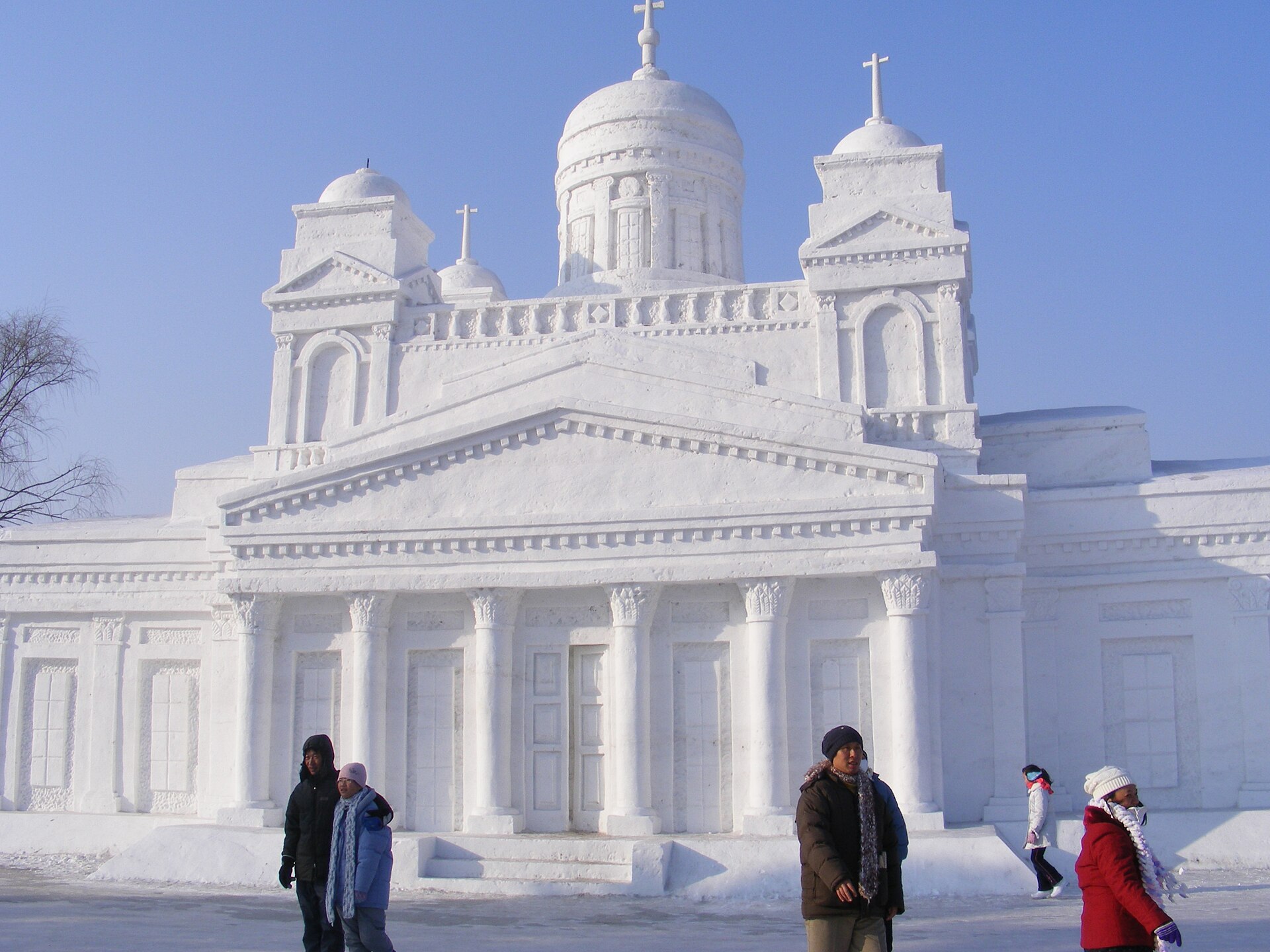
The festival is spread across three ticketed venues plus the free street sculptures in the city centre, each with a different flavour:
- Harbin Ice and Snow World — the headline attraction on the north bank of the Songhua River in the Songbei district: a vast city of giant, brightly lit ice buildings, ice slides, a snowflake Ferris wheel and towers. Come in the late afternoon and stay after dark, when the illuminations are at their most dazzling; this is the Harbin Ice Festival at night at its best.
- Sun Island — the Sun Island International Snow Sculpture Art Expo, also north of the river, with monumental, pristine-white snow sculptures. It is a daytime sight: the sculptures are not lit up at night.
- Zhaolin Park — the original 1963 site, a smaller, more intimate ice-lantern garden in the city centre, a short walk from Central Street and best after dark.
- Central Street (Zhongyang Street) — a grand pedestrian avenue of European and Russian architecture, dotted with free ice sculptures and famous for its ice cream (yes, eaten outdoors in the cold).
Plan the illuminated Ice and Snow World for the evening and the snow sculptures for daylight to see each at its best.
Harbin Ice Festival Tickets, Prices and Opening Hours
Each venue sells its own Harbin Ice Festival tickets; there is no single pass that covers everything. The big one is Ice and Snow World, where the standard adult ticket price was CNY 328 (about US$46) for the 2025–26 season, with a discounted CNY 298 during opening week (December 17–23, 2025). Prices for 2026–27 are usually announced shortly before opening, so treat these as a guide. Sun Island and Zhaolin Park charge separate, lower admission, and the street sculptures on Central Street are free.
| Venue | Ticket price (2025-26) | Opening hours | Best time to go |
|---|---|---|---|
| Harbin Ice and Snow World | CNY 328 adult (CNY 298 opening week) | Open from late morning into the late evening; hours vary by season | Late afternoon to after dark |
| Sun Island Snow Sculpture Expo | Separate, lower-priced ticket | Daytime only | Morning to early afternoon |
| Zhaolin Park ice lanterns | Separate, lower-priced ticket | Afternoon into evening | After dark |
| Central Street sculptures | Free | Open-air, all day | Any time; liveliest in the evening |
Buying as a foreigner: buy a dated ticket online a day or two ahead in peak weeks, or at the gate on quieter weekdays. China’s official tourism website says Ice and Snow World now accepts passports and overseas payment methods, but some local booking platforms still ask for a Chinese ID number, so a hotel front desk can help if an online form will not take your passport. The ice slides and most attractions inside the park are included in the ticket; expect long queues for the biggest slides in the evening.
Harbin Ice Festival cost: beyond tickets, the budget mostly comes down to flights, hotels (which rise sharply around New Year and Chinese New Year), taxis between venues and warm meals. For a full breakdown of daily costs across the country, see our China trip budget guide.
Harbin Ice Festival Dates: When Is It On?
Harbin Ice and Snow World usually soft-opens in mid-to-late December (the 2025–26 park opened on December 17, 2025), the official opening ceremony is held on January 5, and the venues run until late February, weather permitting. A thaw can end the season early: a warm spell closed Ice and Snow World ahead of schedule in February 2019, and record warmth closed it early again around February 21, 2026. For Harbin Ice Festival 2027, expect a similar pattern — opening in mid-to-late December 2026 — but exact dates are normally confirmed only shortly before opening.
| Milestone | Usual timing | 2026-27 season |
|---|---|---|
| Ice and Snow World opens | Mid-to-late December | Expected mid-to-late December 2026 (not yet confirmed) |
| Official opening ceremony | January 5 | January 5, 2027 |
| Best window | Roughly January 6-20 | Mid-January 2027 |
| Chinese New Year crowds | Late January or February | Chinese New Year falls on February 6, 2027 |
| Closing | Late February, weather permitting | Late February 2027; earlier if a thaw hits |
Harbin Ice Festival best time to visit: mid-January, roughly January 6 to 20. Everything is open, the ice is solid, and you miss both the New Year’s Day rush and the Chinese New Year holiday, when domestic travel across China surges. Late December is quieter but some sculptures may still be unfinished, while late February brings milder air and a real risk of melting and early closure.
Planning your Harbin trip?
Our partner Voyada’s AI vacation planner builds a day-by-day plan with flights, hotels and a real total cost for your dates — in about a minute, free.
Plan trip with AI →Harbin Ice Festival Temperature: How Cold Is It?
How cold is Harbin? Very. According to World Meteorological Organization climate normals, January averages a high of about -13°C (9°F) and a low of about -25°C (-12°F), and wind chill on the open riverbank makes it feel colder still. Cold snaps below -30°C (-22°F) happen most winters. Frostbite is a real risk, and the festival is mostly outdoors after dark.
| Month | Average high | Average low | Festival status |
|---|---|---|---|
| November | -0.3°C (31°F) | -10.5°C (13°F) | Ice harvest and construction |
| December | -9.8°C (14°F) | -20.3°C (-5°F) | Ice and Snow World opens mid/late month |
| January | -13.0°C (9°F) | -24.6°C (-12°F) | Peak season, coldest month |
| February | -8.5°C (17°F) | -21.3°C (-6°F) | Open until late month; thaw risk at the end |
| March | 2.0°C (36°F) | -10.2°C (14°F) | Festival over |
What to Wear to the Harbin Ice Festival
Dress for the night-time lows, not the daytime highs. Gear up properly:
- Extreme layers: thermal base layers, a fleece mid-layer, a heavy down coat, snow trousers, and a windproof outer shell.
- Protect extremities: insulated waterproof boots with good grip, thick wool socks, heavy mittens over thin liner gloves, a warm hat and a face covering or balaclava.
- Hand warmers and foot warmers — buy plenty; they make a huge difference over a long evening outdoors.
- Skip: cotton jeans, fashion boots and leather-soled shoes — they freeze and slip on packed ice.
- Mind your electronics: the cold drains phone and camera batteries fast — keep them warm inside your coat and carry spares and power banks.
How Many Days, How to Get to Harbin and Getting Around
How long: two to three days is ideal — enough to see the main venues (with the big illuminated sites in the evenings) plus a little of Harbin’s own charm, without spending too long exposed to the cold.
How to get to Harbin: Harbin Taiping International Airport has flights from across China (about 2 hours from Beijing) and some international routes, and the city is linked to Beijing by high-speed rail in roughly 5 to 6 hours. Many visitors add it to a winter China trip as a few-day cold-weather adventure.
Getting around: Metro Line 2 crosses the Songhua River to the Songbei district, with stations at Sun Island and at Ice and Snow World, which makes it the cheapest way to reach the two big venues. Taxis and ride-hailing apps cover everything else, but cars are hard to find at closing time outside Ice and Snow World, so check the last train time or arrange a pickup.
Where to Stay for the Harbin Ice Festival
There are two sensible bases. Central Street and the Daoli district put you among the restaurants, cafes, St. Sophia Cathedral and Zhaolin Park, with Metro Line 2 to cross the river to the big venues; this suits most first-timers. Songbei, on the north bank, puts you within a short ride of Ice and Snow World and Sun Island, which helps on cold late nights, but there is far less to do in the evenings. Wherever you stay, check that the hotel is well heated and book early for New Year’s Day and Chinese New Year, when rooms sell out and rates jump.
Sample 3-Day Harbin Ice Festival Itinerary
| Day | Daytime | Evening |
|---|---|---|
| Day 1 | Arrive; Central Street, St. Sophia Cathedral and a warm lunch | Zhaolin Park ice lanterns |
| Day 2 | Sun Island snow sculptures in the morning light | Ice and Snow World from late afternoon until after dark |
| Day 3 | Siberian Tiger Park or activities on the frozen Songhua River | Dinner on Central Street, or a second evening at Ice and Snow World |
Beyond the Ice: Harbin Itself
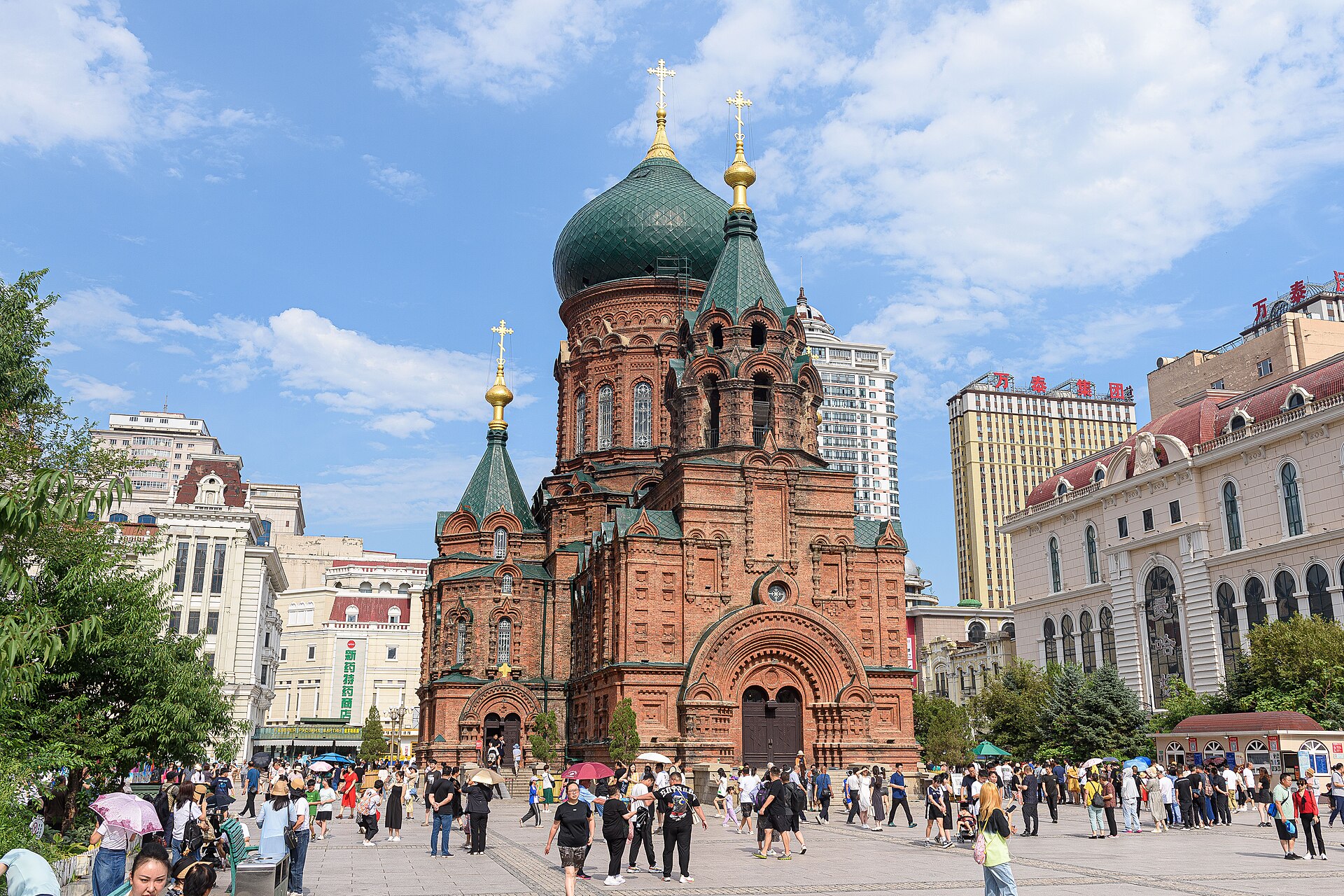
Harbin is a fascinating city in its own right, with a strong Russian heritage from its railway history. Warm up between festival sites by exploring:
- St. Sophia Cathedral — a striking green-domed former Russian Orthodox church, Harbin’s architectural icon.
- Central Street (Zhongyang Dajie) — a cobbled pedestrian avenue lined with early-20th-century European facades, bakeries and hearty food to thaw out with.
- Siberian Tiger Park — a large reserve on the north side of the river, home to hundreds of Siberian tigers.
- Harbin Ice Festival food: Harbin red sausage, Russian-style bread, guobaorou (crispy sweet-and-sour pork, a Harbin original), dumplings and the famous Modern-brand ice cream — eaten outdoors, in the cold.
It all adds up to a genuinely unique winter city break — ice art by night, Russian-flavoured city by day.
Planning Your Visit: Tickets & Timing
A little planning makes a big difference at a festival spread across a frozen city:
- When it runs: Ice and Snow World typically opens in mid-to-late December and runs to late February; the official opening ceremony is on January 5.
- The sweet spot: mid-January, when the sculptures are freshly finished and you dodge both the New Year’s Day rush and the Chinese New Year crowds.
- Go late in the day: visit the Ice and Snow World in the late afternoon into the evening, when the ice city glows with coloured lights.
- Sites are spread out: the Ice and Snow World, Sun Island snow sculptures and Zhaolin Park ice lanterns are in different areas, so plan your transport and buy tickets ahead.
Beyond Harbin: Snow Town & Skiing
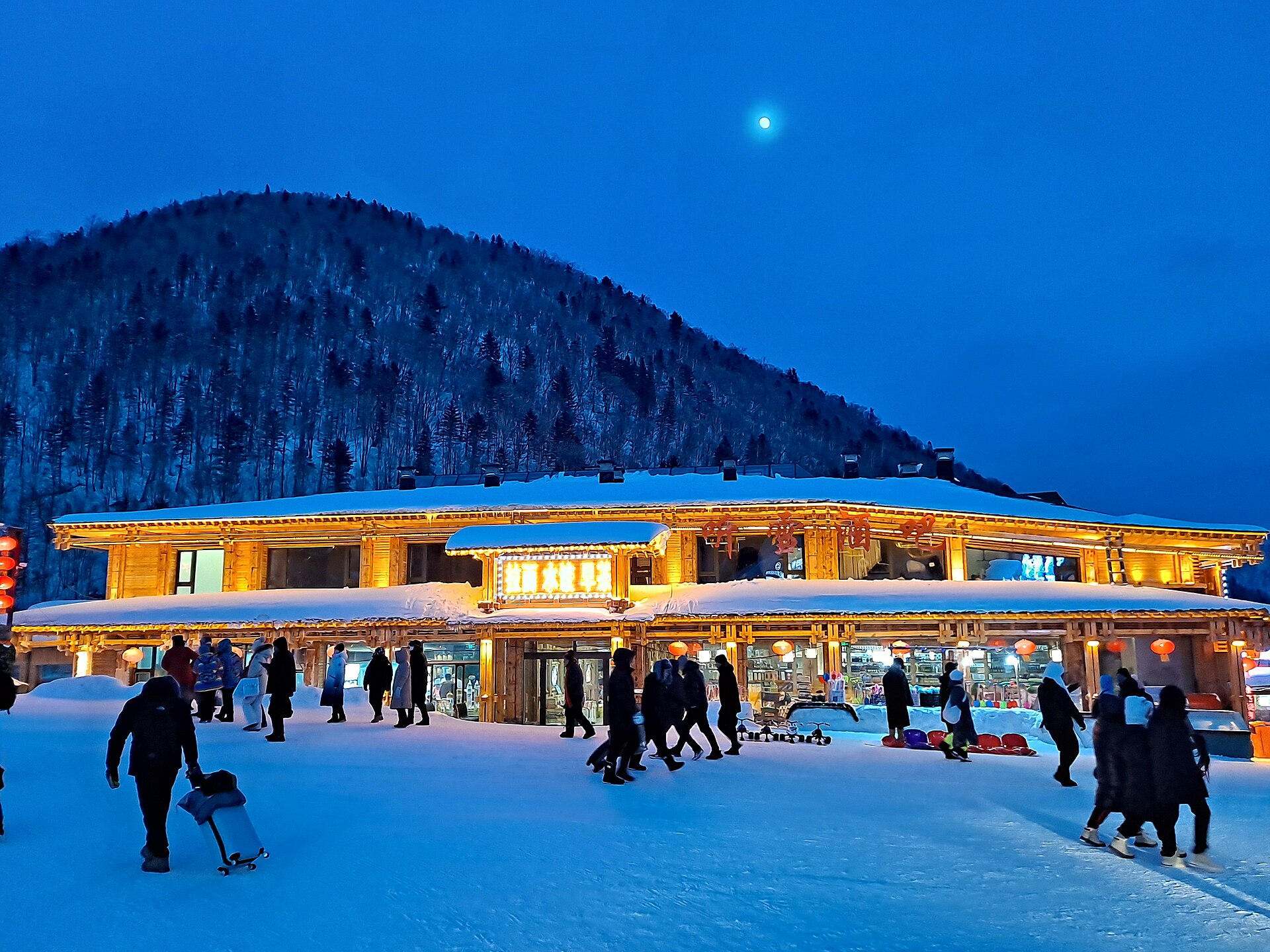
With extra days, Heilongjiang’s winter has more to offer:
- China Snow Town (Xuexiang): a fairy-tale village buried under thick, sculpted snow, glowing with red lanterns at night.
- Yabuli: one of China’s best-known ski resorts, about 200 km (125 miles) southeast of Harbin. If skiing is the main goal, compare it with Japan’s ski season and its deep powder.
- Plan more time: adding Snow Town or skiing turns a 3-day festival trip into a fuller 5-to-7-day winter adventure.
Winter Activities Beyond the Sculptures
Harbin is a full-blown winter playground:
- Ice slides down the giant frozen structures at Ice and Snow World — included in the ticket and exhilarating, though queues for the longest slides can be long in the evening.
- On the frozen Songhua River: ice biking, sledding, horse-drawn sleighs and even winter swimming by hardy locals.
- Skating and snow tubing: rinks and tubing runs pop up inside the parks and along the river.
Related Guides
Frequently Asked Questions
When is the Harbin Ice Festival?
Harbin Ice and Snow World usually opens in mid-to-late December (December 17 in 2025), the official opening ceremony is on January 5, and the venues run until late February, weather permitting. A warm spell can close them early, as happened in February 2019 and February 2026. January is the peak — everything is open, the ice is solid, and the displays are at their best, though it is also the busiest and coldest time.
How cold does it get at the Harbin Ice Festival?
Very cold. World Meteorological Organization climate normals put January’s average high at about -13°C (9°F) and the average low at about -25°C (-12°F), and it feels colder in the wind after dark, when the illuminated sites are at their best. This is genuinely dangerous cold if you’re unprepared, so wear thermal base layers, a heavy down coat, snow trousers, insulated boots, mittens, a hat and a face covering, plus hand and foot warmers.
What should I wear to the Harbin Ice Festival?
Dress for extreme cold in layers: thermal base layers, a thick down jacket and a windproof shell, snow trousers, insulated waterproof boots with thick socks, heavy gloves or mittens, a warm hat and a balaclava or face covering. Bring plenty of disposable hand and foot warmers, and keep your phone and camera inside your coat, as the cold drains batteries fast.
How do you get to Harbin?
Harbin has an international airport with flights from across China and some international routes, and it’s linked to Beijing by high-speed rail in roughly 5 to 6 hours; a flight from Beijing takes about 2 hours. Many travelers add Harbin to a winter China itinerary as a few-day cold-weather adventure, flying or taking the fast train in specifically for the ice festival.
Is Harbin Ice Festival Worth It?
Absolutely — it’s a genuine bucket-list experience. Nowhere else builds illuminated ice cities on this scale, and seeing the giant glowing structures after dark is unforgettable. As long as you dress properly for the extreme cold and plan the illuminated sites for the evenings, it’s one of the most spectacular seasonal events in the world and well worth the trip northeast.
How many days do you need for the Harbin Ice Festival?
Plan for two to three days for the festival itself, or add a day for Yabuli or Snow Town. That gives you time for the two main sites — the snow sculptures on Sun Island by day and the illuminated Ice and Snow World at night — plus the ice lanterns of Zhaolin Park, a wander down Russian-flavoured Central Street, and perhaps a day trip to ski at Yabuli or visit nearby Snow Town. Dress in serious layers: Harbin’s January nights average about −25°C (−12°F).
How long can you actually stay outside at the festival?
Plan in blocks rather than whole evenings. At -20C to -30C most people find an hour to ninety minutes outdoors is manageable in good gear, after which fingers, toes and face start to complain and your judgement about the cold quietly gets worse. Build in a warm-up roughly every hour: the heated huts and shops inside the festival grounds, a cafe on Central Street, or simply a taxi. Children and older visitors need shorter stints and more frequent breaks. Have something warm to eat or drink at each stop, and head back out only once hands and feet have properly rewarmed rather than merely stopped hurting.
What are the early signs of frostbite, and what should you do?
Watch the exposed parts: nose, ears, cheeks, chin, fingers and toes. Redness or pain in an area of skin is often the first warning, and the more serious signs are numbness, skin turning white or greyish-yellow, and a patch that feels unusually firm or waxy. If you notice any of that, get indoors, take off anything wet, and rewarm the area gently in water that is comfortably warm to the touch, never hot. Do not rub the skin and do not hold it against a radiator, heater or stove, because numb skin burns easily. Get medical help if numbness or discolouration persists.
Is the Harbin Ice Festival suitable for children or older travellers?
It can be, with realistic expectations. Children generally love the ice slides and the illuminated sculptures, and the snow sculpture park on Sun Island is the gentlest of the sites, but the cold rather than the walking is the limiting factor. Keep outdoor stints to a couple of hours at most, with indoor warm-ups between, and make sure every child has proper mittens, a covered face and insulated boots rather than fashion layers. Very young children, and anyone with heart or circulation problems, should take medical advice before committing, since extreme cold puts real strain on the body. A daytime visit is far easier than a late evening one.
How do you get between the festival sites?
They are genuinely spread out rather than walkable from one to the next. Ice and Snow World and the Sun Island snow sculptures sit across the Songhua River from the main city, while Zhaolin Park and Central Street are in the centre, so expect a taxi or bus ride of some length between them. Ride-hailing apps are widely used and are usually the simplest option once you have a local payment method working, and your accommodation can call a car. Allow more time than the distance suggests, because demand around the main gates peaks sharply at closing time and queueing in that cold is miserable.
Will my phone and camera work in the cold?
Not for as long as you expect. Lithium batteries lose capacity quickly below freezing, and a phone showing plenty of charge indoors can shut down within minutes outside, which matters if you are relying on it for payments, maps or a taxi. Keep it in an inside pocket against your body rather than an outer one, carry a power bank kept warm the same way, and bring spare camera batteries to rotate. Expect condensation when you come back into the warm, so let the device warm up inside your bag before switching it on. Gloves with touchscreen fingertips save a lot of pain.
When is it busiest, and how do you avoid the worst of the crowds?
January is the peak of the season, and crowds build sharply around Chinese New Year, which falls in late January or February depending on the year, when domestic travel across China surges. Weekends are busier than weekdays throughout. If you can choose, mid-January to early February, avoiding the New Year holiday itself, gives you finished sculptures and thinner queues. Within a single day, the worst crush at Ice and Snow World comes in the first hour or two after dark, so arriving in the late afternoon and staying on beats turning up at the busiest moment. Buy tickets ahead where you can.
Is it safe to go out onto the frozen Songhua River?
Stay on the organised areas. The river does freeze thick enough in midwinter for sledges, ice bikes and horse-drawn sleighs, and those activities run on marked, supervised stretches the operators check. Ice over moving water is never uniform, though, and its thickness can change within a few metres, so wandering onto an unmarked section, or onto ice near the banks or any patch of open water, is a genuinely bad idea. Ignore the tempting shortcut across the ice even if you see locals take it. The same goes for the winter swimming you may see: leave that to people who train for it.
What is the best time of day to visit each site?
Split the day by what each site does best. The snow sculptures on Sun Island are carved in white and need daylight to show their detail, so go in the morning or early afternoon. Ice and Snow World is built to glow, so arrive in the late afternoon and stay into the evening, when the coloured lighting inside the ice blocks comes on and the whole place transforms. The ice lanterns of Zhaolin Park are also an after-dark attraction and make a shorter, more intimate evening. Trying to do the big two in one push means seeing at least one of them at the wrong hour.
How much are Harbin Ice Festival tickets?
Harbin Ice and Snow World, the main venue, charged CNY 328 (about US$46) for a standard adult ticket in 2025–26, with CNY 298 during opening week. Sun Island and Zhaolin Park sell separate, cheaper tickets, and the ice sculptures on Central Street are free. Prices for 2026–27 are normally confirmed shortly before opening.
When is the Harbin Ice Festival 2026-2027?
Expect Ice and Snow World to open in late December 2026, the official opening ceremony on January 5, 2027, and the venues to run until late February 2027, weather permitting. Exact opening dates are usually announced only shortly before the park opens, so avoid non-refundable bookings for the first few days of the season.
How do foreigners buy Harbin Ice Festival tickets?
Buy a dated ticket online a day or two ahead in peak weeks, or at the gate on quieter weekdays. China’s official tourism website says Ice and Snow World accepts passports and overseas payment methods, but some local booking platforms still ask for a Chinese ID number. If an online form rejects your passport, ask your hotel to book or buy at the ticket office.
When did the Harbin Ice Festival start?
It began as an ice-lantern show in Zhaolin Park in 1963. After a long interruption during the Cultural Revolution it was relaunched on January 5, 1985 as an annual festival, which is why January 5 is still the opening day. The giant Ice and Snow World park was added in 1999.
Can you visit all three main venues in one day?
It is possible but rushed. Sun Island’s snow sculptures need daylight and Ice and Snow World is best after dark, so the two pair well on the same day: Sun Island in the morning, a warm lunch, then Ice and Snow World from late afternoon. Zhaolin Park is easier on a separate evening, combined with Central Street.
Where should you stay for the Harbin Ice Festival?
Most first-timers are best off near Central Street in the Daoli district, close to restaurants, St. Sophia Cathedral and Zhaolin Park, with Metro Line 2 to the big venues across the river. Songbei, on the north bank, is closer to Ice and Snow World and Sun Island but quieter in the evenings. Book early for New Year and Chinese New Year.
What happens if it gets too warm and the ice melts?
The season can end early. A warm spell closed Ice and Snow World ahead of schedule in February 2019, and record warmth closed it early again around February 21, 2026. That is the main reason to visit in January rather than late February. If a closure hits your dates, contact the seller you bought your ticket from about a refund.
Do Americans need a visa to visit Harbin?
US citizens normally need a Chinese visa. Travelers continuing to a third country may qualify for China’s 240-hour visa-free transit, and Harbin’s airport is among the participating ports, but the rules on routes and permitted areas are strict. Check the US State Department’s China page and the Chinese embassy before booking.
How does the Harbin Ice Festival compare with the Sapporo Snow Festival?
Harbin is bigger, colder and longer: it runs for about two months and centres on giant illuminated ice buildings you can walk through. Japan’s Sapporo Snow Festival lasts about a week in early February and focuses on snow sculptures in the city centre. If you are weighing Japan instead, check the best time to visit Japan first.
A Winter Wonderland Like No Other
The Harbin Ice Festival is pure winter magic on an impossible scale — glowing ice palaces, colossal snow sculptures and a whole city given over to the cold. Yes, the temperatures are ferocious, but with the right gear and a couple of well-planned days (illuminations after dark, snow art by day), it’s one of the most extraordinary things you can see in China, or anywhere. Bundle up, keep your camera warm, and prepare to be dazzled — and if you are combining Harbin with a longer trip, see where to see giant pandas in China.
Before you go: turn this guide into a day-by-day plan. Our partner Voyada is a free tour planner online that builds the trip with flights, hotels and a real total cost for your dates — in about a minute.
Plan my trip for me →