
Table of Contents
ToggleItaly has 20 distinct wine regions, one for each of its administrative regions. Each offers a unique flavor profile and deep historical roots. Navigating this vast landscape can feel overwhelming. Yet, it’s the perfect way to experience authentic local life.
Whether you dream of a romantic escape or a deep cultural exploration, your journey begins with defining your personal travel rhythm. By focusing on your specific goals, you can transform a standard vacation into an unforgettable immersion.
This guide provides the essential steps to manage logistics and timing without unnecessary fluff. We will help you balance your itinerary. This ensures your time among the vines remains both seamless and deeply personal.
Key Takeaways
- Identify your primary travel goal, such as relaxation or cultural discovery, before booking.
- Research the specific characteristics of the 20 unique regional zones.
- Balance your daily schedule to avoid burnout while traveling between vineyards.
- Prioritize logistics like transportation and seasonal timing for a smoother experience.
- Focus on creating a personal itinerary that reflects your individual interests.
Italian Wine Country at a Glance
The regions worth a tasting trip, each with its signature wine — then the full guide below.
| Region | Where | The wine & the draw |
|---|---|---|
| Chianti Classico | Between Florence & Siena | The famous one — Sangiovese, rolling hills, the easiest base for a first wine trip |
| Montalcino | South Tuscany | Home of Brunello, Italy’s first DOCG and one of its greatest reds |
| Montepulciano | South-east Tuscany | Vino Nobile di Montepulciano — and a beautiful Renaissance hill town |
| Bolgheri | Tuscan coast | The Super Tuscans — bold Cabernet/Merlot blends off the coast |
| San Gimignano | Central Tuscany | Vernaccia, Tuscany’s famous white, beneath the medieval towers |
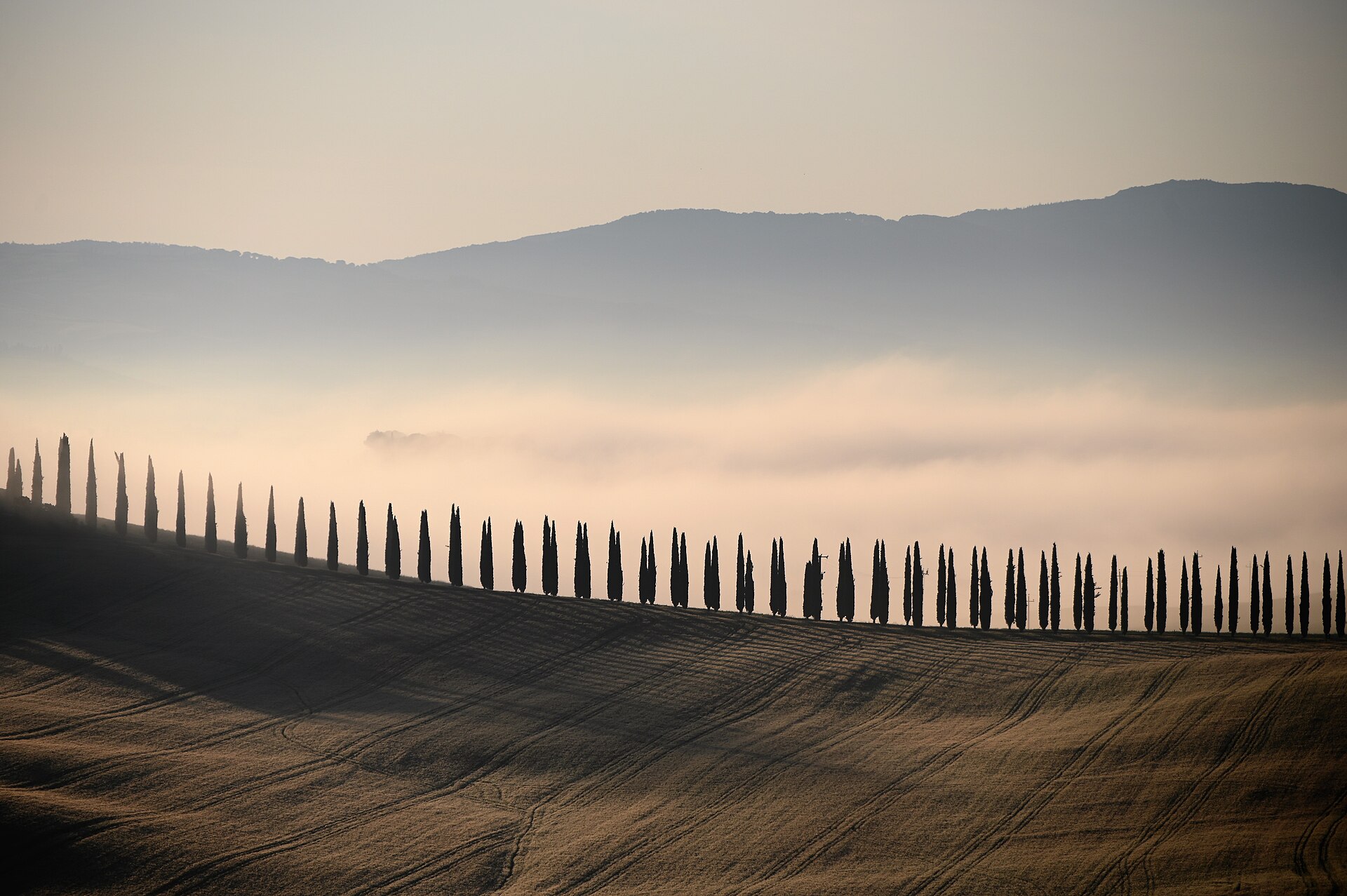
| Val d’Orcia | Between Montalcino & Pienza | The postcard cypress landscape — UNESCO scenery with your wine |
| Piedmont (Barolo/Barbaresco) | NW Italy | Beyond Tuscany — the Nebbiolo kings, best in autumn truffle season |
✈️ TripToGo Travel Deals
Get notified about great travel deals
Hand-picked flight, hotel and destination deals, straight to your inbox. No spam, unsubscribe anytime.
🎉 Thank you for subscribing!
You’re all set — the best travel deals are on their way.
Start in Tuscany, Get a Driver, Time the Harvest: Key Facts
Tuscany is the place to start, and its big three are Chianti, Brunello and Vino Nobile. Chianti Classico, between Florence and Siena, is the easiest and most scenic base; Montalcino’s Brunello is the region’s benchmark red; the Bolgheri coast makes the powerful Super Tuscans. For a second trip, Piedmont’s Barolo is Italy’s other titan.
You need a car or a driver — and shouldn’t be both. The wineries are spread across winding country roads, so rent a car and nominate a non-drinking driver, or book a guided tour or a driver for tasting days. Reserve cellar visits in advance; many are appointment-only.
Time it for shoulder season or harvest. May–June and September–October are ideal — and the September–October vendemmia (grape harvest) is the most atmospheric time to visit. Broader timing in our best time to visit Italy guide. Official resource: Italia.it.
Selecting the Ideal Italian Wine Region
Your journey through Italy’s finest wine regions starts with grasping each area’s unique essence. From misty mountains to sun-kissed coasts, each region offers a distinct vibe. Your choice hinges on whether you crave bold reds or crisp whites.
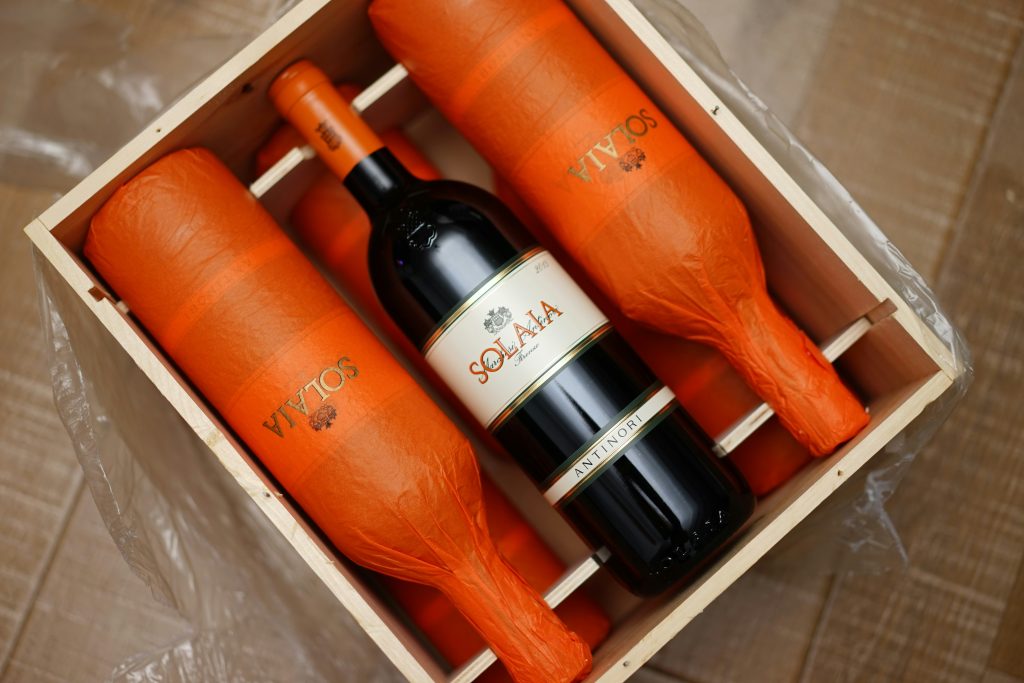
Comparing Northern and Southern Terroirs
The north, like Piedmont, boasts alpine landscapes and varietals like Nebbiolo, Barolo, and Barbaresco. These cooler climates yield complex, age-worthy wines with high acidity and firm tannins. It’s ideal for those who relish a sophisticated, cool-weather vineyard setting.
On the other hand, the south, with its volcanic soils in Sicily and Campania, offers a distinct minerality. These regions provide a warmer, Mediterranean atmosphere, perfect for enjoying local coastal dishes.
Evaluating Accessibility and Travel Infrastructure
Consider the ease of travel between estates when planning your trip. Some areas boast well-connected trains and roads, ideal for solo travelers. Others, more rural, may require a car to access family-run wineries.
Assess your support needs during your visit. For a hassle-free experience with English-speaking guides and luxury transport, opt for well-trodden paths. Exploring Italy’s wine regions is more rewarding when you align your destination with your comfort and travel style.
Planning this trip?
Our partner Voyada’s trip planner AI builds a day-by-day plan with flights, hotels and a real total cost for your dates — in about a minute, free.
Help me plan a trip →Determining the Best Time to Visit
Choosing the right month for your Italian getaway can transform a good trip into an unforgettable one. The timing of your visit dictates the rhythm of your days, from the energy of local festivals to the quiet intimacy of private cellar tours. Whether you are chasing the perfect harvest photo or a peaceful escape, understanding the seasonal shifts is essential for any traveler.
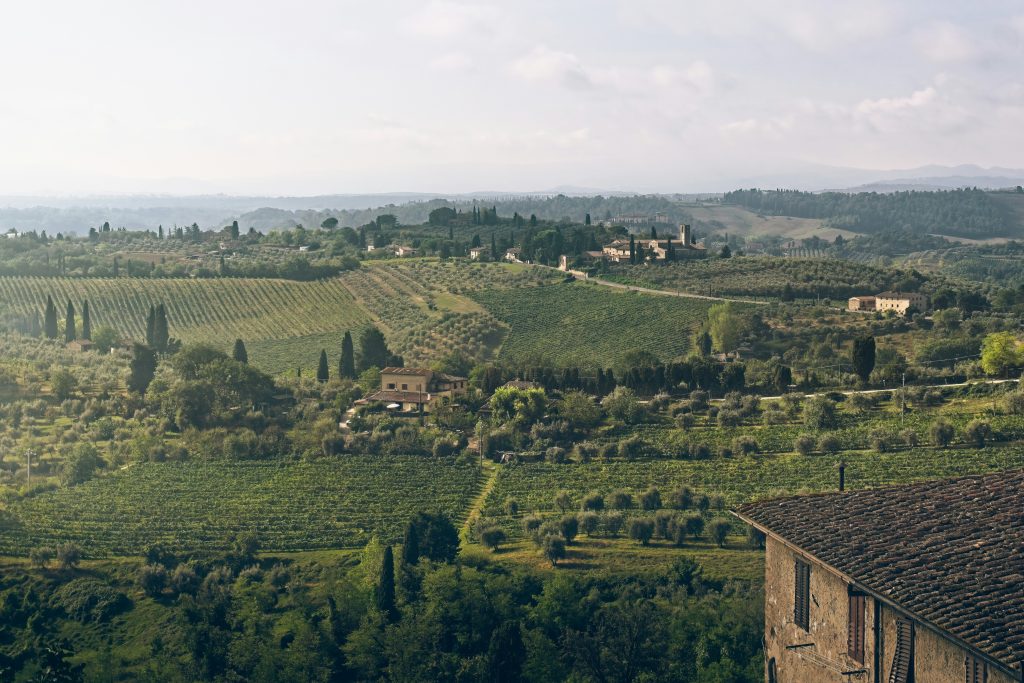
Harvest Season Dynamics
Autumn is arguably the most exciting time to plan an italy wine country vacation. During September and October, the landscape comes alive as winemakers begin the annual grape harvest. You will find the atmosphere buzzing with activity, and many estates host celebratory events to mark the season.
Beyond the grapes, this period coincides with the famous truffle season in regions like Piedmont. It is the perfect window for food enthusiasts who want to experience authentic local traditions firsthand. Expect vibrant markets, cooler evenings, and a deep sense of community as the region prepares for the winter months.
Off-Season Advantages and Weather Considerations
If you prefer a more relaxed pace, consider visiting between mid-April and mid-June. This spring window offers mild, pleasant weather that is perfect for exploring the rolling hills of wine country italy without the intense summer heat. You will witness the vineyards in full bloom, creating a stunning backdrop for your travels.
Traveling during these months also helps you avoid the peak summer crowds that often fill popular tourist spots. You will likely find it easier to secure reservations at boutique wineries and enjoy more personalized attention from your hosts. Planning your italy wine country vacation during this time ensures a balance of beautiful scenery and comfortable, unhurried exploration.
Establishing Your Travel Budget
Understanding the costs of an italy wine country vacation allows you to prioritize the experiences that matter most to you. By setting a clear financial plan early, you can ensure your trip remains both enjoyable and stress-free. Whether you are dreaming of rolling hills or historic cellars, knowing your limits helps you make better choices on the ground.
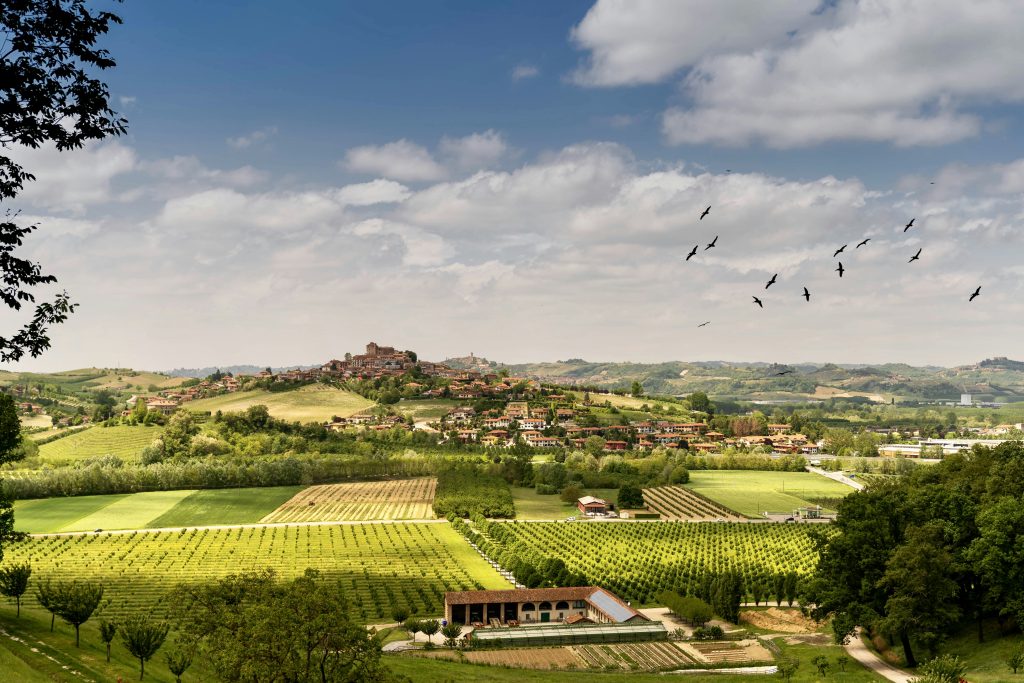
Daily Cost Estimates for Mid-Range Travelers
Mid-range travelers can expect to balance their expenses by mixing boutique hotel stays with authentic local dining. You might choose to spend more on a charming vineyard estate for one night while opting for a cozy, family-run trattoria for dinner. This approach keeps your wine country travel italy budget manageable without sacrificing the quality of your experience.
On average, you should account for daily costs that include regional transportation and modest tasting fees. Setting aside a daily buffer for unexpected finds or extra bottles is always a smart move. This flexibility ensures you can enjoy the local culture without constantly checking your bank account.
Luxury Versus Budget Vineyard Experiences
Luxury travelers often opt for private drivers and exclusive, behind-the-scenes estate tours. These premium services significantly increase your daily spend but offer a highly personalized and seamless journey. If you prefer this level of comfort, be prepared to allocate a larger portion of your budget to logistics and private guides.
Conversely, budget-conscious explorers can find incredible value by utilizing regional trains and focusing on smaller, independent wineries. Regardless of your style, always factor in tasting fees and possible shipping costs for any wine you decide to send home. Planning for these extra expenses now will prevent any surprises during your italy wine country vacation.
Navigating Transportation Options
Planning your wine tasting tours in Italy requires careful consideration of transportation. The Italian countryside is stunning, but navigating it can be challenging. Choosing the right transport method is key to a stress-free experience, allowing you to focus on the wine.
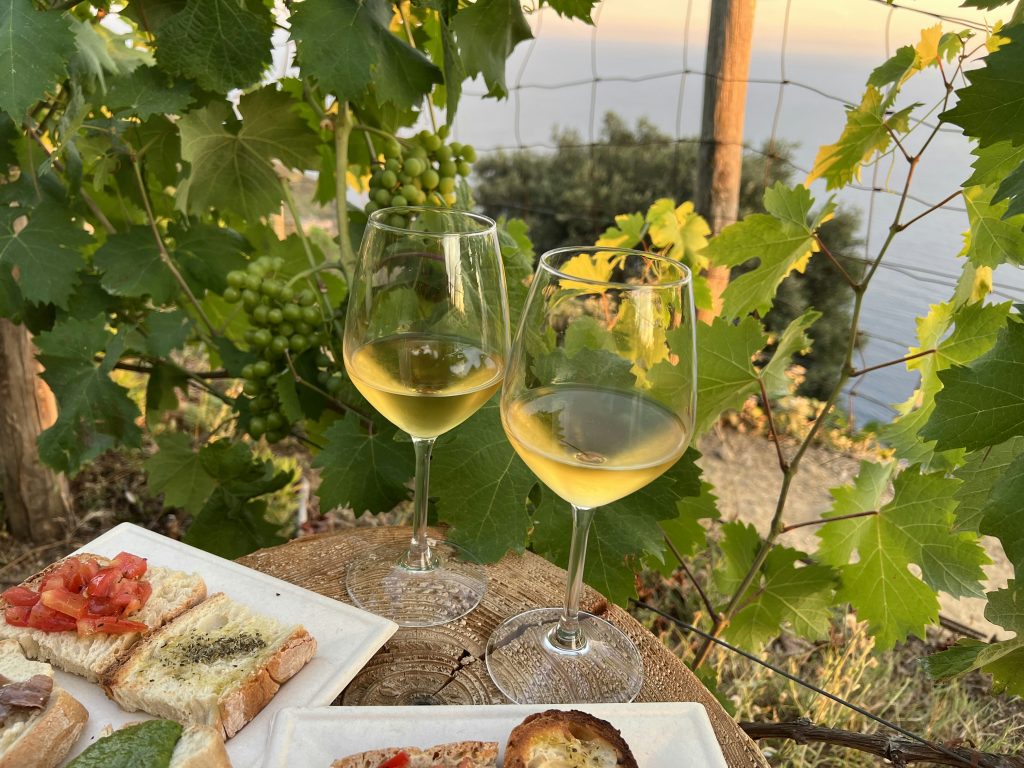
Renting a Car Versus Hiring Private Drivers
Renting a car gives you the freedom to explore at your own pace. It’s ideal for covering the 30 to 45-minute distances between vineyards in places like Tuscany or Piedmont. Yet, local roads can be complex, and parking in historic centers is often restricted.
Hiring a private driver offers a stress-free alternative. They know the best routes and can plan your visits to avoid crowds. This way, you can fully enjoy your wine without worrying about driving.
Utilizing Regional Train Networks
Italy’s rail system is excellent for long-distance travel. You can quickly move from cities like Florence to regional centers in under two hours. Trains are reliable, comfortable, and provide a scenic way to travel between wine regions.
While trains are great for long trips, they might not be the best for visiting remote vineyards. We recommend combining rail travel with private transfers for local vineyard visits. This approach ensures a well-rounded experience during your wine tasting tours in Italy.
Mapping Out Your Itinerary
When planning your wine country travel Italy adventure, remember that less is often more. A well-designed plan focuses on quality over quantity to ensure you never feel rushed. By keeping your schedule flexible, you allow yourself the freedom to truly enjoy the unique atmosphere of each estate.
Balancing Tasting Schedules with Sightseeing
We recommend limiting your schedule to two or three winery visits per day. This pace leaves plenty of room for spontaneous discoveries and long, leisurely lunches at local trattorias. You will find that taking your time allows you to savor the rich history and culture of every region you explore.
Try to mix your cellar tours with visits to nearby historical landmarks or charming hilltop villages. This approach keeps your trip dynamic and prevents “tasting fatigue.” Remember, the goal is to create lasting memories, not just check names off a list.
Managing Travel Distances Between Vineyards
Be mindful that what looks close on a map can take much longer to navigate in person. Many roads in wine country travel Italy are narrow, winding, and hilly, which significantly increases your driving time. Always group your visits by proximity to avoid spending your entire day behind the wheel.
Check the distance between your hotel and your first appointment before you head out each morning. By clustering your stops within the same sub-region, you minimize time in transit and maximize your time in the vineyards. This simple strategy ensures your journey remains smooth, relaxing, and thoroughly enjoyable.
Understanding Wine Country Italy Logistics
Mastering the behind-the-scenes details will transform your wine country adventure. While the rolling hills and sun-drenched vines are the main draw, the success of your trip depends on how well you handle the practical side of italian wine tourism. A little preparation goes a long way in ensuring your journey remains smooth and enjoyable.
Booking Appointments and Tasting Fees
Many of the most prestigious estates in Italy operate by appointment only. These family-owned wineries often lack the staff to accommodate walk-ins, so you should reach out to them weeks or even months before your arrival. Confirming your visit in advance guarantees you a spot and allows the hosts to prepare for your arrival.
Be prepared to pay a tasting fee at many high-end locations. These fees cover the cost of the wine, the expertise of the guide, and the time spent walking you through the cellar. When you prioritize these bookings, you contribute to the sustainable growth of italian wine tourism while securing a more intimate experience.
Navigating Language Barriers in Rural Areas
Venturing into the heart of the countryside is a highlight for many travelers, but it can present unique communication challenges. While English is widely spoken in major cities, you might find that local producers in remote villages prefer to speak their native tongue. Learning a few basic Italian phrases can bridge the gap and show respect for the local culture.
If you feel nervous about the language barrier, consider hiring a local guide who specializes in italian wine tourism. A knowledgeable guide acts as a translator and a cultural bridge, helping you understand the nuances of the region. This extra step ensures that you walk away with a deeper appreciation for the traditions behind every glass.
Selecting Accommodations in Wine Regions
Your choice of lodging sets the tone for your Italian getaway. Whether you seek the tranquility of the countryside or the buzz of a village, your base influences your journey. Planning your vineyard holidays in Italy demands thoughtful consideration of your preferred ambiance.
Agriturismo Stays Versus Boutique Hotels
Agriturismos offer a genuine farm-stay experience, bridging you to the land. You’ll wake up to breathtaking views and savor fresh, local produce. These stays give you a rare peek into the lives of Italian winemakers.
Boutique hotels, on the other hand, provide a refined experience. They’re often close to quaint shops and historic squares. This choice is perfect for those who wish to blend vineyard visits with leisurely evening walks.
Proximity to Major Wine Hubs
Location is key when planning your italy wine country vacation. Staying near major centers saves travel time and boosts your cellar time. Being centrally located makes exploring multiple estates in one day effortless.
Opt for a location between your priority regions to cut down on driving. This approach ensures a relaxed trip, keeping your italy wine country vacation stress-free and enjoyable.
Mastering the Art of Wine Tasting
Embarking on wine tasting tours in Italy immerses you in a rich history of viticulture. It’s more than just tasting different wines; it’s a social and cultural experience. By slowing down, you connect with the land and the people who care for it.
Etiquette for Visiting Family-Owned Estates
Respecting the traditions of family-owned estates is key for a great experience. Winemakers share stories passed down through generations. Listen to their techniques and history to show appreciation for their craft.
Remember, these estates are private homes and businesses. Be on time and keep your group small for a personal experience. Talking to the staff can reveal more about the local terroir.
Shipping Wine Home and Customs Regulations
If you find a special bottle, you might want to take it home. Many wineries offer international delivery services. Ask about these options early to avoid last-minute issues.
Before buying, understand your country’s customs regulations on alcohol imports. Each country has its own rules. Knowing these can prevent surprises when you return. Planning ahead ensures your memories from Italy arrive safely.
Exploring Piedmont and the Northwest
Exploring Italian wine regions reveals Piedmont’s unique charm, shrouded in mist. Located at the Alps’ foot, it’s a top spot for wine enthusiasts. It offers a traditional experience, perfect for those who value fine viticulture’s complexity.
Key Varietals and Regional Specialties
Piedmont is celebrated for its Nebbiolo grape, the essence of Barolo and Barbaresco. These wines are known for their aging prowess and rich flavors. They complement the local cuisine beautifully.
The region is also famous for its autumn truffle markets. These events attract food enthusiasts worldwide. It’s a prime spot for travelers seeking a deep connection with the land and its heritage.
Recommended Duration for a Piedmont Trip
Plan to spend at least three to four days in Piedmont. This duration lets you enjoy the local specialties without haste. You can explore historic estates in the mornings and relax in the afternoons.
Spending more time here allows you to fully appreciate the scenery. You’ll have the chance to uncover hidden spots that shorter visits might miss. It’s ideal for those who value a detailed and engaging travel experience.
Discovering Tuscany and Central Italy
Tuscany is the epitome for those eager to explore Italian wine regions. It boasts a unique blend of rolling hills, ancient vineyards, and deep-rooted traditions. This combination captures the essence of Italy, making it a must-visit for wine enthusiasts and casual drinkers alike.
Navigating the Chianti and Montalcino Routes
The region is renowned for its well-defined wine trails that traverse through charming villages. The Chianti Classico route, stretching from Florence to Siena, is a must-see. It showcases endless rows of Sangiovese grapes, embodying the quintessential Tuscan experience.
The Brunello di Montalcino route, located further south, offers a more rugged and prestigious journey. Here, vineyards produce some of the world’s most celebrated wines. Exploring these roads at a leisurely pace allows you to fully appreciate the distinct terroir of each estate.
Combining Wine Tours with Cultural Landmarks
Visiting this area offers the unique opportunity to immerse yourself in both wine and culture. Spend your mornings exploring historic cellars and your afternoons in Florence’s Renaissance galleries. This blend makes it an ideal destination for those seeking cultural enrichment and relaxation.
Siena is another excellent base for your exploration. Its medieval architecture contrasts beautifully with the serene countryside. By combining vineyard visits with trips to these iconic cities, you create a well-rounded travel experience.
Venturing into Veneto and the Northeast
The Veneto region is a perfect blend of historic charm and world-class wine. It boasts a diverse landscape, from sparkling hills to bold, complex reds. It’s ideal for those who want to explore wine and experience the romance of iconic cities.
Exploring Veneto offers a unique experience, balancing accessibility with sophistication. The local culture is deeply rooted in the land and its history of viticulture. Whether you’re new to wine or a seasoned enthusiast, Veneto has something special for everyone.
Prosecco Hills and Valpolicella Highlights
The region is renowned for its crisp Prosecco, produced in the scenic hills near Conegliano and Valdobbiadene. These areas are perfect for leisurely drives and photography. You can visit family-run estates that have mastered sparkling wine production over generations.
For those who prefer robust wines, Valpolicella is a must-visit. It’s home to the legendary Amarone, a rich, powerful red wine made from dried grapes. Many find the depth of flavor in these wines unmatched.
Travel Times from Venice and Verona
Visiting Veneto offers the advantage of proximity to major urban centers. You can base yourself in Venice or Verona, with most vineyards just a short drive away. This allows for flexible day trips, balancing city exploration with wine tasting.
Travel times are generally short, often under an hour to reach the heart of wine country. This convenience makes it easy to visit museums and tour local cellars without spending too much time on the road.
Sampling Southern Italy and Island Wines
Exploring the south of Italy is a journey into hidden treasures. Unlike the north, the southern regions and islands offer a rugged authenticity. Here, ancient history meets vibrant, unique wines, creating an unforgettable experience.
Volcanic Soils of Sicily and Campania
The secret to Sicily’s wines lies in its volcanic soils. Mount Etna’s influence gives wines a unique minerality. This creates bold, complex flavors that mirror the landscape’s raw power.
Campania also benefits from volcanic soils. Its vineyards grow in soil shaped by centuries of geological activity. This terroir adds a crisp, stony character to local whites, appealing to those who value depth and history.
Unique Regional Tasting Experiences
Wine tasting in the south is a sensory adventure. Estates here offer stunning coastal views and fresh Mediterranean cuisine. It’s a chance to slow down and enjoy the beauty of Italy’s top wine regions.
For those seeking the offbeat, the south is perfect. Family-run wineries are eager to share their traditions. It’s a chance to experience Italian winemaking’s elemental side in a setting that feels personal and unique.
Packing Essentials for Vineyard Travel
When packing for vineyard holidays in Italy, blend style with practicality. You aim to look great for photos but remember, you’re visiting working farms. Striking a balance between elegance and utility ensures you’re ready for anything during your trip.
Appropriate Attire for Cellar Tours
Comfortable footwear is key for exploring the countryside. You’ll likely traverse gravel paths, dirt roads, or uneven soil between the vines. Ditch the high heels and choose sturdy, stylish walking shoes instead.
Even in the warm summer, underground wine cellars stay cool and damp. Packing a light jacket or pashmina is wise to stay warm during tours. This simple step keeps you cozy while learning about your favorite vintages’ aging process.
Gear for Wine Transport and Storage
For bringing home bottles, the right equipment is essential. Specialized wine transport bags offer the padding and insulation needed to safeguard your bottles. These bags prevent breakage and manage pressure changes during flights.
Always check the latest customs regulations before shopping for souvenirs. A dedicated wine carrier simplifies your vineyard holidays Italy experience, making it stress-free. With the right gear, you can enjoy your favorite Italian wines even after your vacation.
Managing Health and Safety Abroad
Planning your wine country travel Italy adventure? Prioritize health and safety to ensure a worry-free journey. The picturesque landscapes and historic vineyards are captivating, but preparation is key. It safeguards your well-being as you immerse yourself in the local culture and flavors.
Drinking Responsibly and Designated Drivers
Sampling local wines is a trip highlight, but it demands a thoughtful approach to transport. Never drive after drinking, as local laws are strict and rural roads can be treacherous. Opt for a private driver or professional tour services for reliable transport.
Choosing a private car service lets you savor each wine without worrying about driving. For independent travel, research local taxi or shuttle services beforehand. A solid return trip plan keeps your day safe and relaxing.
Emergency Contacts and Travel Insurance
Before leaving, gather essential emergency contacts. Include local police, ambulance, and your country’s embassy. Save this list on your phone and in your wallet for easy access. Being ready for emergencies ensures peace of mind during your trip.
Also, check your travel insurance for medical emergencies and evacuations. Many policies don’t cover accidents in rural areas. Confirming coverage before you go ensures you’re protected if health issues arise.
Maximizing Your Time and Resources
To truly enhance your vineyard holidays Italy experience, adopt a smarter approach. Visiting every famous estate can quickly overwhelm your schedule. By prioritizing quality over quantity, each stop becomes a meaningful connection to the land and its winemakers.
Avoiding Common Tourist Pitfalls
Many travelers are drawn to the most advertised locations, only to find them crowded and lacking in personal touch. Instead, explore smaller, family-run estates for intimate tours and private tastings. These hidden gems offer a more authentic look at winemaking.
Owners of these estates are often more willing to share their heritage and craft. This approach saves time and creates lasting memories, surpassing what standard tours can offer.
Leveraging Local Tourism Offices
Local tourism offices are invaluable when planning your itinerary. Staffed by experts, they provide insights that guidebooks can’t match. They offer updates on local festivals, harvest celebrations, and seasonal events often missed by international visitors.
Upon arrival, visit the local office for recommendations on hidden gems. They can help you avoid heavy traffic and suggest routes that enhance your understanding of Italian wine tourism. This supports the local community and enriches your experience.
Staying flexible is key to a successful trip. Leave room for spontaneous discoveries to find the best experiences when you least expect them. Focus on the joy of discovery, not just checking off a list.
Before you go: turn this guide into a day-by-day plan. Our partner Voyada is a free itinerary maker that builds the trip with flights, hotels and a real total cost for your dates — in about a minute.
Make an itinerary →Planning an Italian Wine-Country Trip
Italy’s wine regions are among its greatest pleasures — a little planning around cars and appointments makes them sing.
- Choose your region: Tuscany (Chianti, Montalcino, Montepulciano) is the classic; Piedmont (Barolo, Barbaresco) and the Veneto (Valpolicella, Prosecco) rival it.
- Rent a car — wineries are rural and spread out — but nominate a driver or take a tour if you’re tasting seriously.
- Book winery visits ahead: many, especially small estates, require appointments.
- Time it: harvest (vendemmia, Sep–Oct) is atmospheric but busy; late spring is quieter and lovely.
- Base in a hill town (Greve in Chianti, Alba) and build the days around long, unhurried lunches.
Conclusion
Embarking on a journey to Italy’s top wine regions is a rewarding adventure. You’ll gain deep insights into local culture by focusing on authentic vineyard visits and pacing your trip thoughtfully.
Success hinges on choosing the right destinations and managing your logistics with care. This approach ensures a memorable adventure through the countryside.
The realm of Italian wine tourism offers endless opportunities for discovery. You might find yourself savoring a bold Barolo in Piedmont or a crisp white in Sicily.
Your next step is to define your travel rhythm and secure your primary accommodations. Begin by exploring boutique stays near your favorite estates to anchor your itinerary.
Embrace the beauty of the rolling hills and the warmth of local hospitality. Enjoy every glass as you explore these historic landscapes.
FAQ
What are the best italian wine regions for a first-time visitor?
How do I book wine tasting tours italy?
What should I budget for an italy wine country vacation?
Is it easy to explore italian wine regions by train?
What are some tips for planning vineyard holidays italy?
Can I ship wine home from my italy wine country vacation?
How many wine regions does Italy have?
Italy has 20 officially recognised wine regions, one for each of its administrative regions, from Piedmont in the north-west to Sicily in the south. Each has its own grape varieties, styles and DOC or DOCG classifications, so the character of the wine changes noticeably as you travel. Tuscany and Piedmont draw the most visitors, but Veneto, Campania and Sicily are increasingly popular for wine tourism too.
Where is wine country in Italy?
Italy’s best-known wine country stretches across central Tuscany, roughly between Florence and Siena, taking in Chianti Classico, Montalcino and Montepulciano. Further north, Piedmont’s Barolo and Barbaresco hills near Alba are equally serious contenders for a wine trip, especially in autumn truffle season. Both regions sit a few hours from a major airport, making them realistic for a week-long holiday rather than a specialist expedition.
How much wine does Italy produce?
Italy produced around 47 million hectolitres of wine in 2025, making it the world’s largest wine producer, ahead of France and Spain. That works out to roughly 6 billion bottles a year, spread across thousands of small family estates and large cooperatives. Production varies by vintage, since weather during the growing season has a big effect on both volume and quality.
How many wineries are there in Italy?
Estimates put the number of Italian wine producers at around 310,000, ranging from tiny family-run vineyards to large commercial estates. Most are concentrated in Tuscany, Piedmont, Veneto and Sicily, though every one of Italy’s 20 regions produces wine commercially. Only a small fraction are set up for visitors with tasting rooms and tours, so it is worth checking opening hours and booking ahead rather than turning up unannounced.
Is wine expensive in Italy?
Wine is generally cheaper in Italy than in most other Western countries, since it is produced locally and taxed lightly. A decent bottle from a supermarket can cost as little as around €5–10, and house wine at a trattoria is often only a few euros a glass. Tastings at wineries cost more, typically around €15–40 per person depending on the number of wines poured and whether food is included.
What should I wear for wine tasting in Italy?
Smart-casual, comfortable clothing works best, since many tastings involve a walk through vineyards or down to a cool cellar. Closed, flat shoes are more practical than sandals on gravel paths and cellar steps, and a light layer helps with the temperature drop underground. Avoid strong perfume or cologne, as it interferes with smelling the wine, and dark colours are a sensible choice in case of spills.
Where should I stay in Italy's wine country?
An agriturismo, a working farm or vineyard offering rooms, is the classic choice in Tuscany and Piedmont and often includes home-cooked meals. Small hill towns such as Montalcino, Montepulciano and Greve in Chianti also have boutique hotels within walking distance of shops and restaurants. Basing yourself centrally for a few nights and taking day trips is usually easier than changing accommodation every night.
Do you tip for wine tasting in Italy?
Tipping is not expected at wine tastings in Italy, and tasting-room staff do not rely on it the way servers might elsewhere. If a guide gave an especially generous or informative tour, leaving around €1–2 per person is a polite gesture rather than an obligation. The more common way to show appreciation, and support the producer directly, is simply to buy a bottle or two before you leave.
Should you tip on wine in an Italian restaurant?
No separate tip is expected for wine service in an Italian restaurant, since Italy does not share the US tipping culture. Most bills already include a small coperto, or cover charge, rather than a tip line, and rounding up the total or leaving a few euros for excellent service is enough. Sommeliers and waiters are paid a standard wage, so a tip is appreciated but never assumed.
What is Chianti Classico?
Chianti Classico is the historic heart of the wider Chianti wine zone, a hilly area between Florence and Siena marked by a black rooster seal on the bottle. It is made mostly from the Sangiovese grape and follows stricter DOCG rules than standard Chianti, covering yield, ageing and alcohol content. It is usually the easiest and most popular first stop for anyone new to Tuscan wine.
What is Brunello di Montalcino?
Brunello di Montalcino is one of Italy’s most prestigious reds, made entirely from a Sangiovese clone grown around the hill town of Montalcino in southern Tuscany. It was Italy’s first wine to receive DOCG status, the country’s top quality classification, and by law must age for at least five years before release, two of them in oak. Expect a fuller-bodied, pricier wine than standard Chianti, with real ageing potential.
When is the grape harvest season in Tuscany?
The grape harvest, or vendemmia, generally runs from early September to mid-October in Tuscany, with exact timing depending on grape variety and that year’s weather. Visiting during harvest means seeing vineyards at their most active, with pickers in the fields and cellars busy with fresh must, though some wineries limit tastings while focused on production. Autumn light and cooler temperatures also make it a popular time to visit even without watching the harvest itself.
What is the difference between DOCG and DOC Italian wine labels?
DOCG is Italy’s highest wine classification, with stricter rules on yield, ageing and government tasting panels than the more common DOC tier. Brunello di Montalcino, Chianti Classico and Barolo are all DOCG wines, while DOC covers a wider range of solid, regionally typical wines at a lower price point. Neither label guarantees a wine will suit your taste, but DOCG is a reliable sign of tighter quality control.
What is a Super Tuscan wine?
A Super Tuscan is a red wine made in Tuscany using international grapes, usually Cabernet Sauvignon or Merlot, blended with or instead of the traditional Sangiovese. The category began in the 1970s when producers on the Tuscan coast around Bolgheri broke from strict local rules to make bolder, French-influenced wines, and it later gained its own official status. These wines tend to be fuller-bodied and pricier than classic Chianti, and are a highlight of any Bolgheri winery visit.
Is Tuscany or Piedmont better for a first wine trip?
Tuscany is generally the easier choice for a first wine trip, thanks to better flight connections, more English spoken and a wide spread of towns to base yourself in. Piedmont, around Barolo and Barbaresco in the north-west, rewards a repeat visit with bigger, more structured Nebbiolo wines and, in autumn, white truffles, but has fewer direct flights and a shorter tourist season. Both are manageable in under a week with advance planning.
Do Italian wineries require a reservation for tastings?
Most established wineries in Italy now expect a reservation, especially smaller family estates that only open by appointment. Larger producers with dedicated visitor centres, particularly around Chianti and Barolo, sometimes accept walk-ins, but availability during peak season (May, September and October) is limited. Booking a few days ahead by phone or email, or through a local tour operator, avoids arriving to a closed gate.
What is the best month to visit Italy's wine country?
May, September and October are generally considered the best months, combining pleasant temperatures with either spring blossom or the drama of the autumn harvest. Peak summer (July–August) brings intense heat and the biggest crowds, while many small wineries close over winter. September and October also overlap with vendemmia and, in Piedmont, the start of white truffle season.